Johny Marice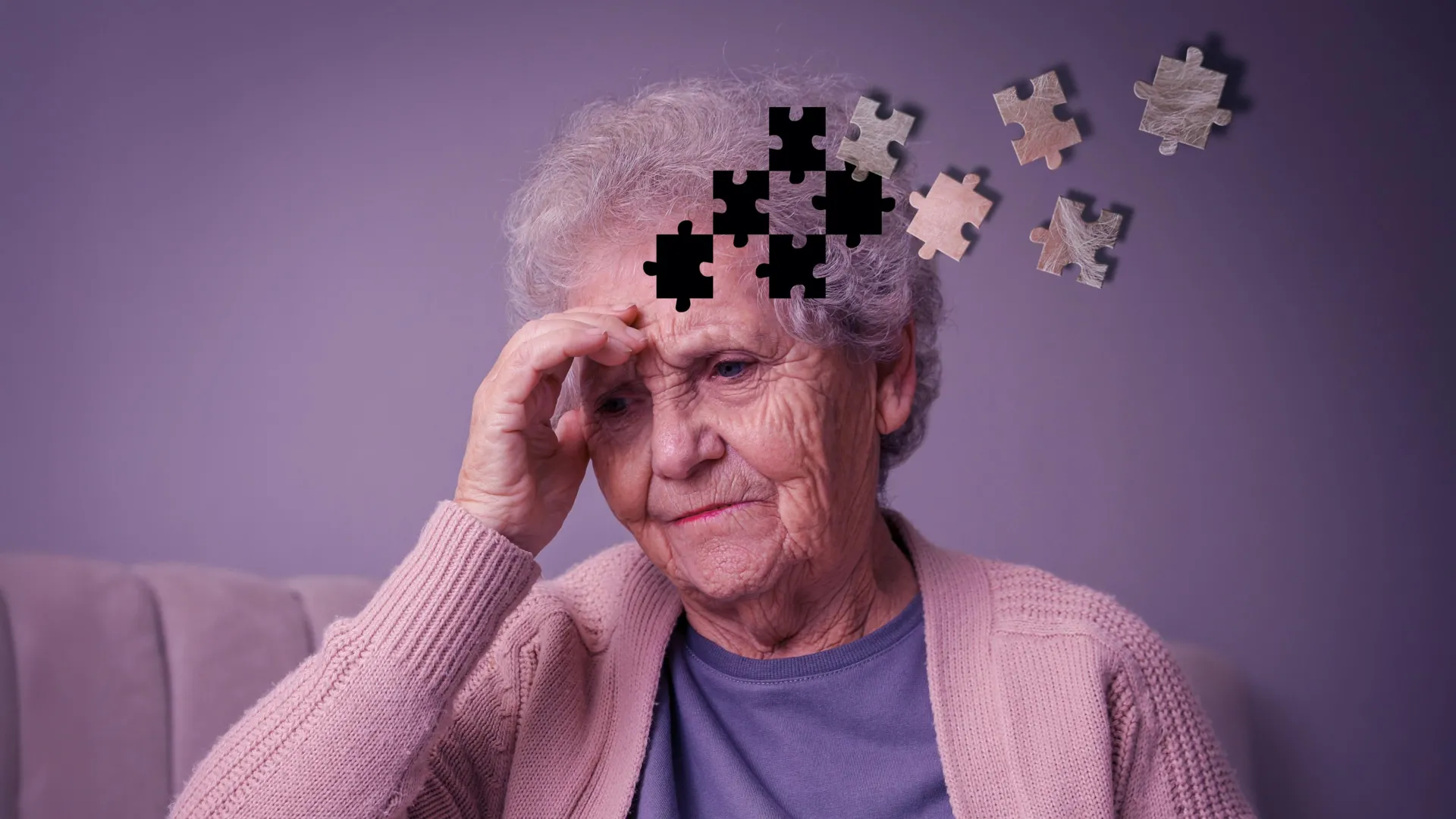
Women not only face higher rates of Alzheimer’s disease and other forms of dementia, but new research suggests they may also be more strongly affected by several common risk factors linked to cognitive decline. A comprehensive study conducted by scientists at the University of California San Diego School of Medicine has unveiled significant sex-based disparities in how prevalent dementia risk factors impact cognitive function, suggesting a critical need for sex-tailored prevention strategies. The groundbreaking findings, published on May 19, 2026, in the esteemed journal Biology of Sex Differences, analyzed data from over 17,000 middle-aged and older adults, revealing that certain modifiable risk factors exert a disproportionately larger influence on women’s cognitive health compared to men’s.
"Looking beyond which risk factors are most common, we found that some have a disproportionately larger impact on women’s cognition," stated Megan Fitzhugh, PhD, assistant professor of neurosciences at UC San Diego School of Medicine and the study’s lead author. "This suggests that prevention efforts may be more effective if they are tailored not just to risk factor prevalence, but to how strongly each factor affects cognition in women versus men." These insights are poised to illuminate why women account for nearly two-thirds of Alzheimer’s cases in the United States, a statistic that has long puzzled researchers and public health officials.
The Growing Burden of Alzheimer’s Disease on Women
Currently, nearly seven million Americans are living with Alzheimer’s disease, a number that is projected to escalate significantly in the coming decades. Within this vast population, women represent the majority, a trend that extends across other forms of dementia as well. While it is well-established that women generally live longer than men, this demographic fact alone does not fully account for the pronounced sex disparity observed in Alzheimer’s prevalence. This has spurred a deeper scientific inquiry into the complex interplay of biological, social, and lifestyle-related factors that may shape dementia risk differently between the sexes. Many of these identified factors, crucially, are amenable to change through medical intervention or conscious lifestyle adjustments, offering a glimmer of hope for effective prevention.
The current study, led by Fitzhugh and senior author Judy Pa, PhD, a professor of neurosciences at UC San Diego School of Medicine, delved into 13 recognized dementia risk factors. The research team meticulously examined data drawn from the Health and Retirement Study, a longitudinal and nationally representative survey of U.S. adults in mid to late life. This rich dataset provided a robust foundation for exploring how various health and lifestyle elements correlate with cognitive function across different demographic groups.
Unpacking Key Dementia Risk Factors: A Tale of Two Sexes
The comprehensive analysis meticulously cataloged and compared the prevalence of several critical dementia risk factors between men and women. The study investigated a spectrum of factors known to influence brain health, including educational attainment, hearing loss, smoking habits, alcohol consumption patterns, body mass index (BMI), the presence of depression, levels of physical inactivity, hypertension, diabetes, and other cardiometabolic conditions. The goal was to identify not only which factors were more common in one sex over the other but also to understand the differential impact these factors had on cognitive outcomes.
Initial findings revealed distinct patterns in the prevalence of certain risk factors. Women in the study were more likely to report a higher incidence of:
- Depression: This mental health condition has been increasingly recognized as a significant precursor to cognitive decline.
- Hearing Loss: While often considered an age-related sensory deficit, emerging research points to a strong link between untreated hearing loss and increased dementia risk, potentially due to increased cognitive load or social isolation.
- Hypertension: High blood pressure, a pervasive cardiovascular issue, was also noted at higher rates in women, impacting their overall cardiovascular health which is intrinsically linked to brain health.
Furthermore, the study indicated that women in the cohort generally had slightly lower average educational attainment. Lower levels of education are a recognized risk factor for later-life cognitive decline, potentially because higher education may foster greater cognitive reserve, enabling the brain to better withstand pathological changes.
Conversely, men in the study exhibited higher rates of:
- Smoking: A well-established contributor to vascular damage and inflammation, smoking poses a significant threat to cognitive health.
- Alcohol Consumption: While moderate alcohol intake has been debated, excessive consumption is detrimental to brain function.
- Obesity: High BMI, indicative of excess body fat, is associated with a range of metabolic dysfunctions that can negatively impact the brain.
It is noteworthy that high blood pressure was a widespread concern, affecting approximately six out of every 10 participants across both sexes. Similarly, the average body mass index for both men and women fell within the overweight to obese range, highlighting a shared challenge in maintaining healthy weight.
Differential Cognitive Impact: When Risk Factors Hit Differently
The most compelling and perhaps most significant revelation of the study lies in the differential impact of several risk factors on cognitive performance. The researchers discovered that a number of these factors were associated with poorer cognitive outcomes more strongly in women than in men. This suggests that the same physiological or lifestyle issue may not have a uniform effect on the brain across different sexes.
Specifically, conditions related to heart and metabolic health, including hypertension and an elevated body mass index, demonstrated steeper negative associations with cognitive function among women. This implies that managing blood pressure and weight may be even more critical for preserving cognitive health in women compared to men.
Intriguingly, hearing loss and diabetes, factors that were found to be more common in men, were also significantly tied to lower cognitive scores in women. This finding underscores the complex and sometimes counterintuitive ways in which risk factors can manifest their effects. It points to a need to look beyond simple prevalence and consider the qualitative impact on cognitive function within specific sex groups. The implication is profound: a health issue that might cause only moderate cognitive effects in men could potentially exert a much stronger, more detrimental influence on women’s brain health.
"These differences highlight the importance of considering sex as a key variable in dementia research," emphasized Dr. Pa. "Sex differences are profoundly overlooked among many leading causes of death like Alzheimer’s, heart disease and cancer." This statement strongly advocates for a paradigm shift in how medical research and clinical practice approach conditions where sex-based variations are evident.
Charting a Course for Personalized Dementia Prevention
The study’s findings provide robust support for the growing interest in precision medicine, an innovative approach that aims to tailor prevention and treatment strategies to an individual’s unique characteristics. In the context of dementia, this means moving beyond a one-size-fits-all model and acknowledging that interventions may need to be customized based on an individual’s sex, among other factors.
Instead of solely focusing on the most prevalent dementia risk factors across the entire population, the researchers propose that prioritizing those factors that exert the greatest cognitive impact within specific groups—in this case, women—could lead to more effective prevention efforts. This strategic reorientation could optimize resource allocation and maximize the impact of public health initiatives.
A crucial aspect of the study is its emphasis on the modifiability of many of the identified risk factors. This means that opportunities exist to reduce dementia risk through targeted interventions. For women, the findings suggest that particular attention should be paid to:
- Managing Depression: Effective mental health interventions and support systems are paramount.
- Increasing Physical Activity: Promoting regular exercise can combat sedentary lifestyles and improve cardiovascular and metabolic health.
- Improving Cardiovascular Health: This includes vigilant management of blood pressure, especially in cases of untreated hypertension, as well as addressing other cardiometabolic risks.
These targeted recommendations offer actionable pathways for individuals and healthcare providers to proactively address dementia risk.
The Path Forward: A Call for Deeper Understanding and Action
Despite the significant insights gleaned from this study, the researchers underscore the necessity for further investigation to fully unravel the intricate mechanisms behind these sex differences in dementia risk factor impact. Potential explanations are multifaceted and likely involve a complex interplay of biological, genetic, and social determinants. These may include:
- Hormonal Influences: Fluctuations in sex hormones throughout a woman’s life, such as estrogen levels during reproductive years and post-menopause, are known to influence brain health and may interact with risk factors differently than in men.
- Genetic Differences: Variations in genetic predispositions between men and women could influence susceptibility to the damaging effects of certain risk factors on the brain.
- Unequal Access to Healthcare: Societal factors, including disparities in healthcare access, health-seeking behaviors, and the recognition and treatment of conditions like hypertension or depression, could contribute to the observed differences.
The exact interactions of these factors remain an area requiring intensive research. "Ultimately, a more nuanced understanding of these differences could help us design smarter, more targeted interventions," Fitzhugh concluded. "That’s an essential step toward reducing the burden of dementia for everyone, but especially for women, who are disproportionately affected."
This research, funded by the National Institute on Aging (RF1AG088811, PI: Pa) and the Alzheimer’s Association (SAGA23-1141238, PI: Pa), marks a critical juncture in dementia research. By illuminating the differential impact of risk factors, it paves the way for more equitable and effective strategies to combat a disease that impacts millions worldwide. The authors reported no conflicts of interest, lending further credibility to their objective findings. The study’s implications extend beyond the immediate findings, urging a broader reevaluation of how sex is considered in all areas of medical research and public health policy.