Ferry Irwandi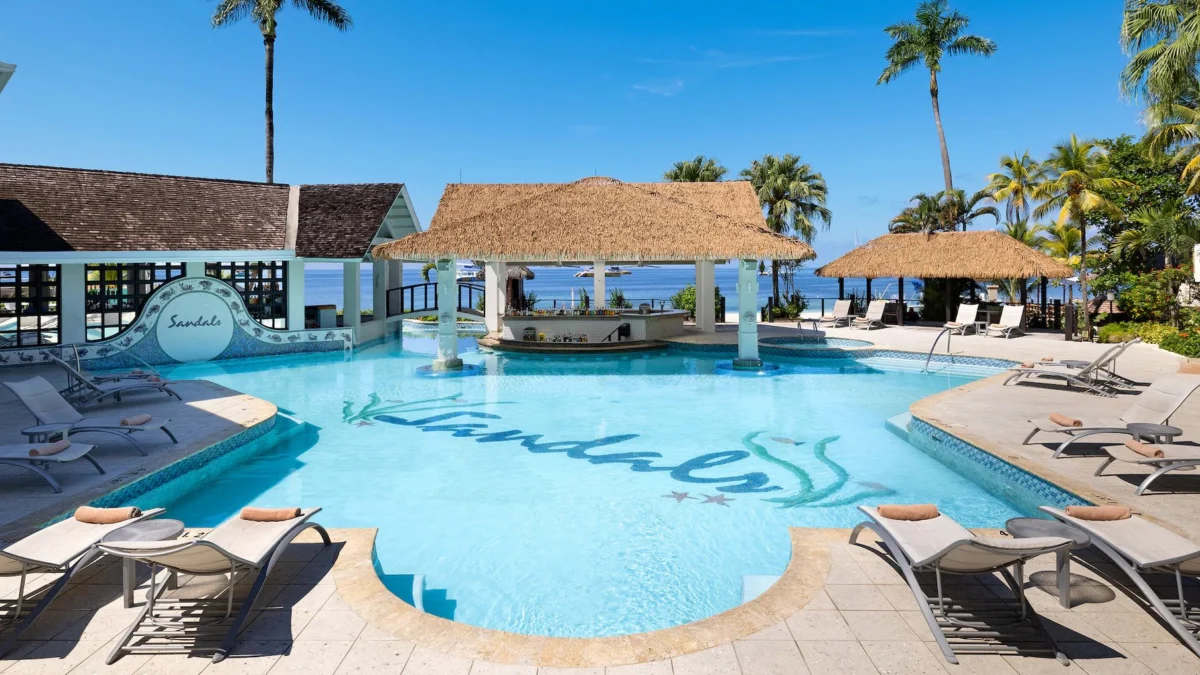
The Caribbean hospitality sector is witnessing a strategic surge in promotional activity as Sandals Resorts International (SRI) unveils a comprehensive suite of travel incentives aimed at the 2026 vacation season. As a dominant force in the all-inclusive market, the brand is currently leveraging a multi-tiered discount strategy to maintain its market lead amid a resurgence in demand for luxury-inclusive experiences. With 17 resorts operating across high-traffic destinations including Jamaica, Barbados, Curaçao, Saint Vincent, and the Bahamas, Sandals has refined a business model that integrates high-end amenities—such as personalized butler services and professional scuba diving programs—into a singular, pre-paid cost structure. The current promotional cycle, headlined by a Summer Sale offering up to $1,500 in credit, signals a robust effort to secure early bookings for the 2026 calendar year while addressing the evolving preferences of modern travelers who prioritize both luxury and logistical simplicity.
Historical Evolution: From Montego Bay to a Caribbean Empire
The trajectory of Sandals Resorts is inextricably linked to the vision of its founder, Gordon “Butch” Stewart, who established the flagship property in Montego Bay, Jamaica, in 1981. At a time when the Caribbean tourism industry was fragmented, Stewart introduced the “couples-only” all-inclusive concept, a move that would eventually redefine regional hospitality. The brand’s early history is marked by significant architectural and service innovations; notably, Sandals Montego Bay is credited with the invention of the swim-up bar, a feature that has since become a standard across global tropical resorts.
Throughout the 1990s, the brand underwent a period of aggressive geographic and demographic expansion. In 1990, Sandals moved beyond the borders of Jamaica to open its first international location in Antigua. This was followed by successful entries into the markets of St. Lucia and the Bahamas. Recognizing a gap in the family-oriented luxury market, Sandals Resorts International launched the Beaches brand in 1997. This subsidiary catered to multi-generational travel by incorporating waterparks, educational camps, and partnerships with established entities like Sesame Workshop. Today, under the leadership of Executive Chairman Adam Stewart, the organization continues to expand, recently opening the Sandals Saint Vincent and the Grenadines, which represents the brand’s latest effort to tap into less-developed, high-potential Caribbean destinations.
Analysis of Current 2026 Promotional Incentives
The 2026 Summer Sale, which is scheduled to conclude on May 26, represents one of the brand’s most significant financial incentives in recent years. The promotion is structured to reward longer stays and specific high-value properties. For example, travelers booking a minimum of five nights at Sandals Royal Bahamian are eligible for a $555 instant credit combined with a $150 air credit. In contrast, the incentives for Sandals Royal Curaçao—a property that has become a cornerstone of the brand’s southern Caribbean strategy—are more substantial, offering $1,500 in back-dated credit and $750 in air credit for seven-night bookings.
The travel window for these specific offers is strictly defined between June 1 and September 30, 2026. Industry analysts suggest that this targeted window is designed to bolster occupancy rates during the traditional shoulder season in the Caribbean, ensuring a steady flow of revenue and operational stability during months that typically see a dip in international arrivals. Furthermore, the inclusion of air credits addresses one of the primary hurdles in Caribbean travel: the rising cost of international flights. By subsidizing the transportation element, Sandals effectively lowers the barrier to entry for luxury travelers.
Targeted Discounts for Service Personnel and Loyalty Structures
A significant component of the Sandals marketing strategy involves the "Service Personnel Discount," which offers a consistent 10% reduction in room rates for active and retired military members from the United States and Canada. This program extends to police officers, firefighters, Emergency Medical Technicians (EMTs), and active FEMA employees. To maintain the integrity of this program, Sandals utilizes the SheerID verification platform, a standard in the industry for validating professional credentials. This 10% discount is often combinable with other promotions, such as the Summer Sale, creating a compounding value proposition for a demographic that SRI has long identified as a core customer base.
Parallel to these professional discounts is the Sandals Select Rewards program. In an era where customer acquisition costs are rising, SRI has prioritized retention through a points-based loyalty system. Members earn points on every stay, which can be converted into vouchers for future bookings. The program is tiered, with higher levels granting access to premium perks such as complimentary spa treatments and private airport transfers. By incentivizing repeat business, Sandals creates a self-sustaining ecosystem of "all-inclusive rebookers" who provide a predictable baseline of occupancy across their 17 properties.
The Referral Economy and Spontaneous Travel Trends
The "Share the Love" Referral Program highlights Sandals’ reliance on word-of-mouth marketing and social proof. The program allows existing customers to earn up to 50,000 Sandals Select Rewards points annually—equivalent to a $1,250 value—by referring up to five new guests. This peer-to-peer marketing strategy is particularly effective in the luxury travel segment, where personal recommendations often carry more weight than traditional advertising. Referred guests are also incentivized with 10,000 points ($250 value) toward their inaugural stay, reducing the "friction" associated with trying a new resort brand.
Furthermore, the brand has successfully tapped into the "last-minute" travel market, which has seen a resurgence as flexible work arrangements become more common. The "Last Minute Deals" section of the Sandals portal offers a free night for bookings made within a 30-to-60-day window at select resorts. Current data shows that properties like Sandals Royal Barbados and Sandals Saint Vincent are frequently featured in these offers. This strategy allows the brand to optimize inventory that would otherwise go unsold, maintaining high yields even on short notice.
Broader Economic Impact and Regional Implications
The expansion and promotional aggressiveness of Sandals Resorts have profound implications for the Caribbean economy. Tourism remains the primary driver of GDP for many island nations, and SRI is often the largest private employer in the territories where it operates. Beyond direct employment, the "Sandals effect" includes the stimulation of local supply chains, from agricultural producers providing fresh food to the resorts to local tour operators facilitating excursions.
The brand also maintains a corporate social responsibility arm, the Sandals Foundation, which focuses on community, education, and the environment. As environmental sustainability becomes a critical metric for modern travelers, Sandals’ investment in reef restoration and local school infrastructure serves as both a philanthropic endeavor and a strategic brand-building tool. The 2026 incentives, therefore, do more than just fill rooms; they ensure the continued flow of capital into regional development projects that are often dependent on the health of the tourism sector.
Future Outlook: The All-Inclusive Renaissance
The 1990s-era perception of all-inclusive resorts as budget-conscious, mass-market options has been largely replaced by a "luxury-inclusive" paradigm. Sandals has been a primary driver of this shift, moving away from buffet-style dining and standardized rooms toward "Global Gourmet" dining experiences and over-the-water bungalows. The 2026 promotional landscape reflects a brand that is confident in its product but cognizant of the competitive pressures from global hotel giants like Marriott and Hyatt, both of which have recently entered the all-inclusive space.
As Sandals continues to integrate technology—such as mobile app-based butler communication and streamlined digital check-ins—into its high-touch service model, the brand remains a benchmark for the industry. The current array of discounts and credits serves as a tactical response to a global economy where consumers are increasingly looking for "guaranteed value" without sacrificing the prestige of a luxury vacation. With the Caribbean tourism market projected to grow steadily through the end of the decade, Sandals’ 2026 strategy positions the brand to capture a significant share of the affluent traveler market while honoring its historical roots as a pioneer of the island getaway.