Nila Kartika Wati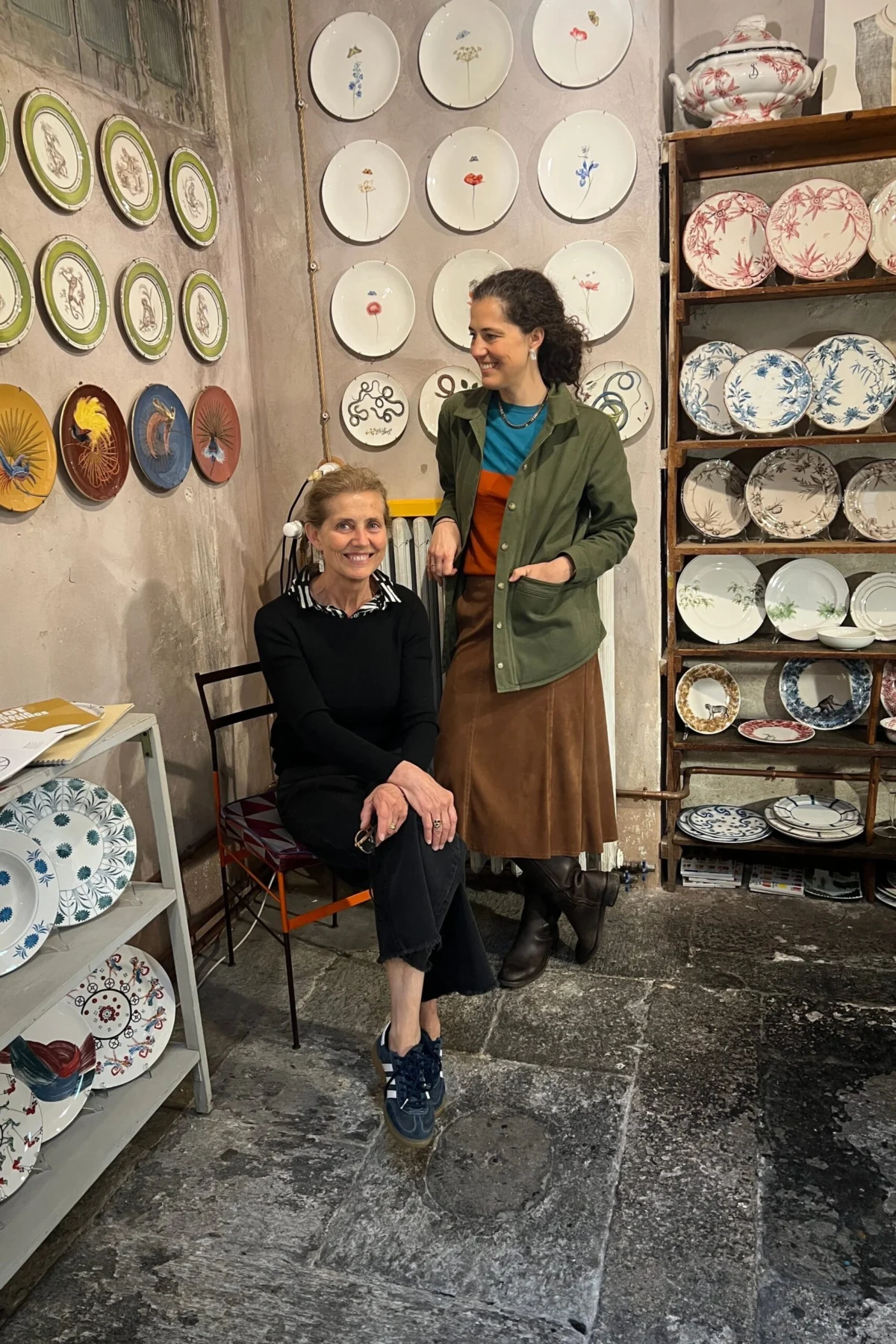
MILAN – The Salone del Mobile, an annual international furniture and design fair held in Milan, Italy, stands as a paramount event in the global design calendar. This year’s iteration, as always, underscored its unique position as a vibrant crucible where the entire spectrum of contemporary design coalesces. From the meticulous craftsmanship of small, independent studios to the expansive vision of chief design officers from leading technology corporations, the fair offers an unparalleled panorama of innovation, craftsmanship, and the evolving definition of design itself. The event, which typically spans several days in April, attracts hundreds of thousands of visitors, including designers, architects, manufacturers, buyers, and design enthusiasts from across the globe.
A Legacy of Design Excellence
The Salone del Mobile’s roots trace back to 1961, when it was established with the aim of promoting Italian furniture and furnishings on an international scale. Over the decades, it has evolved from a national showcase to a global phenomenon, expanding its scope to encompass a vast array of design disciplines, including lighting, office furniture, and home accessories. The fair is renowned for its ability to set trends, provide a platform for emerging talent, and foster crucial business connections within the industry. Its enduring success is a testament to Milan’s status as a fashion and design capital, drawing on a rich heritage of Italian creativity and manufacturing prowess. The event is not merely an exhibition; it is a pulsating ecosystem where ideas are exchanged, collaborations are forged, and the future trajectory of design is shaped.
The Spectrum of Design on Display
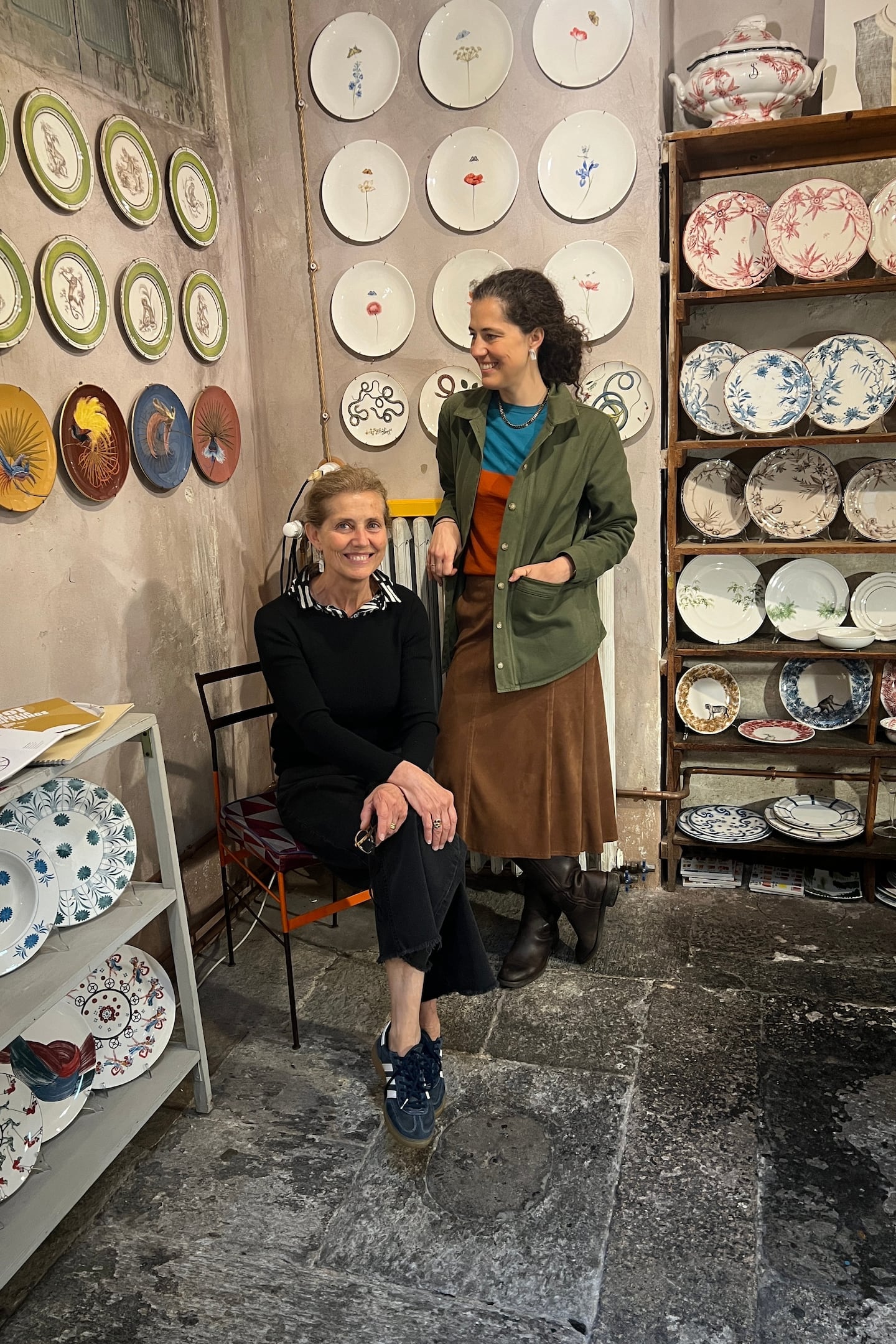
This year’s Salone del Mobile exemplified the remarkable breadth of contemporary design. At one end of the spectrum, studios like Laboratorio Paravicini, a six-person ceramics workshop, showcased the enduring appeal of artisanal production. Their meticulously handcrafted pieces, often inspired by historical motifs and executed with a deep understanding of traditional techniques, represent a dedication to quality and unique artistry. Costanza Paravicini and Margherita Medici di Marignano, key figures at Laboratorio Paravicini, embody the spirit of small-scale innovation, where every detail is considered and the human touch is paramount. Such ateliers serve as vital anchors, preserving and evolving craft traditions in an increasingly industrialized world.
Conversely, the fair also hosted the leading lights of the technology sector, whose design chiefs navigate the complex intersection of aesthetics, user experience, and cutting-edge innovation. These executives, responsible for shaping the design language of products that touch billions of lives daily, use Salone del Mobile as a barometer for emerging materials, advanced manufacturing techniques, and forward-thinking spatial concepts. Their presence highlights the growing integration of design thinking across industries, extending far beyond the traditional confines of furniture and home goods. The conversations at Salone del Mobile often bridge the gap between the tangible beauty of handcrafted objects and the seamless functionality of technologically advanced solutions.
Data-Driven Insights and Industry Trends
The sheer scale of Salone del Mobile provides a wealth of data for industry observers. In recent years, attendance figures have consistently hovered around the 300,000 mark, with a significant percentage of international visitors, underscoring its global reach. The number of exhibitors typically exceeds 2,000, spanning diverse categories and geographical regions. This vast exhibition space allows for the observation of emergent trends with considerable statistical weight.
For instance, an analysis of the materials featured across the fair can reveal shifts in sustainability priorities. Increased use of recycled, bio-based, and responsibly sourced materials, such as cork, bamboo, and innovative composites, has been a discernible trend in the past decade. Data from exhibitor surveys often points to a growing demand for adaptable and multifunctional furniture, reflecting changing living spaces and work-from-home arrangements. The rise of smart home technology integrated into furniture, while still nascent, also presents a significant area for future growth, with exhibitors showcasing increasingly sophisticated solutions.
The economic impact of Salone del Mobile is also substantial. The event generates millions of euros in revenue for Milan through tourism, hospitality, and related services. Furthermore, it acts as a crucial platform for B2B transactions, with many manufacturers and designers securing significant orders and partnerships during the fair. Industry reports often cite Salone del Mobile as a key driver of annual sales for many participating companies.
Chronology of Design Evolution at Salone del Mobile
The evolution of Salone del Mobile can be traced through its thematic exhibitions and the overarching design philosophies that dominate each edition.
- Early Years (1960s-1970s): Focus on "Made in Italy" excellence, with an emphasis on modularity, functionality, and bold forms, often reflecting post-war optimism and a burgeoning consumer culture. The rise of iconic Italian design houses like Cassina and Knoll began to solidify during this period.
- Design Revolution (1980s): The emergence of Memphis Group and other postmodern movements brought a more playful, eclectic, and often ironic approach to design. Salone del Mobile became a stage for challenging traditional aesthetics.
- Globalisation and Sustainability (1990s-2000s): Increased international participation and a growing awareness of environmental issues. Designers began to explore sustainable materials and production methods more rigorously. The fair expanded to include dedicated sections like SaloneSatellite for emerging designers.
- Digital Integration and Experiential Design (2010s-Present): The influence of digital technologies on design and manufacturing became more pronounced. The fair saw a greater emphasis on immersive experiences, smart furniture, and the integration of technology into living spaces. The COVID-19 pandemic led to a brief hiatus and subsequent adaptations, including a stronger focus on hybrid physical and digital presentations.
This year’s event continued this trajectory, showcasing how designers are responding to contemporary challenges, from climate change to the evolving nature of human connection.
Broader Impact and Future Implications
The influence of Salone del Mobile extends far beyond the immediate attendees and exhibitors. The trends and innovations showcased in Milan often trickle down into mass-market products, shaping the aesthetic and functional landscape of homes and offices worldwide. The fair acts as a critical incubator for new ideas, providing a vital testing ground for materials, technologies, and design concepts that may take years to reach mainstream adoption.
The growing presence of technology companies at Salone del Mobile signals a fundamental shift in how design is perceived and implemented. It suggests a future where the lines between physical objects and digital experiences will continue to blur, and where design plays an even more integral role in creating seamless, intuitive, and engaging environments. This necessitates a design discourse that is inclusive of diverse expertise, from material scientists and software engineers to traditional craftspeople and behavioral psychologists.
For smaller studios like Laboratorio Paravicini, Salone del Mobile remains an essential platform for visibility and connection, allowing them to reach a global audience and reaffirm the value of their specialized skills. For large corporations, it offers a vital opportunity to gauge the pulse of the design world and identify potential areas for future innovation.
The enduring success of Salone del Mobile lies in its ability to foster this dynamic interplay between tradition and innovation, craft and technology, the intimate and the global. As the world grapples with complex challenges, the role of design in shaping a more sustainable, equitable, and aesthetically rich future becomes increasingly critical. Salone del Mobile, with its unparalleled reach and diverse participation, remains at the forefront of this vital conversation, offering a glimpse into what is possible when creativity, craftsmanship, and forward-thinking vision converge. The continued emphasis on both the handmade and the technologically advanced at the fair suggests a future where design is not only about beautiful objects but also about intelligent systems and meaningful human experiences.