Nila Kartika Wati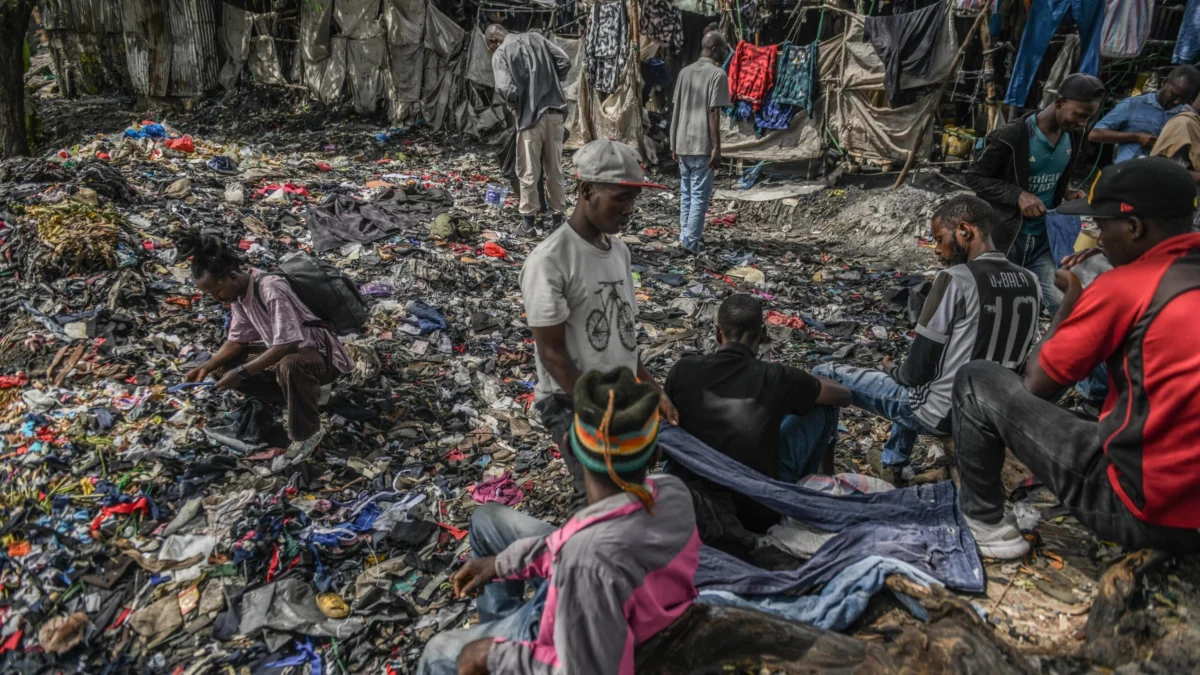
The fashion industry’s commitment to sustainability is under increasing pressure as emerging concerns regarding per- and polyfluoroalkyl substances (PFAS) in apparel gain traction, coinciding with a surge in "sustainable" collaborations that appear to be driven by the need to offload excess inventory. These developments are forcing a critical re-evaluation of what constitutes genuine environmental responsibility within the global fashion community, challenging long-held assumptions and highlighting potential greenwashing practices.
The spotlight on PFAS, a group of man-made chemicals often referred to as "forever chemicals" due to their persistence in the environment and the human body, has intensified in recent months. While historically used for their water and stain-repellent properties in outdoor wear and performance fabrics, growing scientific evidence links PFAS exposure to a range of serious health issues, including immune system dysfunction, developmental problems, and certain types of cancer. As regulatory bodies worldwide begin to scrutinize and restrict the use of these chemicals, the fashion industry, a significant consumer of PFAS-treated materials, finds itself at a crossroads.
The Pervasive Presence of PFAS in Apparel
PFAS have been a common feature in the production of a wide array of textile products, from activewear and outerwear designed for performance to everyday garments requiring easy-care properties. Their effectiveness in imparting water-repellency, stain-resistance, and wrinkle-free finishes has made them a convenient and cost-effective solution for manufacturers for decades. However, the very properties that make them desirable – their chemical stability – are also the source of their environmental hazard. Once released into the environment, PFAS do not easily break down, leading to widespread contamination of soil, water sources, and even the air.
Recent studies have begun to quantify the extent of PFAS presence in the fashion supply chain. While specific data points for the entire global fashion industry remain elusive due to proprietary formulations and a lack of standardized testing, investigations by environmental watchdogs and independent laboratories have identified PFAS in a significant percentage of tested garments. For instance, a 2021 report by the European Environmental Bureau (EEB) highlighted the prevalence of PFAS in outdoor and sportswear, urging for their phase-out. Similar findings have emerged from research conducted in North America and Asia, indicating a systemic reliance on these chemicals across various product categories.
The implications of this widespread use are multifaceted. For consumers, it raises concerns about potential direct exposure through skin contact or inhalation of microfibers shed from treated clothing. For the environment, the leaching of PFAS during manufacturing, washing, and disposal contributes to long-term pollution. The textile industry’s historical reluctance to disclose the specific chemicals used in its finishing processes has further complicated efforts to track and mitigate PFAS contamination.
Overproduction and the Rise of "Sustainable" Collaborations
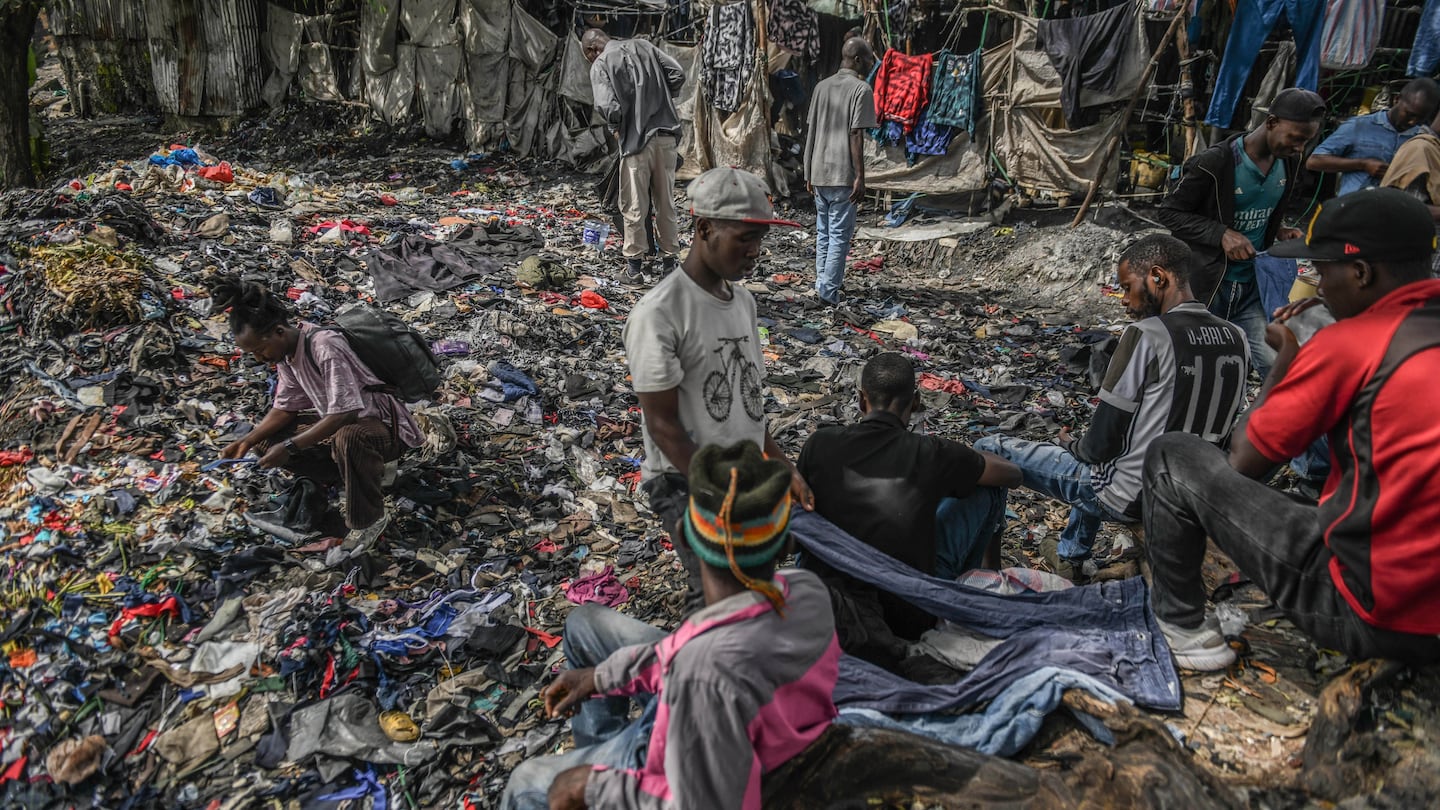
Compounding the challenges posed by PFAS is the concurrent issue of overproduction within the fashion industry. The relentless pursuit of new trends and the fast-paced nature of seasonal collections have led to an unprecedented volume of unsold inventory. In response, brands have increasingly turned to "sustainable" collaborations and limited-edition drops as a means to move this excess stock.
While on the surface these initiatives might appear to be steps towards a more responsible model, critics argue that many are merely sophisticated marketing strategies designed to mask a deeper problem. The concept of a "sustainable collaboration" often involves partnering with another brand or designer to create a new product line, frequently utilizing leftover materials or deadstock. However, if the fundamental issue of overproduction is not addressed, these collaborations can inadvertently perpetuate the cycle. Instead of tackling the root cause – producing too much in the first place – the industry is finding creative ways to repackage and sell what it has already made.
A Chronology of Emerging Concerns
The growing awareness of PFAS in consumer goods is not a new phenomenon, but its specific application and scrutiny within the fashion sector has gained momentum over the past few years.
- Late 2010s: Scientific research increasingly highlights the environmental and health risks associated with PFAS, leading to broader regulatory discussions. Early investigations begin to identify their use in various consumer products, including textiles.
- 2020-2021: Environmental advocacy groups intensify their focus on PFAS in apparel, launching campaigns and publicizing test results. European regulatory bodies begin to consider stricter controls on PFAS use.
- 2022: The U.S. Environmental Protection Agency (EPA) announces plans to take action on PFAS, including setting drinking water standards. The fashion industry faces growing pressure from consumers and NGOs to disclose and phase out PFAS.
- 2023-Present: Several brands begin to publicly commit to phasing out certain PFAS chemicals. However, the breadth of PFAS types and the complexity of global supply chains make this a significant undertaking. Simultaneously, the trend of "sustainable" collaborations aimed at clearing inventory gains prominence, drawing criticism for potentially masking overproduction.
Data Supporting the Sustainability Claims
The fashion industry’s sustainability narrative is often built on a foundation of metrics and certifications. However, the validity of these claims is being questioned.
- Material Innovation: While the industry promotes the use of recycled materials and organic fibers, the sheer volume of new production means that these innovations often fail to offset the environmental impact of virgin resource consumption and chemical-intensive processes. For example, a report by the Ellen MacArthur Foundation in 2017 estimated that the fashion industry produces 50 billion garments annually, a figure that has likely increased since then.
- Carbon Footprint: The fashion industry is a significant contributor to global greenhouse gas emissions, estimated to be responsible for up to 10% of the global total, more than international flights and maritime shipping combined, according to the UN Environment Programme. While efforts are being made to reduce energy consumption and transition to renewable sources, the scale of production often negates these improvements.
- Water Usage and Pollution: Textile dyeing and finishing processes are water-intensive and can release a cocktail of hazardous chemicals into waterways. The World Bank estimates that around 20% of global industrial water pollution comes from the dyeing and treatment of textiles.
Reactions from Stakeholders
The mounting pressure has elicited varied responses from different segments of the fashion ecosystem.
- Environmental Organizations: Groups like Greenpeace and the Natural Resources Defense Council (NRDC) have been vocal in their criticism, calling for greater transparency and stricter regulations. They emphasize the need for a fundamental shift away from the linear "take-make-dispose" model towards a truly circular economy. "The industry’s current approach to sustainability is often superficial," stated a spokesperson for a leading environmental NGO, requesting anonymity to avoid potential repercussions. "Focusing on end-of-pipe solutions or moving excess stock under the guise of ‘sustainability’ does not address the core issue of overconsumption."
- Industry Bodies and Brands: Many industry associations and leading brands have issued statements acknowledging the challenges and pledging to take action. Some have set ambitious targets for reducing their environmental impact, investing in new technologies, and improving supply chain traceability. However, the pace of change and the depth of commitment vary considerably. Several brands have begun to phase out specific PFAS chemicals, citing both environmental and consumer health concerns. However, the absence of a universal definition for "PFAS-free" and the existence of numerous different PFAS compounds make this a complex and ongoing process.
- Regulatory Authorities: Governments and international bodies are increasingly stepping in to set standards and enforce regulations. The European Union, for instance, is actively working on restricting PFAS under its REACH (Registration, Evaluation, Authorisation and Restriction of Chemicals) regulation, which could have significant implications for the global fashion industry.
Analysis of Implications: A Crisis of Trust and Definition
The convergence of the PFAS issue and the critique of "sustainable" collaborations presents a critical juncture for the fashion industry. It signals a potential crisis of trust, where consumers are becoming increasingly skeptical of sustainability claims that appear to lack substance. The industry’s definition of sustainability, once seen as a beacon of progress, now appears fragmented and, in some cases, disingenuous.
The implications are far-reaching:
- Reputational Damage: Brands that are found to be lagging in addressing PFAS concerns or engaging in transparent practices related to overproduction risk significant reputational damage, potentially alienating environmentally conscious consumers.
- Regulatory Scrutiny: Increased public awareness and scientific evidence will likely lead to more stringent regulations on chemical use and waste management within the fashion sector. This could result in higher production costs and a need for significant operational adjustments.
- Shift in Consumer Demand: Consumers are becoming more informed and demanding. They are likely to favor brands that demonstrate genuine commitment to environmental and social responsibility, moving beyond superficial marketing tactics. This could lead to a reallocation of market share towards more ethical and sustainable players.
- Supply Chain Transformation: The challenges necessitate a fundamental re-evaluation of supply chain practices. This includes investing in safer chemical alternatives, developing more efficient production methods, and exploring innovative business models that prioritize longevity and circularity over rapid turnover.
Ultimately, the fashion industry is being called upon to move beyond a cosmetic approach to sustainability. The presence of PFAS in everyday garments and the questionable motives behind some "sustainable" collaborations highlight a deeper systemic issue: the need to redefine what it means to be a responsible fashion business. This requires a commitment to transparency, rigorous scientific evaluation of materials, a genuine effort to reduce overproduction, and a willingness to invest in long-term environmental and social well-being, rather than short-term market gains. The industry’s chosen blindness in seeing the people and planet as one while pushing for a more climate-friendly industry, has never been more glaring. Without fundamental change, the very definition of fashion’s sustainability will continue to be hard to defend.