Reynand Wu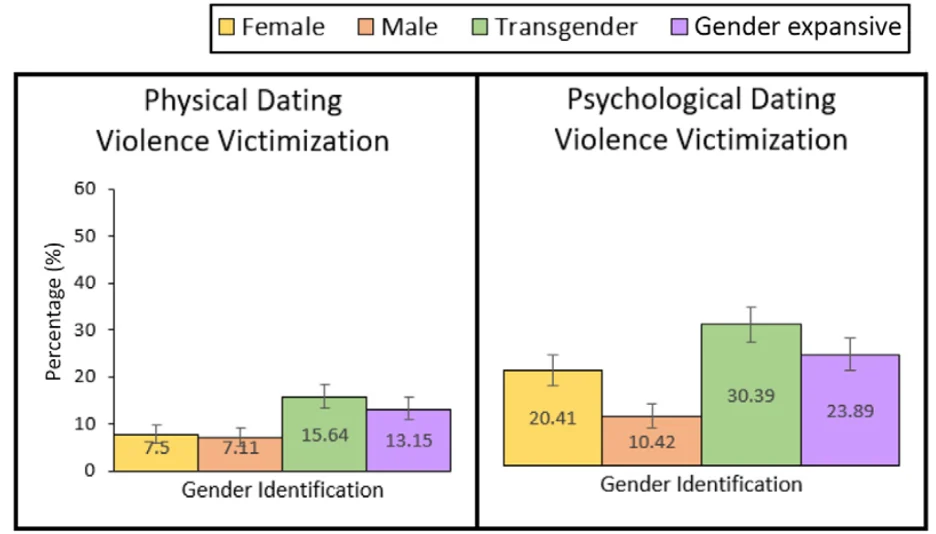
In recent years, sociological inquiry has increasingly focused on the evolving landscape of human connection, dissecting phenomena such as hookup culture and the myriad modern forms of dating. However, a significant blind spot persists within much of this discourse: the often-overlooked experiences of transgender individuals. Furthermore, scholarly and public conversations frequently narrow their focus to college campuses, inadvertently sidelining the pervasive influence of dating applications across diverse age groups and demographics. This oversight creates a critical gap in understanding the full spectrum of modern romantic and sexual interactions, particularly for a community that faces unique vulnerabilities and systemic marginalization.
The Unacknowledged Peril: Violence and Discrimination in Trans Dating
The imperative to center trans experiences in dating research is underscored by alarming statistics concerning violence and discrimination. A pivotal 2021 study revealed that trans youth are twice as likely as cisgender women to have experienced physical dating violence. The psychological toll is equally severe, with trans youth found to be fifty percent more likely to have endured psychological dating violence. These figures starkly illustrate a pervasive environment of heightened risk that disproportionately impacts young trans individuals as they navigate early romantic relationships. This is not an isolated phenomenon but rather a reflection of broader societal prejudices that seep into interpersonal dynamics.
Further research, such as a 2023 study, has shed light on common qualitative experiences faced by trans individuals in dating contexts. Most notably, participants frequently reported being fetishized and having to contend with deeply ingrained assumptions about their gender identity and sexuality. One trans woman recounted, “Because I’m a trans woman, people instantly assume that I must be this massive bottom.” Similarly, a trans man described feeling profoundly misunderstood, stating, “I just felt like they weren’t talking to me. They were talking to an idea they had about me.” These narratives highlight a dehumanizing trend where trans individuals are often reduced to preconceived notions or sexual stereotypes rather than being seen and appreciated for their full identities. This objectification not only hinders genuine connection but also fosters an environment ripe for emotional and psychological harm.
The Digital Dilemma: Disclosure and Safety on Dating Platforms
The advent and widespread adoption of dating applications have fundamentally reshaped how individuals meet and connect, yet for trans people, these platforms introduce a complex layer of risk and strategic navigation. Research into trans people’s decisions regarding the disclosure of their trans identity to prospective partners on dating apps reveals a nuanced and often fraught process. A majority of participants proactively and explicitly disclosed their identity, primarily citing grave concerns about potential violence. The fear of physical harm is a palpable reality, particularly for those in less accepting environments. One genderfluid participant living in a rural area articulated this constant anxiety, noting that when meeting someone face-to-face from a dating app, they always considered, “that person could be the person that kills me.”
This stark reality forces many trans individuals to prioritize safety over immediate connection, engaging in a form of risk assessment before even the first date. However, not all trans individuals opt for explicit disclosure. Others employ "softer" disclosure methods, strategically showcasing different facets of their identity on apps that permit multiple profile pictures or detailed bios. This could involve subtly including pride flags, mentioning community involvement, or presenting an aesthetic that signals their identity without directly stating "transgender." These methods represent a delicate balance, an attempt to signal identity to those who understand and accept, while potentially mitigating direct confrontation or rejection from those who do not. The necessity of such strategies underscores the precarious position trans people occupy in the online dating sphere, where the quest for intimacy is inextricably linked with personal safety.
Intersectional Vulnerabilities: Who Bears the Heaviest Burden?
Within the trans community itself, vulnerabilities are not uniformly distributed. Intersectionality plays a critical role in shaping dating experiences and exposure to violence. A 2021 study highlighted that individuals identifying as Black, Indigenous, and People of Color (BIPOC), queer, and transfeminine are disproportionately more likely to have experienced dating violence. This finding is crucial, illustrating how systemic racism, homophobia, and transphobia converge to create compounded layers of risk for those at the intersections of these marginalized identities.
Further amplifying this understanding, a 2022 study specifically investigated the dating experiences of BIPOC trans women. This research revealed a particularly distressing pattern: cisgender male partners of BIPOC trans women would frequently conceal their relationships from public view, often due to societal stigma and fear of judgment. The consequences of this forced secrecy were severe, ranging from physical violence to profound psychological trauma. One woman poignantiy articulated the ultimate fear: “We getting killed just because of the guys here were scared that they secret would come out.” This statement speaks volumes about the deadly intersection of transphobia and societal pressures on cisgender men regarding their perceived masculinity and sexual orientation.
To navigate such dangerous environments, BIPOC trans women reported engaging in various “survival strategies.” These included hypervigilance in social settings, carefully curating their appearance to avoid being “found out” as transgender, and actively avoiding certain men known to be hostile or dangerous. These strategies, while necessary for personal safety, impose an immense psychological burden, leading to chronic stress, anxiety, and a diminished capacity for authentic self-expression and connection. The constant need for self-preservation fundamentally alters the dating experience, transforming what should be a journey of mutual discovery into a minefield of potential threats.
The Evolution of Understanding: A Timeline of Research and Advocacy
The sociological focus on trans experiences in dating is a relatively recent, though rapidly expanding, field. For decades, mainstream research into dating and relationships largely centered on cisgender, heterosexual experiences, creating a significant lacuna in academic understanding of LGBTQ+ dynamics, and particularly trans realities.
- Pre-2010s: Limited academic focus on trans dating, often relegated to niche queer studies, with little intersectional analysis. Sociological studies on "hookup culture" emerge, but primarily centered on cisgender college populations.
- Early 2010s: Increased visibility of trans issues in media and public discourse begins to spur more specific research. The rise of dating apps prompts broader studies on online dating’s impact, but trans users remain largely unaddressed.
- Mid-2010s: Initial qualitative studies begin to surface, detailing general challenges faced by trans individuals in dating, including misgendering, fetishization, and safety concerns.
- 2020-2023: A critical period of accelerated research.
- 2020: Studies begin to highlight the specific vulnerabilities of trans youth and the complexities of identity disclosure on dating apps.
- 2021: Landmark studies emerge, quantifying the rates of physical and psychological dating violence against trans youth, and identifying intersectional vulnerabilities among BIPOC, queer, and transfeminine individuals.
- 2022: Research further dissects the unique challenges faced by BIPOC trans women, focusing on concealed relationships and their devastating consequences.
- 2023: Studies continue to refine the understanding of common experiences like fetishization and assumptions, providing more nuanced qualitative data.
This chronology reflects a growing academic and public recognition that trans dating experiences are distinct, complex, and urgently require dedicated attention. It also mirrors the broader societal shift in understanding gender identity, albeit a shift often met with significant backlash and legislative challenges.
Pathways to a Safer Future: Proposed Remedies and Systemic Change
The authors of these critical studies, alongside trans advocates and community leaders, propose several interconnected remedies to address the pervasive problems faced by trans individuals in dating. These solutions span educational reform, technological improvements, and legal protections.
First and foremost is the call for comprehensive, trans-inclusive education. This encompasses integrating trans-affirming content into school curricula, updating sex education to be inclusive of diverse gender identities and sexual orientations, and implementing specialized violence prevention training. Such educational initiatives have been demonstrably shown to increase comfort levels for both trans individuals and their cisgender partners, fostering greater understanding, empathy, and safer interactions. Education is not merely about knowledge dissemination but about cultural transformation, challenging deeply ingrained prejudices and fostering environments of respect.
Second, there is a clear demand for dating app companies to implement better filtering options. As one participant in a study articulated, "The majority of the interactions I have with cis men on dating apps are just s**t, full stop . . . can I have less of them pop up?" This highlights a critical need for platforms to empower users with more granular control over who they encounter. Enhanced filtering could allow trans users to avoid profiles that explicitly express transphobic sentiments, or to filter out individuals who have historically contributed to negative or harmful interactions. Dating apps, as powerful intermediaries in modern romance, bear a significant responsibility to create safer and more equitable digital spaces for all their users, moving beyond superficial gender options to truly address the safety and well-being of their most vulnerable populations. This could also include more robust reporting mechanisms and swift action against users who engage in harassment or discrimination.
Finally, a crucial legal reform recommended by some study authors is the prohibition of "trans panic defenses." A "trans panic defense" is a legal strategy that attempts to justify violent crimes, including murder, by claiming that the perpetrator experienced a temporary loss of control or mental breakdown upon discovering their victim was transgender. This defense, rooted in transphobia and homophobia, essentially blames the victim for the perpetrator’s violence. As of late 2023, while several U.S. states have banned this defense, it remains permissible in many others. Eliminating such defenses is a fundamental step towards recognizing the full humanity and inherent right to safety of trans individuals under the law, ensuring that perpetrators of anti-trans violence cannot legally escape accountability.
Broader Implications and the Road Ahead
The challenges faced by trans individuals in dating are not isolated incidents but are deeply intertwined with broader societal dynamics. As trans people continue to achieve new levels of visibility in media, politics, and culture, they simultaneously find themselves under fire in unprecedented ways, facing a surge of anti-trans legislation across numerous countries. This paradox of visibility—where increased representation is met with heightened scrutiny and violence—exacerbates the difficulties of navigating personal relationships.
The research unequivocally demonstrates that for trans individuals, the pursuit of romantic and sexual partners is often fraught with anxiety, fear, and the necessity of elaborate survival strategies. This constant state of vigilance takes a profound toll on mental health, contributing to higher rates of depression, anxiety, and trauma within the trans community. It also impacts their ability to form healthy, trusting relationships, hindering their fundamental human need for connection and intimacy.
Ultimately, the findings from social science research compel a collective responsibility to actively work towards a safer and less anxious future for trans people. This requires a multi-pronged approach: fostering empathy and understanding through education, holding technological platforms accountable for user safety, and enacting robust legal protections that affirm the dignity and rights of all individuals, regardless of gender identity. Only through such comprehensive efforts can society hope to create a world where trans individuals can pursue love, intimacy, and connection without fear for their lives or their well-being. The journey towards truly inclusive romance is a crucial battleground in the broader fight for trans equality and human rights.