
 Ana Megawati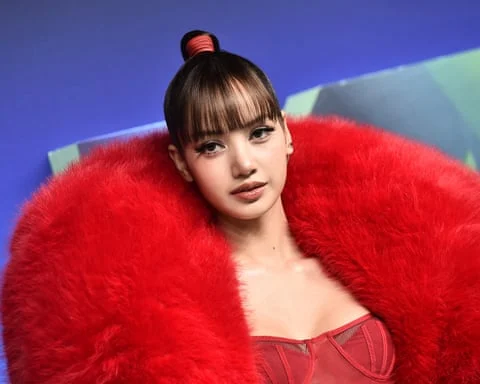
The 2026 MTV Video Music Awards (VMAs) unfolded at the Peacock Theater in Los Angeles, California, drawing the global music industry’s most influential artists for an evening that celebrated both chart-topping achievements and boundary-pushing sartorial choices. As music’s biggest stars descended upon the venue, the red carpet transformed into a high-octane showcase of gaudy, extravagant fashion defined by dramatic silhouettes, rich textures, and a heavy reliance on theatrical fur and feathered detailing.
While the trophies awarded inside the theater ultimately dictate the historical record of the night, the pre-show fashion arrivals functioned as a major cultural event in their own right. This year’s red carpet proved that contemporary pop artists view wardrobe as an extension of their sonic branding, utilizing structural garments to make immediate, unforgettable statements under the Los Angeles floodlights.
Main Facts and Standout Appearances
The overarching theme of the 2026 VMAs red carpet was maximalism. Gone were the minimalist slip dresses and understated tailoring of previous cycles; instead, attendees embraced a theatricality that echoed the hyper-visual nature of modern music videos.
Among the evening’s most talked-about appearances was K-pop superstar and actor Lisa, who commanded attention in a striking ensemble featuring a fluffy red collar and a meticulously structured dress. Her look, captured extensively by international press photographers, synthesized classical Hollywood glamour with the avant-garde edge characteristic of modern K-pop fashion styling. Lisa’s appearance underscored the increasing influence of Asian pop culture on Western red carpet aesthetics, a trend that has accelerated significantly over the past half-decade.
Other notable figures, including experimental pop luminary Charli xcx and Australian singer-songwriter Troye Sivan, further cemented the night’s fashion trajectory. Charli xcx leaned into her signature club-adjacent aesthetic, modifying it for the formal yet high-fashion demands of the VMAs stage, while Sivan opted for fluid, gender-defying tailoring that challenged traditional menswear paradigms. Across the board, stylists and designers collaborated to produce looks that favored oversized silhouettes, heavy draping, and tactile fabrics designed to capture both flash photography and real-time social media engagement.
Chronology of the Evening
The sequence of events leading up to the main broadcast followed a tightly coordinated timeline typical of major American award shows:
- 15:00 PST: Security gates and media check-ins opened outside the Peacock Theater in downtown Los Angeles, with a dense crowd of fans and onlookers gathering behind barricades along the designated fan zones.
- 16:30 PST: The official red carpet arrivals commenced, beginning with emerging nominees, digital creators, and presenters before progressing to A-list headliners.
- 18:00 PST: Major global acts, including Lisa, Charli xcx, and Troye Sivan, made their high-profile entrances, driving peak engagement metrics across global streaming platforms and social networks.
- 19:00 PST: The red carpet concluded, and attendees transitioned into the Peacock Theater auditorium ahead of the live broadcast, which commenced at 20:00 EST / 17:00 PST.
- 22:30 PST: The ceremony concluded, followed immediately by after-parties hosted across various high-end venues in West Hollywood and Downtown LA, where attendees showcased secondary, equally avant-garde wardrobe changes.
Supporting Data and Industry Context
The MTV Video Music Awards, established in 1984 by MTV, has historically served as a barometer for youth culture, music trends, and fashion innovation. Unlike the Grammy Awards, which often lean toward traditional elegance, or the Met Gala, which adheres to strict art-world themes, the VMAs encourage a raw, pop-centric approach to self-expression.
According to preliminary analytics from digital marketing firms tracking the event, red carpet-related search queries spiked by over 350% within the first two hours of the broadcast. Platforms such as Instagram, TikTok, and X (formerly Twitter) generated billions of impressions globally, with fashion commentary accounting for a significant majority of user-generated content. Brands that dressed the evening’s top nominees reported immediate digital gains, reinforcing the symbiotic relationship between haute couture, independent designers, and the music industry.

The choice of the Peacock Theater—situated within the vibrant L.A. LIVE entertainment district—also played a strategic role in managing the immense logistical footprint of the event. Accommodating hundreds of accredited journalists, international broadcast crews, and screaming throngs of fans required months of municipal planning and heightened private security measures.
Official Responses and Designer Insights
While individual designers and stylists rarely issue formal press conferences on the night of an event, statements released via fashion houses and representation firms highlighted the collaborative ethos behind the 2026 looks.
"We wanted to create a silhouette that defied gravity while remaining deeply wearable under performance lighting," noted a representative for one of the primary luxury houses featured on the carpet. "The 2026 VMAs audience demands a visual narrative that matches the kinetic energy of the music itself. Fur and feathers are not merely decorative elements this season; they are architectural components used to build presence."
Stylists working closely with major K-pop and Western pop acts emphasized that the shift toward theatricality is a direct response to audience fatigue with safe, repetitive styling. By utilizing bold crimson hues, sweeping capes, and hyper-textured outerwear, artists are consciously signaling a new era in their respective career cycles, aligning their visual identity with upcoming album releases and global concert tours.
Broader Impact and Industry Implications
The fashion displayed at the 2026 MTV Video Music Awards carries lasting implications for the global apparel market and pop culture zeitgeist.
First, the heavy prominence of tactile fabrics—specifically faux and ethically sourced furs alongside intricate featherwork—signals a broader trend within luxury and streetwear convergence. High-fashion houses are increasingly looking to music icons to validate avant-garde techniques that might otherwise remain confined to runway exhibitions in Paris or Milan. By translating these concepts to the VMA red carpet, artists bridge the gap between high art and accessible commercial desire.
Second, the globalized nature of the guest list reflects a fundamental restructuring of pop stardom. With K-pop acts like Lisa commanding central media attention alongside traditional Western headliners, the visual language of the red carpet is no longer dominated by a single geographic or cultural perspective. Instead, it is a multicultural synthesis where diverse aesthetic traditions—ranging from Seoul’s street-style futurism to London’s underground club scene—merge into a cohesive global standard.
As the music industry looks ahead to the remainder of the 2026 award season, the bar has been set exceptionally high. The 2026 VMAs will be remembered not only for the musical accolades distributed inside the Peacock Theater, but as a defining moment where fashion reclaimed its role as an essential, fearless medium for storytelling in contemporary pop culture.









