
 Johny Marice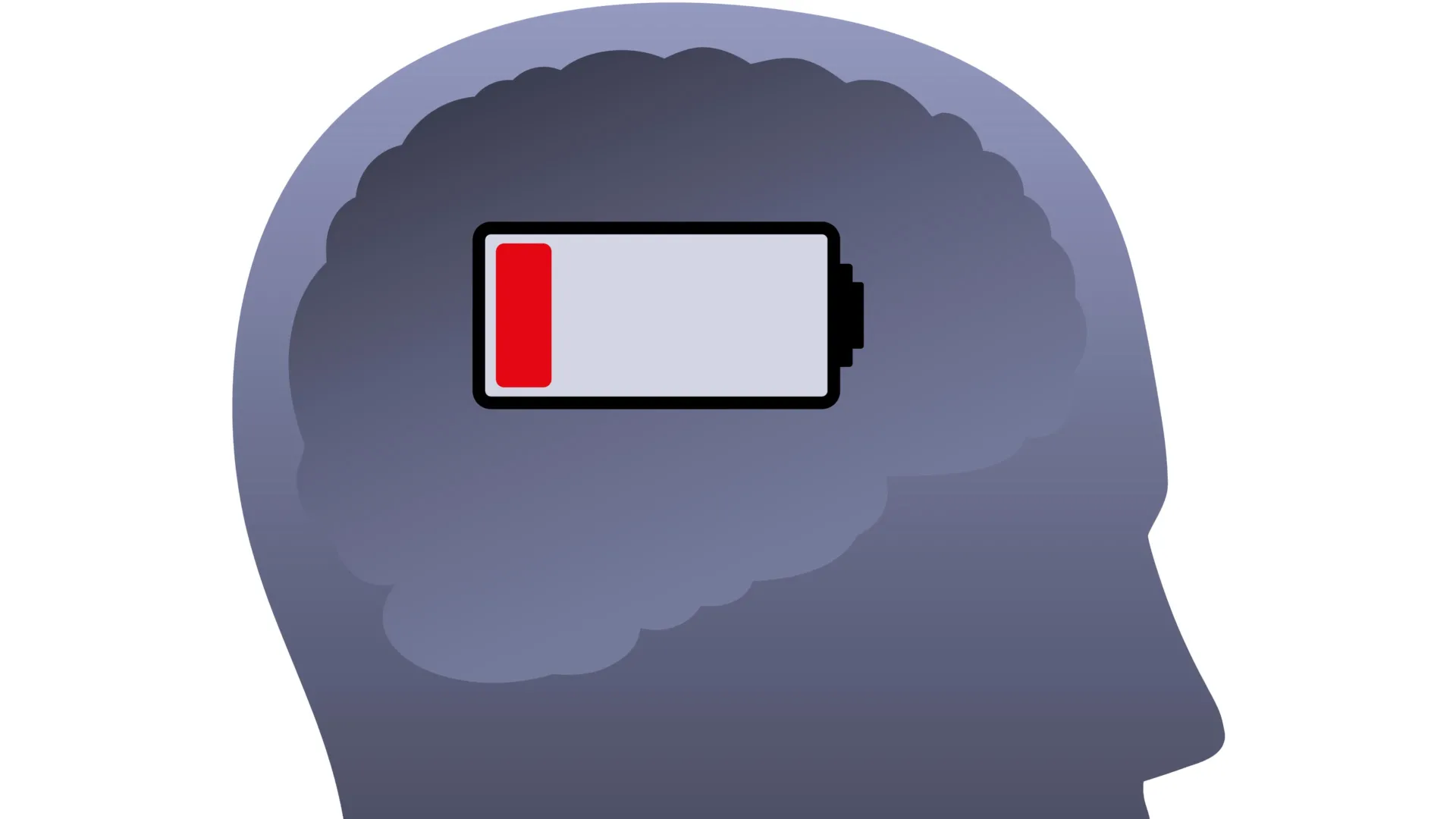
The human brain is a biological powerhouse that consumes approximately 20% of the body’s total oxygen and glucose despite accounting for only 2% of total body mass. This disproportionate demand necessitates a highly sophisticated, real-time energy management system. While scientists have long understood that the brain modulates its resource allocation based on conscious activity, the mechanisms governing its internal energy budget during sleep have remained elusive. New research from Tohoku University, published in the journal Communications Biology, has unveiled a startling paradox: during REM sleep—the stage associated with vivid dreaming and memory consolidation—the brain simultaneously increases its fuel supply while experiencing a depletion of its primary energy currency, adenosine triphosphate (ATP).
This discovery challenges long-held assumptions about how the brain manages metabolic homeostasis. By observing the brain in a state of high activity despite outward physical stillness, researchers have shed light on the complex energetic costs of dreaming, suggesting that the "resting" brain is, in fact, operating under a significant and unique metabolic burden.
The Paradox of Paradoxical Sleep
Rapid Eye Movement (REM) sleep has been termed "paradoxical sleep" since its formal classification in the mid-20th century. During this stage, the human body enters a state of atonia, or temporary muscle paralysis, to prevent individuals from physically acting out their dreams. However, electroencephalogram (EEG) readings reveal that the brain’s electrical activity during this time closely mirrors the high-frequency patterns observed during wakefulness.
The Tohoku University research team, led by Professor Ko Matsui and investigator Yusuke Takahashi, sought to reconcile this contradiction. They hypothesized that the fatigue often felt after an intense or long night of dreaming is not merely psychological but a reflection of a tangible metabolic deficit. If the brain is working at high capacity during REM, it must be burning through its chemical reserves at a rate that may exceed the body’s ability to replenish them instantaneously.
Methodological Innovation: Transparent Windows into the Brain
To investigate these phenomena in real time, the researchers employed a novel imaging technique. By applying a UV-curable resin to the skulls of laboratory mice, the team created a "cranial window" that remained transparent. This allowed for high-resolution, wide-field fluorescence imaging of the brain’s interior during natural sleep cycles without the interference of traditional invasive sensors that might alter the subject’s sleep quality.
The researchers tracked three key indicators:
- Brain Blood Volume: A proxy for the "fuel" supply—glucose and oxygen—being delivered to neuronal tissues.
- Neuronal ATP: The primary energy molecule used to power cellular communication and synaptic activity.
- Astrocytic Pyruvate: A critical metabolic intermediate that bridges the gap between glucose delivered by the blood and the energy metabolism required by neurons.
By monitoring these variables simultaneously, the team could create a chronological map of how the brain prepares for and executes the metabolic demands of REM sleep.
Chronology of a Metabolic Shift
The study identified a distinct, anticipatory mechanism that triggers well before the onset of REM sleep. Approximately 50 seconds before the transition from non-REM sleep to REM sleep, there is a measurable surge in brain blood volume. This vascular response begins in the posterior cortex—a region associated with sensory processing—and moves anteriorly. This suggests that the brain is not merely reacting to the state of REM, but is actively preparing its metabolic infrastructure to handle the impending spike in neural activity.
Once REM sleep is fully established, the data showed a complex divergence:
- Fuel Supply: Astrocytic pyruvate levels rise, indicating that the brain’s support cells—astrocytes—are ramping up their processing of glucose to meet the expected metabolic demand.
- Energy Consumption: In a counterintuitive finding, neuronal ATP levels decline.
This drop in ATP during the very period when the brain is supposedly receiving more fuel indicates that the metabolic cost of REM-associated processes—such as synaptic plasticity, hippocampal-cortical communication, and the organization of memory circuits—is currently outpacing the brain’s rate of ATP regeneration.
Implications for Biological Intelligence
The findings offer a profound insight into the limitations of biological computation. Unlike silicon-based computers, which are often limited by heat dissipation and power supply stability, the brain operates within a strict, biologically constrained metabolic economy. The system does not treat the brain as a monolithic entity; rather, it engages in localized resource redirection, prioritizing specific neural circuits based on the behavioral state of the organism.
"Understanding how the brain balances energy supply and consumption may help explain what makes biological intelligence so efficient," said lead investigator Yusuke Takahashi. "REM sleep gives us a natural example of how the brain reorganizes its energy economy to support complex internal processing."
The efficiency of the brain lies not in its ability to provide limitless power, but in its strategic rationing of energy. During REM sleep, the brain appears to prioritize the consolidation of information over the immediate replenishment of energy reserves. This suggests that the "tiredness" associated with REM is a feature, not a bug—it is the signature of a system that has successfully prioritized memory storage at the expense of its immediate chemical inventory.
Clinical and Broader Scientific Significance
This research carries significant weight for fields ranging from sleep medicine to neurology. Chronic sleep deprivation is known to lead to cognitive decline, and this study provides a mechanical explanation for why interrupted or poor-quality REM sleep is particularly damaging to mental performance. If the brain is unable to complete the metabolic cycle of energy expenditure and replenishment during REM, the neural circuits responsible for memory and emotional regulation may not be fully "reset" for the following day.
Furthermore, the study provides a new lens through which to view neurodegenerative diseases. Conditions like Alzheimer’s are often characterized by disruptions in metabolic processing and synaptic health. If the brain’s ability to manage its "energy budget" is compromised, the accumulation of toxic proteins or the failure of synaptic repair may be linked to this fundamental metabolic imbalance.
The Tohoku University study serves as a critical reminder that sleep is an active, resource-intensive process. As scientists continue to map the metabolic shifts between different stages of consciousness, the evidence grows that the brain’s energy economy is as vital to cognitive function as the electrical signals themselves. The identification of the REM sleep metabolic paradox offers a roadmap for future research, potentially leading to therapies that could optimize sleep quality or mitigate the effects of sleep-related metabolic dysfunction in humans. By decoding the brain’s internal ledger, researchers are moving closer to understanding the essential, energetic cost of the dreaming mind.









