Layla Zulfa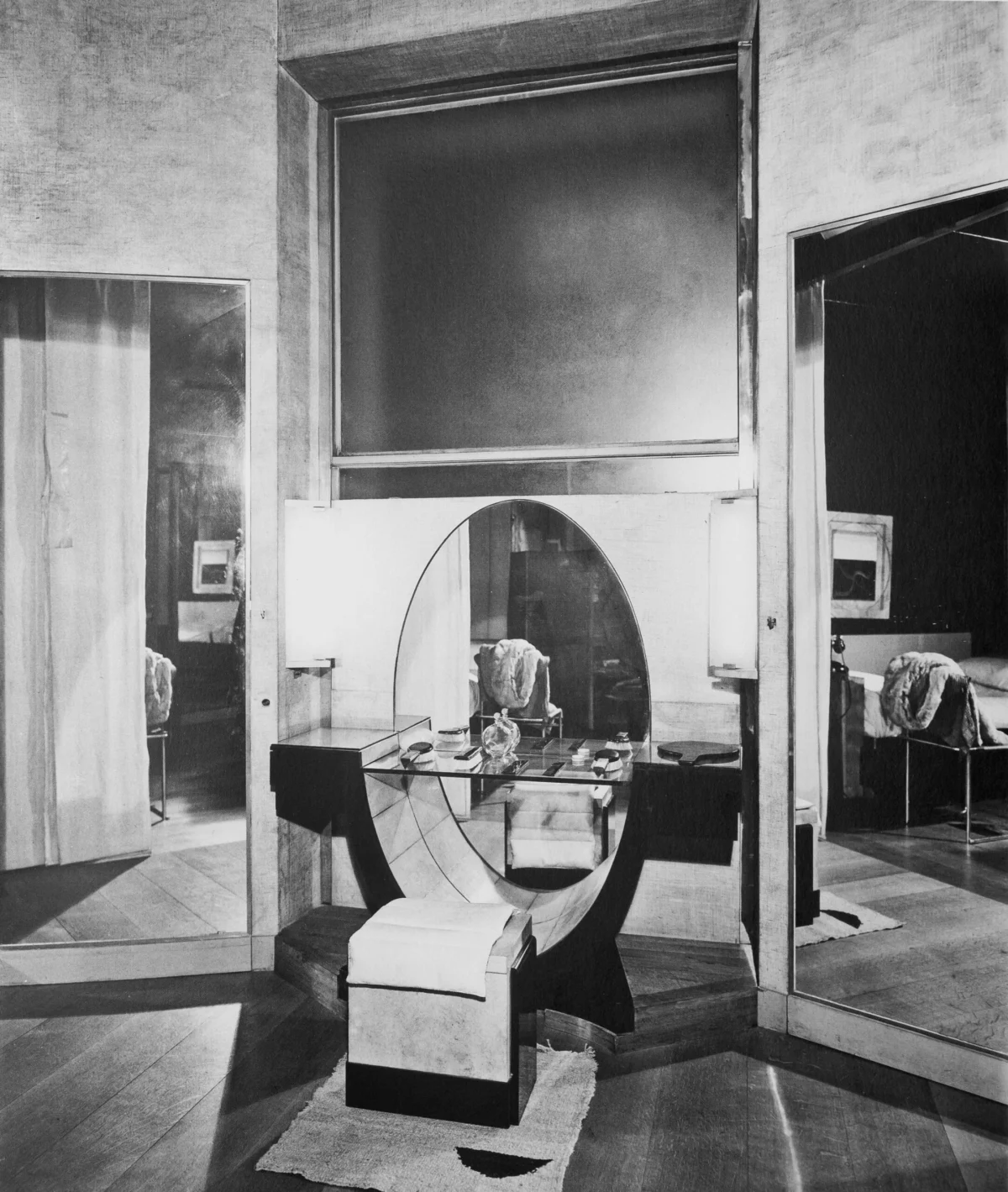
The intersection of heritage and contemporary luxury has found a new focal point as Louis Vuitton unveils its latest additions to the Objets Nomades collection, drawing heavily from the archives of Art Deco pioneer Pierre Legrain. This strategic move by the French maison signifies a profound reconnection with the vision of Gaston-Louis Vuitton, the third generation of the founding family, who steered the brand through the transformative aesthetic shifts of the early 20th century. By reimagining furniture and textiles first conceived over a century ago, Louis Vuitton is not merely releasing products but is reinforcing its position as a steward of design history.
The Historical Genesis: Gaston-Louis Vuitton and the Art Deco Movement
To understand the significance of the current collection, one must look back to the early 1920s, a period when the world was emerging from the shadows of the Great War and seeking a new, modern visual language. Gaston-Louis Vuitton, an avid collector and visionary designer, was deeply immersed in the burgeoning Art Deco movement. Unlike the ornate flourishes of Art Nouveau, Art Deco emphasized geometric precision, bold colors, and an unapologetic embrace of modern materials—a philosophy that mirrored the functional elegance of Louis Vuitton’s world-renowned travel trunks.

In 1910, Pierre Legrain began his association with the brand through delicate linework and illustrations intended for advertisements. Legrain was a polymath of the decorative arts; he was an illustrator, a designer, and perhaps most famously, a revolutionary bookbinder. His ability to distill complex architectural forms into two-dimensional patterns caught the eye of Gaston-Louis, leading to a landmark commission in 1921.
At Vuitton’s request, Legrain designed the label’s first dedicated furniture edition: a lacquered wood dressing table. This piece made its public debut at the Salon des Artistes Décorateurs in Paris in 1921, a premier venue for the era’s design vanguard. The table was not just a piece of furniture; it was a manifesto of the new French style. It was eventually acquired by the noted arts patron Jeanne Tachard, cementing its status as a masterpiece of the period.
Pierre Legrain: A Legacy of Bespoke Modernity
Pierre Legrain’s contribution to the decorative arts extended far beyond furniture. He is credited with modernizing the art of bookbinding, moving away from traditional motifs to create bespoke covers that were abstract reflections of the literature they contained. Throughout his career, he produced over 1,000 unique book jackets, many for the legendary fashion designer and collector Jacques Doucet.

It is this vast graphic archive that forms the backbone of Louis Vuitton’s expanded Objets Nomades textile and accessory line. Legrain’s visual language—characterized by a sophisticated play of contrast, rhythm, and material—provided a wealth of inspiration for the brand’s contemporary creative teams. Nathalie Fremon, Louis Vuitton’s Senior Vice President of Architecture and Home Collections, notes that the originality of Legrain’s colors and graphics was so advanced for its time that it remains strikingly relevant in a modern context.
The 2024 Expansion: From Archive to Interior
The new offerings, recently showcased at Salone del Mobile in Milan, represent a meticulous translation of Legrain’s 1920s sensibilities into 21st-century luxury. The collection features both direct reinterpretations of archival pieces and new designs that utilize Legrain’s patterns as a conceptual foundation.
The Celeste Coiffeuse
The centerpiece of the revival is the Celeste Coiffeuse, a contemporary evolution of the 1921 dressing table. While the original utilized lacquer and wood to achieve its striking red-and-black aesthetic, the new version is expertly wrapped in leather, showcasing the brand’s evolution in leathercraft. The piece retains the original’s daring proportions and geometric silhouette but introduces a tactile softness that aligns with modern interior preferences.

The Riviera Chilienne
Another archival resurrection is the Riviera Chilienne, an oak folding chair inspired by African art—a major influence on the Art Deco movement. The updated version features intricate mother-of-pearl inlays, adding a layer of luminescence and opulence to the sturdy oak frame. This piece exemplifies the "Nomadic" spirit of the collection, designed for portability without sacrificing the gravitas of fine furniture.
Textiles and Accessories
The influence of Legrain’s bookbinding is most evident in the new range of pillows, throws, and folding screens. The "Metropolis" textile, for instance, replicates the architectural motifs found on early 20th-century bindings. These patterns are brought to life through advanced weaving and tufting techniques. Hand-tufted carpets in the collection utilize a blend of silk, wool, and bamboo to replicate Legrain’s collage-like designs. Fremon describes the production process as "carpet marquetry," highlighting the precision required to align different textures and fibers to match the artist’s original vision.
Chronology of the Louis Vuitton and Pierre Legrain Partnership
- 1910: Pierre Legrain begins collaborating with Louis Vuitton on advertising illustrations, establishing a shared aesthetic baseline.
- 1917-1919: Legrain begins his transformative work for Jacques Doucet, revolutionizing bookbinding with Art Deco principles.
- 1921: Gaston-Louis Vuitton commissions Legrain to create the brand’s first furniture piece, a lacquered dressing table, for the Salon des Artistes Décorateurs.
- 1925: The Exposition Internationale des Arts Décoratifs et Industriels Modernes in Paris solidifies the Art Deco style globally; Louis Vuitton’s influence is at its zenith.
- 2012: Louis Vuitton launches the Objets Nomades collection, partnering with contemporary designers to create travel-inspired furniture.
- 2020-2024: Amidst the 100th anniversary of the Art Deco movement’s peak, Louis Vuitton pivots toward its archives to integrate Legrain’s work into the permanent Objets Nomades catalog.
Technical Craftsmanship and Savoir-Faire
The production of the Legrain-inspired collection serves as a showcase for Louis Vuitton’s "savoir-faire." The brand has utilized its specialized workshops to push the boundaries of material application. The use of exotic woods such as palm and ebony—staples of the original Art Deco period—requires specialized seasoning and cutting techniques to ensure longevity in various climates.

Furthermore, the integration of mother-of-pearl into oak requires a high degree of precision in marquetry. Each piece of shell must be hand-cut and fitted into recessed grooves in the wood, a process that can take dozens of hours for a single chair. This dedication to labor-intensive craftsmanship is a strategic move by Louis Vuitton to differentiate its home collections from mass-market luxury competitors, emphasizing the "art" in decorative arts.
Market Context: The Resurgence of Art Deco
The decision to lean into Art Deco heritage comes at a time of significant resurgence for the style. Interior design trends over the last five years have moved away from the stark minimalism of the 2010s toward "maximalist" and "heritage-driven" aesthetics. The 100th anniversary of the 1925 Paris Exposition has further fueled consumer interest in the era’s sophisticated blend of industrial progress and artisanal luxury.
Industry analysts suggest that the luxury home goods market is experiencing a shift. High-net-worth individuals are increasingly looking for pieces that offer historical narrative and investment value. By tying the Objets Nomades collection to Pierre Legrain, Louis Vuitton provides a provenance that spans a century, appealing to collectors who view furniture as functional art.

Institutional and Official Reactions
While the brand remains focused on the commercial release, the design community has noted the importance of this archival work. Nathalie Fremon emphasizes that the brand is "always trying to understand the roots we sit on." This sentiment is echoed by curators and historians who see the Objets Nomades expansion as a vital link in the chain of French decorative history.
Observers at the Salone del Mobile noted that the collection successfully bridges the gap between the "pure product" and "exceptional craftsmanship." The feedback from the Milan showcase indicated a strong demand for pieces that convey a sense of permanence. In an era of rapid fashion cycles, the timelessness of Art Deco provides a stabilizing influence on the brand’s home identity.
Broader Implications for the Louis Vuitton Brand
The revival of Pierre Legrain’s work is more than a nostalgic exercise; it is a strategic alignment of the brand’s past with its future. As Louis Vuitton continues to expand into a full "lifestyle" brand—encompassing hospitality, fine dining, and high-end interiors—establishing a credible and deep-seated design heritage is essential.

By celebrating the collaboration between Gaston-Louis Vuitton and Pierre Legrain, the company reinforces the idea that Louis Vuitton has always been a patron of the arts, not just a manufacturer of goods. This narrative is crucial for maintaining brand prestige in an increasingly crowded luxury market. The collection proves that the "Nomadic" philosophy of the brand is not just about physical travel, but about the journey of ideas across time, ensuring that the avant-garde visions of 1921 remain the height of sophistication in 2024 and beyond.