Nila Kartika Wati
The landscape of online shopping is undergoing a seismic shift as tech giants Google and Amazon, pioneers in digital information access, roll out significant upgrades to their search functionalities, leveraging the transformative power of Large Language Models (LLMs). These advancements promise to fundamentally alter how consumers discover, research, and ultimately purchase products, with profound implications for the retail sector, particularly for fashion brands and e-commerce platforms. Google’s announcement, which its CEO Sundar Pichai described as the "biggest upgrade in over 25 years" to its search interface, and Amazon’s parallel introduction of AI-driven shopping experiences, mark a critical inflection point in the evolution of online commerce.
The core of these new search experiences lies in the integration of LLMs, sophisticated AI models capable of understanding and generating human-like text. Unlike traditional keyword-based searches, which often require users to meticulously craft queries to elicit relevant results, LLM-powered search aims to understand natural language, intent, and context. This means shoppers can ask more conversational questions, such as "What are the best sustainable sneakers for running in the rain under $150?" or "Show me a formal dress suitable for a summer wedding in Italy with a vintage feel," and receive comprehensive, synthesized answers rather than a list of links.
A New Dawn for Search: From Keywords to Conversations
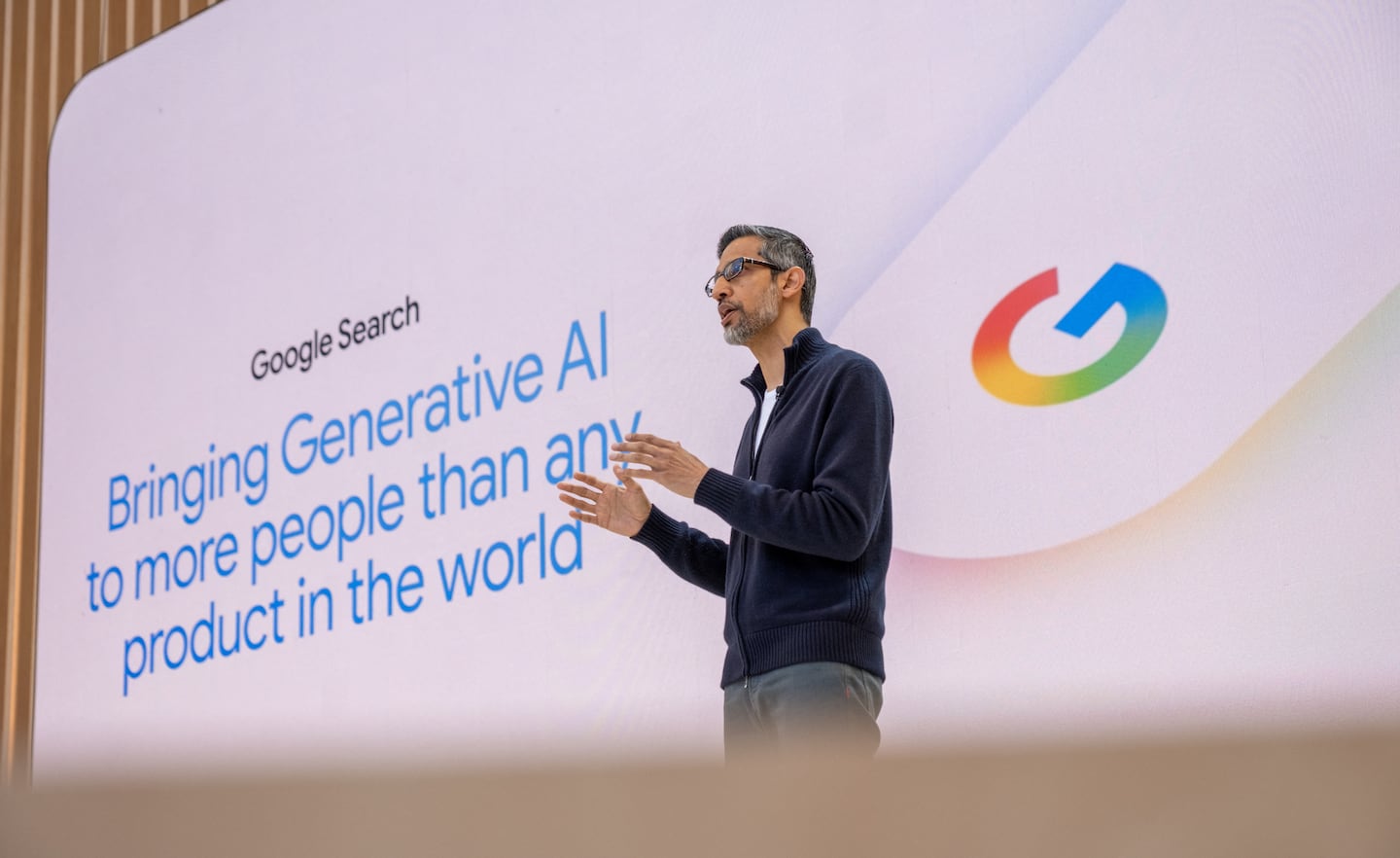
For decades, online search has operated on a relatively static paradigm: users type in keywords, and search engines return a ranked list of web pages deemed most relevant. While algorithms have become increasingly sophisticated in understanding user intent and ranking results, the fundamental interaction has remained largely the same. Google’s recent overhaul, unveiled at its annual I/O developer conference in May 2023, introduces "Search Generative Experience" (SGE). SGE embeds AI-powered conversational capabilities directly into the search results page. When a user performs a query, SGE can generate a snapshot at the top of the results page, offering a synthesized answer derived from multiple sources, along with follow-up questions to refine the search. This marks a departure from simply providing links to information, moving towards an AI-generated summary that anticipates further user needs.
The implications for e-commerce are vast. Instead of navigating through multiple product pages and reviews to gather information, consumers can potentially receive a consolidated overview, including product comparisons, pros and cons, and even direct purchase recommendations, all within the initial search interface. For the fashion industry, this could translate into a more efficient and engaging discovery process. Imagine a user searching for "outfit ideas for a business casual conference in autumn." An LLM-powered search could not only suggest specific garments like blazers, trousers, and blouses but also provide curated outfit combinations, link to relevant retailers, and even offer styling tips based on current trends.
Amazon, the undisputed behemoth of e-commerce, is also making substantial investments in AI-driven search. While specific details of their LLM integration are still emerging, reports suggest a focus on enhancing product discovery and personalization. Amazon’s existing recommendation engine, already a powerful tool for driving sales, is likely to be augmented by LLMs capable of understanding more nuanced customer preferences and providing more tailored product suggestions. This could involve AI assistants that can guide shoppers through complex purchasing decisions, much like a knowledgeable salesperson in a physical store. For instance, a user looking for a new handbag might be asked about their preferred style, occasion, material, and budget, with the AI then curating a selection that perfectly matches their criteria.
Timeline of Innovation and Integration
The journey towards AI-powered search has been a gradual but accelerating one. The underlying technologies for LLMs have been developing for years, with significant breakthroughs in natural language processing and deep learning occurring in the late 2010s and early 2020s.
- Early 2020s: Advancements in transformer architectures and the availability of massive datasets fuel the development of increasingly powerful LLMs like GPT-3.
- Late 2022 – Early 2023: Public access to generative AI tools like ChatGPT sparks widespread awareness and demand for AI integration across various digital platforms.
- February 2023: Microsoft, a major investor in OpenAI, begins integrating ChatGPT-like features into its Bing search engine, challenging Google’s long-standing dominance.
- May 2023: Google announces its "Search Generative Experience" (SGE) at its I/O conference, showcasing a significant leap in its search capabilities.
- Ongoing (2023-2024): Both Google and Amazon continue to refine and expand their AI-driven search features, with gradual rollout and testing phases. Retailers are actively exploring how to adapt their online presence and marketing strategies to this evolving search paradigm.
Supporting Data and Market Context
The push towards AI in search is not merely a technological fad; it is a strategic response to evolving consumer behavior and market dynamics. E-commerce sales have seen consistent growth globally. According to Statista, global retail e-commerce sales were projected to reach $6.3 trillion in 2023, a substantial increase from previous years. However, with this growth comes increased competition and the challenge of cutting through the digital noise.
A recent survey by Lumen Research found that attention spans online are shrinking, with the average user spending only a few seconds on a webpage before deciding whether to stay or leave. This underscores the need for search experiences that can quickly and effectively deliver valuable information. LLM-powered search has the potential to address this by providing concise summaries and direct answers, thereby reducing the cognitive load on the user and improving engagement.
Furthermore, the increasing complexity of product offerings and the desire for personalized recommendations create fertile ground for AI. For example, the ethical and sustainable fashion market is booming, with consumers actively seeking brands that align with their values. An AI-powered search can help them navigate this complex space by filtering products based on certifications, materials, and brand ethics. Data from the Good On You app, which rates fashion brands on sustainability, highlights the growing consumer interest in such information.
Official Responses and Industry Reactions
The announcements from Google and Amazon have sent ripples throughout the tech and retail industries. Industry analysts anticipate a significant impact on how brands approach search engine optimization (SEO) and online advertising.
Google’s perspective: Sundar Pichai, CEO of Google, emphasized the company’s commitment to evolving search to meet user needs. "We are fundamentally rethinking search to help you get more done," he stated during the I/O conference. The aim is to move from a search engine that helps you find information to an engine that helps you use information. This suggests a future where Google acts more as an intelligent assistant, guiding users through complex tasks, including shopping.
Amazon’s perspective: While Amazon has been more discreet about its LLM integration plans, its CEO Andy Jassy has consistently highlighted the company’s focus on innovation and customer experience. Amazon’s vast customer data and existing AI infrastructure position it to leverage LLMs for highly personalized shopping journeys. Their approach is likely to be more deeply integrated into the transactional aspects of e-commerce, aiming to streamline the path from discovery to purchase.
Broader Impact and Implications for Fashion Retail
The integration of LLMs into search has far-reaching implications for the fashion industry:
- Enhanced Product Discovery: Consumers can move beyond generic keywords to more descriptive and nuanced queries, leading to more precise product discovery. This could benefit niche brands and those offering specialized products.
- Personalized Shopping Experiences: LLMs can power highly personalized recommendations, understanding individual style preferences, body types, and occasion needs. This could lead to increased conversion rates and customer loyalty.
- Shift in SEO Strategies: Traditional SEO, heavily reliant on keyword density and backlinks, may need to adapt. The focus could shift towards providing high-quality, contextually rich content that LLMs can easily interpret and summarize. Brands might need to optimize for "answerability" rather than just "rankability."
- New Advertising Opportunities: The conversational nature of LLM search could open up new avenues for targeted advertising. Brands might be able to engage with consumers at different stages of their decision-making process with more relevant and contextualized ads.
- Increased Competition for Attention: While LLMs can surface relevant products, they also have the potential to consolidate search results, meaning fewer brands might appear prominently. This could intensify competition for top spots in AI-generated summaries.
- Data Privacy and Transparency Concerns: The reliance on user data for personalization raises important questions about data privacy and transparency. Consumers will likely demand greater control over how their information is used.
- The Rise of AI Shopping Assistants: Dedicated AI shopping assistants, powered by LLMs, could become commonplace, acting as virtual stylists and personal shoppers. This could empower consumers but also necessitate a new approach to customer service and brand engagement.
For fashion retailers, adapting to this new paradigm is crucial. This includes:
- Investing in Rich Content: Creating detailed product descriptions, high-quality imagery and video, and informative content that answers potential customer questions comprehensively.
- Focusing on User Experience: Ensuring websites are mobile-friendly, load quickly, and offer intuitive navigation, as these factors will still be important for direct traffic and brand loyalty.
- Embracing Conversational Commerce: Exploring opportunities to integrate AI chatbots and virtual assistants into their own platforms to mimic the personalized experience offered by major search engines.
- Understanding LLM Behavior: Monitoring how LLMs interpret and present fashion-related queries to inform content creation and marketing strategies.
- Prioritizing Brand Storytelling: In an era of AI-driven summaries, authentic brand narratives and values will become even more critical in capturing consumer attention and building lasting relationships.
In conclusion, the integration of LLMs into Google and Amazon’s search engines represents a monumental shift in online retail. It promises a more intuitive, personalized, and efficient shopping experience for consumers, while simultaneously presenting significant challenges and opportunities for fashion brands. Those who can adapt to this evolving digital landscape, by prioritizing rich content, user experience, and authentic brand engagement, will be best positioned to thrive in this new era of AI-powered commerce. The fashion industry, known for its adaptability and innovation, is now poised to navigate another transformative wave, driven by the intelligence of machines and the evolving expectations of the modern shopper.