Ferry Irwandi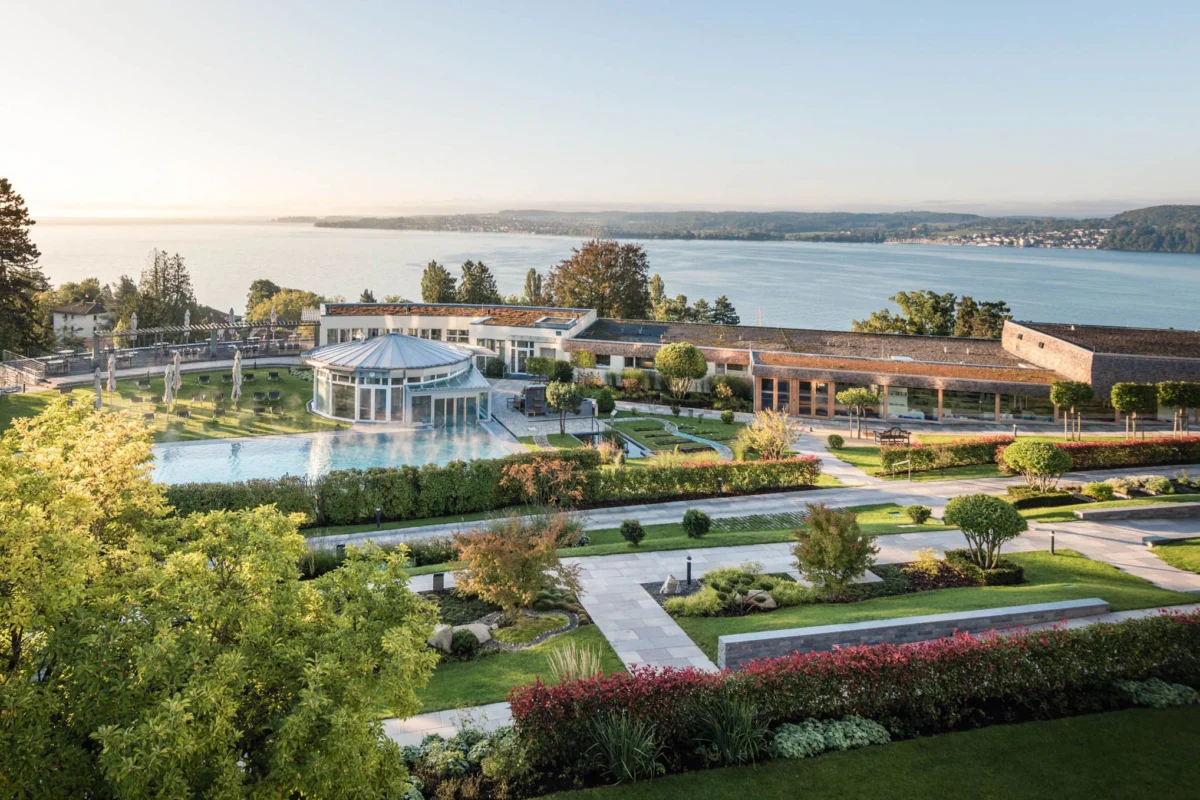
Situated on the shores of Lake Constance in Germany, the Buchinger Wilhelmi clinic has emerged as a global focal point for therapeutic fasting, blending century-old traditions with modern clinical research. Far from the popularized intermittent fasting trends or the rapid weight-loss solutions offered by modern pharmacology, the institution advocates for a comprehensive "inner recalibration" that addresses the physical, emotional, and spiritual dimensions of human health. As the wellness industry continues to expand into a multi-trillion-dollar global economy, Buchinger Wilhelmi maintains a distinctive position as a family-governed medical facility that prioritizes long-term metabolic health and psychological clarity over aesthetic results.
The Buchinger Method: A Synthesis of Science and Spirituality
The foundational philosophy of the clinic rests on the "Buchinger Method," a protocol that limits daily caloric intake to approximately 250 calories, typically delivered through organic vegetable broths and fruit juices. This regimen is designed to trigger a metabolic shift known as ketosis, where the body transitions from burning glucose to utilizing stored fat as its primary energy source. This process is accompanied by autophagy—a cellular "self-cleaning" mechanism that breaks down and recycles damaged proteins and organelles.
While the physical benefits of weight reduction and metabolic reset are documented, the clinic’s leadership emphasizes the spiritual dimension of the experience. Leonard Wilhelmi, the great-grandson of founder Otto Buchinger and current head of the business operation, notes that guests increasingly seek the clinic for its capacity to provide a "spiritual reset." According to Wilhelmi, the clarity induced by fasting often leads to profound personal epiphanies after approximately five days of abstinence. This holistic approach is rooted in what the founder termed the "nine elements of soul nourishment," which include meditation, immersion in nature, spiritual literature, communal companionship, art, music, movement, and a sense of humor.
Chronology and Historical Evolution of Therapeutic Fasting
The history of Buchinger Wilhelmi is inextricably linked to the personal health journey of its founder, Dr. Otto Buchinger. A naval doctor in the early 20th century, Buchinger’s career was nearly derailed by severe rheumatoid arthritis.

- 1919–1920: Following the failure of conventional medical treatments, Dr. Buchinger underwent a 19-day water fast under the guidance of a colleague. The subsequent resolution of his symptoms led him to dedicate his medical career to the study of fasting.
- 1935: Buchinger published The Therapeutic Fasting Cure, a seminal text that remains a cornerstone of the clinic’s methodology.
- 1953: The clinic at Überlingen on Lake Constance was established, formalizing the integration of medical supervision with spiritual and cultural activities.
- 1973: Expansion occurred with the opening of a second clinic in Marbella, Spain, broadening the institution’s international reach.
- 2010s–Present: Under the leadership of the fourth generation, including Leonard Wilhelmi and Medical Director Dr. Verena Buchinger, the clinic has expanded its scientific collaborations with major research universities.
Clinical Data and Scientific Validation
Unlike many contemporary wellness retreats, Buchinger Wilhelmi operates as a medical facility that subjects its methods to rigorous scientific scrutiny. The clinic collaborates with top-tier academic institutions, including Charité – Universitätsmedizin Berlin, to publish peer-reviewed research on the effects of long-term fasting.
In a landmark 2019 study published in the journal Scientific Reports, researchers analyzed 1,422 participants undergoing the Buchinger program. The data revealed significant improvements in blood pressure, lipid profiles, and blood sugar regulation. Furthermore, 84% of participants with pre-existing health conditions reported an improvement in their physical ailments. The study also highlighted the psychological benefits, with a majority of participants reporting increased emotional well-being and reduced fatigue.
Leonard Wilhelmi describes fasting as "the strongest non-pharmacological intervention in health." This claim is supported by the growing body of evidence surrounding autophagy, a process for which Japanese biologist Yoshinori Ohsumi was awarded the Nobel Prize in Physiology or Medicine in 2016. By inducing autophagy through controlled fasting, the Buchinger method aims to delay age-related diseases and promote cellular longevity.
Operational Philosophy and Economic Model
In an era of corporate-owned "medispas" and aggressive upselling, Buchinger Wilhelmi remains a family-run enterprise. This independence allows the clinic to prioritize medical necessity and guest well-being over investor returns. The program is notably devoid of the commercialism often found in the luxury wellness sector; there are no "influencer" marketing campaigns, and guests are actively discouraged from over-scheduling their days or engaging in self-promotional social media activity.
The clinic’s economic stability is bolstered by an exceptionally loyal clientele. Internal data indicates a 70% return rate, with many guests visiting annually for decades. This "fierce loyalty" has fostered a unique community environment where international visitors—ranging from professionals in Chicago and New York to families from Europe and Asia—return at the same time each year to fast in a communal setting.

Comparative Analysis: Fasting vs. Pharmacological Interventions
The rise of GLP-1 receptor agonists, such as Ozempic and Wegovy, has shifted the public discourse on weight loss toward pharmacological solutions. However, medical experts at Buchinger Wilhelmi argue that these drugs primarily target symptoms rather than the underlying lifestyle and psychological factors contributing to metabolic dysfunction.
While weight-loss drugs manipulate hormones to suppress appetite, the Buchinger method focuses on "self-mastery" and the recalibration of the body’s relationship with food. The clinic’s approach is categorized as a "preventative reset" rather than a "symptom blaster." Furthermore, the fasting experience at the clinic includes psychological counseling and holistic therapies—such as craniosacral work and guided visualization—to address the emotional triggers of overeating. This provides a stark contrast to the "detox" ethos of the early 2000s, which often lacked clinical depth and focused purely on caloric restriction.
The Holistic Guest Experience: "Soul Nourishment"
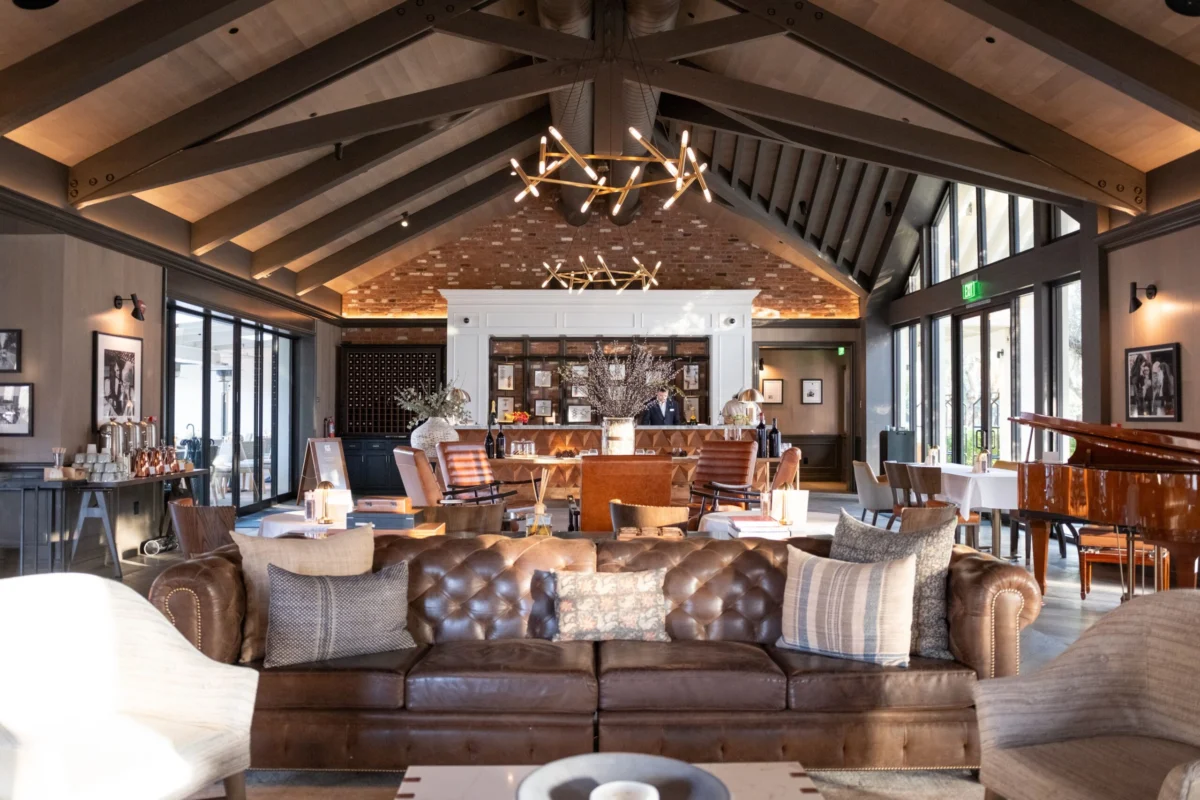
The daily routine at the clinic is structured to facilitate both physical rest and mental stimulation. Guests typically begin their day with a medical check-up by a nurse, followed by activities such as:
- Physical Activity: Guided hikes through the surrounding forests and farmland, swimming in the heated pool, and gentle yoga sessions.
- Creative Expression: Access to art studios where guests are encouraged to "play with paint" as a form of non-verbal therapy.
- Therapeutic Support: The use of traditional remedies, such as the daily application of a hot water bottle for liver packs, intended to support the body’s detoxification processes.
- Nutritional Support: The consumption of thin vegetable broth in a salon with panoramic views of Lake Constance, ensuring electrolyte balance while maintaining the state of ketosis.
This structured environment is designed to make the guest feel "held" and "secure," allowing suppressed emotions to surface in a controlled, therapeutic setting. Dr. Verena Buchinger notes that "guests frequently have epiphanies," claiming the experience serves as a profound psychological "spring clean."
Global Context and the Future of Preventative Medicine
The Buchinger Wilhelmi model is part of a broader resurgence of interest in therapeutic fasting across the globe. From Ayurvedic purification centers in India to modern fasting retreats in the United States, the practice is being rediscovered as a tool for longevity. However, the German clinic remains distinct for its "comprehensive, compassionate, and companionable package."

As healthcare systems worldwide grapple with the rising costs of chronic lifestyle diseases—including Type 2 diabetes, obesity, and hypertension—the role of supervised therapeutic fasting is gaining traction as a viable preventative measure. By shifting the focus from "sick care" to proactive health maintenance, Buchinger Wilhelmi provides a blueprint for an integrated medical model that values the intersection of clinical science and human spirituality.
The enduring success of the clinic suggests that in an increasingly fast-paced and digitally distracted world, there is a profound demand for spaces that offer silence, simplicity, and the opportunity for deep personal renewal. For the thousands of guests who return to the shores of Lake Constance each year, fasting is not merely about the absence of food, but the presence of a newfound clarity and a sustainable path toward long-term health.