Danny Garick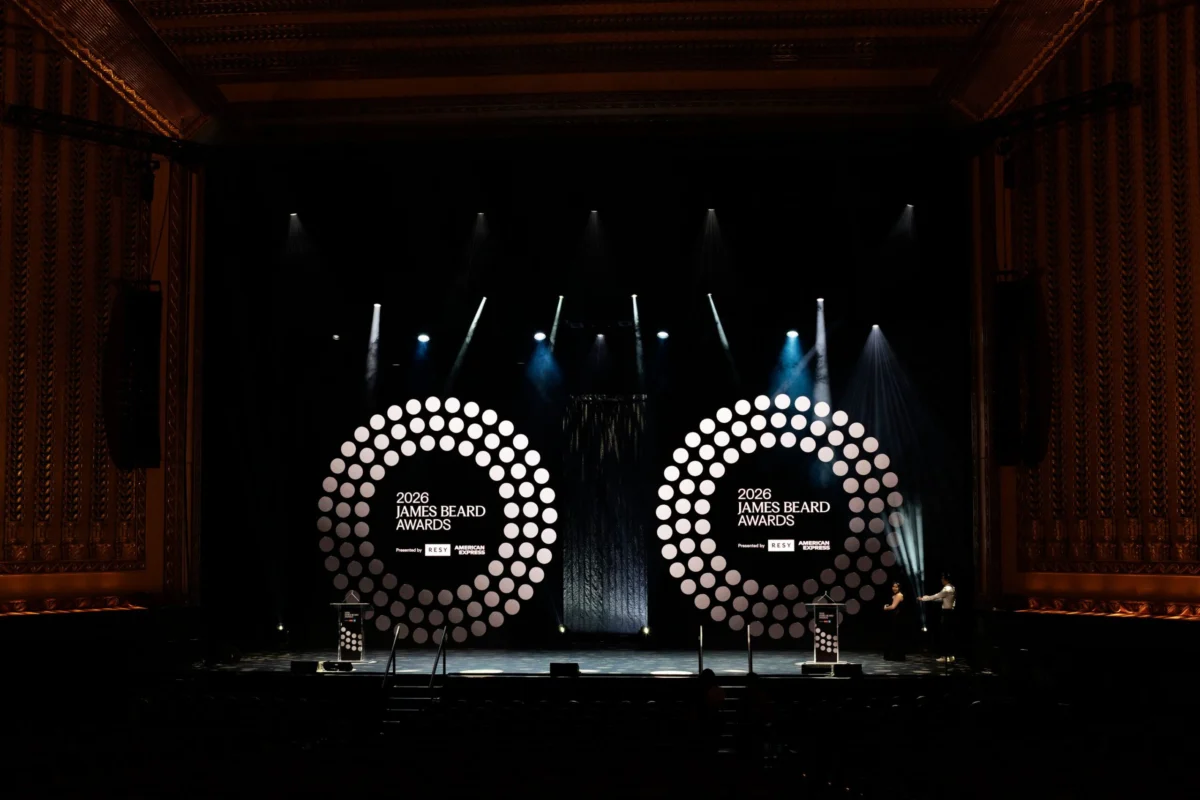
The Thomas Keller Restaurant Group, one of the most prominent entities in the global fine-dining sector, has reached a $2 million settlement to resolve a federal sexual harassment lawsuit involving its Bouchon Las Vegas location. The settlement, overseen by the U.S. Equal Employment Opportunity Commission (EEOC), marks a significant legal milestone for the group, which has faced multiple litigation challenges in recent months. This federal case centered on allegations of a hostile work environment and systemic sexual harassment, highlighting ongoing labor issues within high-end culinary establishments. The settlement follows a separate legal action filed in March 2024, where a former employee of Keller’s flagship three-Michelin-starred restaurant, The French Laundry, alleged violations regarding wages and mandatory rest breaks. These legal developments come at a time when the hospitality industry is facing increased scrutiny over workplace culture and labor practices, signaling a broader push for institutional accountability.
The Financial and Cultural Stakes of the James Beard Awards
The James Beard Foundation (JBF) has officially initiated a search for a new host city for its annual awards program, a move that could shift the culinary capital of the United States starting in 2029. Since 2015, the awards—often referred to as the "Oscars of the Food World"—have been hosted in Chicago. The city has become synonymous with the event, leveraging the presence of elite chefs, restaurateurs, and media to bolster its reputation as a premier gastronomic destination. However, with the current contract set to expire in 2028, the Foundation is exploring new partnerships that reflect the evolving geography of American cuisine.
The economic implications of hosting the James Beard Awards are substantial. According to data released by the James Beard Foundation, the event generates approximately $8.3 million in direct spending within the host city. Furthermore, it contributes more than $1 million in state and local tax revenue. For municipal governments, the awards represent a high-yield investment in "gastro-tourism." This trend mirrors the expansion strategies of the Michelin Guide, which has increasingly entered into financial agreements with state and local tourism boards to produce regional guides. As cities compete for global recognition, the bidding process for the 2029 James Beard Awards is expected to be highly competitive, with candidates likely to emphasize their local food ecosystems, infrastructure, and financial incentives.
Public Health Alerts: Cyclospora Outbreaks and Large-Scale Recalls
The national food supply chain is currently facing a series of safety challenges, ranging from parasitic outbreaks to manufacturing errors. Public health officials are monitoring an increase in cases of cyclosporiasis, an intestinal illness caused by the microscopic parasite Cyclospora cayetanensis. The parasite is typically transmitted through the consumption of fresh produce that has been contaminated with infected feces. Historically, outbreaks in the United States have been linked to imported fresh items such as raspberries, basil, snow peas, and various types of lettuce.
According to Dr. Peter Chin-Hong, an infectious disease specialist at the University of California, San Francisco, the risk is most acute in regions currently reporting high case counts. While the parasite is resilient, health experts advise that consumers do not necessarily need to eliminate fresh produce from their diets. Instead, a focus on preparation is paramount. Produce that requires peeling, such as avocados and bananas, poses a lower risk, provided that the exterior is washed and hand hygiene is maintained. However, for leafy greens and berries, which are more difficult to clean thoroughly, the risk remains higher during peak outbreak periods.
Compounding these concerns, General Mills recently issued a voluntary recall of approximately one million Pillsbury bread rolls. The recall was initiated following reports of potential glass contamination within the product line. This incident underscores the vulnerabilities in large-scale food processing and the critical importance of rigorous quality control measures. Simultaneously, environmental factors are impacting the industry; wildfire smoke from Canada has periodically affected air quality across the Midwest and Northeast United States. For the restaurant sector, particularly establishments with outdoor seating, these environmental hazards present logistical challenges and potential revenue losses as consumers opt to stay indoors.
The Economics of Luxury Dining: The $38 Brisket Controversy
In Los Angeles, a localized debate over the pricing of a specific sandwich has evolved into a broader national conversation regarding the intersection of culture, ingredient costs, and consumer expectations. Yerord Mas, a restaurant specializing in Armenian-inspired cuisine, gained viral attention—and subsequent criticism—for its $38 "basturma brisket" sandwich. The sandwich features a half-pound of high-grade Wagyu beef and is topped with a Gruyère mornay sauce, reflecting a high cost of goods sold (COGS) for the establishment.
The controversy began when a social media influencer posted a critical review of the sandwich, questioning its value proposition. In response to a deluge of online vitriol, the restaurant’s owner, Arthur Grigoryan, briefly removed the item from the menu. Grigoryan characterized the online discourse as a "war," noting that the criticism often ignored the quality of ingredients and the labor-intensive process of preparing basturma-style brisket.
The incident highlights a growing tension in the culinary world: the "commoditization" of reviews through social media platforms like TikTok and Instagram. While viral content can drive significant traffic to a business, it also leaves restaurants vulnerable to rapid shifts in public perception. Following a wave of support from regular patrons and food enthusiasts who defended the restaurant’s right to price its goods based on quality, Yerord Mas reinstated the sandwich. It has since returned to its status as the restaurant’s top-selling item, illustrating that despite price-sensitivity in the broader economy, there remains a robust market for "prestige" food items that offer unique cultural narratives or luxury ingredients.
The Rise of the Wait-Time Economy and Professional Line-Standing
As high-demand restaurants move away from traditional reservation systems in favor of first-come, first-served models, a secondary market has emerged: professional line-standing. This niche sector of the gig economy caters to affluent consumers who wish to experience "exclusive" dining or retail events without the temporal cost of waiting. Services such as "Same Old Line Dudes," which has operated in New York City for nearly 15 years, have institutionalized this practice.
The proliferation of professional line-standers is visible on platforms like TaskRabbit, where individuals offer their services for a variety of tasks, including queuing for restaurant openings, product launches, and even grocery shopping during peak holiday hours. This phenomenon reflects a broader trend in urban centers where "time" is increasingly treated as a luxury commodity that can be outsourced. For restaurants, the presence of long lines serves as a form of "social proof," signaling popularity and quality to passersby. However, the emergence of professional proxies complicates this dynamic, as the people physically standing in line may not be the ultimate consumers of the product.
Cultural Shifts and Influencer Impact on Consumer Habits
The influence of digital culture on the food and beverage industry continues to expand, often in unpredictable ways. The recent appearance of the viral personality known as "The Rizzler" on the digital series Subway Takes—where he voiced a strong opposition to peanut butter—serves as a microcosm of how niche internet trends can permeate mainstream discourse. While seemingly trivial, these moments reflect the power of influencer marketing in shaping the preferences of younger demographics.
In the beverage sector, the rise of "viral" products like Loonen water demonstrates the effectiveness of influencer-led branding. Despite being described by some critics as unremarkable in taste, the product has achieved significant market penetration through strategic placement among high-profile social media figures. This suggests that in the current market, the "story" or "aesthetic" of a product can be as vital to its commercial success as its functional utility.
Conclusion: A Period of Transition for the Culinary Arts
The culinary industry is currently navigated through a complex landscape defined by legal accountability, economic shifts, and public health vigilance. The $2 million settlement by the Thomas Keller Restaurant Group serves as a reminder that even the most prestigious institutions are not immune to legal challenges regarding workplace safety and fairness. Meanwhile, the search for a new James Beard Awards host city and the debate over luxury sandwich pricing underscore the shifting economic realities of dining in America. As consumers balance the desire for "viral" experiences with concerns over food safety and value, the industry must continue to adapt to a rapidly changing cultural and regulatory environment. Through these challenges, the fundamental drivers of the industry—quality, innovation, and the human element of hospitality—remain the benchmarks for long-term success.