Kang Muslim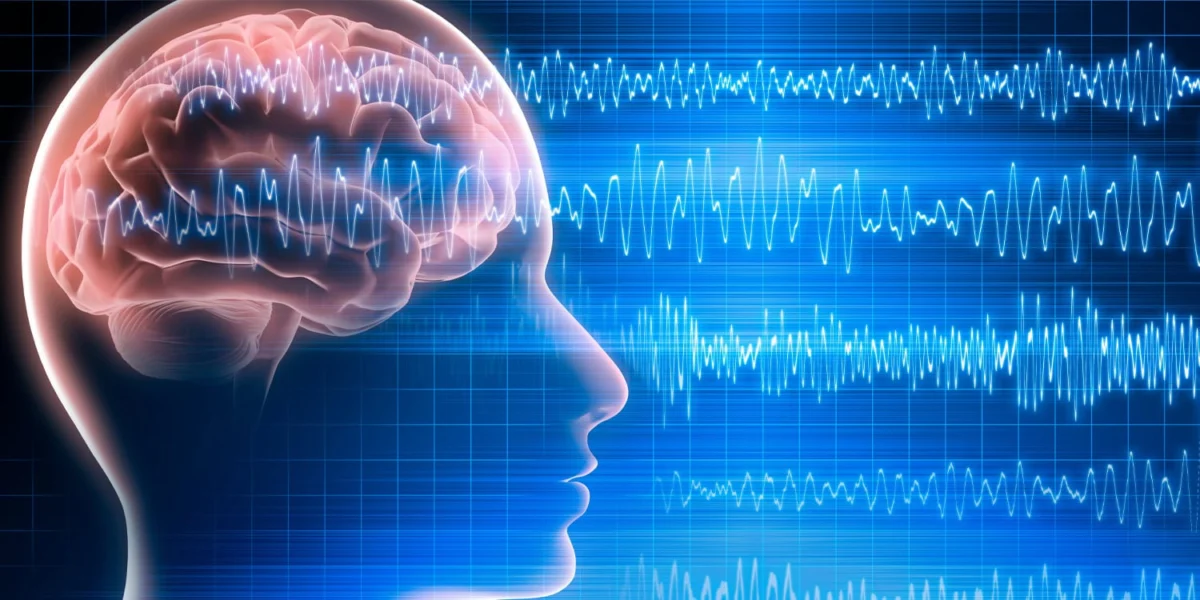
A person’s natural brain wave patterns might offer a reliable preview of how intensely they will react to a dose of psilocybin, according to a landmark study published in the journal Progress in Neuropsychopharmacology & Biological Psychiatry. The research, led by Cheng-Teng Ip at the University of Macau, suggests that the resting electrical activity of the brain not only shifts dramatically during a psychedelic experience but that specific patterns present before taking the drug can actively predict the psychological effects that follow. This discovery addresses one of the most significant hurdles in the burgeoning field of psychedelic medicine: the extreme variability in how different individuals respond to the same dose of a compound.
As the "Psychedelic Renaissance" continues to gain momentum within the global scientific community, psilocybin—the primary psychoactive alkaloid found in "magic mushrooms"—is being scrutinized for its potential to treat a range of intractable mental health conditions. While clinical trials have shown promise for treatment-resistant depression, post-traumatic stress disorder (PTSD), and various addictive disorders, the mechanism of action remains a subject of intense debate. The ability to predict patient reactions through non-invasive biological markers like electroencephalograms (EEG) could represent a paradigm shift in psychiatric care, moving the field closer to the goal of personalized or "precision" medicine.
The Landscape of Psychedelic Research and Clinical Momentum
The study arrives at a pivotal moment for neuropharmacology. In recent years, regulatory bodies have begun to soften their stance on psilocybin. The U.S. Food and Drug Administration (FDA) previously designated psilocybin as a "Breakthrough Therapy" for depression, a move intended to expedite the development and review of drugs that show substantial improvement over existing therapies. Furthermore, in July 2023, Australia became the first nation to officially recognize psilocybin as a legitimate medicine, allowing authorized psychiatrists to prescribe it for specific treatment-resistant conditions.
Despite these advancements, the biological unpredictability of the drug remains a concern for clinicians. A dose that induces a profound, mystical, and healing experience in one patient might trigger acute anxiety or a "bad trip" in another. Understanding why these divergent paths occur is essential for ensuring patient safety and maximizing therapeutic outcomes. The research by Ip and his colleagues provides a potential roadmap for navigating this variability by looking at the brain’s electrical "fingerprint" before the drug is even administered.
Methodology: Mapping the Mind with EEG
To investigate the relationship between baseline brain activity and the psychedelic experience, the research team recruited twenty-five healthy adult volunteers. The cohort consisted of eighteen men and seven women, with an average age of twenty-four. The study utilized a rigorous double-blind, placebo-controlled, crossover design, which is considered the gold standard in clinical research. In this setup, each participant attended two separate sessions: one where they received a precisely measured capsule of psilocybin and another where they received a placebo. Neither the participants nor the researchers administering the doses knew which substance was being given at any specific time, eliminating the risk of observer bias.
The primary tool for data collection was the electroencephalogram (EEG). This technology involves placing a cap of sensitive electrodes on the scalp to detect the faint electrical signals generated by billions of neurons firing in synchrony. These signals, commonly referred to as brainwaves, are categorized by their frequency in hertz (Hz):
- Delta (0.5–4 Hz): Associated with deep, dreamless sleep and unconscious processes.
- Theta (4–8 Hz): Linked to drowsiness, light sleep, and deep relaxation.
- Alpha (8–13 Hz): The dominant frequency when a person is resting quietly with their eyes closed but remains awake.
- Beta (13–30 Hz): Associated with active thinking, focus, and logical processing.
- Gamma (30–100 Hz): The fastest waves, related to high-level information processing and the "binding" of different sensory inputs into a cohesive perception.
During each session, the researchers recorded ten minutes of resting brain activity before the capsule was swallowed. A second ten-minute recording was taken sixty minutes after ingestion, timed to coincide with the onset of the drug’s peak physiological effects. The data was then processed using specialized software to create a three-dimensional map of activity within the brain’s gray matter.
The Shift from Slow to Fast: Neural Dynamics Under Psilocybin
When the researchers analyzed the data, they observed a profound reorganization of the brain’s electrical landscape. Under the influence of psilocybin, there was a significant decrease in the power of slow-frequency brainwaves, particularly in the alpha and theta bands. Simultaneously, there was a broad increase in the power of high-frequency beta and gamma waves across the cerebral cortex.
This shift represents a departure from the brain’s natural resting state. Typically, when a person closes their eyes in a quiet room, the brain enters a state of physiological relaxation dominated by rhythmic alpha waves. Psilocybin appears to disrupt this "idling" state. Even though the participants were physically still and in a controlled environment, their brains produced rapid waves usually reserved for intense cognitive effort or the processing of complex new information.
The researchers suggest that these fast gamma waves are the engine behind the hallucinations and the "ego dissolution" often reported during psychedelic trips. This increased high-frequency activity indicates a state of hyper-arousal and increased neural complexity, where the brain is making connections and processing internal imagery with an intensity that mimics external reality.
Predicting the Experience: The Baseline Discovery
The most significant finding of the study involves the "baseline" scans taken before the participants received any medication. The team discovered that the pre-existing state of a person’s brain could predict their subsequent reaction to psilocybin. Specifically, individuals who exhibited higher levels of fast-frequency (beta and gamma) activity in the frontal cortex at rest were more likely to have an intense and profound psychological experience.
The frontal cortex is the seat of executive function, responsible for abstract thought, planning, and the integration of information. A higher baseline of activity in this region may indicate a brain that is "primed" for the complex cognitive and emotional shifts induced by the drug.
Conversely, low baseline activity in memory-related regions, such as the temporal lobes, was found to predict stronger sensations of ego dissolution—the feeling that the boundary between the "self" and the rest of the world has vanished. These findings suggest that the depth of a psychedelic experience is not just a result of the drug itself, but a product of the drug interacting with a specific, pre-existing neural environment.
Correlating Subjective States with Biological Markers
To quantify the subjective experience, participants completed the Altered States of Consciousness (ASC) Questionnaire after the drug’s effects had worn off. This survey measures five primary dimensions of the psychedelic experience:
- Oceanic Boundlessness: Feelings of deep unity, spiritual connection, and bliss.
- Dread of Ego Dissolution: Unpleasant sensations of losing one’s identity, accompanied by anxiety or fear.
- Visionary Restructuralization: Visual distortions, hallucinations, and changes in the perception of space and time.
- Auditory Alterations: Changes in how sounds are perceived or the presence of auditory hallucinations.
- Reduction of Vigilance: A decrease in functional alertness and attention.
The researchers found that these subjective ratings mapped closely to the EEG data. For instance, feelings of "cosmic unity" and positive mood were strongly correlated with increased high-frequency activity in the limbic and temporal regions, which are central to emotion and memory. In contrast, higher levels of anxiety and the frightening sensation of losing one’s self were associated with increased activity in the visual processing centers at the back of the brain (the occipital cortex), suggesting that intense visual hallucinations may contribute to the feeling of being overwhelmed.
Impact on the Default Mode Network
The study also shed light on the Default Mode Network (DMN), a system of brain regions that is active when we are daydreaming, reflecting on ourselves, or thinking about the past and future. The DMN is often described as the "seat of the ego." Previous research using functional MRI (fMRI) has suggested that psychedelics "reset" this network by decreasing its activity.
However, this EEG-based study provided a more nuanced view. The researchers observed increased connectivity within the nodes of the DMN, particularly in the higher-frequency ranges. This suggests that while the network’s usual "low-frequency" rhythm is disrupted, the drug forces these areas into a state of tight, high-frequency synchronization. This synchronization may explain the "oneness" reported by users, as regions of the brain that usually operate independently begin to communicate with unusual intensity.
Implications for Future Psychiatric Care
The ability to use EEG as a predictive tool has immense implications for the future of mental health treatment. If a simple, ten-minute brain scan can determine whether a patient is likely to have a therapeutic breakthrough or a distressing adverse reaction, clinicians can better tailor treatments to the individual.
"This would help medical professionals allocate resource-intensive psychedelic treatments to the patients most likely to experience a true therapeutic benefit," the researchers noted. In a clinical setting, psychedelic therapy is not just about the drug; it involves hours of preparatory and integration therapy with trained professionals. Identifying the "optimal brainwave profile" for success could ensure that these limited resources are used effectively.
Limitations and the Path Forward
While the results are promising, the researchers emphasized several technical limitations. The study’s sample size of twenty-five is relatively small, which can limit the ability to generalize the findings to a broader, more diverse population. Additionally, the participants were all healthy volunteers. The brain dynamics of someone with chronic, severe depression or complex trauma may differ significantly from those of a healthy twenty-four-year-old.
Future research will need to replicate these findings in clinical populations to see if the same baseline predictors hold true. There is also the question of "set and setting"—the psychological state of the participant and the environment in which the drug is taken. While this study controlled for setting, the "set" (the baseline brain activity) proved to be a powerful variable.
As the medical community moves closer to integrating psychedelics into standard care, the work of Cheng-Teng Ip and his team provides a vital piece of the puzzle. By translating the subjective "magic" of the mushroom into the objective language of hertz and connectivity, science is beginning to demystify the psychedelic experience, turning it into a measurable and manageable tool for healing the human mind.