Kang Muslim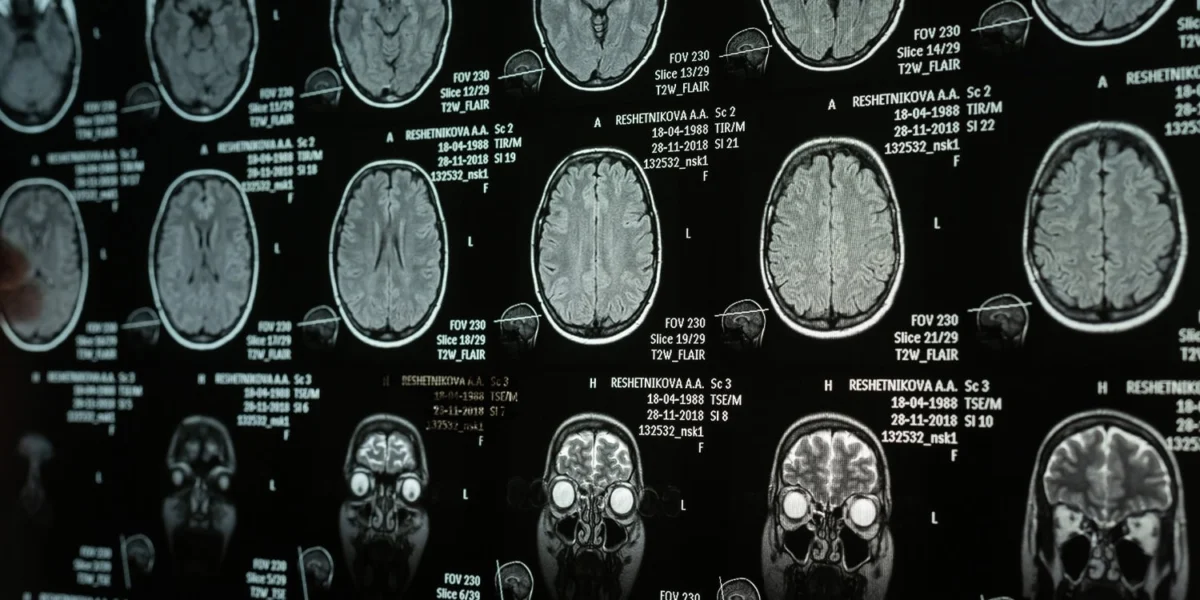
The architectural complexity of the human brain has long been suspected to be the foundation upon which personality is built. Recent neuroscientific evidence now suggests that the physical structure of a specific brain region—the anterior insula—functions as a biological bridge between narcissistic personality traits and the habitual suppression of emotions. This discovery, published in the Journal of Affective Disorders, provides a new framework for understanding how the brain’s physical configuration influences complex social behaviors and emotional management strategies. By analyzing high-resolution brain scans of healthy adults, researchers have identified that both the volume and the surface folding of the anterior insula are significantly correlated with narcissistic tendencies and the tendency to hide one’s feelings from the world.
The Duality of Narcissism: Grandiosity and Vulnerability
To understand the neurobiological underpinnings of narcissism, it is first necessary to define the trait beyond its colloquial usage. In psychological literature, narcissism is not viewed as a monolithic flaw but as a multifaceted construct consisting of two primary dimensions: grandiose and vulnerable narcissism.
Grandiose narcissism is the more visible form, characterized by an overt sense of self-importance, a drive for social dominance, and a pervasive need for external admiration. Individuals with high levels of grandiosity often appear charismatic but frequently lack empathy and may become exploitative in interpersonal relationships. Conversely, vulnerable narcissism is characterized by a fragile self-esteem masked by a defensive exterior. These individuals are hypersensitive to criticism, prone to feelings of shame, and often engage in social withdrawal to protect their delicate self-image. Despite their outward differences, both dimensions share a core of self-centeredness and significant difficulty in maintaining healthy, reciprocal emotional connections.
The Role of Emotion Regulation Strategies
A critical component of the narcissistic experience is the struggle with emotion regulation—the internal processes through which individuals influence which emotions they have, when they have them, and how they experience or express them. The research led by Lisa Schmidt and her colleagues at the Philipps-Universität Marburg focused on two specific strategies: cognitive reappraisal and expressive suppression.
Cognitive reappraisal is generally considered an adaptive strategy. it involves reinterpreting a potentially emotion-eliciting situation in a way that alters its emotional impact. For example, viewing a difficult work assignment as a "challenge" rather than a "threat" can neutralize anxiety before it manifests physically. In contrast, expressive suppression is a maladaptive strategy that involves the active inhibition of outward emotional signs. When a person uses suppression, they are essentially wearing a mask; the emotion is fully felt within the body, but the individual exerts significant mental effort to keep their facial expressions and verbal cues neutral.
Previous behavioral studies have consistently linked narcissism to a heavy reliance on expressive suppression. Because narcissists—particularly those of the vulnerable type—are deeply concerned with how they are perceived, they often view the display of "weak" emotions like sadness or fear as a threat to their status or safety.
The Anterior Insula: The Brain’s Sensory Integration Center
The focal point of this study was the anterior insula (AI), a region of the cerebral cortex located deep within the lateral sulcus. The AI is often described as a "hub" or a "sensory integration center" because of its role in connecting the body’s internal states with conscious awareness. It is intimately involved in interoception—the sense of the physiological condition of the body—as well as emotional awareness and empathy.
For individuals with narcissistic traits, who often struggle to accurately perceive their own internal states or the emotions of others, the anterior insula is a logical area of anatomical interest. The researchers hypothesized that if an individual’s brain is structurally different in this region, it might explain why they find it difficult to regulate emotions naturally, leading them to rely on the "brute force" method of expressive suppression.
Methodology and Participant Demographics
The study involved 172 healthy adult participants between the ages of 18 and 45. The researchers intentionally selected a "healthy cohort" to ensure that the findings reflected normal variations in personality and brain structure rather than the effects of psychiatric medication, long-term hospitalization, or the acute symptoms of severe mental illness.
Each participant underwent a rigorous assessment process:
- Psychological Profiling: Participants completed the Pathological Narcissism Inventory (PNI), which evaluates grandiose and vulnerable traits across sub-categories such as exploitative behavior, grandiose fantasies, and contingent self-esteem.
- Emotion Regulation Assessment: The Emotion Regulation Questionnaire (ERQ) was used to quantify how often participants utilized cognitive reappraisal versus expressive suppression in their daily lives.
- Neuroimaging: High-resolution structural Magnetic Resonance Imaging (MRI) was used to capture the physical characteristics of the participants’ brains.
The team specifically measured two anatomical markers: gray matter volume and gyrification. While volume indicates the density of neurons and glial cells, gyrification refers to the pattern of folds on the brain’s surface. Because gyrification is largely determined during early prenatal and neonatal development, it serves as a "fossilized" record of early brain growth, whereas volume can be more sensitive to changes later in life.
Statistical Findings: A Negative Correlation
The results of the brain scans revealed a distinct negative association between narcissistic traits and the size of the anterior insula. Individuals who scored higher on the scales for both grandiose and vulnerable narcissism tended to have smaller volumes of gray matter in the right anterior insula. For those specifically exhibiting vulnerable narcissism, this reduced volume was also observed in the left anterior insula.
The researchers utilized statistical mediation models to determine the direction of these relationships. In a mediation model, researchers look for a "middle-man" variable that explains the connection between two other variables. The analysis revealed that the habit of expressive suppression statistically mediated the relationship between the right anterior insula’s volume and narcissistic vulnerability. Furthermore, suppression mediated the link between the right insula’s surface folding (gyrification) and both grandiose and vulnerable traits.
Interestingly, the models were found to be bidirectional. Narcissistic traits also mediated the relationship between the volume of the anterior insula and the use of expressive suppression. This suggests a complex, three-way dynamic: the brain’s physical structure may predispose an individual toward certain emotional habits, which in turn reinforces narcissistic personality structures, or vice versa.
Insights into the Precuneus and the "Self" Network
Beyond the anterior insula, the researchers conducted exploratory whole-brain analyses. They discovered changes in the cortical thickness of the precuneus, a region located in the parietal lobe. The precuneus is a central node in the Default Mode Network (DMN), which becomes active when an individual is engaged in self-referential thought, such as reflecting on their past or comparing themselves to others.
The involvement of the precuneus aligns with the psychological profile of narcissism, which is characterized by an obsessive focus on the self. The study found that certain sub-traits of narcissism were positively associated with the folding patterns of the AI and the thickness of the precuneus, suggesting that the "self-processing" machinery of the brain is physically altered in individuals with high narcissistic tendencies.
The Absence of Prefrontal Cortex Involvement
One of the more surprising findings of the study was the lack of significant associations in the prefrontal cortex (PFC). The PFC is typically associated with executive function, decision-making, and social inhibition. Previous studies had suggested that narcissism might be linked to deficits in the PFC, explaining the impulsivity and lack of social restraint sometimes seen in grandiose narcissists.
The authors suggest that this discrepancy might be due to the specificity of their measurements. By breaking narcissism down into granular sub-traits rather than using a single "total score," and by focusing on healthy adults rather than clinical patients, the Marburg team may have isolated a more refined neurobiological signature that centers on emotional processing (the insula) rather than just behavioral control (the PFC).
Broader Implications and Clinical Applications
The identification of the anterior insula as a "convergence zone" for self-image and emotional habits has significant implications for the treatment of personality disorders. If the habit of hiding emotions (expressive suppression) is a key driver in the relationship between brain structure and narcissism, then therapeutic interventions could be specifically designed to target this behavior.
Clinical approaches such as Dialectical Behavior Therapy (DBT) or specialized Cognitive Behavioral Therapy (CBT) could focus on moving patients away from suppression and toward more adaptive strategies like cognitive reappraisal or emotional acceptance. By reducing the reliance on suppression, clinicians might be able to help individuals mitigate the social and personal costs of narcissistic behavior, potentially even influencing the functional (if not structural) plasticity of the brain over time.
Limitations and Future Directions
While the study provides a robust data set, the researchers noted several limitations. The reliance on self-reported questionnaires is a common challenge in psychology; individuals with high narcissism may lack the self-awareness to accurately report their own emotional habits, or they may intentionally provide socially desirable answers.
Additionally, because the study focused on healthy adults, the findings may not perfectly mirror the brain structures of individuals with a clinical diagnosis of Narcissistic Personality Disorder (NPD). Future research will need to include clinical populations and perhaps longitudinal data to determine how these brain structures change over the course of a lifetime or in response to therapy.
The study, titled "The interrelation of emotion regulation, anterior insula structure, and narcissistic traits," stands as a significant contribution to the field of personality neuroscience. It underscores the fact that our personalities are not just "in our heads" in a metaphorical sense, but are deeply etched into the very folds and volumes of our cerebral anatomy. Understanding the anterior insula’s role in this equation offers a promising new path for both scientific inquiry and psychological healing.