Layla Zulfa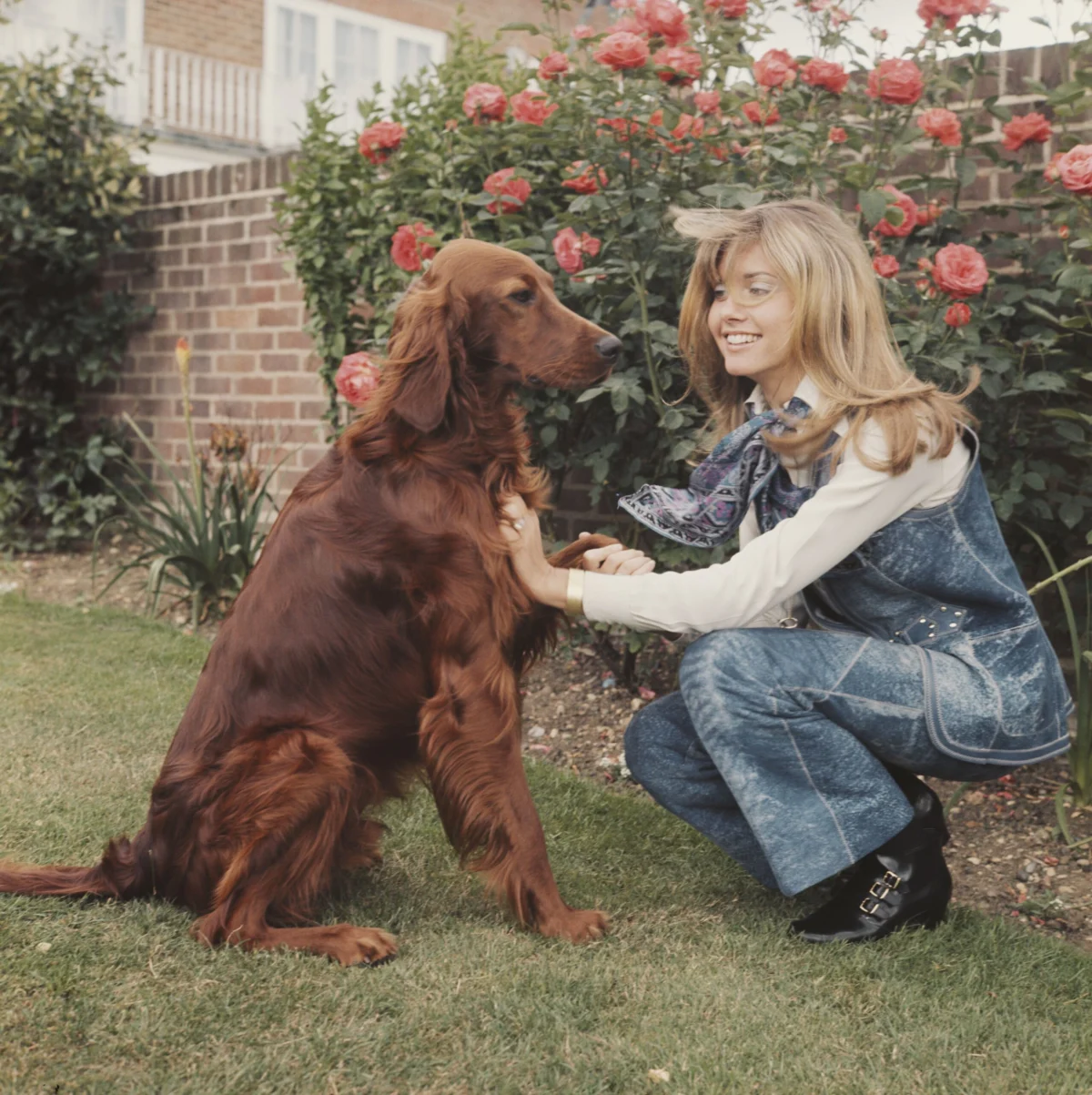
The late Dame Olivia Newton-John, while globally celebrated for her iconic transition from pop sweetheart to international superstar, maintained a lifelong commitment to the restorative power of nature and the sanctity of private domestic life. Despite the intense public scrutiny that followed her meteoric rise in the 1970s, Newton-John consistently sought refuge in remote, sprawling properties that allowed her to nurture her profound affinity for animals and environmental advocacy. Her journey—from a fledgling performer in London to a globally recognized wellness pioneer—was anchored by a series of retreats that provided both a buffer against the pressures of fame and a peaceful environment for her long-term battle with cancer.

A Chronology of Success and Transition
Born in England and raised in Australia, Newton-John’s path to superstardom began with a televised talent contest victory that earned her a trip to London at age 17. By the late 1960s, she had established a presence in the UK music scene, often collaborating with fellow Australian expatriate Pat Carroll. The two singers shared a modest mews apartment in Hampstead, where they famously navigated the financial constraints of early stardom, often relying on makeshift living arrangements. This period of professional hunger eventually gave way to the breakout success of the early 1970s, marked by hits such as If Not for You.
The definitive pivot in her career occurred in 1978 with the release of the musical film Grease. As Sandy Olsson, Newton-John became a fixture of pop culture history, with the film’s soundtrack producing enduring hits including You’re the One That I Want and Hopelessly Devoted to You. As her fame solidified, the necessity for a private, secure retreat became paramount. This led to her acquisition of a significant three-acre ranch in Malibu, California, in the mid-1970s. This property served as her primary residence for nearly two decades, offering a blend of proximity to the Los Angeles entertainment industry and the seclusion of protected parkland.

The Malibu Years: A Haven for Advocacy
The Malibu ranch was more than a home; it was the realization of a childhood dream for a woman who had once seriously considered a career in veterinary medicine. During her residence in the canyon, Newton-John cultivated a menagerie that included various breeds of dogs—notably Great Danes and Irish Setters—and a collection of horses, such as her favorite, Judge.
Her life in Malibu reflected a departure from the high-glamour requirements of her career. She often spoke of her preference for the outdoors, emphasizing that her largest expenditures were frequently directed toward the welfare of her animals rather than luxury fashion or industry-standard excesses. Her commitment to animal rights grew into a public platform, most notably through her hosting of the television series Human Nature, which explored the delicate balance between human progress and natural habitats. This period established the framework for her later life, where her domestic space became a site of environmental stewardship and personal recovery.

The Australian Retreat and Wellness Philosophy
In 1981, Newton-John expanded her real estate portfolio to include a 187-acre estate in the lush hinterlands near Byron Bay, New South Wales. This property, which she held for nearly four decades, represented a more permanent, spiritual connection to her Australian roots. The site featured a three-bedroom, two-bathroom home that she meticulously renovated, infusing the space with a rustic, European-influenced aesthetic.
The architectural choices made during this renovation—incorporating salvaged gothic church doors, pine flooring, and locally sourced stone—highlighted her hands-on approach to home design. By the early 2000s, the estate had evolved into a model of sustainable living. Newton-John oversaw the planting of approximately 5,000 trees on the property, effectively creating a private ecological reserve adjacent to the Victoria Park Nature Reserve. This focus on environmental restoration was a precursor to her later involvement in the wellness industry, specifically the establishment of the Gaia Retreat & Spa in 2005.

Impact of Personal Health Struggles on Public Advocacy
The trajectory of Newton-John’s life and real estate holdings was significantly influenced by her 1992 breast cancer diagnosis. The disease, which she battled on and off for three decades, became the central focus of her philanthropic and public efforts. Rather than retreating from the public eye, she utilized her experiences to advocate for early detection, integrative medicine, and comprehensive cancer research.
Her perspective on the illness was remarkably consistent. In various interviews, including a notable appearance on CBS Mornings, she articulated a philosophy that rejected the language of victimhood. She viewed her diagnosis as an experience with a purpose, channeling her energy into the creation of the Olivia Newton-John Cancer Wellness & Research Centre in Melbourne. The revenue generated from her various property sales, including the 2019 sale of her Byron Bay farm, often supported her broader mission of funding clinical trials and wellness initiatives.

Fact-Based Analysis of Her Environmental Legacy
Beyond her discography and filmography, the legacy of Olivia Newton-John is intrinsically linked to the physical spaces she occupied. Her transition from a Malibu ranch-owner to an Australian conservationist demonstrates an evolving relationship with the land. Analysts of her career note that her real estate choices were not merely investments; they were active components of her wellness brand.
The integration of her living spaces with environmental conservation—such as the creation of ponds, dams, and the planting of thousands of native trees—served as a practical demonstration of her commitment to "green" living long before it became a mainstream corporate buzzword. By aligning her private life with the principles of sustainability and animal welfare, she successfully bridged the gap between celebrity culture and meaningful grassroots advocacy.

Official Responses and Industry Recognition
Following her passing at her Southern California ranch in 2022, tributes from the global entertainment community and health advocacy groups highlighted the duality of her existence. While colleagues such as John Travolta and members of the medical community praised her professional discipline and infectious positivity, her peers in environmental and animal rights organizations noted the quiet efficacy of her work behind the scenes.
"Olivia was a beacon of light," noted one representative from a leading cancer research organization. "Her ability to translate her personal struggle into a global movement for wellness and care is a rare achievement in the entertainment industry. She understood that health is not just the absence of disease, but the presence of a supportive environment."

Implications and Future Significance
The sale of her various estates in recent years has provided a window into the private life of an icon who, despite being one of the most recognizable faces in the world, prioritized the quietude of nature. Her properties remain a case study in how public figures can curate environments that foster both physical and mental recovery.
As the Olivia Newton-John Cancer Wellness & Research Centre continues to operate and expand, the financial and moral support established through her decades of advocacy remains a foundational element of cancer care in Australia and abroad. Her life stands as a testament to the idea that fame, when managed with intentionality and grounded in a connection to the natural world, can be a vehicle for sustained, positive impact. Even in her absence, the 5,000 trees she planted in New South Wales and the wellness infrastructure she left behind serve as a tangible, growing memorial to a woman who remained, as she sang, hopelessly devoted to the things she held most dear: her animals, her health, and the planet.