Layla Zulfa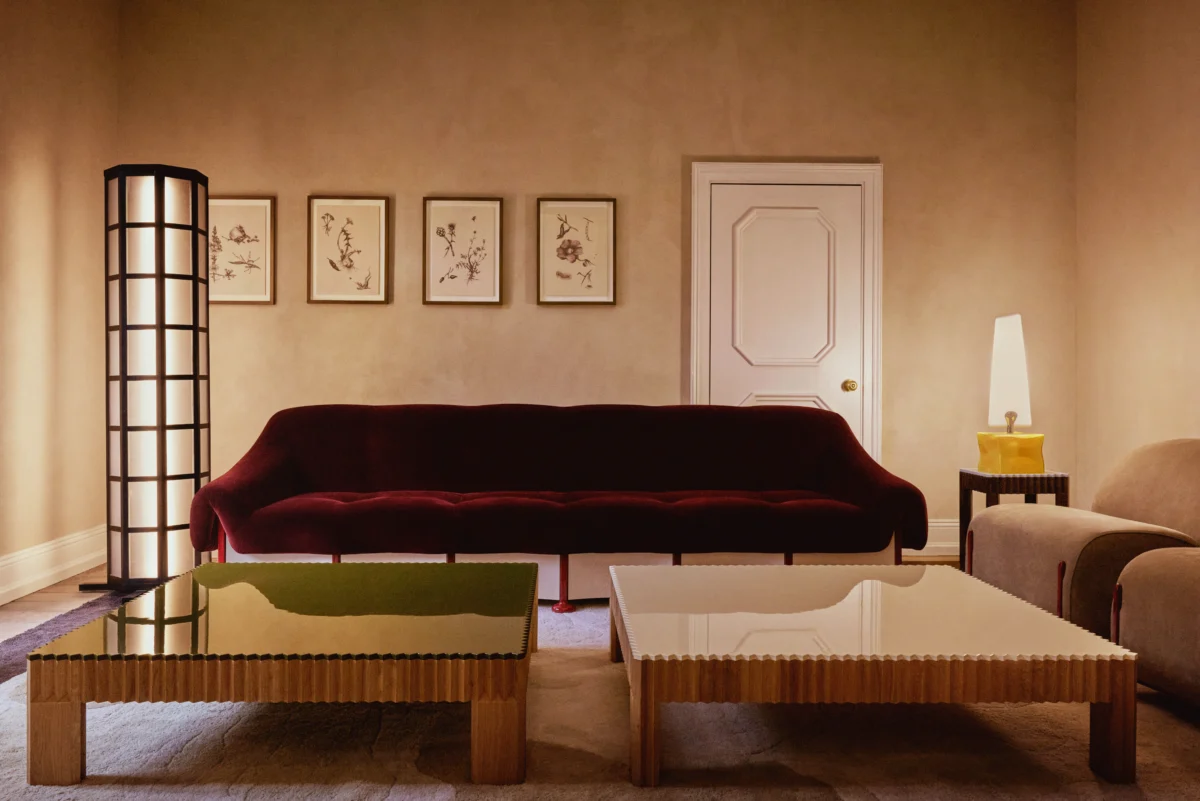
The creative partnership between acclaimed filmmaker Luca Guadagnino and architect Stefano Baisi has reached a new milestone with the debut of a comprehensive furniture, decor, and apparel collection for Zara Home. This expansive collaboration, which encompasses over 200 distinct pieces, represents a significant shift for the Inditex-owned brand as it leans into the high-design aesthetic of Studio Luca Guadagnino. The launch, timed to coincide with Milan Fashion Week, serves as an intersection between cinematic storytelling and interior architecture, marking a decade-long evolution in the designers’ shared creative journey.
A Decade of Collaborative Evolution
Since the formal establishment of Studio Luca Guadagnino in 2017, the pairing of Guadagnino and Baisi has become synonymous with a specific, highly curated visual language. Their work transcends traditional architectural boundaries, frequently bleeding into set design, installation art, and luxury hospitality. The chronology of their partnership reflects a trajectory of increasing complexity.
In 2017, the duo solidified their professional bond, leading to high-profile projects that have garnered international attention. Among their most notable ventures was the architectural direction for the Louvre’s pyramid-themed Dior catwalk in the Jardin des Tuileries, an exercise in blending structural precision with high-fashion staging. Furthermore, their recent work on the 2024 film Queer showcased their ability to construct immersive, surrealist environments that evoke specific historical eras—in this case, a dreamlike 1950s Mexico City. Perhaps their most ambitious physical project to date involved the structural rehabilitation of a 16th-century school into a boutique luxury hotel, demonstrating an ability to balance historical preservation with modern, high-end functionality.

Design Philosophy and Historical Inhabitation
The Zara Home collection is not merely a retail offering but an extension of the designers’ rigorous research process. According to Guadagnino, the genesis of the project involved a literal and metaphorical synthesis of their digital archives and physical inspirations. By collating saved imagery, art history references, and intellectual touchstones, the pair sought to find a "shared stylistic code" that pays homage to historical movements while asserting contemporary relevance.
Central to the collection’s aesthetic are the influences of French Art Deco, Brazilian modernism, and the radical Italian design movements of the late 20th century. However, the most profound influence originates from the Vienna Secession. Specifically, the intricate geometry and material usage of a small silver and coral box designed by Koloman Moser served as a primary anchor for the collection’s development. This influence is observable in the angularity and sharp lines of the furniture, which Baisi describes as being "rooted in tradition while trying to find its own identity."
Product Architecture and Materiality
The collection, which includes items ranging from $16.90 for smaller decorative pieces to $18,400 for bespoke furniture, exhibits a deliberate focus on posture and form. The design language is characterized by a "polished" sensibility, where stainless steel chairs and high-gloss lacquered oak coffee tables create an atmosphere of sleek, cool modernity.
Key pieces, such as the Elsewhere table lamp, emphasize the collection’s space-age aspirations through thin, arching steel necks and geometric shades. The upholstery selection is equally deliberate; the Bretonita sofa features a hunter-green flannel finish with burgundy cord piping, emphasizing a structured, stately silhouette. In contrast, the Uncollected sofa provides a lower, more dramatic profile, grounded by a sycamore base and upholstered in black velvet. These items reflect a broader industry trend toward "sculptural furniture," where the utility of the piece is secondary to its presence as an art object within the home.

Strategic Market Positioning
The collaboration with Zara Home marks a calculated strategic move for both the studio and the retailer. For Inditex, partnering with a director of Guadagnino’s stature signals an attempt to elevate the brand’s positioning within the competitive home decor market, moving away from mass-market trends toward a more "design-forward" identity. By offering a range that spans from affordable small goods to high-end investment furniture, the collection appeals to a bifurcated customer base: the aspirational shopper seeking a piece of the "Guadagnino aesthetic" and the design collector looking for limited-run, architect-led pieces.
The collection’s launch in Milan is timed to leverage the peak of the fashion industry’s visibility. By hosting a two-day public pop-up at La Pelota during Milan Fashion Week, the project gains cultural capital that standard retail launches lack. This event-based marketing reinforces the idea that the collection is part of a "parallel world," as described by the designers—an attempt to bring the cinematic, high-concept atmosphere of their film sets into the average domestic space.
Cinematic Integration and Promotional Strategy
To support the release, Guadagnino directed a short film—written by Scott Z. Burns and featuring notable performances by Jamie Bell, Chase Sui Wonders, Michael Stuhlbarg, and Patricia Arquette. The film serves as an extension of the collection’s narrative, placing the furniture within the context of a lived-in, cinematic environment. This approach aligns with modern luxury marketing, which prioritizes narrative and atmosphere over traditional product-focused advertising.
Industry analysts suggest that this strategy effectively bridges the gap between the film industry and the retail sector. By utilizing the same creative team responsible for his cinematic work to design the sets and the advertising, Guadagnino maintains a consistent "authorial voice" across all mediums.

Broader Implications for the Design Industry
The success of such a high-profile collaboration reflects a shifting dynamic in the interior design sector. Architects and designers are increasingly finding opportunities to monetize their creative output through mass-market partnerships, provided they maintain creative control over the product development process.
The emphasis on historical research—specifically the references to the Vienna Secession—also suggests a broader movement within the industry toward intellectualized design. Consumers are increasingly seeking products with a "backstory" or a connection to historical art movements, moving away from the ephemeral nature of fast-furniture trends. The integration of ready-to-wear clothing into the collection further blurs the lines between interior design and lifestyle branding, suggesting that the "total design" approach—where an architect influences everything from the building structure to the occupant’s wardrobe—is becoming a desired standard for luxury brands.
Technical Specifications and Market Availability
The collection officially went to market on September 26, with global availability through the Zara Home e-commerce platform. The diverse price point—ranging from the accessible to the exclusive—suggests a tiered inventory strategy designed to maximize reach while maintaining an aura of exclusivity.
The structural and aesthetic consistency across the 200 pieces indicates a high level of manufacturing oversight. The use of materials like stainless steel, sycamore, and high-quality flannel represents a shift in quality standards for the Zara Home brand. As these pieces enter private homes, the "constellation of objects" curated by Guadagnino and Baisi will likely serve as a case study for how high-design firms can navigate the transition from bespoke, one-off projects to scalable, retail-oriented collections.

In conclusion, the collaboration between Luca Guadagnino and Stefano Baisi for Zara Home is a sophisticated alignment of cinematic vision and architectural discipline. By grounding their designs in historical scholarship and presenting them through a high-concept, narrative-driven framework, the duo has created a collection that challenges the traditional expectations of retail design. Whether the market will respond to the specific, angular, and "hard" aesthetic of the collection remains to be seen, but the collaboration clearly succeeds in its goal of bringing the studio’s "parallel worlds" into the reach of a global audience.