Nila Kartika Wati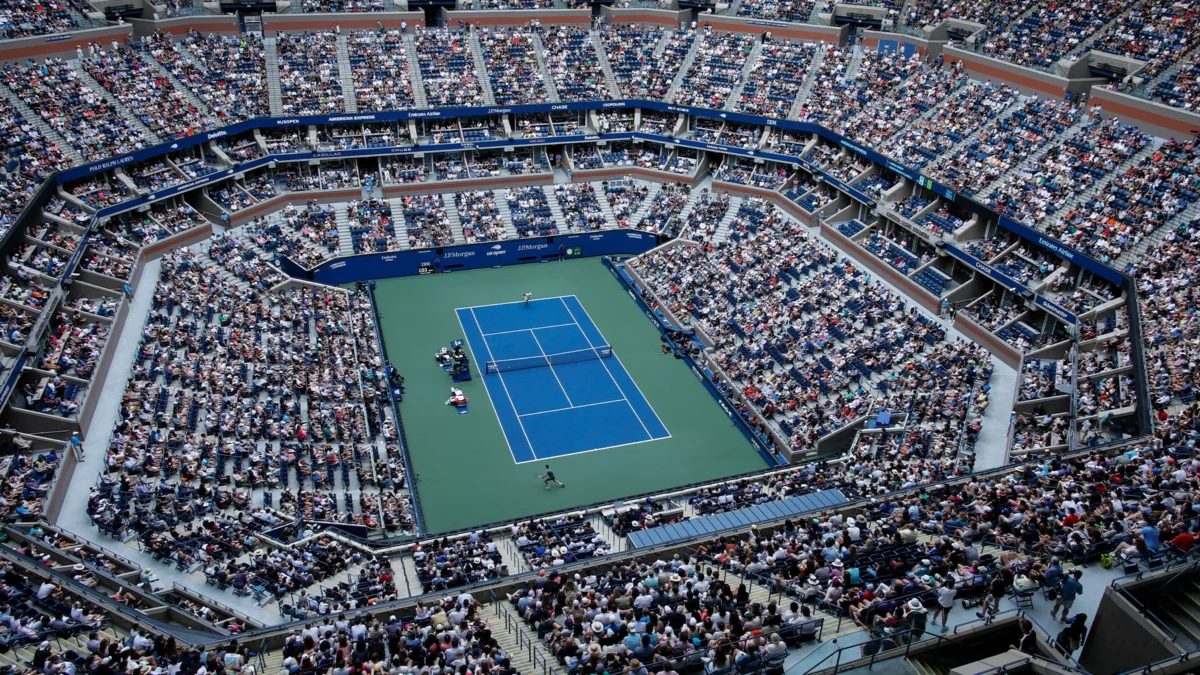
The roar of the crowd may have faded for the FIFA World Cup, but the global sports calendar continues to present a potent, untapped arena for fashion brands seeking to connect with discerning audiences. As major sporting events unfold, they offer a unique confluence of passion, performance, and global visibility, creating fertile ground for strategic brand activations, collaborations, and product launches that transcend mere apparel sponsorship. While the World Cup is a singular behemoth in terms of global reach, a multitude of other significant sporting spectacles, from the intensity of Grand Slam tennis tournaments to the precision of Formula 1 racing and the enduring appeal of the Olympics, provide consistent opportunities for fashion to intersect with athletic prowess.
The allure for fashion brands lies not only in the sheer viewership numbers but also in the deeply ingrained emotional connections fans forge with their chosen sports and athletes. These events are not just about the competition; they are cultural moments, steeped in tradition, aspiration, and a shared sense of community. For fashion, this translates into an unparalleled opportunity to associate its products and ethos with qualities like dedication, excellence, resilience, and a pursuit of peak performance. This is a narrative that resonates powerfully with consumers, particularly those who value both style and substance.
The Evolving Landscape of Sports and Fashion Integration
Historically, the relationship between sports and fashion was often limited to team kits and the occasional endorsement deal. However, in recent years, this synergy has evolved dramatically. Brands are moving beyond simple logo placement to create immersive experiences, design limited-edition collections inspired by athletic aesthetics, and partner with athletes not just as endorsers, but as co-creators and cultural ambassadors. The rise of athleisure has undoubtedly paved the way, blurring the lines between performance wear and everyday fashion. Yet, the strategic integration goes deeper, aiming to capture the intangible spirit of sport and translate it into brand equity.
Consider the US Open, a prime example of a recurring global sporting event that offers significant fashion opportunities. The Arthur Ashe Stadium, depicted in accompanying imagery, is more than just a venue; it’s a stage where athletic achievement is celebrated under the watchful eyes of millions. The tournament, typically held in late August and early September, draws top tennis talent and a sophisticated international audience. This demographic often aligns with key consumer segments for premium and luxury fashion brands. The intense focus on individual performance, the dramatic narratives of victory and defeat, and the sheer spectacle of elite athleticism provide a powerful backdrop for fashion narratives.
Strategic Opportunities Beyond the Field of Play
The fashion industry’s engagement with sporting events can manifest in several strategic ways:
- Limited-Edition Collections: Brands can design capsule collections inspired by the sport, the host city, or iconic athletes participating in the event. These collections often blend performance-oriented fabrics and designs with fashion-forward aesthetics, creating exclusive items that generate buzz and drive sales. For example, a tennis-inspired collection might feature crisp whites, bold stripes, and lightweight, breathable fabrics, reflecting the elegance and demands of the sport.
- Athlete Collaborations: Partnering with high-profile athletes offers a direct channel to their fan base. These collaborations can extend beyond simple endorsements to include co-designed apparel, footwear, or accessories, leveraging the athlete’s personal style and influence. The credibility gained from an athlete’s association with a fashion brand can be immense.
- Experiential Activations: Brands can create pop-up shops, exclusive lounges, or interactive installations within or near event venues. These activations provide opportunities for consumers to engage with the brand in a unique and memorable way, often offering exclusive merchandise or experiences tied to the event. The goal is to create a holistic brand experience that extends beyond the transactional.
- Sponsorships and Partnerships: While more traditional, strategic sponsorships of teams, athletes, or specific event components can offer significant brand visibility. This can include naming rights for hospitality areas, official outfitting of non-playing personnel, or sponsoring key moments within the event.
Data-Driven Insights into Sports and Fashion Synergy
The financial implications of this convergence are substantial. The global sportswear market, a significant segment of the fashion industry, is projected to continue its robust growth. According to Statista, the sportswear market is expected to reach approximately $343.10 billion in 2024, with a projected annual growth rate of 5.57% (CAGR 2024-2028). This growth is fueled, in part, by the increasing integration of fashion and lifestyle elements into athletic apparel and the broader appeal of sports culture.
Furthermore, studies have shown that consumers are increasingly willing to spend on apparel that reflects their lifestyle and interests. A survey by Nielsen found that 70% of consumers are influenced by athlete endorsements when making purchasing decisions for sports-related apparel. This highlights the power of associating a fashion brand with athletic excellence and the aspirational qualities that athletes embody.
The economic impact of major sporting events also extends to local economies, creating a dynamic environment where brands can tap into a concentrated audience of engaged consumers. For instance, the US Open alone generates hundreds of millions of dollars in economic activity for New York City. This influx of visitors, many with disposable income and an interest in lifestyle and fashion, presents a valuable opportunity for brands to capture market share and build brand loyalty.
The Broader Impact: Cultural Resonance and Brand Narrative
Beyond direct sales and marketing, the integration of fashion and sports offers a powerful tool for shaping brand narratives. By aligning with sports, fashion brands can tap into universal themes of perseverance, teamwork, individual achievement, and the pursuit of excellence. These are narratives that resonate deeply with a global audience and can help build a brand’s emotional connection with consumers.
The Olympics, for example, represent the pinnacle of global athletic achievement and a powerful platform for fashion brands. Every four years, the world turns its attention to this multi-sport event, offering unparalleled exposure. Brands that successfully align with the Olympic spirit can tap into themes of national pride, international unity, and the dedication of athletes. The timeline of Olympic preparation and the event itself provides a long lead-up for marketing campaigns and product launches, allowing brands to build anticipation and sustain engagement. The opening and closing ceremonies, in particular, are global fashion showcases, with national teams often outfitted by prominent designers, creating significant media attention and cultural conversation.
Similarly, Formula 1 racing has become a significant cultural phenomenon, attracting a demographic that is often affluent and appreciative of high-performance engineering and sophisticated design. The speed, precision, and glamour associated with Formula 1 make it an ideal environment for luxury and performance-oriented fashion brands. Collaborations with racing teams, driver endorsements, and the creation of fashion lines inspired by the sleek aesthetics of race cars and team uniforms are increasingly common. The intense, high-stakes nature of each race weekend, spread across a global calendar, offers multiple touchpoints for brands to engage with fans. The recent surge in Formula 1’s popularity, particularly among younger demographics, driven by media such as Netflix’s "Drive to Survive," has amplified this opportunity.
Navigating the Competitive Arena
However, the increased interest from fashion brands also means a more competitive landscape. Brands must move beyond superficial associations and develop authentic, well-executed strategies to stand out. This requires a deep understanding of the sport, its culture, and its audience.
- Authenticity is Key: Consumers are savvy and can discern genuine engagement from opportunistic marketing. Brands must demonstrate a true appreciation for the sport and its values.
- Targeted Approach: Not all sports are suitable for every brand. A careful assessment of target demographics, brand values, and the specific audience of a sporting event is crucial for successful alignment.
- Long-Term Vision: While individual events offer immediate opportunities, building lasting brand equity often requires a sustained commitment to sports partnerships.
Conclusion: The Unending Game
As the echoes of the World Cup subside, the sports world continues to offer a dynamic and lucrative stage for the fashion industry. From the hallowed grounds of Grand Slam tennis to the roaring circuits of Formula 1 and the global spectacle of the Olympics, these events provide more than just a viewership; they offer a platform for storytelling, aspiration, and the creation of powerful brand connections. By understanding the nuances of these sporting landscapes and employing strategic, authentic approaches, fashion brands can continue to score significant victories in their pursuit of global relevance and consumer engagement. The game, it appears, is far from over.