Ferry Irwandi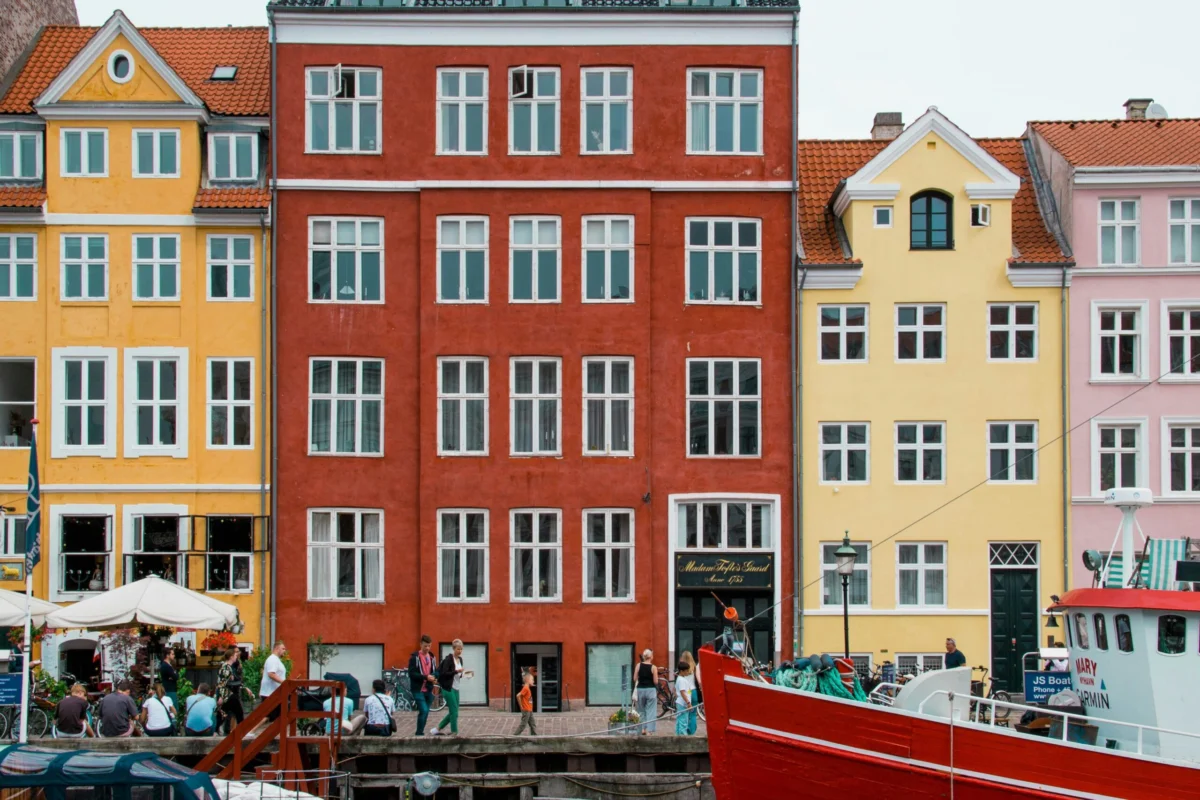
Copenhagen has long transcended its historical origins as a 12th-century fishing village to become a global paragon of urban livability, sustainable design, and culinary innovation. For Morten Nordström, a Copenhagen-born photographer and filmmaker, the city serves as more than a backdrop; it is a living gallery of atmosphere and emotion. His work, which focuses on the "quiet beauty" of everyday moments, mirrors the city’s own transition from a traditional Nordic capital to a bustling, creative metropolis. This evolution is rooted in a unique intersection of historical preservation and avant-garde modernism, a balance that has made Copenhagen one of the most photographed and studied urban environments in the world.
The city’s allure lies in its neighborhood-centric architecture and a social fabric woven with the concept of "hygge"—a Danish term denoting a quality of coziness and comfortable conviviality. However, beyond the aesthetic charm, Copenhagen is a city of high performance. According to data from the City of Copenhagen, approximately 62% of its residents commute by bicycle, supported by over 400 kilometers of designated cycle tracks. This commitment to green mobility is part of a broader strategy to become the world’s first carbon-neutral capital, an ambition that influences everything from urban planning to the hospitality sector.
The Historical and Cultural Core: A Deep Dive into Day One
The exploration of Copenhagen typically begins in its historic center, often referred to as Copenhagen K or the Inner City. This district serves as the repository of the nation’s monarchical history and its modern democratic identity. The first day of any culturally significant visit focuses on the "Classic Sights," but through a lens that prioritizes the "slow travel" movement currently gaining traction across Europe.
The morning begins at Atelier September, a venue that epitomizes the "New Nordic" café culture. Established by Frederik Bille Brahe, the café helped redefine the Danish breakfast by elevating the smørrebrød (open-faced sandwich) through minimalist, high-quality ingredients. This shift in the culinary landscape is not merely a trend; it is a reflection of the Danish value of "quality over quantity." Following a traditional meal of avocado on rye bread, the itinerary leads to Kastellet, one of the best-preserved star fortresses in Northern Europe. Constructed in the 17th century under King Christian IV, the site now functions as a public park and a military barracks. For photographers like Nordström, the fortress offers a masterclass in geometry and light, particularly during the "blue hour" when the historic red barracks contrast with the softening sky.
The afternoon transition into art and design reflects Denmark’s outsized influence on global aesthetics. The city is home to the Designmuseum Danmark, which showcases the evolution of the Danish chair and the functionalist philosophy that form follows function. The day concludes at Tivoli Gardens, the world’s second-oldest operating amusement park. Since its opening in 1843, Tivoli has served as a cultural anchor, influencing luminaries such as Hans Christian Andersen and Walt Disney. While many tourists visit for the rides, the park’s true value lies in its evening atmosphere—a sophisticated display of thousands of lights and meticulously manicured gardens that represent the pinnacle of Danish landscape architecture.
Urban Metabolism and Local Rhythms: Analyzing Day Two
The second phase of the journey moves away from historical monuments toward the "lived experience" of the modern Copenhagener. This involves a focus on neighborhood dynamics and the adaptive reuse of industrial spaces. Copenhagen K remains a focal point, but with an emphasis on hidden courtyards and specialized boutiques.
Breakfast at Café Beau Marché illustrates the city’s cosmopolitan nature. Tucked away in a backyard, it blends French Parisian aesthetics with Danish intimacy. This integration of foreign influences is a hallmark of Copenhagen’s history as a merchant port. The morning is dedicated to the Inner City’s labyrinthine streets, where the architecture shifts between Dutch Renaissance and Neoclassical styles. A key stop is the Louise Roe Bar and Gallery, which functions as a hybrid space. Here, the distinction between retail and hospitality is blurred—a growing trend in urban commerce where consumers are invited to "live" the brand.
A significant development in Copenhagen’s urban metabolism is the revitalization of the Nordhavn district. Once a gritty industrial port, Nordhavn is being transformed into a "Five-Minute City," where residents can access work, childcare, and leisure within a five-minute walk. A centerpiece of this lifestyle is the Nordhavn harbor bath and the nearby Sauna House. The Danish practice of winter swimming and sauna use is more than a wellness fad; it is a communal ritual that reinforces social cohesion and resilience.

Dinner at Bobe, led by chef Bo Bech, highlights the city’s continued dominance in the global gastronomic scene. Bech’s approach, which focuses on sensory engagement and unpretentious luxury, aligns with the broader "Copenhagen style"—a rejection of the stiff formality often found in other European capitals. The evening concludes at Ruby, a cocktail bar housed in an 18th-century townhouse. Ruby’s success is a case study in how the city preserves its historic building stock by repurposing it for high-end, modern hospitality.
The Art-Nature Nexus: A Day Trip North
The final day of the itinerary explores the relationship between the city and its surrounding natural landscape. This connection is vital to the Danish identity, as evidenced by the high density of green spaces and the accessibility of the coastline.
The journey proceeds north along the "Danish Riviera" via the regional rail system, a model of public transport efficiency. A stop at Klampenborg leads to Bellevue Beach and the Bellevue Theatre, both designed by the legendary architect Arne Jacobsen. This area serves as a monument to "Functionalism," where the goal was to provide the working class with access to light, air, and recreation.
The primary destination is the Louisiana Museum of Modern Art in Humlebæk. Founded in 1958 by Knud W. Jensen, the museum was intended to be a "shrine to Danish modernists" but quickly evolved into an international powerhouse. The museum’s architectural philosophy is one of "total art"—the seamless integration of landscape, architecture, and art. The Giacometti Gallery, with its floor-to-ceiling glass overlooking a tranquil lake, is widely considered one of the most beautiful museum spaces in the world. The Louisiana’s ability to attract over 600,000 visitors annually, despite its location 35 kilometers outside the city center, underscores the global demand for art-centric travel.
Returning to the city, the itinerary closes with a visit to the King’s Garden (Kongens Have), the oldest royal garden in Denmark. Established in the early 1600s, it surrounds Rosenborg Castle and serves as the city’s "green lung." The final walk across the Inderhavnsbroen (The Inner Harbour Bridge) provides a panoramic view of the skyline. The bridge itself is a piece of modern infrastructure that has significantly altered the city’s flow, connecting the historic center to the creative hub of Christianshavn.
Economic and Social Implications: A Fact-Based Analysis
The success of Copenhagen’s model has significant implications for urban planning worldwide. The city’s "Localhood" strategy, pioneered by the tourism board Wonderful Copenhagen, focuses on "sustainable tourism" that benefits residents as much as visitors. This is reflected in the "Copenpay" initiative, which rewards tourists with free meals or cultural experiences in exchange for eco-friendly actions like biking or picking up litter.
Data indicates that tourism contributes significantly to the Danish economy, with Copenhagen accounting for nearly 40% of the country’s total tourism revenue. However, the city faces the challenge of "overtourism" in certain areas. By promoting "slow travel" and off-the-beaten-path neighborhoods, officials aim to distribute the economic benefits more evenly across the metropolitan area.
Furthermore, the city’s culinary reputation, bolstered by 31 Michelin stars across 26 restaurants (as of 2024), has created a "gastronomic tourism" sector that attracts high-spending visitors. This has stimulated a secondary economy of organic farming and artisanal production in the surrounding regions of Zealand.
Conclusion: The Future of the Nordic Model
Copenhagen’s trajectory suggests a future where urban environments are judged not by their height or industrial output, but by their ability to foster human connection and environmental stewardship. The itinerary provided by Morten Nordström is more than a guide for visitors; it is a manifesto for a way of life that values the "quiet beauty" of the everyday. As the city moves toward its sustainability goals and continues to innovate in the realms of design and gastronomy, it remains a vital case study for the 21st-century city. The integration of historical reverence with a bold vision for the future ensures that Copenhagen will remain an endless source of inspiration for photographers, filmmakers, and urbanites alike.