Ferry Irwandi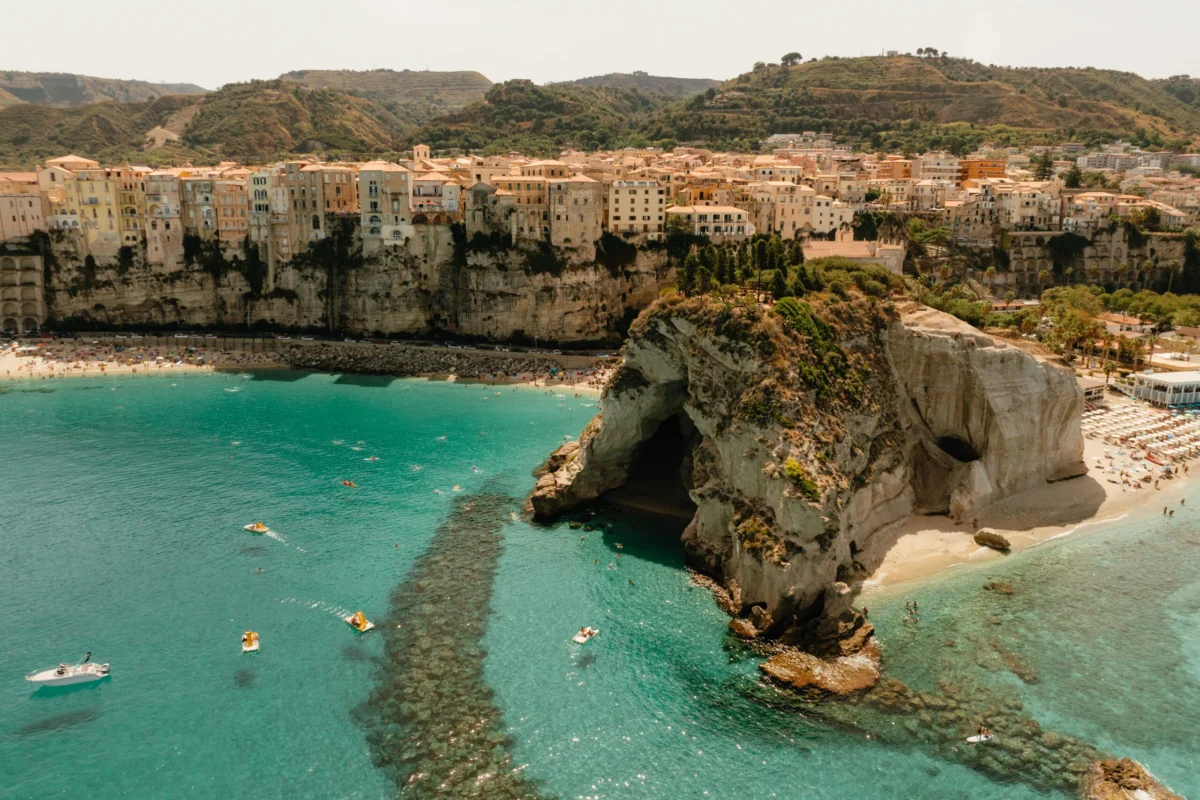
The southern Italian region of Calabria, often described as the "toe" of the Italian peninsula, is currently undergoing a significant transformation in its global travel profile. Long overshadowed by the high-traffic destinations of Tuscany, the Amalfi Coast, and Sicily, Calabria is repositioning itself as a premier destination for travelers seeking a synthesis of ancient mythology, artisanal heritage, and high-end sustainable tourism. This shift is characterized by a move away from mass-market seaside vacations toward "slow travel" experiences that highlight the region’s deep historical roots and its burgeoning fine-dining scene.

In the coastal town of Pizzo, the intersection of modern life and ancient myth remains palpable. Local artisans, such as the painter and ceramist Antonio Montesanti, continue to operate bottegas that serve as cultural repositories. Montesanti, known for his depictions of Mediterranean history, frequently references the Greek hero Achilles and the Myrmidons—warriors who, according to local legend, were transformed into swordfish following the death of their commander. This folklore is not merely academic; it persists in the daily practices of Calabrian fishermen, who mark the cheeks of their catch with a crosshatched pattern to symbolically free the souls of these ancient warriors. This continuity of tradition provides a unique value proposition for a region looking to distinguish itself in a crowded European travel market.
The Historical Tapestry of Magna Graecia and the Coast of the Gods
Calabria’s identity is inextricably linked to its period as the heart of Magna Graecia (Great Greece). The region’s 500-mile coastline is divided into two distinct characters: the Tyrrhenian "Coast of the Gods" (Costa degli Dei) to the west and the rugged Ionian coast to the east. The Coast of the Gods, a 34-mile stretch from Pizzo to Nicotera, features dramatic sandstone cliffs and white-sand beaches. Tropea, the most prominent town on this promontory, serves as an architectural testament to the region’s noble past, with sandstone palazzi built by aristocratic families over several centuries.

The historical significance of the region reached a global peak in 1972 with the discovery of the Riace Bronzes. These two fifth-century BCE Greek statues, found by a diver off the coast of Monasterace, are considered among the finest examples of ancient bronze sculpture in existence. Currently housed in the National Archaeological Museum of Reggio Calabria, the statues represent a major draw for cultural tourism, anchoring the city’s identity as a gateway between the Italian mainland and Sicily.
Chronology of Development: From Research Center to Luxury Destination
The evolution of Calabria’s modern reputation can be traced back to several key milestones:

- 1957: The Nicotera Study. Nicotera was selected as one of the primary data-collection centers for the "Seven Countries Study" led by American scientist Ancel Keys. This research eventually defined the "Mediterranean Diet," establishing Calabria as a foundational site for global nutritional standards.
- 1972: The Riace Bronzes Discovery. The retrieval of these ancient masterpieces shifted the focus of Italian archaeology toward the Calabrian coast, necessitating the modernization of the region’s museum infrastructure.
- 2002: The Sicilian Precedent. Travel experts, including Gary Portuesi of Authentic Explorations, began applying the high-end tourism models successful in Sicily to the Calabrian landscape. This period marked the beginning of "luxury heritage" itineraries.
- 2013: The Silk Revival. The founding of the Nido di Seta cooperative in San Floro marked a turning point for local industry, reviving organic silk production that had been dormant since the late 19th century.
- 2023–2025: Global Recognition and Partnerships. The region’s artisanal products gained international prestige, exemplified by Nido di Seta becoming a supplier for the fashion house Gucci. Simultaneously, luxury outfitters launched dedicated "Savoring & Unveiling Calabria" programs to cater to high-net-worth travelers.
The Economic Impact of the Culinary Revolution
Calabria’s economic narrative is increasingly driven by its agricultural and gastronomic output. The region is the world’s leading producer of bergamot, a citrus fruit essential to the perfume industry and Earl Grey tea. Furthermore, the Cipolla Rossa di Tropea (Tropea red onion) has achieved Protected Geographical Indication (PGI) status, becoming a staple of both local tradition and international exports.
The rise of Michelin-starred dining has further elevated the region’s status. Chef Caterina Ceraudo, operating at her family’s Dattilo estate near Strongoli, has become a standard-bearer for modern Calabrian cuisine. Her approach utilizes organic produce from the family farm to create dishes that bridge the gap between "peasant food" (cucina povera) and high-concept gastronomy. Notable examples include the use of sardella—a spicy paste known as "the caviar of the poor"—reimagined within delicate phyllo pastry.

The "gelato economy" also remains a significant driver for local businesses. Pizzo is internationally recognized for its Tartufo, a hand-molded hazelnut and chocolate ice cream bomb. Rival establishments like Bar Gelateria Ercole and Bar Dante contribute to a competitive artisanal environment that attracts thousands of visitors annually, sustaining the local service sector through the extended summer season.
Artisanal Industry and the Gucci Connection
In the hinterland village of San Floro, the Nido di Seta cooperative has demonstrated the viability of traditional crafts in a modern economy. By planting over 3,000 mulberry trees, the cooperative has revived a silk trade that once supplied the royal courts of Europe. This revival is not merely a historical reenactment; it is a functioning industrial model.
.jpg)
In 2023, the cooperative began supplying organic silk to Gucci, a move that analysts suggest signals a broader trend of luxury brands seeking authentic, small-batch provenance for their materials. This partnership provides a critical economic boost to a region that has historically struggled with high emigration rates and a lack of industrial diversification. It also honors the legacy of local fashion icons like Gianni Versace, who was born in Reggio Calabria and began his career in his mother’s dressmaking atelier.
Logistics and Infrastructure: Navigating the "Toe" of Italy
Despite its growing popularity, Calabria presents unique logistical challenges. The region’s infrastructure is a mix of modern transit and notoriously slow routes. The Lamezia Terme International Airport serves as the primary hub, providing an hour’s access to the major resorts of the Coast of the Gods. Additionally, high-speed rail links from Rome and Naples have improved accessibility for domestic and European travelers.

However, the Ionian coast remains more isolated, often requiring travel along the SS106 highway. This road, while offering spectacular views of the marine reserve of Capo Rizzuto, is known for its slower pace and passage through less-developed seaside towns. Travel experts suggest that this "ruggedness" is part of the appeal for a specific demographic of travelers who view the lack of over-development as a luxury in itself.
Expert Perspectives on the Future of Calabrian Tourism
Gary Portuesi, a specialist in luxury Italian travel, suggests that "Calabria is Sicily 20 years ago." This comparison implies that Calabria is currently in a "sweet spot" of development—possessing sufficient infrastructure for high-end guests (such as the Praia Art Resort and Villa Paola) while maintaining an aura of undiscovered authenticity.

The consensus among travel analysts is that Calabria’s future lies in "niche" segments:
- Ancestry Travel: Second- and third-generation Italians returning to find their family roots.
- Agritourism: Travelers seeking immersion in organic farming and the Mediterranean diet.
- Sustainable Luxury: Boutique hotels that utilize ancient building techniques, such as the le breste (adobe bricks) used in rural restorations.
Conclusion: Balancing Preservation and Growth
As Calabria moves into the 2026 travel season, the regional government and local stakeholders face the challenge of managing growth without sacrificing the "otherness" that makes the region attractive. The current strategy focuses on high-value, low-impact tourism that prioritizes the preservation of Byzantine churches, Greek archaeological sites, and natural parks.

The success of enterprises like Dattilo and Nido di Seta suggests that Calabria’s path forward is one of "cultural reclamation." By valuing its own myths, from the Myrmidons of Achilles to the silk weavers of San Floro, Calabria is proving that the most effective way to attract the world is to remain authentically itself. For the traveler, this means a destination where the scooters still feel like mules, the food still tastes of the earth, and the ancient past is never more than a conversation away.