Johny Marice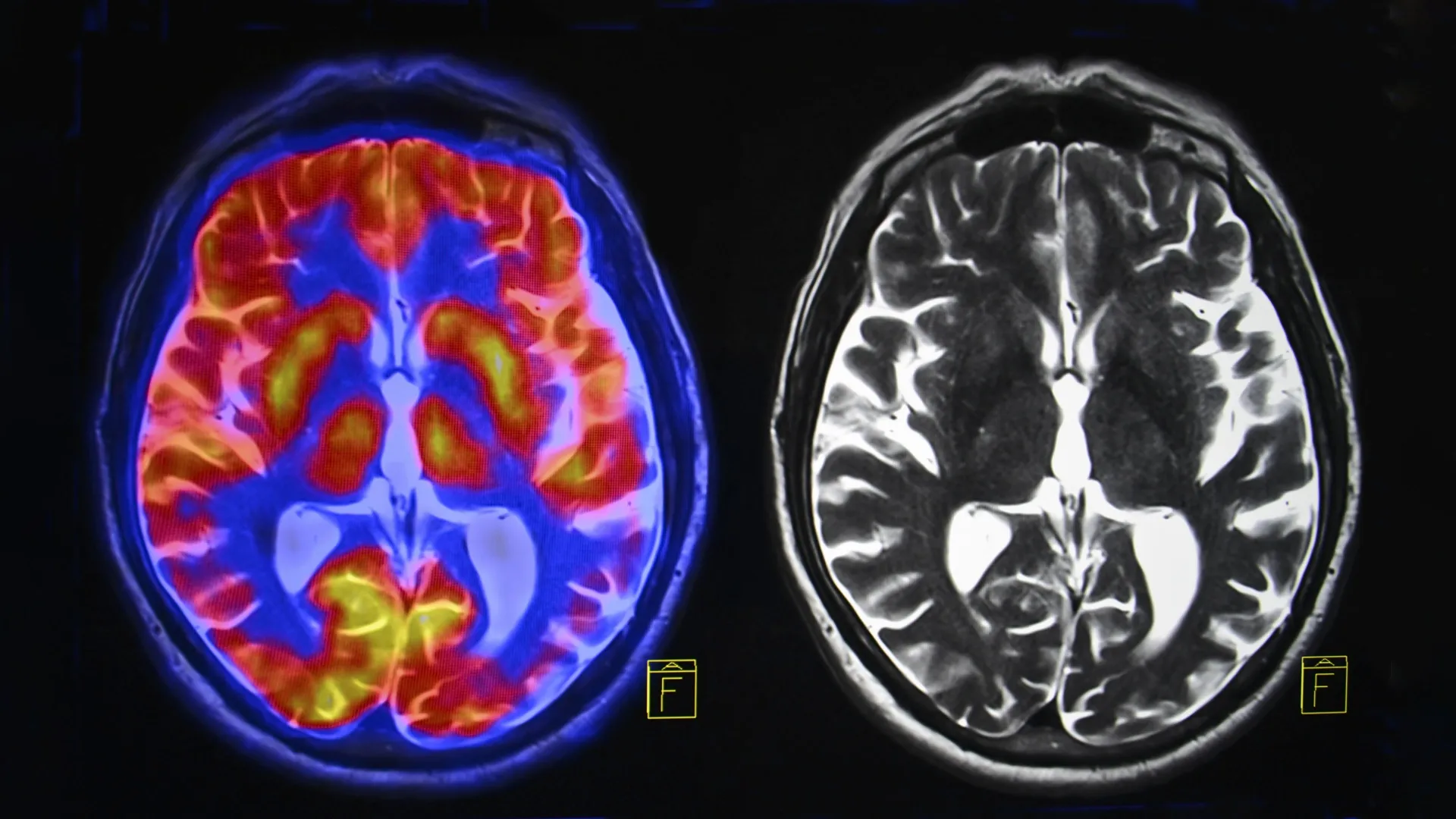
An international team of scientists has uncovered compelling evidence suggesting that autism spectrum disorder (ASD) is not a monolithic condition, but rather comprises at least two distinct biological subtypes. These subtypes are characterized by fundamentally different patterns of communication across the brain. One subtype exhibits unusually high levels of connectivity between various brain regions, a phenomenon termed hyperconnectivity, while the other is marked by reduced connectivity, or hypoconnectivity. This landmark discovery, published in the prestigious journal Nature Neuroscience, holds profound implications for the future of autism diagnosis, care, and treatment, potentially ushering in an era of more personalized and effective interventions.
The pioneering research was spearheaded by a collaborative effort involving leading institutions in both Europe and the United States. The Istituto Italiano di Tecnologia (IIT-Italian Institute of Technology) in Rovereto, Italy, and the Child Mind Institute in New York served as the primary research hubs, with significant contributions also coming from the University of Trento. This multidisciplinary undertaking aimed to bridge the gap between observable behavioral differences in autism and their underlying biological mechanisms, a long-standing challenge in the field.
Unraveling the Complexities of Brain Connectivity in Autism
For decades, the autism spectrum has been recognized for its remarkable heterogeneity. Individuals diagnosed with autism often present with a wide range of strengths, challenges, and symptom severity, making a one-size-fits-all approach to understanding and treating the condition increasingly inadequate. This variability has long hinted at diverse underlying biological pathways, but direct, systematic evidence linking these differences to specific brain characteristics has been elusive until now.
The study’s lead researchers, Alessandro Gozzi, PhD, Director of the Center for Neuroscience and Cognitive Systems (CNCS) at IIT, and Adriana Di Martino, MD, Founding Director of the Autism Center at the Child Mind Institute, orchestrated a comprehensive and innovative research design. Their work represents the first large-scale scientific endeavor to systematically correlate patterns observed in human brain imaging, specifically functional magnetic resonance imaging (fMRI), with their fundamental biological underpinnings. Crucially, this correlation was achieved through the strategic use of sophisticated mouse models, providing a vital biological bridge to human neurobiology.
"For decades, we’ve observed tremendous variability in how autism manifests, but we lacked direct evidence that these differences reflected distinct underlying biology," stated Dr. Alessandro Gozzi, a key figure at the Italian Institute of Technology. "Our approach enabled us to isolate specific genetic and immune factors, then translate those signatures to human brain scans, showing that different connectivity patterns encode different mechanistic pathways underlying autism."
The Power of Mouse Models: A Biological Rosetta Stone
The foundation of this breakthrough lies in the researchers’ ability to meticulously examine functional brain connectivity. The team analyzed data from 20 distinct mouse models engineered to exhibit characteristics relevant to autism. Simultaneously, they analyzed fMRI scans from a substantial cohort of 940 children and young adults diagnosed with autism. These autism-specific brain scans were then meticulously compared against a control group of over 1,000 neurotypical individuals, providing a robust baseline for comparison.
The sophisticated analysis of this extensive dataset yielded a striking revelation: two consistent and distinct subtypes of autism emerged based on brain connectivity patterns.
- Hypoconnectivity Subtype: This group was characterized by reduced communication and information exchange between different brain regions. This pattern, known as hypoconnectivity, was found to be associated with specific synaptic pathways – the crucial communication junctions between neurons.
- Hyperconnectivity Subtype: In contrast, this second subtype displayed increased communication and interconnectedness between brain regions, a pattern termed hyperconnectivity. This elevated connectivity was linked to distinct biological systems, specifically those involved in immune system regulation.
Collectively, these two identified subtypes accounted for approximately 25% of the individuals with autism included in the study. While this figure represents a significant portion of the studied population, the researchers emphasize that it is likely an initial glimpse into a broader spectrum of biological diversity within autism.
The use of mouse models was instrumental in deciphering the biological underpinnings of these connectivity patterns. By combining brain imaging data with detailed genetic and biochemical analyses in mice, the researchers were able to directly link specific patterns of brain connectivity to demonstrable changes at the cellular and molecular level.
"The mouse models gave us a biological ‘Rosetta Stone,’" explained Dr. Adriana Di Martino of the Child Mind Institute. "We could see which biological pathways drive which connectivity signatures, then search for those same patterns in humans." This analogy highlights the critical role of the animal models in deciphering complex neurobiological signals and translating them into a human context. The research demonstrated how molecular mechanisms involving synapses (the communication points between nerve cells) and the immune system could directly influence and produce distinct connectivity patterns detectable by fMRI. This allowed the team to establish definitive biological reference signatures in mice, which they then used to search for matching patterns in human brain scans.
Human Brain Imaging Confirms Biological Signatures
The human brain imaging data utilized in this study was primarily sourced from the Autism Brain Imaging Data Exchange (ABIDE) initiative. ABIDE is a large-scale, international neuroimaging project co-founded by Dr. Di Martino, which aggregates comprehensive datasets from numerous research centers worldwide. This collaborative effort ensures the robustness and generalizability of findings by pooling diverse populations and scanning methodologies. Additional data was also contributed by the Child Mind Institute itself.
When the researchers applied their analytical framework to the ABIDE human data, they were able to identify the same hyperconnectivity and hypoconnectivity patterns that had been observed in the mouse models. This cross-species validation provided strong evidence for the biological reality of these subtypes.
Further bolstering these findings, the team conducted additional gene expression analyses. Brain regions associated with hypoconnectivity in humans showed a significant enrichment of genes related to synaptic function, directly mirroring the cellular mechanisms identified in the hypoconnective mouse models. Conversely, hyperconnected brain regions in humans were found to be enriched for immune-related genes, again aligning precisely with the biological pathways implicated in the hyperconnective mouse models.
A critical aspect of scientific validation is reproducibility. The researchers ensured that the identified subtypes were not a fluke of a specific dataset but appeared consistently across multiple independent human datasets. This rigorous validation process demonstrated the robustness and generalizability of the findings, increasing confidence in their significance.
"Finding the same subtypes reproducible across dozens of independent research sites was critical validation," Dr. Gozzi emphasized, underscoring the importance of this cross-dataset confirmation.
Implications for Personalized Autism Care
The discovery of distinct biological subtypes carries profound implications for the practical application of autism research, particularly in the realm of personalized medicine. While the current study focused on biological markers, the researchers also observed subtle differences in overall brain organization between the two subtypes. Furthermore, modest differences were noted on standard autism assessments. Notably, individuals within the hyperconnectivity group tended to score somewhat higher on measures of autism severity.
"Brain-based biological markers reveal distinctions that current behavioral assessments don’t fully capture," Dr. Di Martino observed, highlighting the potential of neuroimaging to provide a deeper, more objective understanding of autism than behavioral checklists alone.
This nuanced understanding opens the door for tailored diagnostic approaches. Instead of a broad diagnosis of autism, future assessments could potentially identify an individual’s specific biological subtype, allowing for a more precise understanding of their unique neurobiology. This, in turn, could lead to the development of highly individualized care plans. Treatments could then be designed to target the specific underlying biological mechanisms of each subtype, potentially leading to greater efficacy and better outcomes. For example, interventions aimed at modulating synaptic function might be more beneficial for individuals with hypoconnectivity, while those focusing on immune regulation could be more effective for individuals with hyperconnectivity.
However, the researchers are cautious and emphasize that these two identified connectivity patterns likely represent only a portion of the vast biological diversity within autism. As larger datasets become available and analytical methodologies continue to advance, it is plausible that additional subtypes with distinct biological signatures will be identified. The field of autism research is continuously evolving, and this discovery is a significant step forward in understanding its complex etiology.
The research was made possible through substantial international collaboration and funding from several prominent organizations dedicated to advancing autism research. The Simons Foundation Autism Research Initiative, the European Research Council through its #DISCONN and #BRAINAMICS projects, the Brain and Behavior Foundation, Fondazione Telethon, and the US National Institute of Mental Health all provided critical financial support, underscoring the global commitment to unraveling the mysteries of autism. This collaborative spirit and robust funding are essential for tackling complex scientific challenges of this magnitude and translating fundamental discoveries into tangible benefits for individuals with autism and their families.