Ana Megawati
Indoor cats, despite the comfort and safety of domestic life, often face a significant challenge: chronic boredom. This lack of stimulation can manifest in a range of problematic behaviors and, critically, contribute to serious health issues. The narrative of a cat named Tux, who famously derailed a Zoom meeting by systematically dislodging and shattering coffee mugs from a cabinet, serves as a vivid illustration of this pervasive problem. Such disruptive actions, while sometimes amusing, are often distress signals from an under-stimulated feline.

The Silent Struggle: Recognizing Feline Boredom and Its Health Risks
The seemingly mischievous antics of cats like Tux are more than just a nuisance; they are often a plea for engagement. Stephanie Merlin, a certified cat behavior specialist and founder of The Fulfilled Feline, a private practice dedicated to behavioral consultations, emphasizes this point. "Things like knocking items off tables, scratching furniture, chewing on objects, or persistently seeking attention can all be a cat’s way of saying, ‘I’m bored and I need more to do,’" Merlin states. She further notes that even excessive sleeping, often misconstrued as typical feline laziness, can be a symptom of profound boredom. "We have a lot of preconceived ideas about cats being low-energy, aloof or independent, and those assumptions can lead us to misread what’s really going on," she adds, highlighting a common misunderstanding among cat owners.
The ramifications of prolonged boredom extend beyond behavioral issues, delving into significant health concerns. Dr. Amy Smith, a veterinarian at Bentley Veterinary Services in Franklin, Tennessee, warns, "Cats can develop health issues such as obesity that can lead to diabetes if not getting the proper amount of exercise through enrichment and play." This observation is corroborated by alarming scientific data. A paper published in Preventive Veterinary Medicine in 2025 revealed that a staggering 40% of cats seen at primary veterinary practices in the US were classified as overweight or obese as young adults. This statistic underscores the urgent need for comprehensive enrichment strategies to combat sedentary lifestyles and prevent metabolic diseases that can severely impact a cat’s quality of life and longevity. Unchecked obesity can lead to a cascade of health problems including arthritis, urinary tract diseases, and even certain types of cancer, making enrichment not just a luxury, but a vital component of preventative care.
The transition of domestic cats from primarily outdoor or free-roaming existences to predominantly indoor lives has significantly altered their environmental needs. While indoor living protects them from traffic accidents, predators, and infectious diseases, it often deprives them of the complex sensory and physical challenges inherent in their natural hunting and exploring behaviors. This shift necessitates a deliberate and thoughtful approach to creating stimulating indoor environments that cater to their innate instincts. Recognizing that outdoor access is not a viable or safe option for every cat or owner, a panel of eleven cat experts was consulted to gather actionable advice on enhancing the lives of indoor felines. Their recommendations offer a holistic framework for fostering happier, healthier, and more engaged cats.
Cultivating a Stimulating Indoor Environment
Transforming a static indoor space into a dynamic and engaging habitat is fundamental to feline enrichment. The experts provided several practical strategies to mimic the varied experiences of the outdoors and provide essential mental and physical exercise.
Bringing the Wild Indoors Through Sensory Exploration:
For cats that remain strictly indoors, introducing natural elements can provide invaluable sensory enrichment. Cat behaviorist Moss suggests simple yet effective methods: "Bring in items like sticks and leaves and dirt — even your junkmail — to let them sniff and explore." These seemingly mundane items offer a rich tapestry of scents and textures that engage a cat’s highly developed olfactory and tactile senses, tapping into their instinctual curiosity. The anecdotal success of Tux finding joy in a simple stick when other toys failed highlights the power of authentic, natural stimuli.
Maximizing Vertical Space and Views:
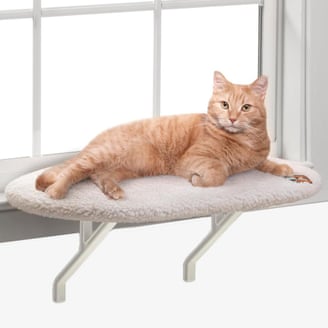
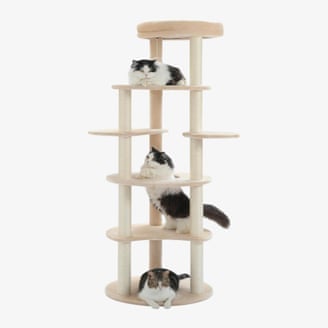
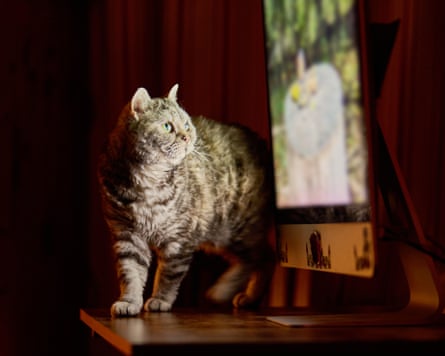
Cats are arboreal by nature, thriving in elevated positions that offer security and a commanding view of their territory. Five of the consulted experts strongly advocated for the installation of window perches or cat towers, strategically placed to overlook outdoor bird feeders. This arrangement provides "cat television" – a continuous, live wildlife documentary that offers profound mental stimulation without direct outdoor exposure. Cat behaviorist Galaxy noted, "If you put a cat-friendly element in all of the windows in your home… the end result is enrichment of their lives." These vantage points not only satisfy a cat’s observational instincts but also provide a sense of security and territorial oversight, crucial for their psychological well-being. A multi-level cat tree, such as Tux’s preferred 61-inch model, allows felines to choose their ideal observation post and offers easy maintenance for owners.

Emulating Natural Hydration and Foraging Patterns:
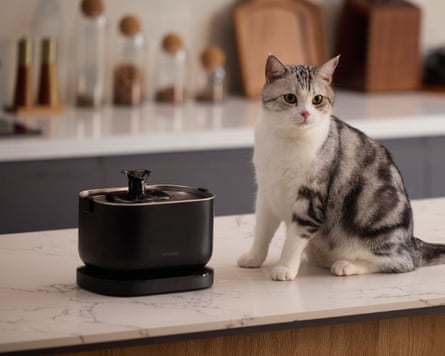
Feline hydration is critical, and replicating natural water sources can encourage increased water intake. Campbell, an expert on the panel, points out, "Cats are drawn to moving water because it’s less likely to be contaminated." Investing in a high-quality cat water fountain, ideally made from stainless steel or ceramic, addresses this innate preference, promoting better kidney health and overall hydration.
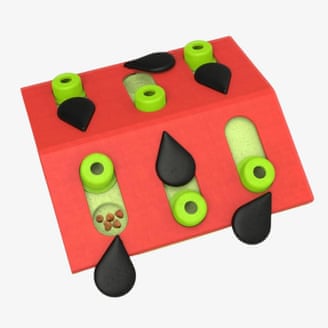
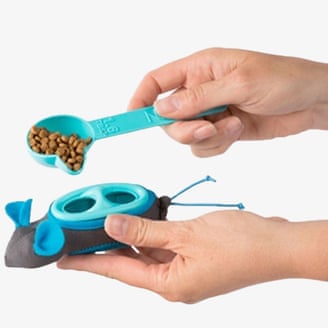
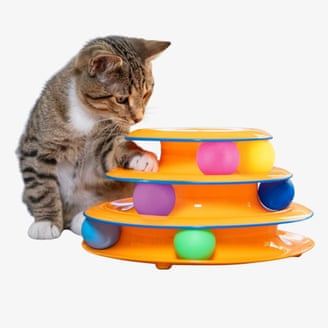
Similarly, mealtime can be transformed from a passive event into an engaging hunting simulation. Puzzle feeders are universally lauded by experts for their ability to "tap into both movement and problem-solving," according to Merlin. These devices, which require cats to interact and strategize to access their food, replace the monotonous experience of a simple food bowl. Options range from cardboard puzzles like Cat Amazing, where cats use their paws to retrieve kibble, to plastic designs like Melon Madness that feature flippers for nudging and swiveling. For wet food, textured Lickimats encourage slower eating and provide a satisfying oral experience. Environmentally conscious owners can also craft DIY puzzle feeders from everyday items like paper towel rolls or egg cartons, as suggested by Moss. For cats left alone for extended periods, Merlin recommends a "scavenger hunt" by hiding food-filled toys, such as Doc and Phoebe’s Hunting Mice, around the house. This mimics a cat’s natural foraging behavior, providing sustained mental and physical engagement throughout the day. Tux’s preference for an adjustable feeder ball paired with treats demonstrates how customizable challenges can keep a cat consistently interested.
Optimizing Solo Engagement and Playtime Dynamics
Beyond environmental enhancements, strategic toy selection and mindful play techniques are paramount to satisfying a cat’s predatory instincts and maintaining their interest.
The Crucial Role of Prey Toys:
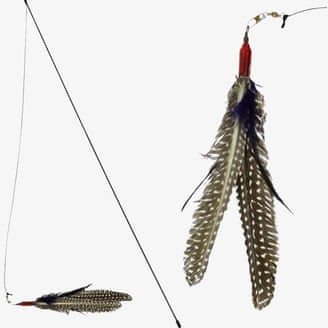
"Cats need to express their hunting instinct," asserts Galaxy, emphasizing that this is not a recreational activity but a fundamental biological necessity. Wand toys, in particular, excel at simulating prey movement. Nagelschneider enthusiastically endorses GoCat’s Da Bird, describing it as remarkably realistic: "It really looks and sounds like a bird flapping its wings. I can’t imagine a cat owner not having this toy." The availability of interchangeable attachments for wand toys ensures longevity and variety, preventing boredom once a cat has "caught" a particular lure too many times. Tux’s enjoyment of a retractable wand toy with fuzzy worm attachments, reminiscent of lizards he observes, illustrates the power of matching toys to a cat’s specific "prey profile."
Creating Ambush Opportunities:
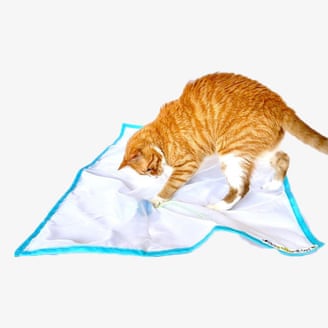
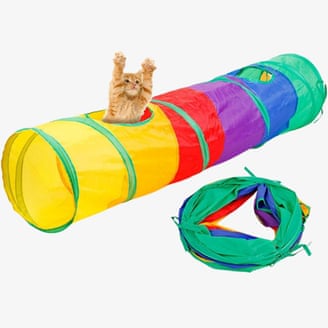
For cats that relish surprise attacks and burrowing, products that transform the environment into a dynamic hunting ground are ideal. Merlin recommends "Sheer Fun for Cats," a durable polyester fabric with crinkle paper that can be draped over furniture to create new hiding spots or laid flat for pouncing. The versatile Ripple Rug allows owners to reshape it into various tunnel formations, providing ample opportunities for active cats to burn energy through attacking and exploring. Merlin highlights the importance of choice: "It gives them options, which is a big part of engagement." The portability and easy storage of these items further enhance their appeal. Tux’s enjoyment of hiding in his iCAGY Cat Tunnel while a wand toy is dragged overhead exemplifies this instinctual behavior.
Harnessing the Power of Kicker Toys:
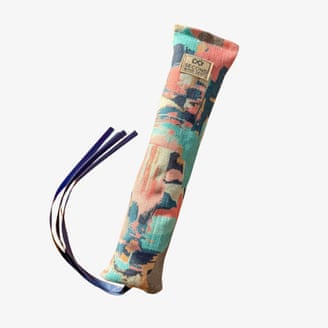
The "bunny-kick," a characteristic feline maneuver where a cat latches onto an object with its front paws and vigorously kicks with its hind legs, is a natural behavior used to subdue prey. Kicker toys are specifically designed to elicit this response. Campbell notes, "I’ve had cats completely ignore other toys but immediately latch onto a good kicker and go full bunny kick mode." These toys, often filled with potent attractants like organic catnip, silvervine, or valerian root, provide an intense, satisfying outlet for this predatory instinct. Tux’s preference for crinkly, fluffy kicker pillows showcases the varied appeal of these toys.
Enhancing Toys with Natural Attractants:
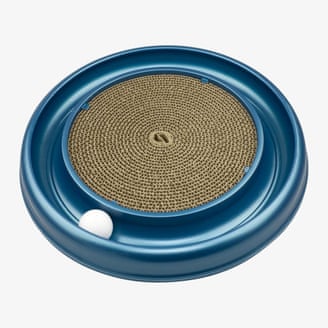
A small quantity of catnip can re-ignite interest in a forgotten toy. For cats unresponsive to catnip, silvervine, a related plant, often produces a similar euphoric effect, making it a valuable alternative. Moss specifically recommends Dezi & Roo’s Cloud Nine Silvervine. For an immersive catnip experience, Merlin suggests Yeowww’s line of toys, known for their generous catnip stuffing and durable, vegetable-dyed cotton twill. Tux’s routine of enjoying catnip sprinkled on his hunting box and silvervine sticks for chewing demonstrates how these natural enhancers can be integrated into a cat’s play regimen.
Optimizing Play Interaction for Maximum Engagement:
The manner in which an owner engages with their cat during playtime is as crucial as the toys themselves.
Deciphering Prey Preferences:
Not all cats are captivated by the same movements. Bell advises owners to identify their cat’s preferred "prey type." "Some cats prefer ‘hunting’ prey that crawls along the ground, some prefer jumping for prey flying through the air, and some prefer zig-zagging bugs," she explains. Experimenting with different movement patterns using the same toy can reveal a cat’s specific preferences before an owner dismisses a toy entirely.
Authentic Movement is Key:
Simply waving a toy in a cat’s face is rarely effective. "Most of the time, it’s not about needing a completely different toy, it’s about changing how the toy is being used," Merlin highlights. Campbell concurs, stating, "Cats are ambush hunters, so if we’re just waving a toy in their face, it doesn’t feel enticing to them." Both experts advocate for movements that authentically mimic natural prey: darting, fluttering, pausing, and jumping. Nagelschneider further elucidates the neurological aspect, explaining that cats are hardwired to find the hunt itself rewarding. They often "half-kill their prey so that it runs away and hides," activating the "seeking circuit" in their brain’s reward center, which she describes as "the best feeling they can experience. It’s even much better than when they catch the prey or eat it." Incorporating hiding and reappearing movements with toys around corners or under blankets can effectively tap into this powerful drive.
The Art of Observation:
It’s important not to misinterpret a cat’s lack of immediate pouncing as disinterest. Merlin reminds owners that "play doesn’t always have to look like constant chasing or attacking. That buildup of watching, waiting, and timing is a really important part of how cats naturally interact with prey." This observational phase is particularly vital for timid or newly adopted cats, allowing them to build confidence. Signs of intentional observation include crouching, chirping, whiskers curled forward, and a low tail with a slow twitch.
Ensuring a Satisfying Conclusion:
A successful play session culminates in a "kill." "Let them catch the toy and kick it and bite it," advises Moss, drawing a parallel: "if you never won a game, you probably wouldn’t want to keep playing either." Campbell suggests tapering the toy’s movements as if it’s losing the fight, then rewarding the cat with a treat or meal, thereby completing the natural hunt-kill-eat sequence that is deeply ingrained in feline behavior.
Maintaining Novelty Through Rotation:
Cats, like humans, can tire of the same stimuli. Regular toy rotation is essential to sustain interest. Campbell has observed cats requiring multiple toy changes within a single play session, while Galaxy recommends storing toys out of sight when not in use to ensure each reappearance feels fresh and exciting.
Age-Appropriate Play:
Play styles must adapt to a cat’s age and physical capabilities. For high-energy kittens, "fancy" toys are unnecessary; "just motion" is enough, as Smith notes. Morris, co-host of The Purrrcast, swears by basic fishing-type rods for their ability to encourage jumping and leaping. Ashraf recommends the simple Cat Dancer, a wire with crinkly cardboard, which mimics a winged insect. For senior cats, slower, ground-based play is more appropriate. "For senior cats, you might drag the toy a little slower along the ground," Bell suggests, emphasizing the goal of "tapping into the hunter at any age." Merlin points out that often, it’s about modifying the use of existing toys rather than purchasing new ones as a cat ages.
The Laser Pointer Debate:
The use of laser pointers divided the experts. Marvets, for instance, advocates for their outright ban, arguing, "It is a no-win for the cat." Those who permit laser pointers stress the critical importance of allowing the cat to "catch" the laser’s red dot to prevent frustration. Bell advises, "I always make sure to end playtime by giving them something they can actually capture so they don’t feel frustrated. You can point the laser on a treat so they eat that treat, and then, whoa, they got the red dot!" For cats overly fixated on laser pointers, Campbell suggests a gradual weaning process that incorporates both the laser and a tactile toy within the same play session.
The Enduring Magic of Cardboard Boxes:
In stark contrast to the laser pointer debate, cardboard boxes received unanimous praise. Valued for their inherent comfort as enclosed spaces that retain a cat’s scent, boxes offer security and a sense of ownership. Merlin proposes transforming them into foraging opportunities by adding ping-pong balls, crumpled paper, or catnip. Campbell succinctly captures their appeal: "How often do we buy our cats something pricey, only for them to ignore it and sit in the box it came in instead? Cats don’t need luxury; they need opportunities to feel like cats." This underscores the principle that effective enrichment doesn’t always require expensive gadgets.
Thoughtful Outdoor Access: Benefits and Precautions
While indoor living is generally safer, controlled outdoor access can significantly enhance a cat’s life, provided it’s managed carefully.
Catios: The Safe Outdoor Compromise:
Cat enclosures, or "catios," have surged in popularity as a safe means of providing outdoor exposure. Dr. Smith regards them as the optimal solution for allowing cats to enjoy fresh air and sensory input without the risks of anxiety, trauma, or disease associated with unsupervised outdoor roaming. These structures offer a secure environment for cats to observe their surroundings, feel the sun, and listen to outdoor sounds. Tux’s enjoyment of his Aivituvin catio, accessible via a window cat door, exemplifies how these enclosures can integrate seamlessly into a cat’s daily routine, providing consistent stimulation.
Leashes, Backpacks, and Strollers: Weighing the Risks:
For those without space for a catio, other options exist, though they come with varying degrees of risk and suitability. Strollers are generally considered less frightening for some cats, as Smith notes, but they carry a "higher chance of getting loose." Ashraf advises using strollers equipped with harness attachments and seeking out quiet, low-stress outdoor environments like parks or private yards to minimize stress and escape risks. Cat backpacks, particularly those made of plastic, are generally viewed as more problematic due to inadequate ventilation, which can lead to overheating, and a lack of structural support and space for comfortable movement.
Safe Leash Walking Practices:
The success of leash walking hinges on gradual acclimation and an owner’s risk tolerance. Merlin stresses the importance of "gradual acclimation and making sure the cat feels safe and comfortable, not rushed into it." Burns recommends a snug-fitting harness—allowing one finger, but not two, beneath the straps—and emphasizes the necessity of maintaining monthly preventative medications for fleas, ticks, and heartworms. A critical safety measure for any cat venturing outdoors is a breakaway collar, which Campbell suggests equipping with an AirTag holder for easier location in the event of an escape. Tux’s experience with a RabbitGoo Cat Harness and Leash demonstrates that with patience and the right equipment, some cats can safely enjoy supervised outdoor excursions.
Conclusion: A Commitment to Feline Well-being
The enrichment of an indoor cat’s life is a multifaceted responsibility that extends beyond providing basic food and shelter. It requires a deep understanding of feline ethology, a commitment to consistent engagement, and a willingness to adapt environments and play strategies. By integrating natural elements, providing vertical spaces, making mealtimes mentally stimulating, engaging in realistic prey-simulating play, and carefully considering controlled outdoor access, owners can significantly improve their cats’ physical health, mental acuity, and overall happiness. The advice from these eleven cat experts underscores a fundamental truth: cats don’t necessarily need luxury; they need opportunities to express their inherent feline nature. This dedication to enrichment not only prevents behavioral issues and serious health complications but also strengthens the bond between cat and owner, fostering a truly fulfilled feline companion.