Kang Muslim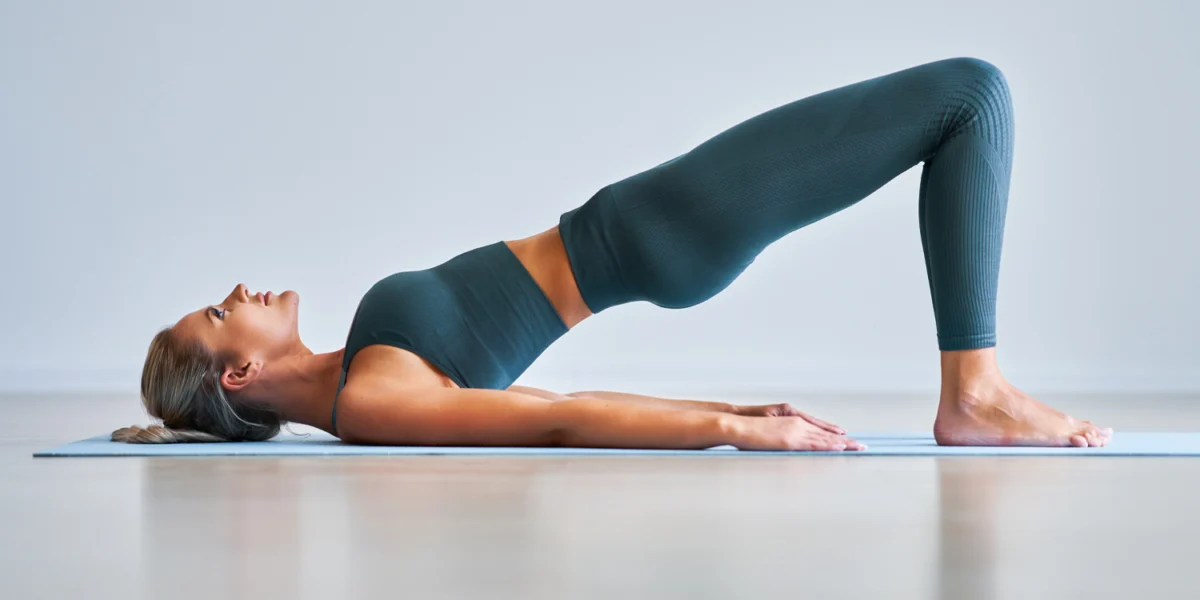
A paradigm shift in sleep medicine is underway as new research suggests that the long-standing advice to simply "exercise more" is insufficient for addressing the global sleep crisis. Four independent, comprehensive meta-analyses published in the journals Sleep and Biological Rhythms, BMC Geriatrics, Complementary Therapies in Medicine, and Frontiers in Psychology have provided a definitive roadmap for using physical activity as a targeted intervention for sleep disturbances. By analyzing data from thousands of participants, researchers have determined that the most effective exercise "dosage" depends entirely on an individual’s age, mental health status, and specific medical diagnoses.
For decades, the medical community has recognized a correlation between physical exertion and better rest, but the lack of specific guidelines has left patients guessing. These new findings replace generalities with precise prescriptions, identifying the exact type, duration, and intensity of movement required to optimize sleep architecture for different populations. This transition toward "precision exercise medicine" comes at a critical time, as the World Health Organization (WHO) and the Centers for Disease Control and Prevention (CDC) continue to report rising rates of chronic insomnia and its associated comorbidities, including cardiovascular disease and cognitive decline.
The Global Context: Moving Beyond Pharmacological Sedation
Sleep disturbances are no longer viewed as mere inconveniences; they are recognized as significant public health threats. Chronic lack of rest is linked to a weakened immune system, metabolic dysfunction, and the exacerbation of psychiatric conditions such as clinical depression and generalized anxiety disorder. Traditionally, medical providers have relied on sedative-hypnotic medications, such as benzodiazepines or "Z-drugs," to provide relief. While effective in the short term, these pharmacological interventions carry significant risks, including physical dependency, cognitive impairment, and a "hangover effect" that impacts daytime productivity.
The demand for non-pharmacological alternatives has reached an all-time high. However, clinical guidelines have historically been vague, offering broad suggestions for "regular physical activity" without clarifying whether a patient should engage in high-intensity interval training, steady-state cardio, or mind-body practices like yoga. To bridge this gap, four research teams utilized network meta-analyses to compare different exercise modalities and establish a hierarchy of effectiveness.
Methodology: The Science of Network Meta-Analysis
The strength of these findings lies in the use of network meta-analyses, a sophisticated statistical technique that allows researchers to compare multiple treatments across various studies simultaneously. Unlike traditional meta-analyses, which might only compare exercise to a control group, a network analysis can rank different types of exercise against each other—even if those exercises were never directly compared in a single trial.
By exclusively analyzing randomized controlled trials (RCTs)—the gold standard of clinical research—the teams ensured that their conclusions were based on high-quality, unbiased data. Most of the analyzed studies utilized the Pittsburgh Sleep Quality Index (PSQI), a validated tool that measures seven domains of sleep, including duration, latency (the time it takes to fall asleep), and daytime dysfunction. This rigorous approach allowed researchers to translate subjective patient experiences into actionable, evidence-based data.
Yoga as a Primary Intervention for Clinical Sleep Disorders
The first analysis, led by Li Li of Harbin Sport University, focused on adults already diagnosed with clinical sleep disorders. This group typically experiences the most severe disruptions and often requires the most potent interventions. After aggregating data from 30 trials involving 2,576 participants, the results were clear: yoga is the superior intervention for this demographic.
The research identified a very specific "sweet spot" for yoga’s efficacy. The most successful participants practiced yoga twice a week for sessions lasting no longer than 30 minutes. Surprisingly, the study found that high-intensity yoga yielded better results than gentle stretching, provided it was sustained for a period of eight to ten weeks.
The biological mechanism behind this success is rooted in the parasympathetic nervous system. Yoga combines physical postures with rhythmic breathing (pranayama), which directly signals the brain to lower the heart rate and reduce blood pressure. By "training" the nervous system to relax, yoga helps patients transition into the deeper, slow-wave stages of sleep that are essential for physical repair and memory consolidation. Crucially, the 30-minute cap prevents the overproduction of cortisol, a stress hormone that can inadvertently keep the body in a state of high alert if the workout is too long or strenuous.
Synergistic Training for the Aging Population
As the body ages, sleep architecture naturally degrades. Older adults often experience "sleep fragmentation," characterized by frequent nighttime awakenings and an earlier-than-desired wake time. A research team led by Zhiyu Xiong and colleagues investigated this phenomenon by analyzing 62 trials involving over 5,000 participants over the age of 60.
The study found that for older adults, a "multimodal" approach is most effective. Combining aerobic exercise (such as brisk walking) with resistance training (lifting weights or using elastic bands) outperformed any single form of exercise. This dual approach addresses the unique challenges of aging; resistance training helps mitigate the joint pain and muscle stiffness that often wake seniors during the night, while aerobic exercise helps regulate core body temperature rhythms which often become "flat" or desynchronized in later life.
The researchers calculated a precise weekly dose: 990 metabolic equivalent (MET) minutes per week. To put this into perspective, a person walking at a moderate pace (3.0 mph) earns approximately 3.5 METs per minute. Reaching the 990-minute target equates to roughly 150 to 200 minutes of moderate activity per week, which aligns with the upper end of WHO physical activity guidelines. The study noted that benefits peaked at 15 weeks, suggesting that consistency is more important than increasing intensity beyond a certain threshold.
Addressing Emotion-Related Insomnia Through Glandular Regulation
The intersection of mental health and sleep was the focus of Baoyi Ouyang’s team at Beijing Sport University. They examined 1,836 patients suffering from emotion-related insomnia (ERI)—a condition where sleep is sabotaged by the "racing thoughts" associated with anxiety and depression.
For this group, combined aerobic and resistance exercise again emerged as the most effective strategy. The researchers highlighted the role of the hypothalamic-pituitary-adrenal (HPA) axis, the body’s central stress response system. Physical exertion helps stabilize this axis, preventing the "hyperarousal" that characterizes ERI.
Furthermore, frequent exercise increases the accumulation of adenosine in the brain. Adenosine is a natural byproduct of cellular energy expenditure that builds up throughout the day, creating "sleep pressure." By the time an anxious individual reaches the end of a day that included a structured workout, their adenosine levels are high enough to help the brain overcome the psychological barriers to sleep.
Aerobic Exercise and the Thermal Window in Women’s Health
The fourth study, spearheaded by Shuang Li of Zhaoqing University, focused on healthy adult women. Women are statistically more likely than men to report poor sleep quality, often due to the hormonal fluctuations associated with the menstrual cycle, pregnancy, and menopause.
The analysis of 261 women revealed that straightforward aerobic exercise is the most effective tool for this group. The researchers pointed to the "thermal regulation" hypothesis: aerobic exercise causes a rapid rise in core body temperature, followed by a steady, significant drop in temperature over the subsequent hours. This post-exercise cooling mimics the body’s natural circadian rhythm, where a drop in temperature serves as a primary biological signal that it is time to sleep.
Interestingly, the study ranked stretching as the least effective intervention for improving sleep quality in women. While stretching improves flexibility, it does not trigger the significant metabolic or thermal shifts required to reset a disrupted biological clock.
Implications for Public Health and Clinical Practice
The collective findings of these four studies represent a significant advancement in how clinicians should prescribe exercise. The data suggests that "more is not always better" and that the type of movement must be matched to the patient’s specific physiological and psychological profile.
"These studies provide us with a level of granularity we haven’t had before," says Dr. Elena Rossi, a sleep specialist not involved in the research. "We can now move away from telling a 70-year-old to ‘just get some steps’ and instead suggest a 15-week program of combined walking and light weightlifting for a specific number of minutes. That is a game-changer for patient compliance and outcomes."
Limitations and the Path Forward
Despite the depth of these meta-analyses, the researchers identified several areas for future improvement. A primary limitation is the reliance on subjective data. Most studies used the PSQI, which relies on a participant’s memory and perception. To confirm these findings with biological precision, future research must utilize polysomnography—laboratory sleep studies that monitor brain waves, heart rate, and oxygen levels.
Additionally, the "timing" of exercise remains a debated topic. While these studies identified the "what" and the "how much," they did not definitively answer "when." Some evidence suggests that evening exercise may be too stimulating for some, while others benefit from the late-day temperature spike.
As the scientific community continues to unravel the complexities of human rest, one thing is clear: exercise is not a monolithic habit, but a versatile medicine. By tailoring the routine to the individual, the path to a restful night becomes less a matter of chance and more a matter of science. For the millions of people worldwide struggling with exhaustion, these four studies offer a promising, drug-free roadmap to recovery.