Danny Garick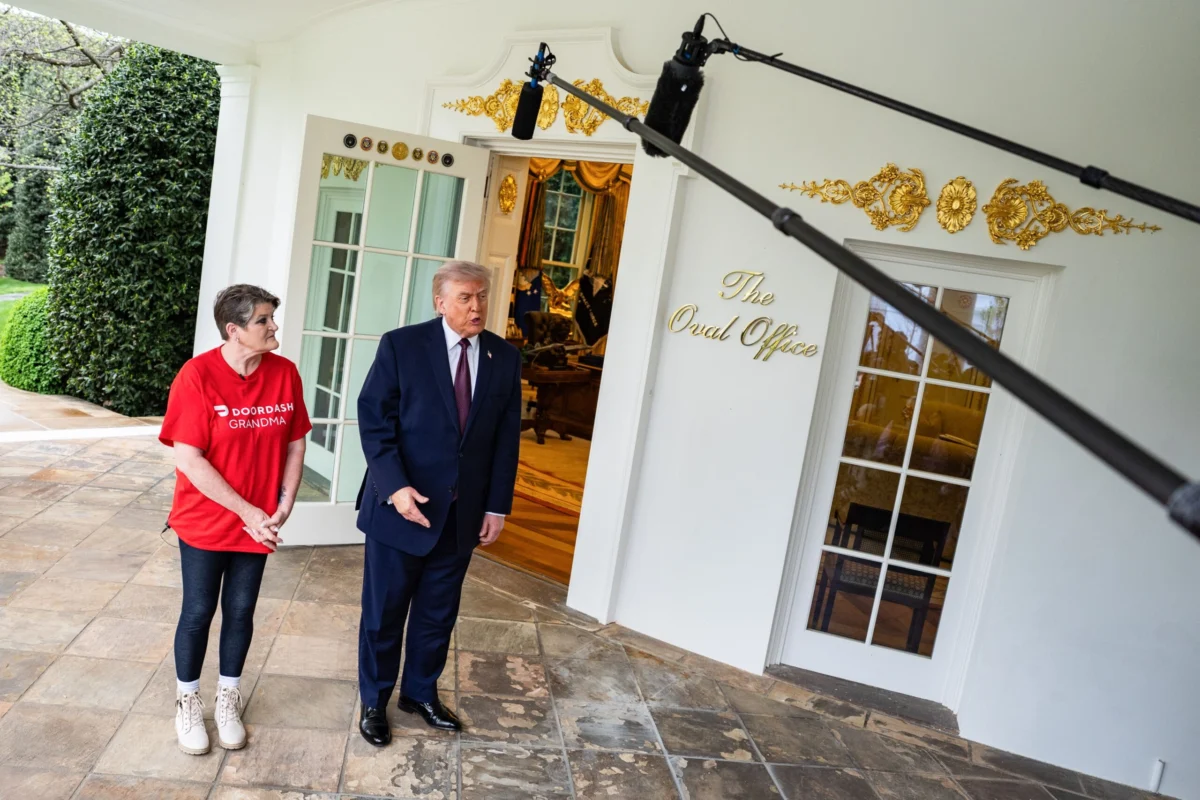
The American culinary landscape is currently undergoing a period of significant transformation, driven by a confluence of inflationary pressures, shifts in regional influence, and the increasing involvement of private equity in traditionally local artisanal sectors. From the skyrocketing prices of staple poultry dishes in New York City to the expansion of Utah-based beverage trends into the mainstream fast-food market, the industry is grappling with a new reality where cultural relevance and economic viability are often at odds. As consumers navigate these changes, the intersection of food, politics, and corporate identity has become more pronounced, reflecting broader societal tensions and the evolving nature of the domestic dining experience.
The Economics of the Premium Rotisserie Chicken
The debate over dining affordability reached a fever pitch this week following the viral response to a rotisserie chicken offering at Gigi’s, a restaurant located in the Greenpoint neighborhood of Brooklyn. The dish, priced at $77, includes a whole roasted chicken accompanied by potatoes and three sauces. While the restaurant also offers a half-portion for $40, the price point has sparked a national conversation about the limits of consumer tolerance for high-end comfort food.
The controversy was ignited by a social media post from New York City Council Member Chi Ossé, who questioned the justification for a $40 half-chicken at a local establishment. The backlash highlights a growing disconnect between the operational costs faced by restaurateurs and the expectations of a public dealing with persistent inflation. According to Hugo Hivernat, the owner of Gigi’s, the pricing is a direct reflection of the current economic climate rather than a desire for excessive profit margins. Hivernat cited the "affordability crisis" and rising overhead costs as the primary drivers behind the menu pricing, suggesting that the restaurant is merely passing on the increased costs of labor, rent, and high-quality ingredients to the consumer.
Industry data supports the claim that the cost of poultry has seen significant volatility. While wholesale prices fluctuate, the "heirloom" or organic birds often used by high-end bistros command a premium that is significantly higher than standard supermarket varieties. When combined with New York City’s labor costs and the energy required for rotisserie preparation, the $77 price point, while jarring to some, represents a growing trend of "premiumization" in simple, traditional dishes.
The Financial Trajectory of the Utah-Born Dessert Empire
The rapid expansion of Crumbl, a bakery franchise founded in Utah, has served as a case study for the "Utah-ification" of American snack culture. In 2023, Crumbl was recognized as the fastest-growing dessert shop in the United States, fueled by a rotating weekly menu and a dominant presence on social media platforms like TikTok. However, recent financial disclosures suggest that the brand’s meteoric rise may be cooling.
Franchise documents from 2024 and early 2025 indicate a slowdown in unit growth and a decline in the average revenue generated per franchise location. This trend suggests that the market for high-calorie, premium-priced cookies may be reaching a point of saturation. Analysts point to several factors for this decline, including the cyclical nature of viral food trends and the challenges of maintaining consistency across a massive national footprint.
The struggle of Crumbl stands in contrast to the broader success of the "Dirty Soda" movement, another Utah export. Dirty Soda—typically a mixture of soda, cream, and flavored syrups—has moved from a regional specialty associated with the Church of Jesus Christ of Latter-day Saints to a national phenomenon. The trend’s visibility was further boosted by its featured role in the reality series The Secret Lives of Mormon Wives. The success of this category has been so pronounced that it has caught the attention of the world’s largest fast-food chain.
McDonald’s and the Mainstreaming of Dirty Soda
In a strategic move to capture the growing demand for customized beverages, McDonald’s has announced the addition of "crafted sodas" and energy drinks to its menu. Among the new offerings is a "Dirty Dr. Pepper," which mirrors the Utah-style preparation by mixing the classic soda with coconut cream and lime. This move marks a significant pivot for McDonald’s as it seeks to compete with specialty beverage chains like Swig and Dutch Bros.
The adoption of Dirty Soda by a global titan like McDonald’s signals the final stage of the trend’s journey from niche cultural artifact to standardized commodity. For McDonald’s, the move is likely an attempt to bolster afternoon sales—a time period where beverage-focused chains typically see their highest traffic. By integrating these "crafted" options, the company is leveraging existing infrastructure to tap into a high-margin product category that appeals to younger demographics.
Private Equity and the National Bagel Expansion
The bagel industry, long characterized by local, independent shops with distinct regional identities, is the latest sector to attract the attention of private equity and large-scale investment funds. Traditionally, the "best" bagels were considered the exclusive domain of New York City, but recent years have seen a shift in critical acclaim toward artisanal shops in Los Angeles and the San Francisco Bay Area, such as Courage Bagels and Boichik Bagels.
As these independent shops gain national recognition, investment funds are providing the capital necessary for rapid expansion. The goal is to transform localized success stories into national brands. While this influx of capital allows more consumers to access high-quality products, it also raises concerns about the "corporatization" of the bagel. The artisanal process of boiling and baking bagels is difficult to scale without compromising the texture and flavor that defined the original product.
Critics of private equity involvement in the food industry often point to a pattern where initial expansion is followed by cost-cutting measures that can erode the very quality that made the brand successful. Whether these new-wave bagel empires can maintain their "lo-fi" charm and artisanal integrity under the pressure of delivering returns to investors remains a central question for the industry in 2026.
Food as a Tool for Political Communication
The intersection of food and politics was on full display recently when former President Donald Trump utilized a McDonald’s DoorDash delivery to the Oval Office as a backdrop for a policy promotion. The event was designed to advocate for his "no tax on tips" proposal, a policy that has received a mixed reception from the service industry. While the proposal aims to appeal to hospitality workers, many economists and servers have expressed skepticism regarding its implementation and its actual impact on take-home pay, particularly for those in the lowest income brackets who may not benefit from tax exemptions.
During the delivery, an interaction between the President and the delivery driver, Sharon Simmons, touched on broader "culture war" issues, including the participation of transgender athletes in women’s sports. This vignette illustrates how fast food—a symbol of American commonality—is increasingly being used as a stage for political messaging and cultural signaling.
The President’s public affinity for McDonald’s, which has included serving fast-food buffets to White House guests and working a brief stint at a fry station during the campaign, creates a unique political paradox. His endorsements of high-sodium, processed fast food exist alongside the "MAHA" (Make America Healthy Again) movement championed by some of his political allies. This ideological friction highlights the complex role that food plays in the American identity, serving simultaneously as a populist symbol and a point of health-related contention.
Corporate Identity and Cultural Representation
The role of corporate entities in social and cultural issues remains a point of friction, as evidenced by recent developments at Philz Coffee and the Los Angeles County Museum of Art (LACMA). Philz Coffee has faced scrutiny over its decision to move away from displaying Pride flags in its stores. According to a leaked internal memo reported by the San Francisco Chronicle, the company plans to replace the flags with a "unifying" piece of artwork intended for all locations.
The move has been interpreted by some as an attempt to avoid political controversy, while others see it as a retreat from inclusive branding. This corporate shift reflects a broader trend among some American companies to move toward "neutral" branding in response to a polarized consumer base.
Conversely, the luxury grocery chain Erewhon is expanding its cultural footprint by opening a location inside LACMA. This partnership brings together two prominent Los Angeles institutions, yet it has faced criticism from those who view the presence of a high-end, expensive grocer within a public-facing cultural institution as a sign of increasing gentrification and exclusivity. Erewhon, known for its celebrity-endorsed smoothies and premium price points, represents a specific tier of "wellness" culture that is often criticized for being inaccessible to the general public.
Broader Implications for the Future of Dining
The events of the past week suggest that the American food industry is at a crossroads. The "Utah-ification" of snacks and the "corporatization" of bagels indicate a move toward a more homogenized, investment-driven food landscape. At the same time, the outrage over the $77 chicken in Brooklyn demonstrates that there is a hard ceiling on what consumers are willing to pay, even in the most affluent markets.
As private equity continues to consolidate artisanal brands and fast-food giants adopt regional trends, the challenge for independent operators will be to maintain their unique identity while surviving the economic pressures of a high-cost environment. The coming years will likely see a continued tension between the efficiency of the corporate model and the authenticity of the local dining experience, with the consumer caught in the middle of a rapidly evolving marketplace.