Layla Zulfa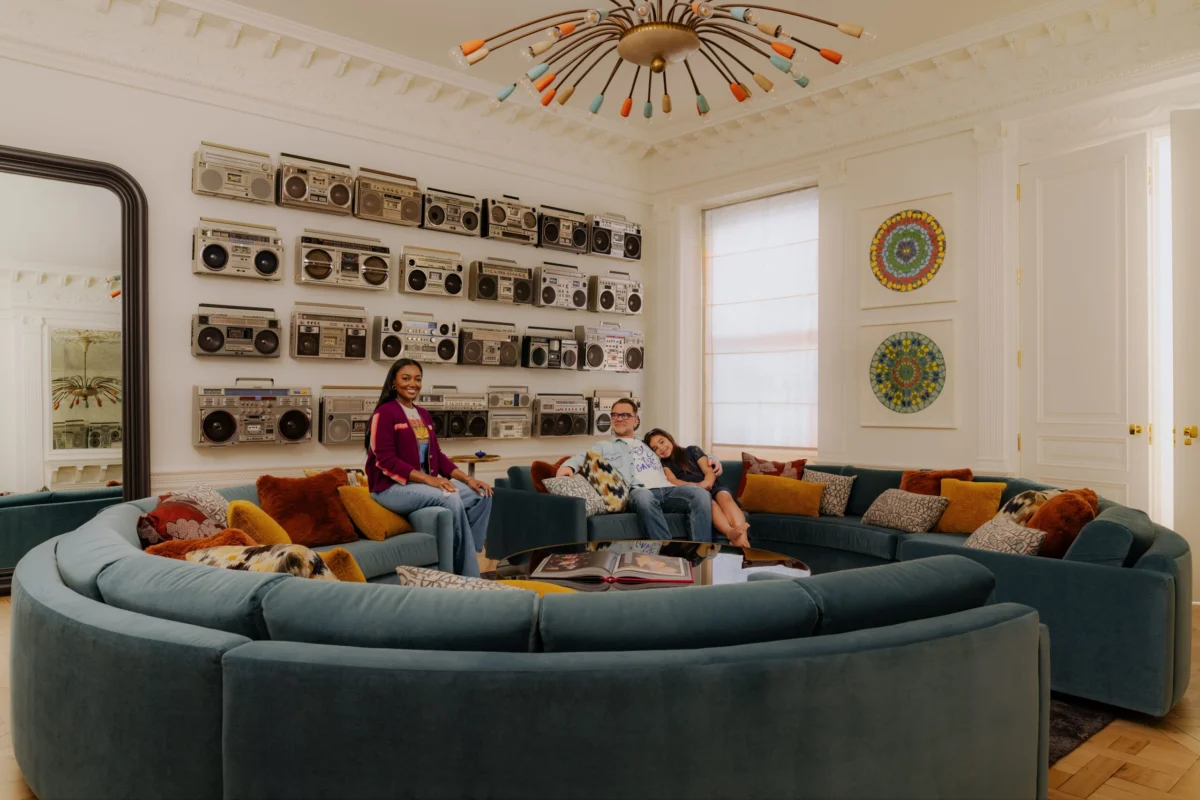
The Transition from Chelsea to the Upper West Side
The couple’s decision to move was driven by a need for increased square footage and a desire for "levels," a feature notably absent from their previous home in the heart of Chelsea. While their Manhattan loft had served as a long-term refuge, the constraints of a single-floor layout prompted a search that spanned across lower Manhattan and Brooklyn. According to Miller, who currently stars in the Starz drama Power Book III: Raising Kanan, the primary requirements for the new property included proximity to a park and an interior characterized by light-filled spaces.

The search concluded when the couple discovered a late-1800s brownstone situated on a quiet block in the Upper West Side. The property offered the architectural "drama" Miller sought, featuring original crown moldings, grand archways, and a hand-carved staircase that had remained intact for over a century. The acquisition of the property aligns with a broader trend in the New York luxury real estate market, where high-profile buyers are increasingly seeking out historic Upper West Side townhouses that offer more privacy and traditional architectural detail compared to the glass-and-steel developments of downtown.
Architectural Integrity and High-Impact Minimalism
To execute their vision, Miller and Mars re-engaged the architecture and interior design firm Evan Edward, led by Josh Evan Goldfarb and Michael Edward Moirano. Having previously collaborated on the couple’s Chelsea apartment, the designers possessed a pre-existing shorthand with the clients, which facilitated a design process Goldfarb describes as "high-impact minimalism."

The project was categorized as a semi-renovation, a strategy that prioritized the preservation of the building’s historical "bones" while modernizing the layout and aesthetic. This approach involved:
- Combining smaller, compartmentalized rooms into expansive, open living areas.
- Restoring the original 19th-century woodwork and staircase.
- Integrating modern luxury amenities that required significant structural coordination.
- Implementing a color palette of warm sienna, blush, and aubergine to contrast with bleached-walnut Versailles parquet floors.
A Bespoke Primary Suite with Parisian Ambitions
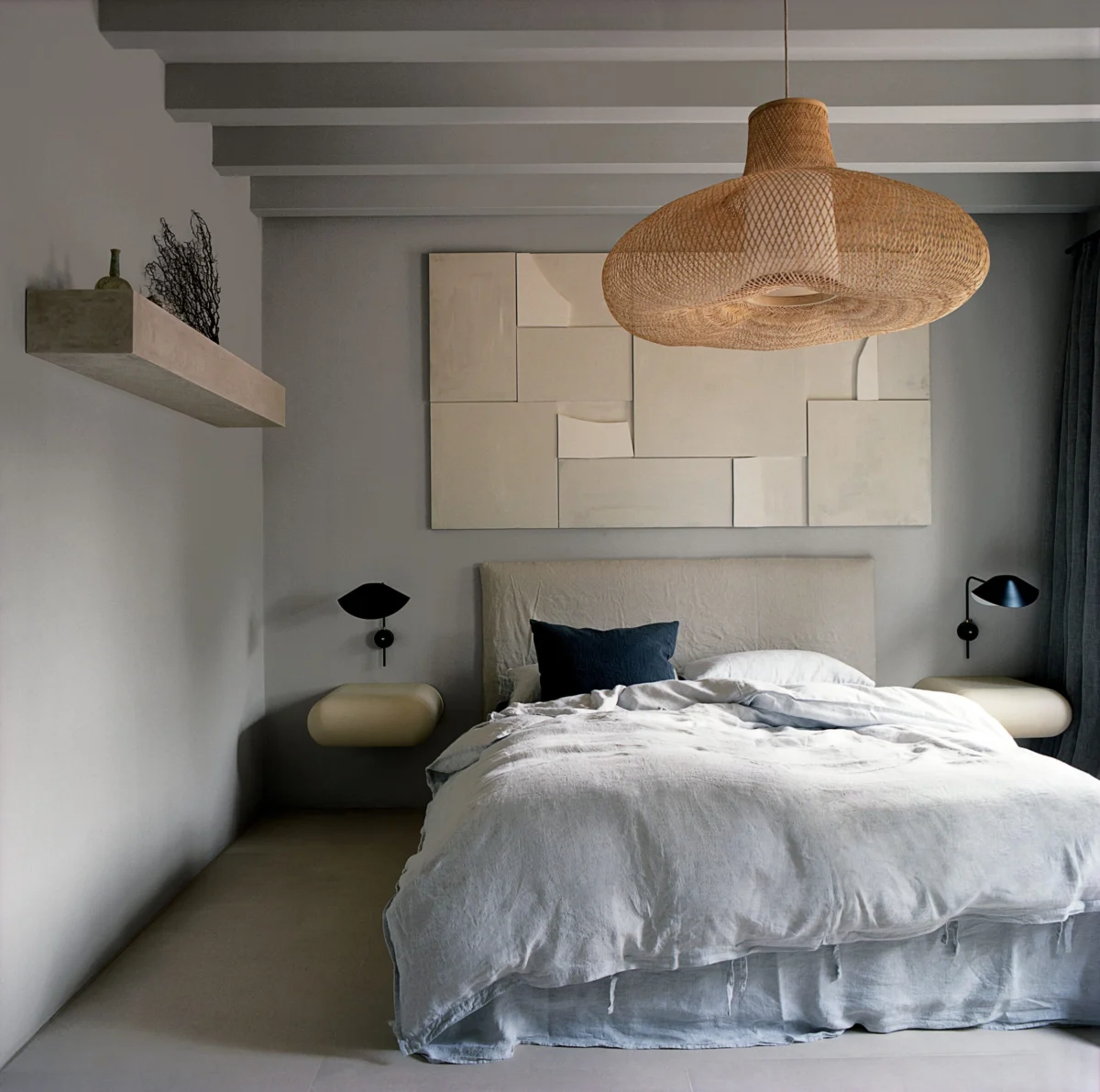
A focal point of the renovation is the primary suite, which was reimagined to emulate the atmosphere of a luxury Parisian apartment—a nod to the couple’s favorite travel destination. The suite was created by merging several smaller rooms into a unified, sun-drenched expanse. The area includes a private writing alcove and a dedicated "boudoir" designed for red-carpet preparation, reflecting Miller’s professional requirements as a high-profile performer.

The suite features several high-specification design elements, most notably a custom soak tub. Due to its scale and weight, the installation required the use of a crane to hoist the unit into the building, a logistical feat common in high-end Manhattan renovations but one that underscores the couple’s commitment to a "larger than life" aesthetic. Furniture in the suite includes a crescent-shaped Mezzaluna table by Leon Rosen for the Pace Collection and a "Stand by Me" bed by Edra, positioned beneath a triptych by the artist Hanne G.
The Intersection of Music and Design
Reflecting David Mars’ background in venture capital and his personal interest in hip-hop culture, the home incorporates significant musical themes. Mars, who is a business partner of the legendary rapper Nas, sought to integrate his collection of hip-hop memorabilia into the home’s sophisticated design framework.

The most distinctive manifestation of this is the "Music Room," which features a wall installation of 26 vintage boomboxes. While Miller was initially skeptical of the concept, the final result serves as a bridge between the home’s minimalist architecture and the family’s personal history. In Mars’ office, the design team placed a mixed-media artwork titled Hip Hop Royalty by Robert and David Mars, depicting influential figures such as Queen Latifah, Slick Rick, Rakim, and Nas.
This integration of personal history into high-end design is a hallmark of the Evan Edward firm’s approach. By utilizing pieces like the 1980s Zanotta sofa—reupholstered in Misia fabric—and a Vladimir Kagan executive desk, the designers balanced professional functionality with the couple’s specific cultural affinities.

Statement Lighting as a Design Through-Line
Throughout the residence, lighting fixtures serve as the primary "anchors" for each room. Michael Edward Moirano emphasized that statement lighting was a non-negotiable element of the design plan. Key installations include:
- The Dining Room: A custom Murano glass fixture composed of over 100 handblown barbell-shaped components. This piece was inspired by a vintage auction model but "pumped up" in scale to fit the 12-seat dining area.
- The Entry Hall: A ribbon-like Gaetano Sciolari pendant that provides a contemporary contrast to the historic crown moldings.
- The Breakfast Room: An A-N-D Iris pendant, designed to resemble a large, glowing orb.
- The Family Room: A conical "Birillo" floor lamp by Carlo Nason for Mazzega.
The designers also chose to retain certain pieces from the couple’s previous home, such as a 1950s Sputnik chandelier, which was relocated to the parlor. This decision reflects a move toward sustainable luxury, where high-quality vintage pieces are curated across different properties rather than replaced.

Curating a Functional Sanctuary
Despite the inclusion of museum-quality furniture and rare artworks, Miller insisted that the home remain a "tranquil cocoon" rather than a sterile gallery. This was achieved through the selection of tactile materials and a layout that encourages hospitality. The dining room, for instance, features a custom circular table by Fong Construction Corp., fitted with a marble lazy Susan to facilitate family-style dining.
The use of Verner Panton Series 430 chairs and custom suede throw pillows further enhances the "welcome" atmosphere Miller desired. The actor noted that her goal was to avoid the "stuffy" environment often associated with high-design townhouses, ensuring that guests feel they "belong" in the space.

Market Context and Professional Implications
The completion of this project occurs as Miller prepares for the premiere of the fifth season of Power Book III: Raising Kanan. The move to a more permanent, multi-generational home on the Upper West Side reflects the career stability and long-term planning of the couple.
From a real estate perspective, the renovation of such a property contributes to the ongoing appreciation of the "Gold Coast" blocks of the Upper West Side. Data from Manhattan luxury market reports indicate that while the volume of sales in some sectors has fluctuated, the demand for renovated, move-in-ready townhouses remains robust, with buyers willing to pay a premium for the combination of historic exterior architecture and bespoke, modern interiors.

The collaboration between Patina Miller, David Mars, and Evan Edward serves as a case study in how modern luxury can be personalized. By blending the "high-impact minimalism" of the designers with the specific cultural and professional needs of the clients, the project has transformed a 19th-century brownstone into a contemporary landmark of Manhattan residential design. As the family settles into their new "Parisian" escape in New York, the home stands as a testament to the enduring appeal of the city’s historic architectural fabric when viewed through a modern, dramatic lens.