
 Reynand Wu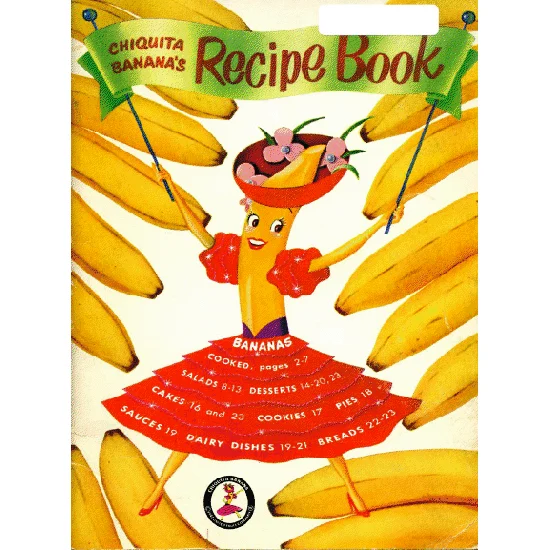
Over the past year, the iconic M&M’s characters, beloved global candies, have unexpectedly found themselves at the epicenter of a fervent public discourse spanning news cycles, social media platforms, and even prime-time Super Bowl commercials. What began as a seemingly innocuous marketing adjustment by parent company Mars Wrigley in early 2022 quickly escalated into a high-profile "culture war," revealing deep-seated societal tensions surrounding gender representation, corporate responsibility, and the evolving landscape of brand identity. This extensive examination will trace the chronology of these events, analyze the motivations behind Mars Wrigley’s decisions, dissect the nature of the public backlash, and explore the broader sociological implications of this peculiar controversy.
A Chronology of Candy and Cultural Conflict
The saga commenced in January 2022, when Mars Wrigley announced a significant redesign of its M&M’s "spokescandies." The stated objective was to introduce a more "inclusive" and "representative" look for the anthropomorphic chocolate characters. Key changes included modifying the footwear of the female M&M’s: the Brown M&M’s signature high heels were subtly shortened, and most notably, the Green M&M’s iconic go-go boots were replaced with more practical sneakers. These alterations were accompanied by updated personality descriptions intended to reflect a broader spectrum of traits beyond traditional gender stereotypes. Mars Wrigley framed these changes as part of a global commitment to "create a world where everyone feels they belong," emphasizing the brand’s desire to reflect contemporary values and foster a sense of community.
The immediate reaction, however, was far from universally positive. Instead, the modifications ignited a firestorm of criticism, particularly from conservative commentators and segments of the online community. Tucker Carlson, a prominent figure in conservative media, quickly emerged as a vocal critic, lampooning the changes on his Fox News program. Carlson’s commentary, often laced with hyperbole, argued that the brand was succumbing to "woke" ideology, stating, "M&M’s will not be satisfied until every last cartoon character is deeply unappealing and totally androgynous." This sentiment resonated with a segment of the public who viewed the changes as an unnecessary capitulation to progressive agendas, a perceived attack on traditional femininity, or simply an example of corporate overreach into trivial matters.
The backlash wasn’t confined to conservative media. Even some progressive voices expressed discomfort, albeit from a different angle. A Rolling Stone article, provocatively titled "Let the Green M&M Be a Nasty Little Slut," articulated a perspective that the Green M&M had spent decades building a brand as a "horny, sexy bitch," and that replacing her boots with "Larry David footwear in the name of feminism" felt like a disservice to her established persona and, ironically, a form of prudishness. This dual-pronged critique highlighted the complexity of navigating gender representation in popular culture, where even attempts at inclusivity can be met with varied forms of resistance.
The controversy continued to simmer throughout 2022. In September, Mars Wrigley introduced a new M&M’s character: the Purple M&M. Designed to embody self-acceptance and authenticity, the Purple M&M was notably the brand’s first new female character in a decade and made her debut in a musical commercial celebrating individuality. Rather than diffusing tensions, the introduction of Purple reignited the "candy wars." Tucker Carlson once again seized on the development, remarking on Fox News that the Green M&M "got her boots back, but apparently is now a lesbian maybe? And now there’s a plus-sized, obese purple M&M." These comments, devoid of factual basis regarding the characters’ identities or physical attributes, amplified the narrative that the brand was pushing a specific social agenda.
The sustained and often vitriolic criticism eventually prompted a significant response from Mars Wrigley. In January 2023, nearly a year after the initial changes, the company announced a "temporary pause" on its spokescandies. In their place, the brand introduced comedian Maya Rudolph as its new spokesperson, declaring that she represented "the power of fun" and could unite people. This decision, though framed as a move to bring people together, was widely interpreted as an attempt to de-escalate the culture war surrounding the characters and remove the brand from the immediate line of fire. However, the hiatus was short-lived, as the spokescandies, including the redesigned Green and Brown, and the new Purple M&M, returned for the Super Bowl LVII commercial in February 2023, signaling a strategic re-engagement with their original marketing approach, albeit with a new campaign message focused on "spokescandies for all."
Mars Wrigley’s Stated Intent and Broader Corporate Responsibility
Mars Wrigley’s initial rationale for the M&M’s character redesigns was rooted in a broader corporate strategy focused on diversity, equity, and inclusion (DEI). The company explicitly stated its goal to "create a world where everyone feels they belong," and the M&M’s brand, with its global reach and diverse consumer base, was seen as a powerful vehicle for this message. This aligns with a growing trend among multinational corporations to integrate ESG (Environmental, Social, and Governance) principles into their brand identities and marketing efforts.
Industry reports consistently show that consumers, particularly younger generations, increasingly expect brands to take a stance on social issues and reflect inclusive values. A 2021 study by Accenture, for instance, found that 62% of consumers want companies to stand up for issues they believe in. For Mars Wrigley, updating its M&M’s characters could be seen as a strategic move to maintain relevance, appeal to a broader and more socially conscious consumer base, and demonstrate corporate citizenship. The company’s global "FUNd for Women" initiative, launched in 2021 with a commitment to empower women, further underscores this strategic direction, making the M&M’s character redesigns a tangible manifestation of a wider corporate philosophy.
The decision to modify the Green M&M’s boots, in particular, aimed to temper the character’s long-standing hypersexualized image, which some critics had argued was outdated and potentially problematic. By giving her sneakers, Mars Wrigley sought to present the Green M&M as more confident and less overtly sexualized, allowing her personality to shine through beyond her physical appearance. Similarly, the introduction of the Purple M&M, described as embodying self-acceptance, reinforced the message of inclusivity and celebrating individual differences.
The Anatomy of Backlash: Media, Gender, and the Culture Wars
The intensity of the backlash against the M&M’s changes reveals more than just consumer preferences for candy mascots; it underscores the deep fissures within contemporary public discourse, particularly concerning gender roles and identity. The swift and aggressive condemnation from figures like Tucker Carlson positioned the M&M’s changes as yet another battleground in the ongoing "culture wars," where issues of gender, race, and sexuality are politicized and framed as existential threats to traditional societal structures.
For many conservative critics, the M&M’s redesigns were perceived as an unwelcome imposition of "woke" ideology onto a nostalgic cultural touchstone. The argument often centered on the idea that companies should stick to selling products and avoid engaging in social engineering. The triviality of the changes – footwear on cartoon candies – ironically amplified the outrage, as it was seen as symbolic of a broader trend where progressive ideals were infiltrating even the most innocuous aspects of daily life.
The specific focus on the Green M&M’s footwear and the Purple M&M’s perceived "plus-sized" appearance (which was not an official descriptor from Mars Wrigley) highlights a particular sensitivity around female body image and gender presentation. The comments from Carlson and others, questioning the Green M&M’s sexuality or the Purple M&M’s weight, illustrate a policing of female identity, even in cartoon form. This phenomenon is deeply intertwined with the historical sexualization of women in media and advertising.
Sexualization in Advertising: A Historical Perspective
The M&M’s controversy is not an isolated incident but rather a modern manifestation of a long history of sexualizing women in advertising to sell products. As the original article notes, the Chiquita Banana, introduced in the 1940s, was one of the earliest examples of a branded fruit character that was explicitly racialized and sexualized. Miss Chiquita’s flirtatious winks, eye-rolling, frilly dresses, and prominent lipstick were all designed to appeal to the American market by leveraging conventional notions of feminine allure.
M&M’s, too, has historically employed a similar strategy with its female spokescandies. The Green M&M, in particular, was often portrayed in a hypersexualized manner, featured in commercials engaging in suggestive acts such as pole dancing, stripping, or fondling chocolate. These portrayals not only objectified the character but also frequently depicted the male M&M’s ogling her, thereby reinforcing the pervasive "male gaze." The male gaze, a concept originating in feminist film theory, describes the way women are depicted in visual arts and literature from a masculine, heterosexual perspective, often reducing them to passive objects of male desire. This perpetuates a societal view where women’s primary value is tied to their physical attractiveness and their ability to fulfill male sexual fantasies.
The commercial success of such campaigns demonstrates the historical effectiveness of using sexual appeal to market products. However, in an era of heightened social awareness and calls for more equitable representation, these tactics are increasingly being scrutinized and challenged. The M&M’s redesign can be understood as Mars Wrigley’s attempt to pivot away from these outdated marketing tropes, albeit into a highly charged cultural landscape.
Emphasized Femininity and the Shifting Sands of Gender Norms
The sociological concept of "emphasized femininity" provides a crucial framework for understanding the backlash against the M&M’s changes. Emphasized femininity refers to a set of traditional feminine norms that encourage women to accommodate men’s sexual appetites and desire for control. It functions to legitimize existing gender hierarchies and uphold various forms of oppression by prescribing a narrow, subordinate role for women. These norms often dictate that women should be conventionally attractive, deferential, nurturing, and primarily focused on pleasing men.
When the female M&M’s characters were made less conventionally "sexy" – by changing their shoes or introducing a character focused on self-acceptance rather than external appeal – it challenged these established norms. For those who adhere to ideals of "hegemonic masculinity" (a form of masculinity that promotes dominance and control over women and other men), such shifts can be perceived as threatening. The anger expressed by some commentators, even regarding fictional candy mascots, can be interpreted as a reaction to their sexual desires not being accommodated or affirmed, revealing how deeply ingrained these expectations of female sexual availability are within certain societal perspectives.
This outrage further illustrates that women, real or imagined, often face social stigmatization when they deviate from these prescribed feminine characteristics. As the original article quotes Carlson: "When you’re totally turned off, we’ve achieved equity." This cynical remark inadvertently highlights the core issue: in a patriarchal society, women’s defiance or assertion of autonomy is often met with attempts to delegitimize or "feminize" their behavior in a derogatory sense. A woman who steps outside the bounds of "good girl" behavior might be labeled a "bitch," "lesbian," or "slut." The M&M’s controversy, therefore, becomes a microcosm of a larger societal struggle, where the value of women is often contingent upon their subservience to the male gaze and their adherence to traditional gender expectations.
The Psychological and Societal Impact of Objectification
The hypersexualization of women in media and advertising, even through seemingly innocuous characters like candy mascots, carries significant negative consequences, particularly for young people. Constant exposure to a sexualized media environment teaches adolescents to view women primarily as sex objects. This can lead to a damaging internalization for young girls and women, where they come to believe that their bodies are their most valuable asset and that their worth is tied to their physical attractiveness and ability to please men.
Research consistently demonstrates that exposure to objectifying media leads to increased body shame, self-objectification, and negative psychological outcomes such as eating disorders, depression, and reduced academic performance among girls and young women. When children witness public outrage over a female candy mascot’s shoe change, it sends a powerful, albeit often unspoken, message about the importance placed on women’s appearance and sexual appeal in society. It reinforces the idea that women’s bodies are public property, subject to scrutiny and commentary, and that deviation from established aesthetic norms can elicit widespread condemnation.
The M&M’s "culture war," while seemingly ludicrous on the surface, has real-world implications. It normalizes public shaming and criticism of female bodies and identities. It contributes to an environment where the oppression of others, particularly women who do not conform to narrow ideals, can be treated as a punchline or a legitimate point of political contention.
Beyond the Candy Shell: Broader Implications for Brands and Society
The M&M’s mascot controversy serves as a potent case study for brands navigating the complexities of modern consumer culture and the intersection of commerce with identity politics. It highlights several critical implications:
- The Double-Edged Sword of Inclusivity: While many brands are rightly moving towards more inclusive marketing, this controversy demonstrates that such efforts can provoke significant backlash, particularly from segments of the population resistant to perceived social change. Brands must be prepared for this resistance and have clear communication strategies in place.
- The Power of Nostalgia and Brand Loyalty: For many consumers, iconic characters like the M&M’s mascots are deeply embedded in personal and cultural nostalgia. Altering these symbols can be perceived as an affront to cherished memories, triggering an emotional response that goes beyond mere marketing preferences.
- The Amplifying Effect of Social Media and Partisan Media: The rapid dissemination of information and opinion through social media, combined with the often-polarized nature of contemporary news outlets, can quickly elevate minor brand adjustments into national debates. This creates a challenging environment for brands trying to manage their public image.
- The Enduring Nature of Gender Stereotypes: The intensity of the reaction to changes in female characters’ attire underscores how deeply entrenched gender stereotypes and expectations of feminine presentation remain in society. Even in cartoon form, resistance to women’s autonomy over their bodies and presentation persists.
- The Opportunity for Dialogue: Despite the negativity, the controversy also opened a wider societal dialogue about gender representation, the role of brands in social commentary, and the impact of media on perceptions of femininity and masculinity. It forced a conversation about what messages popular culture conveys to younger generations.
In conclusion, the M&M’s mascot controversy, though focused on chocolate candies, has peeled back layers of societal tension regarding gender, marketing, and the ongoing culture wars. It underscores the challenges brands face in evolving with contemporary values while respecting consumer loyalty and navigating a highly polarized public sphere. More fundamentally, it serves as a stark reminder that even seemingly trivial changes to cultural symbols can ignite passionate debates, reflecting deeper anxieties and ongoing struggles over identity, representation, and the persistent societal pressures placed upon women to conform to narrow, often sexualized, ideals. The "vicious cycle of sexualizing women, mascots or not, for profit must be brought to an end," and prominent public figures bear a responsibility to recognize that the oppression and objectification of others are not acceptable fodder for political or comedic fodder.









