Nila Kartika Wati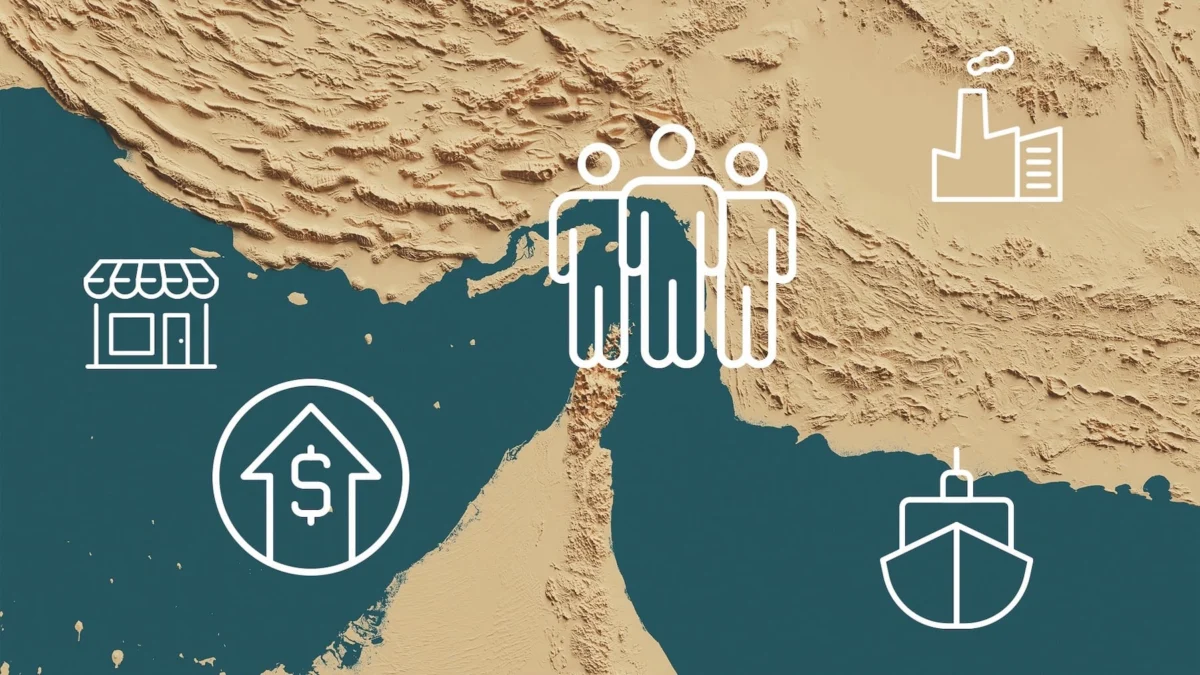
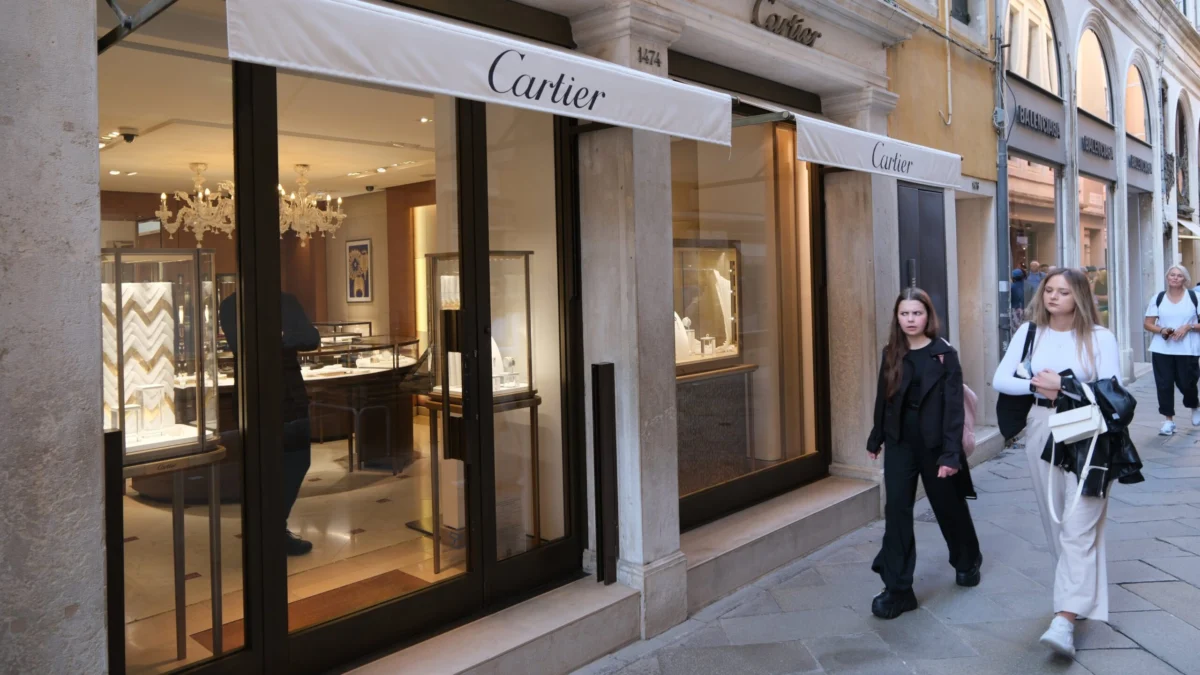
Fashion brands are bracing themselves as the fragile ceasefire between the US and Iran comes under strain, threatening to turn the six-week-old Middle East conflict, which has already sent shockwaves through the global fashion industry, into a protracted crisis. The geopolitical tensions, primarily centered around Iran’s nuclear program and its regional influence, have created a ripple effect that is impacting everything from raw material costs to consumer spending, with particular concern for retailers in the Middle East.
Escalating Tensions and Initial Disruptions
The current unease stems from a period of heightened diplomatic activity and a series of escalating incidents in the Persian Gulf region. While a formal declaration of war has not been made, the increased military posturing and the potential for direct confrontation have created significant uncertainty. Historically, the Strait of Hormuz, a vital chokepoint for global oil and trade, has been a focal point of such tensions. Any disruption in this waterway, which accounts for roughly 30% of the world’s seaborne oil shipments, invariably leads to volatile energy prices and wider economic instability.
The initial impacts on the fashion industry have been swift and multifaceted. Increased shipping insurance premiums and rerouting of cargo vessels due to perceived risks in the region have already begun to drive up transportation costs. This is particularly concerning for a sector heavily reliant on complex global supply chains that often traverse these very waters.
Material Costs and Squeezed Supply Chains
The conflict’s impact on material costs is a significant concern for fashion manufacturers. While the immediate focus might be on energy, the broader economic fallout can affect the availability and price of various commodities. For instance, if oil prices surge, the cost of synthetic fibers like polyester and nylon, which are derived from petroleum, will inevitably rise. Similarly, disruptions to energy supplies can impact manufacturing processes in countries that rely on imported fuel, leading to production delays and increased overheads.
Data from industry analysts suggests that a prolonged period of geopolitical instability in the Middle East could lead to a 5-10% increase in the cost of key raw materials for the textile industry. This is not a negligible figure for an industry operating on often thin margins. Furthermore, the intricate nature of fashion supply chains means that a disruption in one part of the world can have cascading effects. For example, if key fabric mills in Asia experience delays due to increased shipping costs or fuel surcharges, it can impact the production schedules of brands globally.
Retailers in the Middle East Face Immediate Challenges
Retailers operating within the Middle East are facing the most immediate and direct consequences. Consumer confidence is a highly sensitive barometer to geopolitical events. In times of uncertainty, discretionary spending, including on fashion items, tends to decrease. Consumers are likely to prioritize essential goods and postpone non-essential purchases.
Several major fashion hubs in the Middle East, such as Dubai and Riyadh, rely heavily on international tourism and expatriate spending. If the conflict leads to a significant drop in tourism or a departure of expatriate workers due to safety concerns, the impact on the retail sector will be substantial. Reports from retail associations in the region indicate a noticeable slowdown in foot traffic and sales in the past few weeks, with many anticipating a significant dip in sales during the upcoming festive seasons.
A Timeline of Rising Concerns
The current geopolitical climate has been brewing for some time, with intermittent escalations. However, the recent intensification of tensions has brought the fashion industry’s vulnerabilities into sharper focus.
- Early Stages (Months Prior): Gradual increase in rhetoric and minor skirmishes in regional waters, leading to slight increases in shipping insurance.
- Mid-Conflict (Six Weeks Ago): A significant escalation of diplomatic tensions and perceived threats, prompting some brands to review their supply chain risk assessments. Initial reports of rerouting of some cargo ships.
- Present Day (Current Strain): The fragile ceasefire is under strain, leading to renewed fears of direct confrontation. Retailers in the Middle East report a noticeable downturn in sales. Analysts begin to quantify potential cost increases for raw materials and logistics.
- Projected Future (Potential Escalation): Widespread disruption to shipping lanes, significant increases in energy and material costs, and a sharp decline in consumer confidence, particularly in affected regions.
Official Responses and Industry Reactions
While official government statements from the US and Iran remain measured, the international community is closely monitoring the situation. The fashion industry, however, is not waiting for official pronouncements to act. Many global fashion conglomerates have activated their crisis management teams.
"We are closely monitoring the evolving geopolitical situation and its potential impact on our supply chains and retail operations," stated a spokesperson for a leading luxury fashion group, who wished to remain anonymous due to the sensitive nature of the matter. "Our primary focus is on ensuring the safety of our employees and mitigating any potential disruptions to our business. This includes diversifying our sourcing and logistics where possible."
Similarly, smaller independent brands, often more vulnerable to market fluctuations, are exploring more agile strategies. "We are in constant communication with our suppliers and logistics partners," said Sarah Chen, founder of a sustainable fashion brand. "We are looking at ways to absorb some of the increased costs to avoid passing them directly onto our customers, but it’s a challenging balancing act."
Broader Implications for the Global Fashion Economy
The potential for a protracted conflict in the Middle East has far-reaching implications for the global fashion economy. Beyond the immediate concerns of cost and supply chain disruption, there are broader economic and social considerations.
Inflationary Pressures:
If the conflict leads to sustained increases in energy and raw material prices, this will inevitably contribute to broader inflationary pressures. Fashion brands, facing higher production costs, will be forced to consider price hikes. This could lead to a reduction in consumer purchasing power, impacting demand across the sector. Historical data from periods of oil price shocks indicates that sectors with high reliance on global logistics and energy-intensive manufacturing are particularly susceptible to inflation. For example, a 20% increase in oil prices can translate to a 2-5% increase in the cost of goods for many apparel manufacturers within a quarter.
Shifting Manufacturing and Sourcing Strategies:
The current situation could accelerate existing trends towards supply chain diversification and near-shoring. Brands that have historically relied heavily on a single region for manufacturing or sourcing might accelerate their efforts to establish production facilities in more geopolitically stable areas. This could lead to increased investment in manufacturing hubs in Southeast Asia, Eastern Europe, or even within North and South America. However, such shifts are complex and time-consuming, requiring significant capital investment and the development of new infrastructure and skilled labor.
Impact on Consumer Behavior:
Beyond immediate spending slowdowns, prolonged geopolitical instability can lead to more profound shifts in consumer behavior. Consumers may become more value-conscious, prioritizing durability and timelessness over fast fashion trends. There could also be an increased demand for locally sourced or sustainably produced goods, as consumers seek to support more resilient and ethical supply chains.
Geopolitical Risk and Investment:
The fashion industry, like any other global business, is sensitive to geopolitical risk. A protracted conflict in a strategically important region like the Middle East can deter investment and lead to a more cautious approach from financial institutions. This could affect the ability of fashion companies to fund expansion, innovation, or sustainability initiatives.
Conclusion: Navigating Uncertainty
The fragile ceasefire between the US and Iran presents a clear and present danger to the global fashion industry. The immediate impacts on retail in the Middle East, coupled with rising material costs and strained supply chains, are already being felt. As the geopolitical situation remains fluid, fashion brands must remain vigilant, adaptable, and proactive. Diversifying supply chains, managing costs effectively, and understanding the evolving landscape of consumer confidence will be crucial for navigating this period of heightened uncertainty and ensuring the continued resilience of the global fashion economy. The coming weeks and months will be a critical test for the industry’s ability to weather geopolitical storms and adapt to a rapidly changing global landscape.