Kang Muslim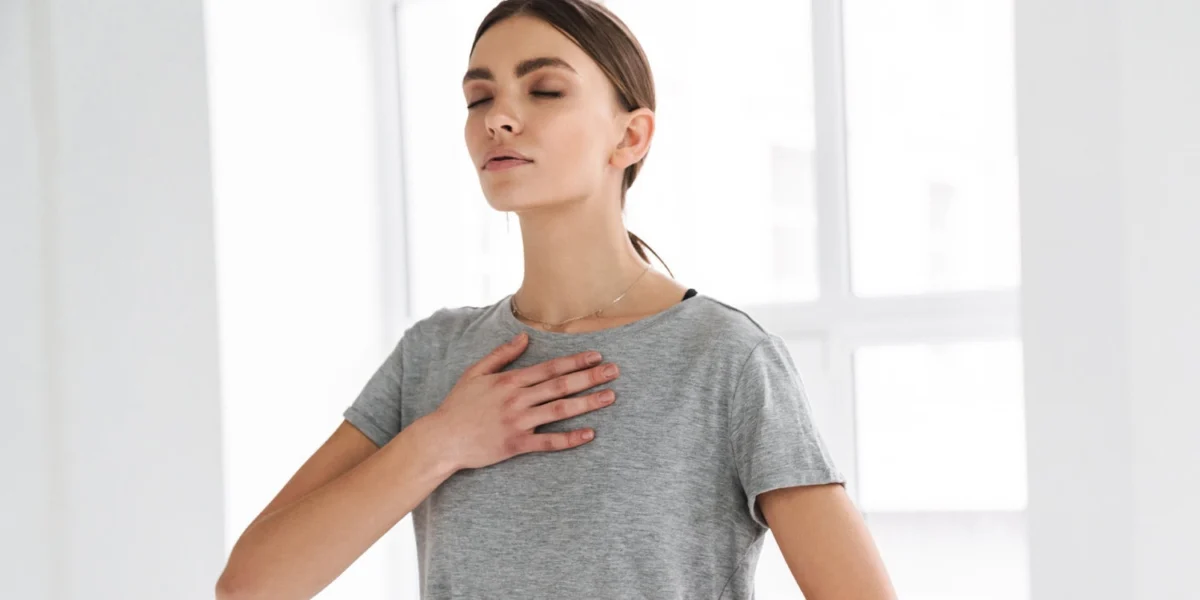
Every human being possesses a distinct, stable pattern of breathing through their nose that functions as a biological signature, remaining consistent over years and offering a new frontier in biometric identification. According to a landmark study published in the journal Current Biology, researchers have demonstrated that tracking how individuals inhale and exhale over a 24-hour period can identify them with near-perfect accuracy. Furthermore, these unique respiratory patterns serve as more than just an ID; they act as a physiological mirror, reflecting individual levels of anxiety, depression, and body mass index (BMI). The research, led by a team at the Weizmann Institute of Science in Israel, suggests that the way we move air through our nostrils is deeply tied to the specific neural architecture of our brainstems, providing a non-invasive window into both our identity and our internal health.
The Neural Architecture of Respiration
Breathing is often dismissed as a mundane, automatic process, a rhythmic necessity that only enters conscious awareness during physical exertion or respiratory distress. However, the act of ventilation is governed by a highly sophisticated and intricate neural network located primarily in the brainstem. This network operates as a biological pacemaker, continuously calculating and adjusting the speed, depth, and rhythm of every breath to meet the body’s fluctuating physiological demands. It processes a constant stream of sensory feedback from the lungs, bloodstream, and nasal passages to maintain homeostasis.
Because the human brain displays a high degree of individual uniqueness in its synaptic wiring and regional activity, researchers Timna Soroka and Noam Sobel hypothesized that the biological outputs generated by these neural circuits—specifically respiratory patterns—would also reflect high levels of individuality. The study focused specifically on nasal breathing rather than mouth breathing. The nasal passages are densely packed with sensory nerves that provide constant feedback to the brain, and the brain, in turn, actively regulates the "nasal cycle"—a physiological phenomenon where one nostril becomes dominant for a period before the other takes over. This rhythmic alternation is controlled by the autonomic nervous system, making it a prime candidate for a unique behavioral marker.
Experimental Design and the 24-Hour Monitoring Protocol
To test the individuality of breathing, the Weizmann Institute team developed a specialized, lightweight wearable device designed for long-term data collection. Traditional medical respiratory tests, such as spirometry, typically last only a few minutes and are conducted in controlled clinical settings. In contrast, this study aimed to capture the "natural" breathing of participants as they moved through their daily lives.
The device consisted of a small tracker worn on the back of the neck, connected to a nasal cannula—a thin plastic tube with two small prongs resting just inside the nostrils. Unlike standard medical equipment, this device utilized high-sensitivity pressure sensors capable of measuring airflow independently for the left and right nostrils. The system recorded data at a rate of six times per second, allowing researchers to capture minute, dynamic fluctuations in air movement that would be invisible to the naked eye or standard monitors.
The study involved approximately 100 healthy participants, primarily in their twenties. Each volunteer wore the tracker for a full 24-hour cycle, encompassing periods of activity, rest, and sleep. To ensure the data reflected real-world conditions, participants logged their activities and sleep schedules via a dedicated smartphone application. This comprehensive approach allowed the researchers to observe how breathing patterns shifted across different physiological states while remaining anchored to a core individual rhythm.
Establishing the Respiratory Fingerprint
The results of the data analysis were statistically profound. When the researchers processed the raw airflow data through a computational model, they found that they could identify individuals with 96.8% accuracy based solely on their waking breathing patterns. This level of precision places respiratory signatures in the same echelon as established biometric markers such as voice recognition and gait analysis.
The study proved that human breathing is not merely a generic mammalian function but a highly individualized behavioral signature. To test the stability of this signature over time, a subset of more than 40 participants repeated the experiment. These individuals returned to wear the device for a second 24-hour period, with the gap between sessions ranging from several days to nearly two years. Remarkably, the computer model, having "learned" a person’s breathing pattern during the first session, was able to successfully identify them from the group using data collected up to 23 months later.
To rule out the possibility that the model was simply identifying people based on their physical movement patterns, the researchers cross-referenced the breathing data with a motion sensor embedded in the wearable device. While physical movement did provide some clues to identity, its accuracy was significantly lower than that of the nasal airflow data. This confirmed that the "fingerprint" was truly respiratory in nature, stemming from the brainstem’s control of the lungs and nostrils rather than the participants’ physical habits.
The Metrics of Individuality
The high level of identification accuracy was not the result of a single factor but rather the combination of dozens of different parameters. The researchers analyzed approximately 20 to 100 different breathing characteristics in tandem, including:
- Inhalation and Exhalation Volume: The specific amount of air moved in each phase.
- Respiratory Timing: The duration of each breath and the precise length of the pauses between them.
- Nasal Asymmetry: The ratio of airflow between the left and right nostrils and how that ratio shifts over time.
- Peak Flow Velocity: The maximum speed at which air enters or exits the nasal passages.
No single metric was sufficient to distinguish one person from another, but the collective "symphony" of these variables created a unique profile for every participant.
Predicting Physical and Mental Health States
Beyond identification, the study revealed that these respiratory signatures carry significant information about a person’s physical and psychological well-being. One of the most immediate findings was the mathematical alignment between breathing data and Body Mass Index (BMI). The researchers observed a direct relationship between a person’s body mass and specific dynamics of their nasal cycle, suggesting that the neural circuits driving respiration are in constant communication with the body’s metabolic and structural composition.
The data also provided a clear window into the transition between consciousness and sleep. By analyzing just five minutes of breathing data, the computational model could categorize with high accuracy whether a participant was awake or asleep. During sleep, the total volume of air inhaled decreased, while the shifting dominance between the nostrils became more pronounced.
Perhaps most significantly, the study explored the link between breathing and mental health. Participants completed standard psychological assessments for anxiety, depression, and traits associated with the autism spectrum. Even in a healthy population without clinical diagnoses, breathing patterns correlated with these scores:
- Depression: Researchers could partially predict scores on a depression inventory based on the peak speed of inhalations during waking hours.
- Anxiety: Higher levels of trait anxiety were associated with shorter inhale durations during sleep and specific variations in the pauses between breaths.
- Autism Spectrum: Mathematical associations were found between autism questionnaire scores and the duration of pauses during inhalation.
These findings suggest that emotional and cognitive states leave biological imprints on the brainstem’s respiratory regulation, potentially allowing for the future use of breathing patterns as a diagnostic tool for mental health.
Chronology of Research and Future Implications
The development of this research follows a timeline of increasing interest in "passive biometrics"—technologies that can monitor health or identity without requiring active user participation. The Weizmann Institute study marks a major leap forward by moving from the laboratory to 24-hour real-world monitoring.
Timeline of the Study:
- Phase I (Device Development): Engineering the wearable pressure-sensor tracker and nasal cannula system.
- Phase II (Initial Testing): Recruitment of 100 participants for the primary 24-hour data collection.
- Phase III (Long-term Follow-up): Re-testing 40+ participants over a period of up to 23 months to confirm signature stability.
- Phase IV (Computational Analysis): Developing the AI models to process 6-samples-per-second data into biometric profiles.
- Phase V (Publication): Release of findings in Current Biology in 2025.
While the study is groundbreaking, the researchers acknowledged certain limitations. The nasal cannula, while effective, can occasionally slip during sleep, and the visible nature of the device may limit its current use in social settings. Additionally, while pressure sensors are excellent for timing, they are less precise than laboratory equipment at measuring absolute air volume.
However, the implications for the future are vast. The research team envisions a future where "respiratory fingerprints" are used as a non-invasive tool for tracking neurological health. Because breathing is controlled by the brainstem, changes in a person’s unique respiratory signature could serve as an early warning system for neurodegenerative diseases or shifts in mental health. As wearable technology becomes more discreet, the ability to monitor the "biological signature" of our breath could become a standard component of personalized medicine, offering a constant, quiet check-up on the state of the human brain and body.