Ana Megawati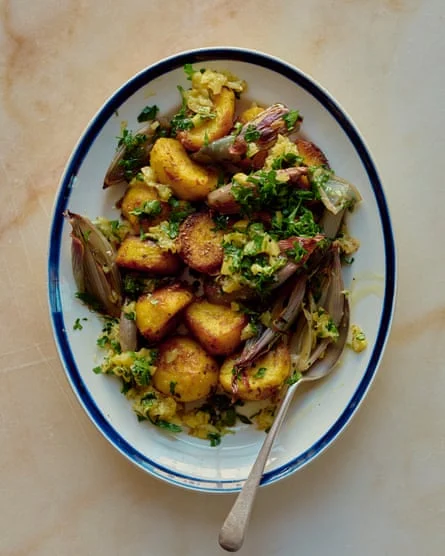
The Yemeni spice mix known as Hawaij has become a celebrated fixture in contemporary global cuisine, moving from its ancient roots in the Arabian Peninsula to gracing the menus of acclaimed international restaurants. A blend characterized by its earthy, vegetal flavour profile, Hawaij typically combines turmeric, black pepper, cardamom, and ground coriander, offering a versatile foundation for a myriad of dishes, from traditional soups and stews to innovative modern preparations. Its recent surge in prominence in Western kitchens, exemplified by its adoption in establishments such as The Palomar in London, underscores a broader trend of culinary exploration and the integration of diverse flavour profiles into mainstream gastronomy.
The Ancient Roots and Enduring Appeal of Hawaij
Hawaij, pronounced "hah-WAIJ," is more than just a spice mix; it is a culinary cornerstone in Yemeni households, reflecting centuries of trade, cultural exchange, and gastronomic evolution. The term itself, meaning "needs" or "requirements" in Arabic, refers to the essential spices needed for daily cooking. While regional variations exist, the foundational "Hawaij for Soup" (Hawaij al-Marak) blend, as featured in these contemporary recipes, is a testament to the sophisticated spice knowledge embedded in Yemeni culture.
Historically, Yemen has been a pivotal point on the ancient spice routes, particularly the Incense Route, which facilitated the movement of precious commodities from the East to the Mediterranean. This rich heritage fostered a deep appreciation for spices, leading to the development of complex blends like Hawaij. Each component of the blend contributes not only to its distinctive taste but also to its historical and cultural significance.
- Turmeric (Curcuma longa): Originating from Southeast Asia, turmeric has been revered for millennia, not just for its vibrant golden hue but also for its earthy, slightly bitter flavour and reputed medicinal properties. It is a powerful anti-inflammatory and antioxidant, widely used in Ayurvedic and traditional Chinese medicine. In Hawaij, it provides a warm, musky base and its characteristic colour.
- Black Pepper (Piper nigrum): Hailing from the Malabar Coast of India, black pepper is often dubbed the "King of Spices." Its sharp, pungent heat is indispensable, adding a crucial layer of piquancy that awakens the palate and enhances the absorption of other nutrients, particularly curcumin from turmeric.
- Cardamom (Elettaria cardamomum): Often considered one of the most exotic and expensive spices, green cardamom pods, primarily from India and Guatemala, lend Hawaij its unique sweet, floral, and slightly eucalyptus-like aroma. It adds a sophisticated brightness and warmth, often associated with Middle Eastern and Indian desserts and beverages, but equally vital in savory applications.
- Coriander (Coriandrum sativum): Both the seeds and leaves of the coriander plant are widely used globally. Ground coriander seeds, with their citrusy, nutty, and slightly sweet flavour, provide an essential earthy note that binds the other, more assertive spices together, offering balance and depth.
Beyond the soup blend, Yemen also boasts "Hawaij for Coffee" (Hawaij al-Qahwa), a distinct, sweeter mix typically containing ginger, cardamom, cinnamon, and cloves, used to flavour traditional Yemeni coffee. This differentiation highlights the nuanced approach to spice blending within Yemeni culinary traditions, where specific blends are meticulously crafted for particular applications.
The Palomar and the Globalisation of Middle Eastern Flavours
The journey of Hawaij into the mainstream Western culinary consciousness is part of a larger narrative of the increasing appreciation for Middle Eastern and North African cuisines. Restaurants like The Palomar in London, known for its vibrant modern Israeli food with strong influences from Jerusalem and the broader Middle East, have played a significant role in introducing these complex flavours to a broader audience. It is within such dynamic culinary environments that chefs encounter and integrate traditional ingredients like Hawaij, subsequently inspiring home cooks and other culinary professionals.
The article’s emphasis on Hawaij becoming a "forever companion" in a chef’s spice cupboard speaks to its remarkable versatility. Its earthy, vegetal notes make it an ideal partner for a wide array of ingredients, from robust meats to delicate vegetables. Furthermore, Hawaij is a key component in zhoug (also spelled s’chug or skhug), a fiery green chili and coriander sauce originating from Yemen, which has gained considerable popularity in Israel and, more recently, in international delis and eateries. Zhoug’s fresh heat and aromatic punch, largely thanks to its Hawaij component, exemplify the dynamic flavour profiles that Yemeni cuisine offers.
Culinary Innovation: Hawaij in Modern Recipes

The provided recipes demonstrate Hawaij’s adaptability beyond traditional stews, showcasing its potential to transform everyday ingredients into extraordinary dishes. These recipes also highlight a broader trend in modern cooking: the fusion of diverse culinary traditions and the elevation of humble ingredients through thoughtful spice pairings and fresh accompaniments.
Harissa Roast Carrots, Mango Labneh, and Mint
This dish is a vibrant example of culinary fusion, bringing together Middle Eastern staples with South Asian influences to create a harmonious blend of sweet, spicy, tangy, and refreshing notes.
- The Foundation: Carrots: Carrots, when roasted, undergo a natural caramelisation that intensifies their sweetness, making them an excellent canvas for robust flavours. The choice to leave them whole adds to the rustic appeal and allows for even roasting.
- The Creamy Element: Mango Labneh: Labneh, a thick, strained yogurt common across the Levant and Middle East, provides a wonderfully tangy and creamy counterpoint. Its preparation, involving an overnight chilling process to drain excess whey, results in a rich, cheese-like consistency. The infusion of mango chutney—a sweet and spicy condiment with Indian origins—and a touch of turmeric transforms the labneh into a vibrant, fruity, and subtly spiced accompaniment that cuts through the richness of the roasted carrots. The overnight preparation underscores the thoughtful planning often involved in creating dishes with layered flavours and textures.
- The Spice Kick: Harissa: Harissa, a fiery chili paste from North Africa (Tunisia, Algeria, Morocco), adds a smoky heat and complex peppery notes to the carrot marinade. Its inclusion, alongside date syrup for sweetness and olive oil for richness, creates a sticky, flavourful coating that caramelises beautifully during roasting.
- The Fresh Finish: Mint Salsa: A bright, aromatic salsa featuring finely chopped mint, lime zest and juice, nigella seeds, and a touch of Hawaij provides a critical element of freshness. Nigella seeds, often called "black cumin," offer a unique slightly bitter, oniony, and oregano-like flavour, adding another layer of complexity. This salsa acts as a vibrant counterpoint, preventing the dish from becoming overly rich and adding a burst of herbaceousness.
The combination of these elements—sweet roasted carrots, tangy mango labneh, spicy harissa, and refreshing mint salsa—exemplifies a sophisticated approach to flavour building, showcasing how Hawaij, even in the salsa, contributes to a cohesive and memorable dining experience.
Hawaij Roast Potatoes with Preserved Lemon and Roast Shallots
This recipe elevates the humble roast potato to a gourmet side dish, demonstrating Hawaij’s remarkable ability to "imbue them with an even more golden hue" and a profoundly complex flavour. It combines robust root vegetables with zesty, aromatic components, highlighting the spice blend’s versatility.
- The Star: Roast Potatoes: The selection of Maris Piper potatoes, known for their floury texture ideal for achieving crisp exteriors and fluffy interiors, is crucial. The technique of par-boiling until tender, followed by steam-drying and roughing up the edges in a colander, is a classic method for maximising surface area and ensuring a superbly crisp texture. Roasting them in smoking hot olive oil ensures an immediate sizzle and golden crust.
- The Flavour Infusion: Hawaij: Sprinkling Hawaij directly onto the potatoes before roasting allows the spices to toast and meld with the hot oil, creating a deeply aromatic and flavourful crust. The turmeric within Hawaij naturally enhances the golden colour, making the potatoes visually appealing as well as delicious.
- The Sweet and Savoury: Roast Shallots: Shallots, smaller and milder than onions, become wonderfully sweet and caramelised when roasted. The preparation involves roasting them until golden and soft, then tossing them with fresh garlic, finely chopped parsley, and lemon juice. This creates a vibrant, aromatic mix that adds both sweetness and a pungent freshness. The flexibility to prepare the shallots ahead of time speaks to practical kitchen management, allowing the residual heat of the potatoes to warm them upon serving.
- The Tangy Brightness: Preserved Lemon: A cornerstone of North African and Middle Eastern cuisine, preserved lemons are fermented lemons that offer an intense salty, tangy, and subtly floral flavour, distinct from fresh lemon juice. Finely chopped, they provide a powerful burst of umami and acidity that cuts through the richness of the potatoes and shallots, adding a layer of sophisticated brightness and complexity.
This dish masterfully combines textural contrasts—crisp potatoes, tender shallots—with a symphony of flavours: the earthy warmth of Hawaij, the sweetness of roasted shallots, and the sharp tang of preserved lemon. It underscores Hawaij’s capacity to transform familiar ingredients into something truly special, making it a "main reason" for its constant presence in a chef’s cupboard.
Broader Implications: Hawaij in the Modern Kitchen
The growing popularity of Hawaij and similar regional spice blends has several significant implications for the contemporary culinary landscape:
- Accessibility and Education: As these spices become more widely available, they introduce home cooks to new flavour profiles and culinary traditions, fostering a greater understanding and appreciation of global food cultures. Cookbooks, food blogs, and cooking shows increasingly feature these ingredients, demystifying their use.
- Culinary Innovation: Chefs and home cooks are continuously experimenting with these blends, incorporating them into non-traditional dishes, leading to exciting new fusion cuisines and innovative recipe developments. This pushes the boundaries of flavour and texture.
- Health and Wellness Trends: Many of the components of Hawaij, particularly turmeric, are lauded for their health benefits. This aligns with a growing consumer interest in food that is not only delicious but also contributes to well-being.
- Economic Impact: The demand for specialty spices supports agricultural communities in their countries of origin, promoting fair trade practices and sustainable sourcing. It also boosts local businesses involved in blending and distributing these unique ingredients.
- Cultural Exchange: Food serves as a powerful medium for cultural exchange. The adoption of spice blends like Hawaij in diverse culinary contexts facilitates a deeper connection between different cultures, celebrating heritage and shared human experiences through taste.
In conclusion, Hawaij is far more than just a blend of spices; it is a gateway to a rich culinary heritage and a testament to the enduring power of flavour to connect cultures. Its journey from ancient Yemeni kitchens to modern international tables exemplifies the dynamic evolution of global gastronomy. As chefs and home cooks continue to explore and innovate, Hawaij is poised to remain a cherished and versatile companion, enriching palates and broadening culinary horizons worldwide.