Ana Megawati
Caraway, the renowned brand celebrated for transforming everyday kitchen essentials into design statements, has officially ventured into the realm of waste management with the introduction of its new line of premium trash cans and recycling bins. This strategic expansion marks a significant step for the company, known for its elegant yet functional nonstick, non-toxic pans and sophisticated kitchen storage solutions. The new waste management offerings aim to address common household frustrations by combining superior aesthetics, advanced functionality, and robust durability, positioning them as luxury utilitarian items designed to enhance, rather than detract from, modern living spaces. Priced at $245 apiece, or $445 for a combined duo, these new Caraway products enter the market at a premium tier, challenging established high-end competitors like Simplehuman and Brabantia by promising a truly "frictionless experience" and an unexpected touch of domestic serenity.
The Evolution of Home Essentials: Caraway’s Design Philosophy

Caraway’s journey has been consistently defined by a commitment to elevating overlooked household items. From reimagining cookware with vibrant color palettes and ceramic nonstick coatings to streamlining kitchen organization with meticulously designed storage, the brand has cultivated a loyal following among consumers who value both form and function. This philosophy now extends to waste receptacles, a category traditionally dominated by purely utilitarian designs often relegated to hidden corners. The company’s entry into this segment reflects a broader trend in home décor, where consumers increasingly seek products that integrate seamlessly into their aesthetic, even for the most mundane tasks. The premise is simple: if an item must occupy visible space in a home, particularly in compact urban kitchens, it should contribute positively to the overall design narrative.
For too long, the humble trash can has been a source of domestic discontent. Conventional bins frequently present an array of annoyances, from the struggle to conceal unsightly garbage bag edges to the frustrating extraction of overfilled liners from narrow chambers. Aesthetically, many options fall short, clashing with carefully curated kitchen designs and serving as glaring reminders of an unsightly necessity. These everyday grievances underscore the market opportunity Caraway seeks to capture – transforming a functional necessity into an object of quiet appreciation. A spokesperson for Caraway, commenting on the brand’s latest venture, stated, "Our expansion into waste management is a direct response to consumer demand for products that don’t just perform, but also enhance the aesthetic and efficiency of their living spaces. We believe functionality and design should never be mutually exclusive, even for something as fundamental as a trash can. We’re not just selling bins; we’re selling a better living experience."
Unveiling the Design-Centric Waste Management System
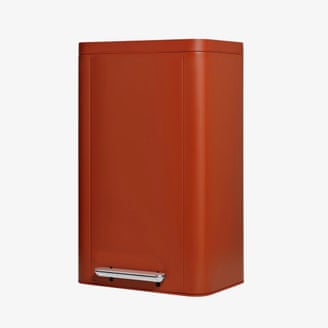
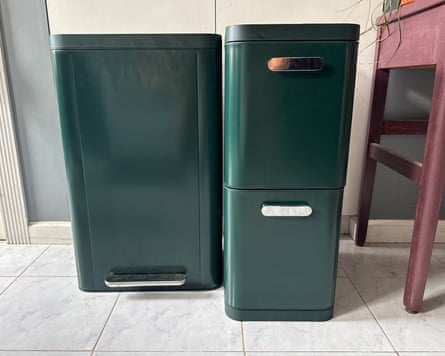
The Caraway trash can and recycling bin are meticulously crafted to embody the brand’s core tenets. Each unit is presented with a fingerprint-resistant finish, ensuring a consistently pristine appearance despite daily interaction. This feature is particularly crucial for maintaining the sophisticated look in busy kitchen environments, where smudges and marks are otherwise inevitable. The product line is available in a carefully selected palette of tasteful colors, such as the reviewed Emerald, a rich forest-teal green that allows the bins to serve as subtle accent pieces rather than stark intrusions. This strategic use of color and finish demonstrates a conscious effort to integrate waste management into the broader interior design scheme, challenging the traditional notion that such items must be hidden away.
Initial impressions of the Caraway units begin with their unboxing experience. Despite their substantial size, requiring transport up multiple flights of stairs, the packaging was noted for its impressive simplicity and user-friendliness. Unlike many products that arrive encased in excessive cardboard and convoluted wrapping, Caraway employed a minimalist approach, featuring pull tabs at the base of each box for effortless opening. This attention to detail in the unboxing process aligns with the premium brand experience Caraway aims to deliver, ensuring that the first interaction with the product is as smooth and satisfying as its daily use. Crucially, despite the minimal packaging, both the trash can and recycling bin arrived in impeccable condition, free from any dents or cosmetic imperfections, a testament to thoughtful design and robust construction.
The Rectangular Step Trash Can: Engineered for Ease
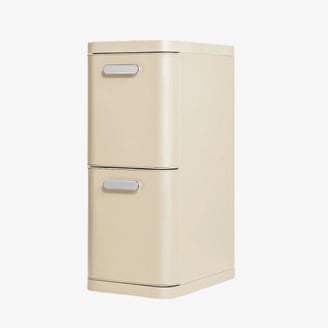
The standard Caraway 45L Rectangular Step Trash Can, measuring 16.5 inches wide, is designed to be a prominent yet elegant fixture in a kitchen. Its dimensions make it particularly well-suited for open-plan kitchens or as a sophisticated anchor to a kitchen island, where its refined appearance can be fully appreciated. Recognizing the diversity of living spaces, Caraway also offers a slimmer 11-inch version, catering to smaller kitchens where space is at a premium and discreet placement is paramount.
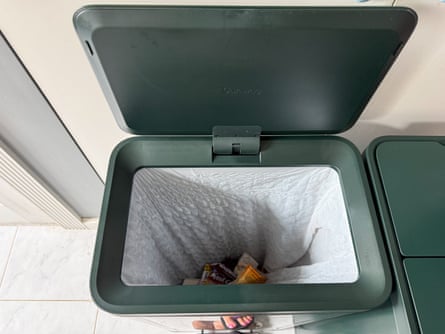
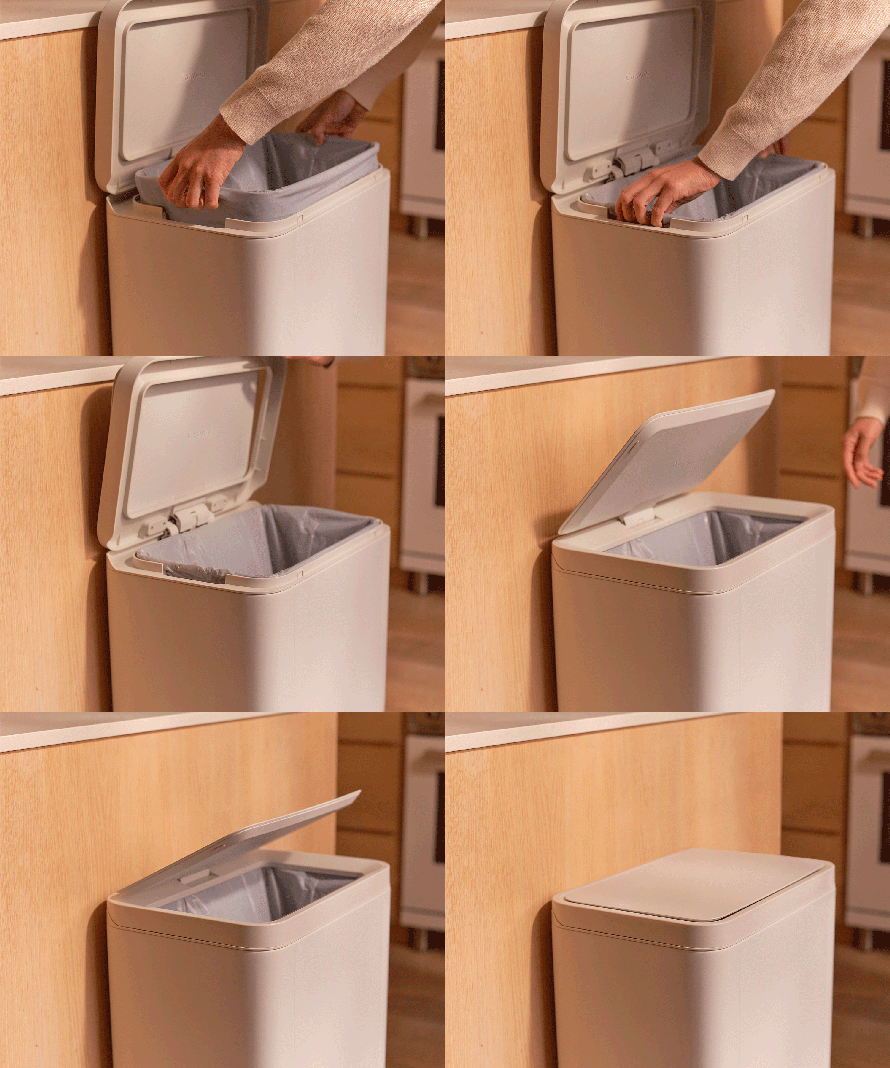
Beyond its visual appeal, the trash can incorporates several functional innovations aimed at streamlining the waste disposal process. A key feature is its compatibility with generic 13-gallon garbage bags, a distinct advantage over competitors like Simplehuman, which often require proprietary, and typically more expensive, liners. This ensures cost-effectiveness and convenience for the consumer, eliminating the hassle of sourcing specialized bags. The process of changing a garbage bag, often a messy and frustrating endeavor, has been thoughtfully re-engineered by Caraway. A clever plastic ring securely holds the garbage bag in place, preventing it from slipping and exposing unsightly edges. Furthermore, this ring doubles as a mechanism to keep the soft-close lid open during bag changes, freeing the user from the need to continuously depress the foot pedal while wrestling with refuse. This small but significant detail significantly enhances user convenience and hygiene.
The foot pedal itself is a testament to Caraway’s commitment to durability and longevity, having been rigorously tested for up to 250,000 steps. This robust engineering ensures consistent, reliable performance over many years of daily use. When activated, the lid springs open with a satisfying swiftness and then closes quietly and smoothly, minimizing noise and preventing abrupt slams. This soft-close mechanism is not merely a luxury; it plays a critical role in odor containment, a primary function of any effective trash receptacle.
The Innovative 2-Drawer Recycling Bin: A Filing Cabinet for Recyclables
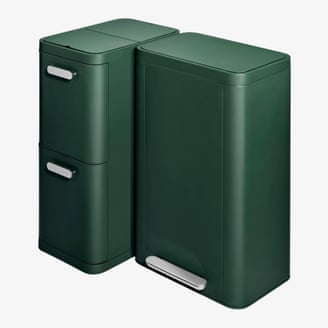
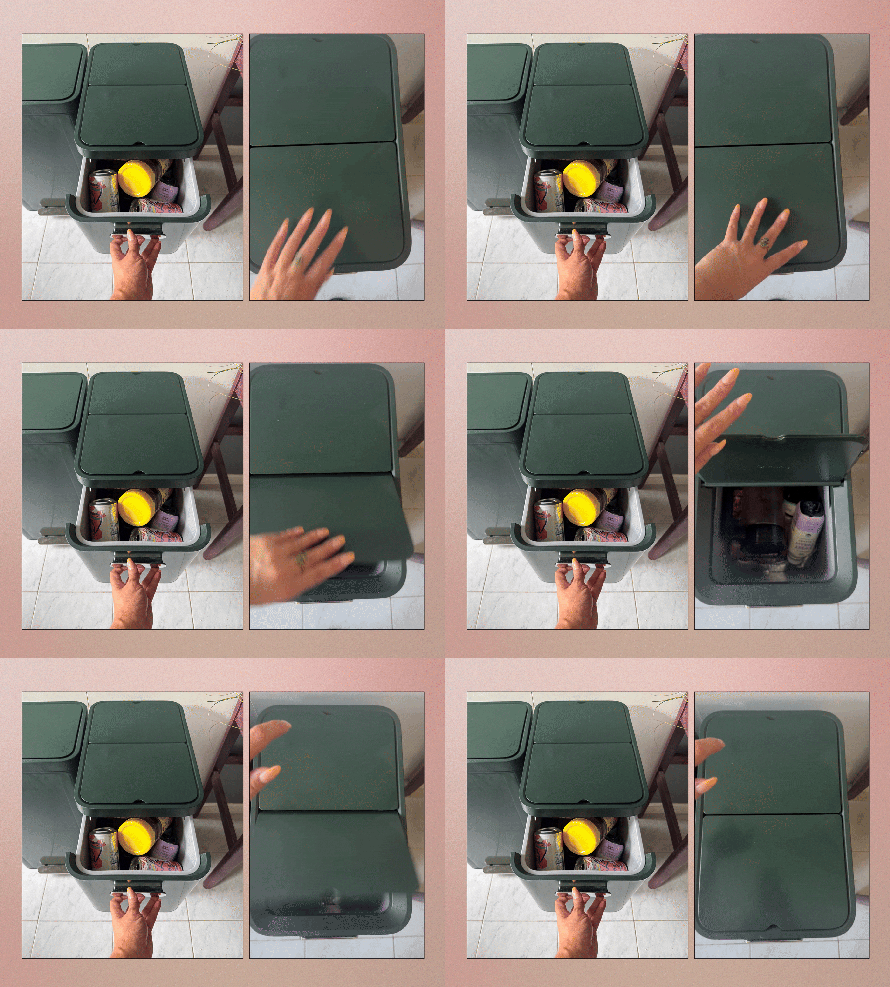
Perhaps the most distinctive innovation in Caraway’s new line is the 45L 2-Drawer Recycling Bin. Eschewing traditional single-compartment designs, this bin adopts a "filing cabinet" aesthetic and functionality. It features two full-extension drawers that glide out smoothly, providing ample access for easy emptying and sorting. This design fundamentally transforms the recycling process, making it more organized and less cumbersome.
Complementing the drawers are two "quick-toss" hatches located on the top of the unit, allowing for convenient disposal of smaller items into the upper drawer without needing to fully open the larger compartments. Each drawer boasts an impressive height of 12 inches, a crucial design element that accommodates taller items such as wine bottles, large plastic containers, and cardboard boxes without requiring them to be crushed or compacted. This capacity addresses a common frustration with many recycling bins, which often prove inadequate for the varied dimensions of household recyclables. The multi-drawer system also inherently facilitates the sorting of different recyclable materials, such as plastics, glass, and paper, into separate compartments, thereby promoting more efficient and environmentally conscious waste practices. The innovative design streamlines the often-messy task of recycling, turning it into an orderly and efficient part of daily household management.
Performance and Durability: A Week of Rigorous Testing
The true measure of a premium utilitarian item lies in its performance under real-world conditions. During a week of intensive testing, the Caraway trash can and recycling bin were subjected to various scenarios designed to assess their effectiveness and resilience.
Odor Containment: A critical function of any kitchen waste bin is its ability to contain unpleasant odors. To rigorously test this, the trash can was deliberately filled with a challenging assortment of potent kitchen waste, including used coffee grounds, expired green onions, an array of moldy fruits, onion and garlic peelings, and even used kitty litter. Given the bin’s proximity to a living room, effective odor control was paramount. When closed, the Caraway trash can proved exceptionally effective; no discernible odor escaped. As expected, opening the lid for disposal released a momentary puff of contained odor, but this was a fleeting consequence of accessing the contents, not a persistent issue. Similarly, the recycling bin, often a source of lingering smells from food packaging and beverage containers, demonstrated impressive airtightness. Even with an accumulation of cat food tins, no unpleasant stench was detected from the closed unit. This superior odor containment contributes significantly to a fresher and more pleasant home environment.
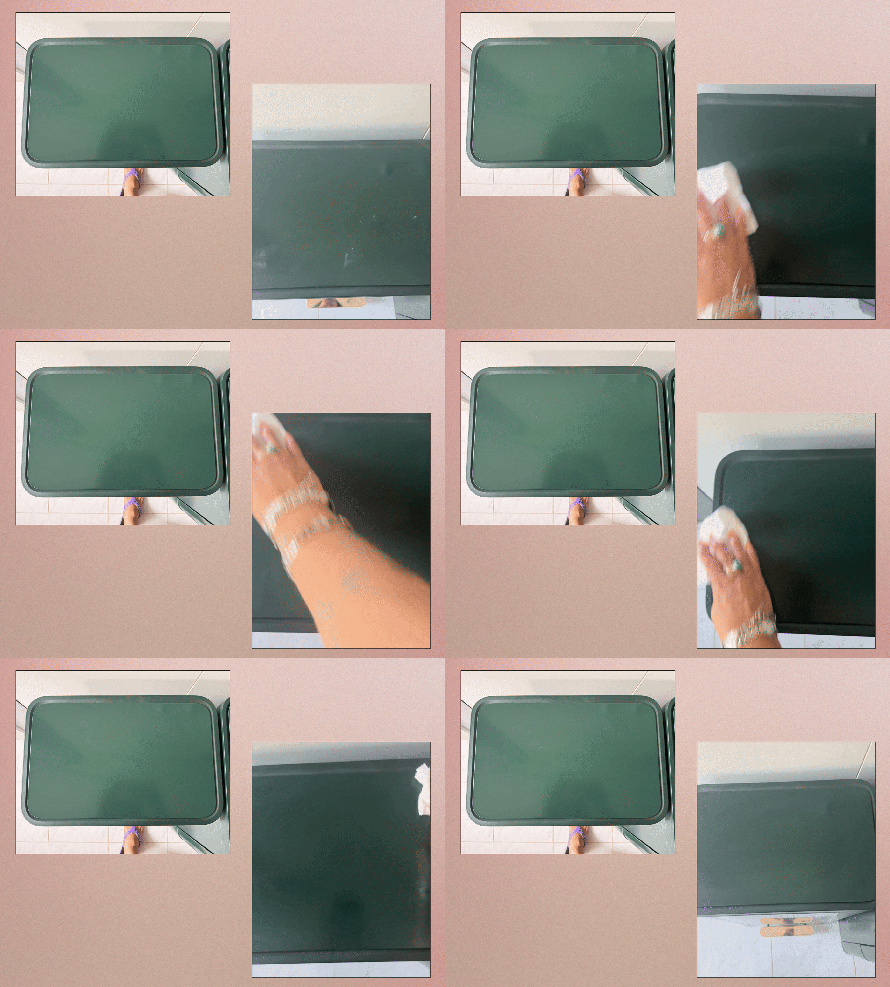
Fingerprint Resistance and Cleanliness: The fingerprint-resistant exterior was tested through practical means. A sweaty palm pressed against the surface left faint marks that largely dissipated. More challenging, a smear of soft cheese on the lid required a targeted cleaning. While initial smudges were present, the surface proved easy to restore. Unlike many stainless steel alternatives that permanently retain streaks or require aggressive scrubbing, the Caraway bins responded well to a simple wipe with a paper towel for fingerprints and a quick spray of a multi-purpose cleaner for more stubborn grime. This ease of cleaning ensures the bins consistently maintain their attractive appearance, reinforcing their design-centric appeal.
Structural Integrity and Longevity: To assess durability, the bins were subjected to deliberate bumps and impacts mirroring typical household accidents. The recycling bin was intentionally bumped against stair balusters during transport, yet emerged without a single dent. The trash can faced even harsher treatment, including being rammed by a vacuum cleaner and regularly struck by discarded food catcher contents and coffee grounds. Remarkably, it sustained no dents or structural damage. While no product is truly indestructible, these tests suggest that Caraway’s waste management system is robustly constructed to withstand the routine bumps, scrapes, and minor collisions inherent in a busy kitchen, promising long-term aesthetic and functional integrity.
Ease of Maintenance: Unlike many traditional bins with difficult-to-clean interiors, Caraway’s design prioritizes hygiene. Both the trash and recycling bins feature easily removable plastic liners. This design allows for convenient and thorough cleaning, enabling users to remove the inserts and hose them down outdoors or rinse them in a bathtub, even in homes without outdoor access. This practical approach to maintenance extends the lifespan of the bins and ensures a sanitary environment.
Market Context and Consumer Implications
Caraway’s entry into the premium waste management sector highlights a significant shift in consumer spending habits and home design trends. Industry analysts have noted a growing appetite for "invisible luxury" – products that perform essential functions with exceptional efficiency and aesthetic grace, integrating seamlessly into the home environment rather than being merely functional objects. An expert in home goods trends, Dr. Eleanor Vance of the Institute for Consumer Lifestyle Studies, commented, "The rise of brands like Caraway reflects a broader cultural movement towards mindful consumption and the pursuit of domestic tranquility. Consumers are increasingly willing to invest in high-quality, well-designed utilitarian items that enhance their daily routines and contribute to a more organized, aesthetically pleasing home. A trash can, once an afterthought, is now seen as an integral part of the kitchen’s overall design and functionality."
The pricing strategy, while premium, aligns with this evolving consumer mindset. At $245 for a single unit or $445 for the duo, Caraway is positioning itself as a high-value investment, emphasizing longevity, superior user experience, and aesthetic integration over initial cost savings. This contrasts with the lower-end market where products are often replaced frequently due to wear, poor performance, or aesthetic dissatisfaction. By offering a durable, easy-to-maintain, and visually appealing solution, Caraway implicitly promises a reduction in the need for frequent replacements, appealing to a segment of consumers who prioritize sustainability through durability.
Furthermore, the thoughtful design of the recycling bin, with its multi-drawer system, directly supports improved household recycling practices. By making sorting easier and more accessible, Caraway’s product can encourage higher rates of proper recycling, contributing to broader environmental efforts at a household level. This functional design speaks to an increasing consumer awareness of environmental responsibility and the desire for products that facilitate sustainable living.
Conclusion: Beyond Utility to Domestic Harmony
In a world where domestic friction points can accumulate, leading to daily frustrations, the introduction of products like Caraway’s waste management system offers a tangible improvement to everyday life. The transformation of a mundane, often unpleasant task into a seamless and even aesthetically pleasing experience is a testament to thoughtful design. While the idea of being an "expensive trash can evangelist" might seem counterintuitive, the comprehensive evaluation clearly illustrates that the investment yields tangible returns in terms of convenience, hygiene, durability, and visual appeal.
A truly effective trash can should ideally "disappear" – not literally, but by performing its function so flawlessly that its presence is felt only through its absence of problems. Caraway’s offerings go a step further, demonstrating that a great waste management system can not only provide a frictionless experience but also inject a subtle sense of joy and order into the home. For those frustrated by the shortcomings of conventional bins, or simply those seeking to elevate every aspect of their living environment, Caraway’s new trash and recycling solutions present a compelling argument for investing in "fewer, better products." They are not just containers for refuse; they are carefully considered pieces of home infrastructure designed to enhance daily living and contribute to overall domestic harmony.