
 Johny Marice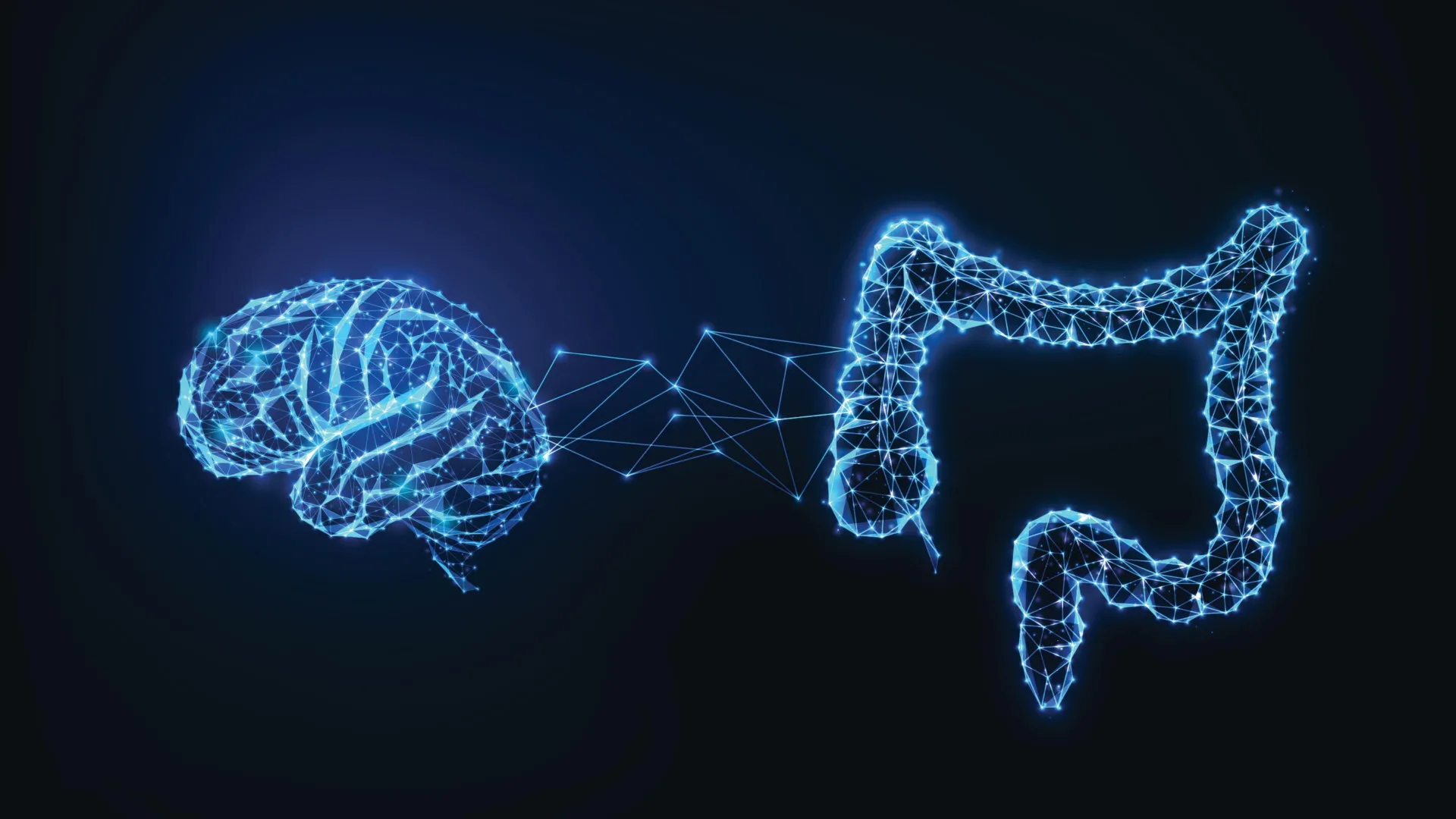
Eating is a complex biological imperative, extending far beyond the simple acquisition of calories. The human body, and indeed the animal kingdom, requires a precise balance of nutrients, with essential amino acids – the fundamental building blocks of proteins that our bodies cannot synthesize independently – playing a particularly critical role. In a groundbreaking discovery, researchers have elucidated a previously unrecognized communication network between the gut and the brain, demonstrating its crucial function in detecting protein deficiencies and driving animals to actively seek out these vital nutrients.
A Dual-Pathway System for Nutrient Detection
A multidisciplinary team, spearheaded by Director SUH Seong-Bae of the Center for Microbiome-Body-Brain Physiology at the Institute for Basic Science (IBS), in collaboration with esteemed scientists from Seoul National University and Ewha Womans University, has identified a sophisticated gut-brain signaling network. This system exhibits a remarkable ability to rapidly recalibrate feeding behaviors in response to declining protein levels. The landmark findings of this research were officially published on May 21st in the prestigious scientific journal, Science.
For decades, scientists have observed that animals deprived of protein exhibit a clear preference for protein-rich foods. However, the precise physiological mechanisms by which the body senses and responds to such a deficiency have remained largely elusive. This new research sheds crucial light on this fundamental biological question, revealing that the gut is not merely a passive organ for digestion but an active sensory system with direct lines of communication to the brain.
The researchers have pinpointed two distinct yet interconnected pathways through which the gut detects and signals protein shortages. The first pathway operates with remarkable speed, leveraging the nervous system to provide an immediate alert to the brain about the lack of essential amino acids. This neural pathway ensures that the organism is promptly aware of its nutritional deficit. Complementing this rapid response, the second pathway functions through the slower, yet sustained, circulation of hormones within the body. This hormonal signaling mechanism helps to reinforce and prolong the drive to seek out protein-rich sustenance, providing a more enduring behavioral impetus.
Unraveling the Mechanism in Fruit Flies
To meticulously map this intricate communication system, the research team turned to the common fruit fly, Drosophila melanogaster. Fruit flies are an invaluable model organism in neuroscience, particularly for investigating the neural circuits that govern feeding behavior. Through a rigorous combination of advanced brain imaging techniques, detailed behavioral analyses, and precise genetic experiments, the scientists were able to delineate the specific neural circuitry involved in this protein-sensing mechanism.
The experiments revealed that when fruit flies were subjected to a protein-deficient diet, specialized cells within their intestines released a peptide hormone known as CNMa. Upon release, CNMa initiated a cascade of events. It activated specific enteric neurons, which are nerve cells embedded within the gut wall, directly connected to the gut itself. These activated neurons then swiftly transmitted signals to the brain via a direct neural pathway, establishing the rapid gut-brain communication.
Concurrently, CNMa also entered the bloodstream, acting as a circulating hormone. This hormonal route allowed CNMa to reach the brain more gradually, thereby reinforcing and sustaining the organism’s drive to locate and consume essential amino acids. Director SUH Seong-Bae commented on the significance of these findings, stating, "Our study shows that the gut is not simply a digestive organ, but an active sensory system that continuously monitors nutritional state and directly guides behavioral decisions." This underscores a paradigm shift in our understanding of the gut’s role in overall physiology and behavior.
Shifting Cravings: From Sugar to Protein
Crucially, the newly identified gut-brain signaling system did not induce a generalized increase in appetite. Instead, it demonstrated a remarkable specificity, fundamentally altering the animals’ food preferences. The research indicated that a deficiency in protein led to a heightened attraction towards nutrients associated with protein, while simultaneously diminishing the flies’ interest in sugar.
The mechanism behind this shift involves the suppression of activity in specific brain cells known as DH44 neurons, which are highly sensitive to sugar. The CNMa signaling, both through neural and hormonal pathways, effectively dampened the responsiveness of these sugar-sensing neurons. This intricate interplay resulted in a clear redirection of feeding preferences away from carbohydrate sources and towards those rich in essential amino acids.
Furthermore, the study highlighted the significant, albeit often overlooked, role of gut bacteria in this process. Fruit flies that lacked a normal complement of gut microbes exhibited a notably more pronounced activation of brain neurons responsible for seeking amino acids. This observation suggests that the microbiome plays a vital regulatory role in modulating nutrient availability and, consequently, influencing feeding behaviors. The complex interplay between host physiology and microbial communities is increasingly recognized as a cornerstone of metabolic health.
Evidence of Conservation in Mammalian Systems
Perhaps one of the most compelling aspects of this research is the identification of evidence suggesting that a similar fundamental mechanism for protein detection and behavioral guidance is conserved in mammals. To test this hypothesis, the researchers conducted experiments with mice. These studies revealed that mice deprived of protein developed a pronounced preference for essential amino acids, mirroring the behavioral responses observed in fruit flies.
A particularly intriguing finding emerged concerning FGF21, a hormone previously considered to be a primary mediator of protein appetite in mammals. The experiments demonstrated that even in mice genetically engineered to lack FGF21, a strong amino acid-seeking behavior persisted. This surprising result strongly suggests the existence of additional, as yet unidentified, nutrient-sensing systems within mammals that contribute to appetite regulation. This implies that our understanding of appetite control is still incomplete, with further layers of complexity yet to be uncovered.
Collectively, these findings challenge the simplistic notion that animals merely become hungrier when nutrients are scarce. Instead, the research points towards a more sophisticated process where the brain actively and selectively prioritizes foods that contain the specific nutrients that the body is deficient in. This targeted approach ensures efficient nutrient acquisition and metabolic homeostasis.
Broader Implications for Metabolic Health and Eating Disorders
The profound implications of this discovery extend to a deeper understanding of various metabolic disorders, including obesity and eating disorders. The intricate dialogue between the gut and the brain, as revealed by this research, offers new avenues for therapeutic interventions.
"Most current obesity and appetite-control drugs rely on gut hormone signaling, yet we still know relatively little about how naturally produced gut signals influence the brain and behavior," remarked Director SUH Seong-Bae. "This study reveals fundamental principles of nutrient selection by the gut-brain axis and provides a foundation for future therapeutic strategies targeting metabolic and feeding disorders."
The identification of novel signaling pathways and the confirmation of the gut’s active role in sensory perception and behavioral guidance pave the way for the development of more targeted and effective treatments for conditions characterized by disrupted appetite regulation. For instance, understanding how specific nutrient deficiencies trigger distinct behavioral responses could inform strategies to combat overeating of unhealthy foods or to encourage the consumption of nutrient-dense options.
The research team’s work on the gut-brain axis could also shed light on the complex etiology of eating disorders. By understanding the fundamental biological signals that drive nutrient seeking, scientists may be able to identify dysregulations in these pathways that contribute to conditions such as anorexia nervosa or bulimia nervosa. The precise mechanisms by which the body senses and responds to nutrient availability are intrinsically linked to our perception of hunger, satiety, and food preferences, all of which are disrupted in these disorders.
Furthermore, the role of the microbiome in modulating these signals adds another layer of complexity and potential therapeutic targets. Manipulating the gut microbiome, through probiotics, prebiotics, or fecal microbiota transplantation, could emerge as a viable strategy for restoring healthy appetite regulation and improving metabolic outcomes. The precise interactions between gut microbes, their metabolites, and the host’s neural and endocrine systems are a rapidly evolving area of research with immense therapeutic potential.
In conclusion, this seminal research has unveiled a hidden, yet critical, communication system that governs how animals detect and respond to protein deficiencies. By revealing the gut’s sophisticated sensory capabilities and its direct influence on brain function and behavior, this study not only deepens our fundamental understanding of nutrition and appetite but also opens promising new frontiers for the development of innovative therapies for a range of metabolic and eating disorders. The journey from understanding basic biological mechanisms to translating these findings into clinical applications is often long, but this discovery marks a significant stride forward in our quest to optimize human health and well-being.








