Nila Kartika Wati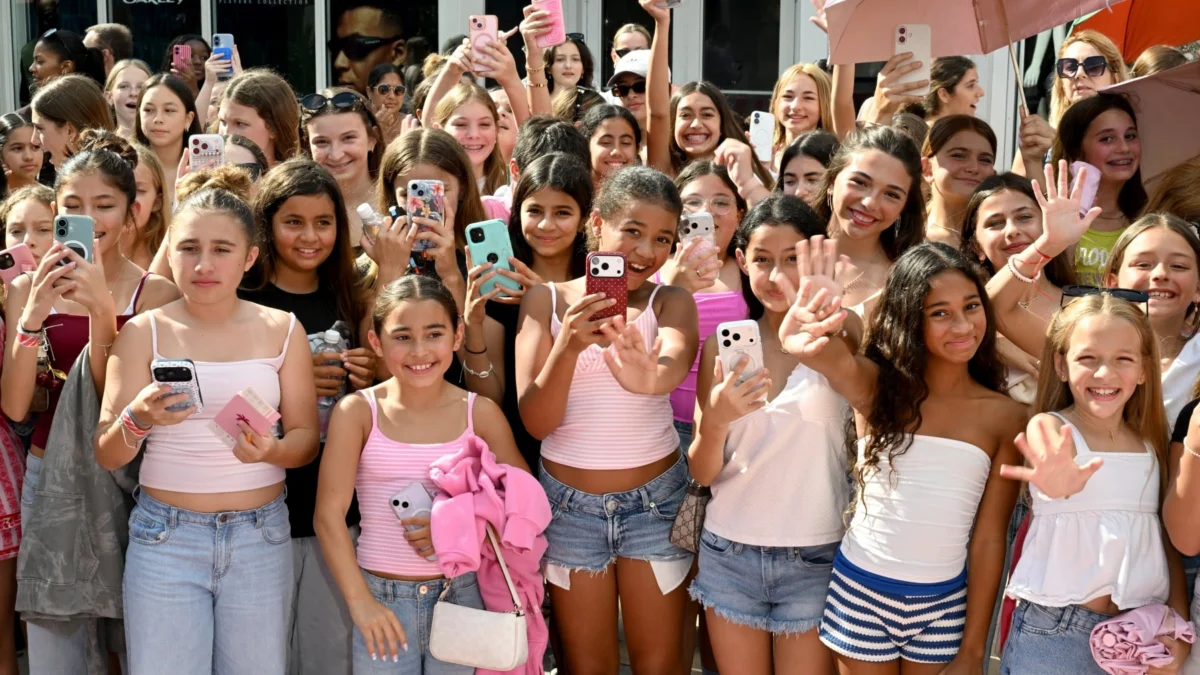
The recent legislative move by the United Kingdom to curtail social media access for individuals under the age of 16 marks a significant development in the global effort to protect minors online. This policy, aligning the UK with nations like Australia and Malaysia, is poised to necessitate a substantial re-evaluation of marketing strategies for brands that have historically relied on younger demographics for engagement and sales. The evolving digital landscape, coupled with increasing governmental scrutiny, presents a complex challenge for the fashion industry and beyond, particularly those sectors with a strong appeal to pre-teens and adolescents.
The Shifting Landscape of Digital Youth Engagement
The decision by the UK government to implement age restrictions on social media platforms is not an isolated incident but rather a culmination of growing concerns regarding the potential harms of unfettered internet access for children. These concerns encompass issues such as exposure to inappropriate content, cyberbullying, mental health impacts, and the pervasive influence of targeted advertising on developing minds. The legislation, which is expected to be phased in over the coming months, will likely require social media companies to implement more robust age verification processes. This could involve mandatory ID checks or parental consent mechanisms, significantly altering the user acquisition and engagement models that have defined the digital space for years.
This regulatory shift follows a broader global trend. Australia introduced similar measures in 2023, focusing on parental controls and data privacy for young users. Malaysia has also been at the forefront, with ongoing discussions and policy frameworks aimed at safeguarding its younger population online. The UK’s adoption of such policies places it within a significant international bloc, signaling a united front in addressing the complex challenges of the digital age for minors.
A Timeline of Growing Concern and Legislative Action
The genesis of these age restriction policies can be traced back several years, marked by increasing public awareness and mounting evidence of the negative impacts of excessive social media use on young people. Early concerns often centered on the addictive nature of algorithms and the constant pressure to curate an online persona. By the late 2010s, reports from various mental health organizations began highlighting correlations between increased social media usage and rising rates of anxiety, depression, and body image issues among adolescents.
In the UK, discussions around online safety for children gained significant momentum following high-profile cases of online grooming and cyberbullying. This led to the introduction of the Online Safety Bill, a landmark piece of legislation designed to hold social media companies more accountable for the content hosted on their platforms and for the safety of their younger users. While the primary focus of the bill was on illegal and harmful content, provisions for age verification and protection of minors became increasingly prominent during its passage through Parliament. The final enactment of legislation specifically targeting under-16 access represents a more direct intervention aimed at controlling the access itself, rather than solely regulating content.
The timeline can be broadly summarized as follows:
- Early to Mid-2010s: Growing anecdotal evidence and academic research begin to highlight potential negative impacts of social media on youth mental health and development.
- Late 2010s: Public outcry and advocacy groups amplify concerns. Mental health charities release influential reports linking social media use to increased rates of anxiety and depression in teenagers.
- Early 2020s: Governments worldwide begin to explore legislative solutions. The UK’s Online Safety Bill process starts, with age-related protections becoming a key component. Australia and other nations initiate similar policy developments.
- 2023-2024: Significant legislative progress is made in several key markets. Australia implements new regulations. The UK government finalizes and enacts its legislation to restrict social media access for under-16s.
Supporting Data: The Digital Footprint of Young Consumers
The rationale behind these legislative measures is often supported by compelling data on youth social media usage and its perceived effects. While precise figures can vary by region and survey methodology, general trends indicate a high penetration of social media among younger age groups:
- High Penetration Rates: Surveys consistently show that a vast majority of teenagers, often upwards of 90%, have access to and regularly use at least one social media platform. For instance, Pew Research Center data from the United States has previously indicated that over 90% of teens aged 13-17 use social media, with platforms like YouTube, TikTok, Instagram, and Snapchat being particularly popular. While specific UK statistics are still emerging post-legislation, similar adoption rates are anticipated.
- Early Adoption: Many children gain access to social media accounts before the age of 13, the current minimum age requirement for many platforms, often by misrepresenting their age. This means a significant portion of users are technically in violation of platform terms of service, yet widely present.
- Mental Health Correlations: Numerous studies have indicated a correlation, though not always a direct causal link, between heavy social media use and negative mental health outcomes. A 2021 report by the Royal Society for Public Health in the UK, for example, found that platforms like Instagram and Snapchat were associated with higher levels of anxiety, depression, and body image concerns among young people.
- Influence of Advertising: Children and adolescents are particularly susceptible to marketing messages. Their developing critical thinking skills may make them less adept at discerning advertising from organic content, making them prime targets for persuasive marketing campaigns, including those for fashion brands. Data from consumer behavior studies suggests that younger demographics are highly influenced by peer recommendations and influencer marketing, which are prevalent on social media.
Industry Reactions and Strategic Imperatives
The fashion industry, with its strong reliance on visual storytelling and trend-driven marketing, has heavily leveraged social media to reach younger consumers. Brands targeting the lucrative "tween" and "teen" market, such as Pink Palm Puff, have historically thrived on platforms where these demographics are most active. The new legislation presents a significant challenge to these established marketing paradigms.
Brand Strategies Under Review:
- Shift in Channel Focus: Brands will need to explore and invest in alternative channels to reach their target audience. This could include:
- Physical Retail Experiences: Pop-up shops, in-store events, and interactive brand activations in physical locations may see a resurgence in importance. The image of guests at a Miami pop-up for tween-favourite brand Pink Palm Puff exemplifies this type of engagement.
- Parental Engagement: Marketing efforts may increasingly need to target parents or guardians, who will become gatekeepers for their children’s online activities and purchasing decisions. This could involve content designed to appeal to parental values of quality, safety, or educational benefit.
- Non-Social Media Digital Platforms: Exploring gaming platforms, educational apps, or curated online communities that may fall outside the scope of current social media restrictions could become viable options.
- Traditional Media: While often considered less impactful for younger demographics, a strategic re-evaluation of television, print, or outdoor advertising might be necessary for certain segments.
- Content Reimagination: The type of content that resonates with younger audiences will need to adapt. Instead of direct influencer marketing on platforms now restricted, brands might focus on:
- Collaborations with educational content creators or family-oriented influencers.
- Developing interactive games or educational resources related to fashion and design.
- Creating content that emphasizes values such as sustainability, creativity, or inclusivity, which may appeal to both younger consumers and their parents.
- Data Privacy and Trust: Brands that can demonstrate a strong commitment to data privacy and ethical marketing practices will likely gain a competitive advantage. Building trust with both parents and older teenagers will be paramount.
Potential Industry Statements (Inferred):
While official statements from specific fashion brands are not yet widely available, it is reasonable to infer a range of reactions. Industry bodies and trade associations are likely to be consulting with their members to assess the impact and lobby for clarity on implementation details. One could anticipate statements emphasizing:
- Commitment to Youth Safety: Brands will likely reiterate their commitment to responsible marketing and the safety of young consumers.
- Adaptability: An acknowledgment of the need to adapt marketing strategies to comply with new regulations.
- Call for Clarity and Collaboration: A request for clear guidelines from regulators and a willingness to collaborate with policymakers to ensure effective implementation.
Broader Implications and the Future of Youth Marketing
The UK’s legislative action represents a significant step towards a more regulated digital environment for minors. This has far-reaching implications beyond just the fashion industry:
- Technological Innovation: The demand for robust age verification technologies is likely to surge, potentially leading to innovation in this space. Companies specializing in digital identity solutions and parental control software may see increased opportunities.
- Platform Accountability: Social media platforms will face increased pressure to invest in and enforce age verification measures. Failure to comply could result in substantial fines and reputational damage.
- Parental Empowerment: The legislation implicitly empowers parents by providing them with a clearer framework and potentially more tools to manage their children’s online activities. This could lead to a greater dialogue within families about digital consumption.
- Global Precedent: As a major global economy, the UK’s regulatory stance could influence similar legislative efforts in other countries. This could accelerate a global shift towards a more controlled digital space for young people.
The fashion industry, in particular, will need to demonstrate agility and creativity in navigating this evolving landscape. The focus may shift from direct, often instantaneous, engagement on social media to building longer-term relationships with consumers through a more diversified and ethically-minded approach. The era of relying solely on the ubiquity of social media to reach younger consumers is undoubtedly drawing to a close, ushering in a new chapter for youth marketing that prioritizes safety, trust, and innovative engagement strategies. The success of brands in this new environment will hinge on their ability to understand and adapt to these fundamental changes.