Reynand Wu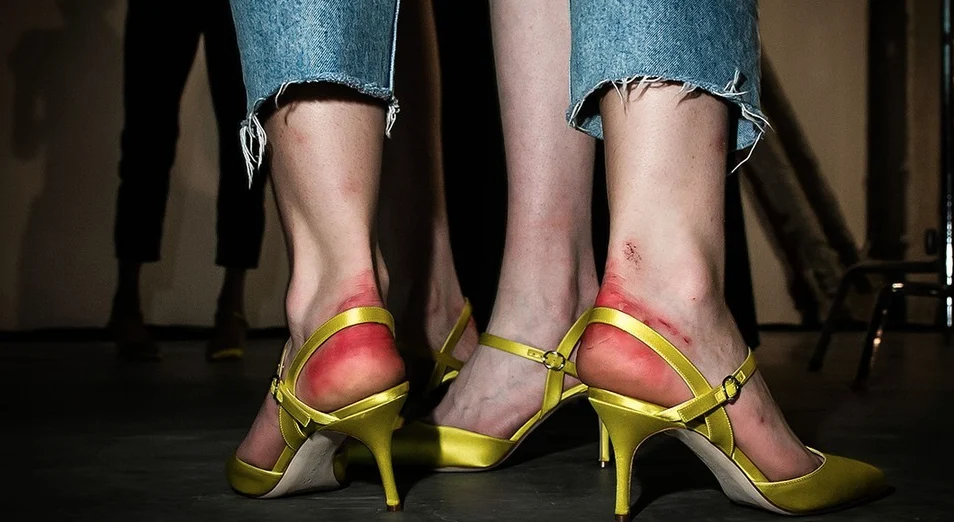
A recent photograph captured by Dina Litovsky, depicting a fashion model’s inflamed feet encased in slingback heels, has ignited a global conversation across social media platforms and mainstream news outlets. The image, shared widely including by National Geographic and numerous Instagram influencers, rapidly accumulated over 500,000 likes and a torrent of comments, predominantly criticizing the fashion industry’s perceived prioritization of aesthetics over the physical well-being of its workforce. This incident is not an isolated occurrence but rather the latest in a recurring series of visual testimonies that expose the strenuous and often painful conditions endured by models on the runway.
A History of Discomfort: From Runway to Social Media Spotlight
The photograph, originating from a prominent fashion week, quickly became a symbol of a deeper, systemic issue within the high fashion world. Litovsky’s lens vividly captured the raw reality behind the glamorous facade – the swollen, reddened skin testament to hours spent in ill-fitting or structurally challenging footwear designed more for dramatic effect than ergonomic comfort. The viral spread of this image underscores the potent role of social media in democratizing critiques of traditionally exclusive industries. What might have once been an internal industry whisper or a fleeting observation now becomes a global spectacle, inviting public scrutiny and sparking widespread ethical debate.
This recent viral moment echoes previous controversies, notably from Louis Vuitton’s 2012 show in Paris. Then, images of runway models’ battered, bruised, and swollen feet circulated extensively, prompting similar public outcry and a brief, albeit intense, period of introspection within the industry. The recurrence of such incidents, separated by more than a decade, suggests a persistent challenge in reconciling artistic vision with humanistic considerations. Historically, fashion has often pushed boundaries, with designers leveraging clothing and accessories to challenge norms, create spectacle, and define cultural movements. However, when this pursuit of avant-garde design or dramatic silhouette comes at a visible physical cost to the individuals embodying these creations, it inevitably raises questions about ethical responsibility and the industry’s duty of care.
The global fashion industry, a multi-trillion dollar behemoth, operates on tight schedules and immense pressure, particularly during major fashion weeks in New York, London, Milan, and Paris. Models, often young and navigating a highly competitive environment, are at the heart of this demanding ecosystem. The expectation to perform flawlessly, often under physically demanding circumstances, is deeply entrenched.
The Model’s Dilemma: Professionalism and Peril
Within the fashion industry, models face a complex ethical dilemma when confronted with uncomfortable or potentially harmful attire, particularly shoes. While instances of models, even high-profile figures like Naomi Campbell and Lindsey Wixson, refusing to wear outrageous footwear have been documented, such acts of defiance are not without consequence. Models, especially those with lower status or less established careers, risk being judged as unprofessional, difficult, or uncooperative, potentially jeopardizing future bookings and career advancement. This dynamic highlights a significant power imbalance, where the pursuit of a specific aesthetic can supersede concerns for individual well-being.
The industry often subtly, and sometimes overtly, praises models for their ability to endure long shoots, demanding poses, and even contortionist-like movements. This endurance is frequently conflated with professionalism and dedication. Campaigns for prominent brands like Stella McCartney and Loewe, while artistically striking, sometimes feature models in poses that require significant physical exertion and flexibility. The implicit message is clear: a model’s willingness to push physical limits is a valued attribute. However, measuring professionalism by an individual’s capacity to endure pain or discomfort demonstrates a toxic aspect of professional culture, where personal well-being is sacrificed at the altar of an idealized image.
This phenomenon aligns with sociological observations about "aesthetic laborers" – individuals whose bodies and appearances are central to their work and are commoditized as such. Models, in this context, are not merely displaying clothing; they are embodying cultural ideals of gender, race, class, and sexual identity, their personhood becoming a canvas for commercial and artistic expression. While empowered by the high fashion industry’s exclusivity and idealism, they simultaneously navigate often dogged and isolating work conditions. These images, while "serving looks" in fashion parlance, also serve as stark reminders of the social expectations of beauty that reinforce cultural standards shaped by power, race, and status.
"Beauty is Pain": Unpacking a Cultural Mantra
The enduring adage "beauty is pain" is more than just a colloquialism; it is a deeply embedded cultural narrative that underpins many aspects of the fashion and beauty industries. Phrases like "look good, feel good" further link one’s appearance to inherent value and capabilities, subtly compelling individuals to invest time, effort, and sometimes suffering, into their physical presentation. On the catwalk, the consequences of these professional norms skew models’ agency, forcing them to pay a literal price in pain to justify, uphold, and maintain a professional image.
Sociologist Ashley Mears, in her ethnography Pricing Beauty, offers critical insights into this dynamic. Mears argues that the ideals perpetuated by the fashion industry become prescriptive, shaping broader cultural expectations of how people should look and behave. These ideals are not neutral; they are deeply intertwined with power structures, often reinforcing narrow, exclusionary standards based on race, class, and gender. The high heels, corsets, and restrictive garments that have historically characterized fashion, and continue to appear in various forms today, are potent symbols. They teeter between representing empowerment, offering a sense of allure or confidence, and embodying oppression, physically restricting movement and causing discomfort.
The physical toll on models can be significant and long-lasting. Repeatedly wearing ill-fitting or structurally unsound shoes can lead to a range of foot problems, from bunions and hammer toes to nerve damage and chronic pain. The high arches and narrow toe boxes of many runway heels distribute weight unevenly, placing immense pressure on the balls of the feet and toes. This, combined with the long hours of standing, walking, and posing, can exacerbate existing conditions or create new ones, impacting a model’s health and career longevity. Beyond physical ailments, the psychological impact of constantly striving for an unattainable ideal, coupled with the pressure to endure discomfort without complaint, can contribute to stress, anxiety, and body image issues.
Beyond the Catwalk: Consumer Culture and the Pursuit of Optimization
The struggle extends far beyond the confines of the fashion industry and its models, permeating the everyday lives of consumers. In her insightful essay "Always Be Optimizing," Jia Tolentino draws a compelling connection between pain, suffering, and the pervasive cultural drive for self-optimization. Through her personal experiences and research into intense Pilates and barre workouts, Tolentino argues that gendered beauty ideals have subtly transformed into a relentless pursuit of optimization. This pursuit often masks oppressive cultural beauty standards under the guise of "self-care."
These painful practices, whether it’s enduring restrictive diets, undergoing cosmetic procedures, or engaging in strenuous exercise regimes, are often framed as empowering choices – as "sweating it out" for a toned, sculpted body. Crucially, this narrative creates an illusion of agency. Individuals are led to believe they are actively choosing to "optimize" their "womanly figure" or improve their appearance, rather than responding to deeply ingrained societal pressures. The allure of "look good, feel good" and the enduring cultural expectation that "beauty is pain" serve to justify the aches, pains, and sacrifices made in the quest for an idealized aesthetic.
The economic implications of this cultural phenomenon are staggering. The global beauty and wellness industry, estimated to be worth several trillion dollars, thrives on these aspirations. From high-end fashion accessories to gym memberships, cosmetic procedures, and diet supplements, consumers are continuously marketed products and services that promise improvement, transformation, and ultimately, a closer approximation to prevailing beauty ideals. Shoes, in this broader context, are not merely utilitarian vehicles for our feet; they are powerful cultural artifacts, laden with gendered societal expectations, standards, and ideals that are often tacitly, and sometimes explicitly, praised and pursued.
The Ethical Footprint of High Fashion
The recurring debate sparked by images of models’ suffering feet brings to the fore the ethical responsibilities of designers, fashion houses, and the industry as a whole. While strides have been made in other areas, such as promoting sustainability and ethical sourcing of materials, the welfare of the human models who bring these creations to life often remains a secondary consideration. The lack of standardized, enforceable guidelines regarding model working conditions, particularly concerning footwear and garment comfort, leaves many vulnerable.
Model advocacy groups, such as the Model Alliance in the United States, have long campaigned for greater protections, fair wages, and healthier working conditions for models. Their efforts highlight the need for systemic change, urging industry bodies like the Council of Fashion Designers of America (CFDA) and the British Fashion Council (BFC) to implement and enforce stricter ethical codes of conduct. These codes would ideally address not only issues of sexual harassment and exploitation but also physical health and safety on set and on the runway.
The public’s strong reaction to images like Litovsky’s suggests a growing consumer demand for greater transparency and ethical accountability from brands. As social consciousness evolves, there is an increasing expectation that luxury and beauty should not come at the expense of human dignity or well-being. This societal shift could potentially drive industry leaders to re-evaluate their design processes, prioritizing comfort and health alongside artistic vision.
Looking Ahead: Towards a More Empathetic Runway?
The viral images of models’ pained feet serve as potent reminders of an ongoing, unresolved tension within the fashion industry. They force a critical examination of the "beauty is pain" paradigm, not just as a creative trope, but as a practice with real physical and psychological consequences for individuals. The sustained public engagement with these images, amplified by social media, underscores a broader societal questioning of aspirational beauty standards and the sacrifices demanded in their pursuit.
Moving forward, the conversation must evolve from episodic outrage to sustained advocacy and systemic change. This could involve designers incorporating ergonomic considerations into their footwear designs, fashion houses adopting stricter health and safety protocols for models, and industry bodies enforcing comprehensive ethical guidelines. Ultimately, the quest for a more empathetic runway and a more humane fashion industry will require a collective re-evaluation of values, prioritizing the well-being of all individuals involved in the creation and presentation of beauty over its potentially harmful costs. These viral moments are not just fleeting glimpses into an industry’s excesses, but critical markers in a larger, necessary dialogue about ethics, aesthetics, and the true price of glamour.