Ronny Sianturi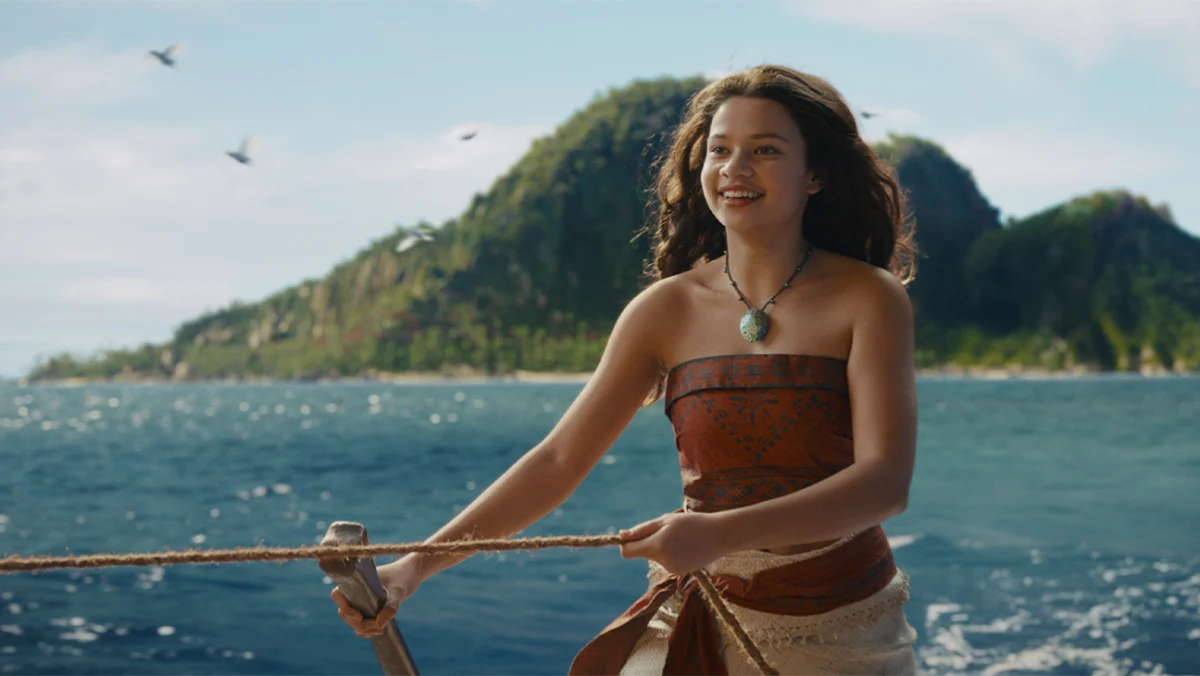
Disney’s highly anticipated live-action adaptation of Moana has failed to generate the significant box office splash the studio had envisioned for the summer blockbuster season, raising critical questions about the studio’s strategy for adapting beloved animated classics and the broader future of its live-action remake slate. The film’s opening weekend performance has not only cast a shadow over its commercial prospects but also sparked industry-wide discussions regarding audience reception, timing, and the inherent challenges of translating animated magic into live-action reality.
A Disappointing Debut Amidst High Expectations
The live-action Moana, starring Catherine Laga’aia in the titular role and Dwayne Johnson reprising his voice performance as the demigod Maui, debuted with a domestic opening of $43 million. This figure falls considerably short of initial projections, which had placed the film’s potential opening in the $60 million to $75 million range, according to third-party tracking. This performance places the film in a concerning category, marking one of the weaker openings for Disney’s recent live-action remakes, especially considering its substantial $250 million production budget.
This underperformance contrasts sharply with the soaring success of last year’s live-action Lilo & Stitch, which achieved a record-breaking $183 million four-day opening weekend domestically and surpassed $1 billion globally. The original 2016 animated Moana is a cultural touchstone, cherished by families and holding the distinction of being the most-watched feature on Disney+. Furthermore, the recent theatrical release of Moana 2 in November 2024, which achieved over $1 billion at the global box office, had seemingly solidified the franchise’s enduring popularity and created a fertile ground for the live-action adaptation. However, the reality at the box office proved to be a stark departure from these optimistic indicators.
A Pattern of Underperforming Remakes
The recent financial performance of the live-action Moana adds to a growing list of Disney live-action remakes that have struggled to meet lofty expectations. Last year’s Snow White, starring Rachel Zegler and Gal Gadot, opened to $42.2 million, another disappointing debut for a property with immense global recognition. The 2019 Tim Burton-directed Dumbo also saw a modest $45.9 million opening. While these earlier remakes of classic tales from generations prior might have faced challenges in resonating with contemporary audiences, the Moana situation presents a more complex scenario, given the original film’s relative recency and its established strong fan base.
The cultural and political landscape has also become an increasingly significant factor in the reception of these films. The live-action Snow White, for instance, found itself embroiled in debates and controversies that potentially impacted its box office trajectory. In contrast, the live-action Moana has largely steered clear of such overt controversies, yet still failed to capture significant audience attention during its opening weekend.

Analyzing the Factors Behind the Underperformance
Several factors may have contributed to the live-action Moana‘s subdued opening. Critically, the film received a lukewarm reception from professional reviewers, holding a 34 percent approval score on Rotten Tomatoes. This makes it one of the lowest-rated live-action remakes from Disney. However, audience reception has painted a different picture, with the film earning an A- CinemaScore, including an impressive A+ from audiences under 18, and a 90 percent Rotten Tomatoes audience rating, indicating a significant disconnect between critical consensus and viewer enthusiasm.
A key element of discussion revolves around the timing of the release. The original animated Moana was released in 2016, giving audiences over eight years to develop nostalgia. In contrast, the live-action Moana arrived much sooner after its animated predecessor, a factor that may have diminished the sense of urgency and anticipation. Furthermore, the recent success of Moana 2 as a theatrical release, initially conceived as a Disney+ series before being shifted to the big screen, may have inadvertently created a sense of "Moana fatigue" for some audiences. With Dwayne Johnson reprising his role as Maui in the animated sequel, fans might have felt they had already experienced their fill of the franchise for the time being.
The competitive summer movie landscape also presents a significant challenge. The live-action Moana faced direct competition from other major family-oriented releases, including Disney’s own Toy Story 5 and Illumination’s Minions & Monsters. While Minions & Monsters also experienced a less-than-stellar opening weekend, its presence further fragmented the target audience.
Shawn Robbins, director of analytics at Fandango and founder of Box Office Theory, commented on the timing aspect, stating, "Everything comes down to timing in this business, and it just did not work in Moana‘s favor in this case." He contrasted this with past successes like the live-action Beauty and the Beast (2017), Aladdin (2019), and The Lion King (2019), which capitalized on the nostalgia for 1990s animated features and enjoyed openings exceeding $90 million domestically, leading to global grosses over $1 billion. Universal’s live-action How to Train Your Dragon remake also found its sweet spot in the market last year.
The Evolving Landscape of Disney’s Live-Action Remakes
The performance of the live-action Moana inevitably prompts a reevaluation of Disney’s ongoing strategy of adapting its animated library. Projects previously in development, such as live-action versions of Robin Hood, Bambi, The Aristocats, and The Sword in the Stone, may face increased scrutiny. "It’s always a case-by-case basis," Robbins noted when discussing the potential for future live-action adaptations. "Who knows where Disney goes from here?"
Disney is currently in production on the live-action retelling of Tangled, focusing on Rapunzel, which is being filmed in Spain. Development on this project was initially paused after the disappointing launch of Snow White in 2025 but resumed in the fall, reportedly influenced by the significant box office returns of Lilo & Stitch. The studio also has a live-action Lilo & Stitch sequel in development, and there remains considerable anticipation for a potential live-action Frozen adaptation.

Despite the box office figures, the Moana team can draw some solace from the film’s strong audience scores and vocal support from some segments of the public. Screenwriter Timothy Dowling, known for Role Models, took to social media to praise the new Moana, urging consideration of audience reception over online criticism. Given the positive exit polls, Disney remains hopeful that the film might demonstrate resilience and "legs" in the coming weeks, particularly as it faces less direct competition from major family films. The upcoming release of Christopher Nolan’s R-rated The Odyssey is expected to dominate the box office over the next two weekends, potentially allowing Moana more breathing room to attract audiences.
Dwayne Johnson’s Recent Box Office Trajectory
For Dwayne Johnson, the live-action Moana‘s performance adds another layer to his recent box office record. While Moana 2 proved to be a significant hit, his recent slate of films, including Black Adam, Red One, and The Smashing Machine, have faced commercial headwinds. Johnson is slated to return to another major franchise later this year with Sony’s Jumanji: Open World. However, this highly anticipated release will face stiff competition, opening just a week after Avengers: Doomsday and Dune: Part Three, a testament to the crowded release calendar and the challenges of securing a dominant box office position.
A Volatile Box Office Year
The 2026 box office year has been characterized by a mix of spectacular successes and notable disappointments. The spring season saw promising global blockbusters like The Super Mario Galaxy Movie and Michael, both surpassing the $1 billion mark, alongside hits such as Project Hail Mary and The Devil Wears Prada 2. The summer initially offered reasons for optimism, with Toy Story 5 appearing poised for a ten-figure global run and surprise breakouts like Obsession and Backrooms. However, recent weeks have been marked by a series of underperformances, including Supergirl and June’s Masters of the Universe. The latter half of the year holds potential with anticipated releases like The Odyssey and Spider-Man: Brand New Day expected to draw significant audiences.
Robbins summarized the current climate, stating, "It has been a wild summer. Now there have been a few underperformers consecutively. That just really underscores what the expectation has been for a long time, that it would be a very top-heavy summer for the most part – and maybe for the year." This sentiment highlights the broader industry’s reliance on a select few mega-hits to drive overall financial success, making the underperformance of even established franchises a cause for concern. The studio’s ability to navigate these shifting tides and successfully adapt its treasured animated canon will be closely watched in the coming years.