Ferry Irwandi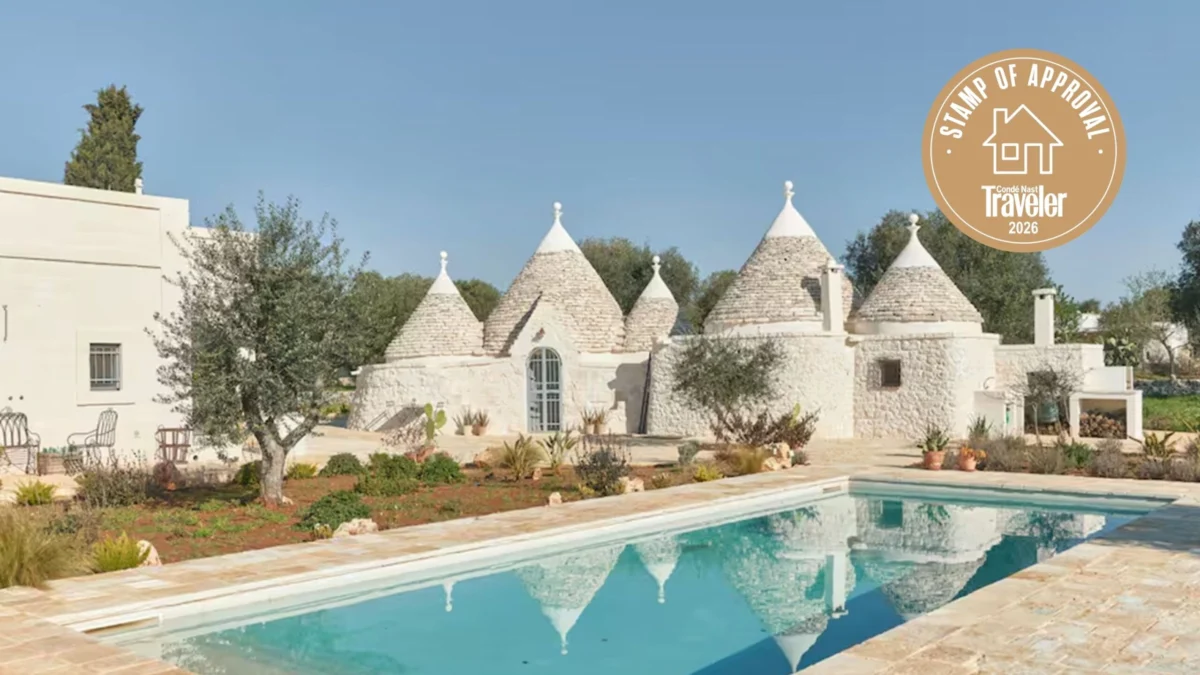
The southern Italian region of Puglia has increasingly emerged as a premier destination for high-end travelers seeking an alternative to the saturated markets of the Amalfi Coast and Sicily, driven by a growing interest in architectural preservation and the "slow travel" movement. This shift in European tourism trends is exemplified by the rising popularity of historical masserias—fortified farmhouses—and trulli, the iconic conical-roofed dwellings of the Itria Valley. A notable case study in this regional revitalization is Masseria Silentio, an 18th-century estate situated between the historic communes of Ostuni and Ceglie Messapica. By integrating traditional Puglian architecture with modern luxury amenities, such properties are redefining the hospitality landscape in Italy’s "heel," balancing the demands of international tourism with the ecological and cultural necessity of heritage conservation.
The Historical and Geographical Context of the Itria Valley
Puglia’s appeal is rooted in its unique geographical positioning, offering a confluence of expansive agricultural hinterlands and a rugged coastline along the Adriatic and Ionian Seas. The area surrounding Ostuni, known as the "White City" due to its whitewashed stone architecture, serves as a gateway to the olive-rich plains of the interior. This region is characterized by centennial olive groves, many of which are protected under Italian law as historical monuments.
Masseria Silentio, originally a "masseriola" or small rural farmhouse, dates back to the 1700s. During this era, masserias functioned as the center of agricultural production, housing both landowners and laborers, and providing storage for olive oil, wine, and grain. The architectural footprint of these estates often includes high perimeter walls and central courtyards designed for both communal living and defense. The inclusion of trulli—stone huts built with dry-stone masonry—is a distinct feature of the Murgia area. These structures, originally used as temporary shelters or permanent dwellings for agricultural workers, were constructed using local limestone without mortar, a technique that has earned the trulli of nearby Alberobello a designation as a UNESCO World Heritage site.
Architectural Restoration and Design Philosophy
The restoration of Masseria Silentio highlights a growing trend in the Italian hospitality sector: the "conservative restoration." This approach prioritizes the use of original materials and traditional building techniques to maintain the site’s historical integrity while updating its functionality for contemporary use.
The main villa at Masseria Silentio retains its 18th-century structural logic but has been augmented by the current owners with subtle architectural additions. One such addition is a conservatory designed to maximize natural light filtration throughout the day, serving as a transitional space between the stone interior and the surrounding gardens. The interior layout consists of a living room, a functional kitchen, and multiple bedrooms. A notable design choice is the inclusion of a rooftop terrace accessible via a traditional stone staircase, offering panoramic views of the Valle d’Itria—a feature common in historical masserias used for monitoring the surrounding landscape.
A secondary structure on the property, the Trullo Castelluccio, represents a significant historical asset. This five-coned trullo, where farm laborers once resided, has been repurposed into high-end guest quarters. The renovation utilizes cocciopesto, an ancient Roman building material composed of lime and crushed tiles or bricks, which provides natural waterproofing and thermal insulation. The furniture within these spaces is a curated blend of family heirlooms and items sourced from local antique markets, reinforcing a sense of "place" that is often lost in standardized luxury hotels.
Regional Tourism Trends and Economic Data
The preference for Puglia over traditional hotspots like the Amalfi Coast is reflected in recent Italian tourism statistics. According to data from the National Institute of Statistics (ISTAT), Puglia has seen a consistent year-over-year increase in international arrivals, with a notable rise in visitors from North America and Northern Europe. The region’s appeal is bolstered by its accessibility; the proximity of Brindisi Airport and Bari Karol Wojtyła Airport allows for efficient travel from major European hubs.
The "shoulder seasons" of April and September have become particularly lucrative for the region. In April, Puglia experiences temperate climates and long sunlit days, while September marks the harvest season for figs, almonds, and olives. This seasonality supports a more sustainable tourism model, reducing the environmental pressure on local infrastructure during the peak summer months of July and August.
Industry analysts suggest that the "masseria model" of tourism contributes significantly to the local economy. Unlike large-scale resorts, these boutique properties often source produce, labor, and maintenance services from neighboring towns like Monopoli and Savelletri. This creates a symbiotic relationship between high-net-worth travelers and the local agrarian community.
Chronology of a High-End Rural Stay
A typical visit to a property like Masseria Silentio involves a multi-modal transit route that underscores the region’s connectivity. Travelers often arrive via high-speed rail from northern cultural centers such as Florence or Rome, terminating at Brindisi. A 30-minute drive from the station brings visitors into the heart of the olive groves, where the seclusion of the masseria provides a stark contrast to the dense urban centers of Italy.
The experience is centered on the concept of "disconnection." The property’s two-and-a-half-acre garden, populated by lemon, fig, and almond trees, serves as a private ecosystem. Facilities such as the outdoor kitchen, equipped with a traditional wood-fired oven, cater to the growing demand for "experiential" luxury, where guests engage in local culinary traditions like pizza making or the preparation of aperitivo—typically consisting of prosecco, taralli (local crackers), olives, and fresh mozzarella.
For coastal recreation, the proximity to Monopoli and Savelletri provides access to a variety of beach clubs and rocky inlets. These locations have evolved from quiet fishing villages into sophisticated seaside destinations, offering a blend of sandy bays and high-end dining options that rival the more established resorts of the Mediterranean.
Inferred Industry Reactions and Regional Impact
While the owners of Masseria Silentio have not issued public statements, the success of such properties is often cited by regional tourism boards as a benchmark for successful heritage preservation. Local officials in Ostuni and Ceglie Messapica have historically supported the conversion of abandoned agricultural buildings into tourism assets, provided they adhere to strict zoning laws that protect the landscape.
However, the rise of "masseria tourism" also presents challenges. The increased demand for private villas has led to a rise in real estate prices in the Itria Valley, making it difficult for local residents to compete in the housing market. Furthermore, the reliance on Airbnb and other short-term rental platforms has sparked a debate among Italian policymakers regarding the regulation of "extrahospitality" sectors to ensure that they contribute fairly to municipal taxes and local infrastructure maintenance.
Broader Implications for the Future of Italian Travel
The evolution of Puglia from a rustic agricultural region to a global luxury destination signifies a broader change in traveler priorities. Modern tourists are increasingly seeking authenticity, privacy, and a connection to the environment—elements that the masseria and trullo architecture provide inherently.
The success of Masseria Silentio and similar estates suggests that the future of Italian tourism lies in the valorization of rural heritage. By protecting the silvery olive groves and the ancient stone structures that define the Puglian landscape, the region is securing its position as a sustainable and culturally rich alternative to the traditional European grand tour. As more travelers seek the silence and simplicity of the Italian countryside, the role of the masseria will likely transition from a historical relic to a cornerstone of the modern luxury economy.
In conclusion, the Puglian hospitality sector is currently at a crossroads of tradition and innovation. The meticulous restoration of 18th-century farmhouses like Masseria Silentio demonstrates that it is possible to provide world-class amenities while honoring the architectural and agricultural history of the land. As the region continues to attract international attention, the focus must remain on maintaining the delicate balance between economic growth and the preservation of the unique cultural identity that makes the "heel of the boot" a singular destination on the global stage.