Ferry Irwandi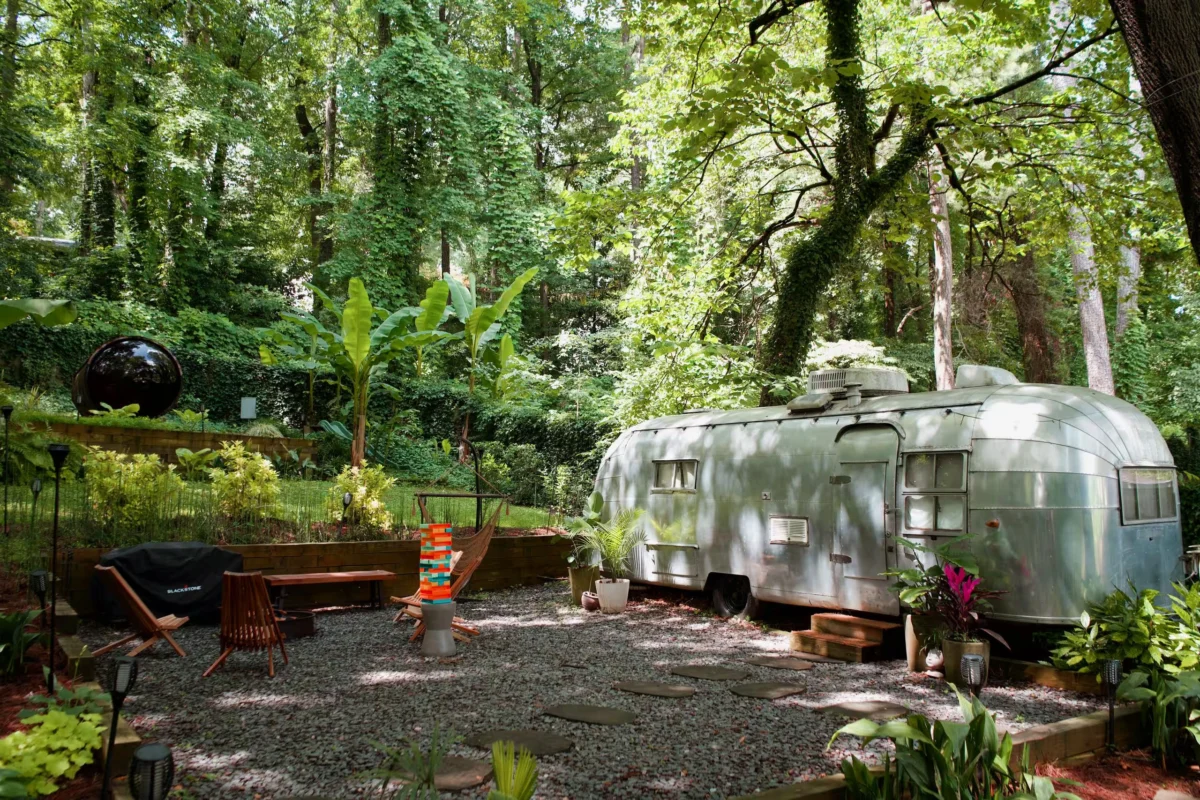
The American travel landscape is currently witnessing a significant shift toward "slow travel" and outdoor-centric experiences, marked by a revitalized interest in mid-century iconography and nostalgic Americana. As the United States approaches its 250th anniversary, travelers are increasingly eschewing traditional hotel corridors and digital-heavy routines in favor of stationary Airstream rentals. These silver-bullet trailers, which first rose to prominence in the 1930s as symbols of nomadic freedom, have been repurposed into high-end, design-forward accommodations that anchor a burgeoning sector of the short-term rental market. This trend reflects a broader cultural desire to reconnect with the natural world while maintaining the comforts of modern luxury, fundamentally altering the economics of regional tourism across the country.
The Historical Trajectory of the Airstream Brand
To understand the current popularity of Airstream rentals, one must look to the company’s origins during the Great Depression. Founded by Wally Byam in 1931, Airstream was born from a desire to create a travel trailer that would "move like a stream of air." The first model, the Airstream Clipper, debuted in 1936, featuring the iconic riveted aluminum body that would become the brand’s signature. This design was heavily influenced by the aerospace industry of the time, utilizing semi-monocoque construction to reduce weight and wind resistance.
During World War II, production was briefly halted due to aluminum shortages, but the post-war era saw an explosion in demand. As the American middle class grew and the Interstate Highway System expanded under the Eisenhower administration, the Airstream became the definitive vessel for the "Great American Road Trip." By the 1960s and 70s, the brand had achieved cult status, representing a specific brand of rugged yet sophisticated independence. Today, the resurgence of these trailers—many of them vintage models from the 1970s—represents a full-circle moment in American travel history, where the vehicle itself has transitioned from a mode of transport to a destination.
The Economics of the Unique Stay Market
The rise of Airstream Airbnbs is not merely a stylistic trend but a response to quantifiable shifts in the hospitality industry. According to market research, the global glamping (glamorous camping) market size was valued at approximately $2.73 billion in 2022 and is projected to expand at a compound annual growth rate (CAGR) of 10.2% through 2030. Within this sector, "unique stays"—a category that includes yurts, treehouses, and vintage trailers—have outperformed traditional lodging in terms of occupancy rates and price-per-night premiums.
Data from short-term rental analytics firms indicates that Airstream listings often command prices comparable to four-star hotels, particularly in high-demand regions such as Joshua Tree, California, and the Hudson Valley in New York. The appeal lies in the "experience economy," where consumers prioritize memorable, photogenic, and story-driven stays over standardized amenities. For property owners, the restoration of a vintage Airstream represents a high-yield investment. While a full professional restoration of a 1970s Sovereign or Land Yacht model can cost between $50,000 and $150,000, the resulting asset often pays for itself within three to five years through consistent bookings and lower overhead compared to permanent structural builds.
Regional Hotspots and the Geography of Nostalgia
The distribution of premium Airstream rentals reveals a clear preference for landscapes that offer a stark contrast to urban environments. Two primary hubs have emerged as leaders in this niche market:
The High Desert: Joshua Tree and the Southwest
In the California desert, Airstreams serve as a bridge between the harsh environment and the luxury traveler. These rentals are typically situated on large acreage, offering panoramic views of the Mojave Desert. The design language in these locations often leans into "Desert Modernism," utilizing the metallic exterior of the trailer to reflect the shifting light of the desert sun. Amenities in this region frequently include outdoor stock-tank pools and stargazing decks, catering to a demographic looking for an "off-grid" feel without sacrificing climate control.
The Wooded Retreat: The Catskills and Hudson Valley
In the Northeastern United States, the Airstream trend manifests as a sophisticated alternative to the traditional cabin. In upstate New York, these rentals are often integrated into larger hospitality "compounds" or private estates. The focus here is on "cozy luxury," with interiors featuring reclaimed wood, high-end wool textiles, and wood-burning stoves. These locations benefit from their proximity to major metropolitan areas like New York City, serving as "micro-vacation" spots for professionals seeking a weekend of digital detoxification.
Design Integration and Modern Amenities
The modern Airstream rental is a far cry from the cramped quarters of the mid-20th century. Professional restorers and interior designers have mastered the art of maximizing small-footprint living, often referred to as "tiny home" optimization. Key features that define the current generation of high-end Airstream rentals include:
- Impeccable Restoration: Many hosts focus on the 1970s-era trailers, which offer more interior volume than earlier models. Restorations often involve stripping the interior to the aluminum "skin" and installing modern insulation, electrical systems, and plumbing.
- Sleek Kitchenettes: Despite the limited space, these rentals often feature high-end appliances, custom cabinetry, and artisanal coffee setups, appealing to the "foodie" traveler.
- Outdoor Living Extensions: Because the interior of an Airstream is inherently limited, the most successful rentals extend the living space outward. This includes the installation of firepits, outdoor soaking tubs, and expansive cedar decks.
- Analog Entertainment: In a nod to the nostalgia that drives the brand, many Airstream Airbnbs eschew televisions in favor of record players, board games, and curated libraries, reinforcing the "slow travel" ethos.
Industry Implications and the 250th Anniversary Context
As the United States prepares for its 250th anniversary (the Semiquincentennial) in 2026, the travel industry is bracing for a surge in domestic tourism centered on American heritage. Industry analysts suggest that the Airstream revival is perfectly positioned to capitalize on this milestone. The trailer is a uniquely American invention, and its presence in the landscape evokes a sense of national identity and historical continuity.
Furthermore, the shift toward stationary Airstream rentals addresses certain environmental and logistical challenges. Unlike mobile RVing, which requires significant fuel consumption and specialized driving skills, stationary rentals allow guests to experience the aesthetic of the road trip without the carbon footprint of hauling a multi-ton trailer across state lines. This "stationary mobility" allows for the preservation of vintage trailers that may no longer be road-worthy but remain structurally sound for habitation.
Challenges and Regulatory Considerations
Despite their popularity, the rise of Airstream rentals faces regulatory hurdles. Many municipalities are still grappling with how to classify these structures. Are they vehicles, mobile homes, or permanent dwellings? In some regions, strict zoning laws have limited the expansion of Airstream "villages" or glamping sites. Issues regarding waste management, water access, and land use permits remain significant barriers for prospective hosts.
Additionally, the market is becoming increasingly competitive. As more Airstream rentals enter the platform, the "Guest Favorite" and "Superhost" statuses—awarded by Airbnb based on ratings and reliability—have become essential markers of quality. Travelers are no longer satisfied with just a silver trailer; they demand a curated experience that includes professional photography, seamless check-in processes, and hyper-local recommendations.
Conclusion: The Future of the Silver Bullet
The enduring appeal of the Airstream suggests that it has moved beyond the realm of a passing fad and into a permanent fixture of the boutique hospitality industry. By combining the mid-century allure of the open road with the precision of modern interior design, these rentals offer a compelling solution for the modern traveler’s desire for authenticity and escape. As the nation moves toward its 250th year, the sight of a silver Airstream nestled in a desert grove or a mountain clearing remains a potent symbol of the American spirit—reimagined for a new generation that values the journey as much as the destination, even when the wheels are firmly parked.