Nila Kartika Wati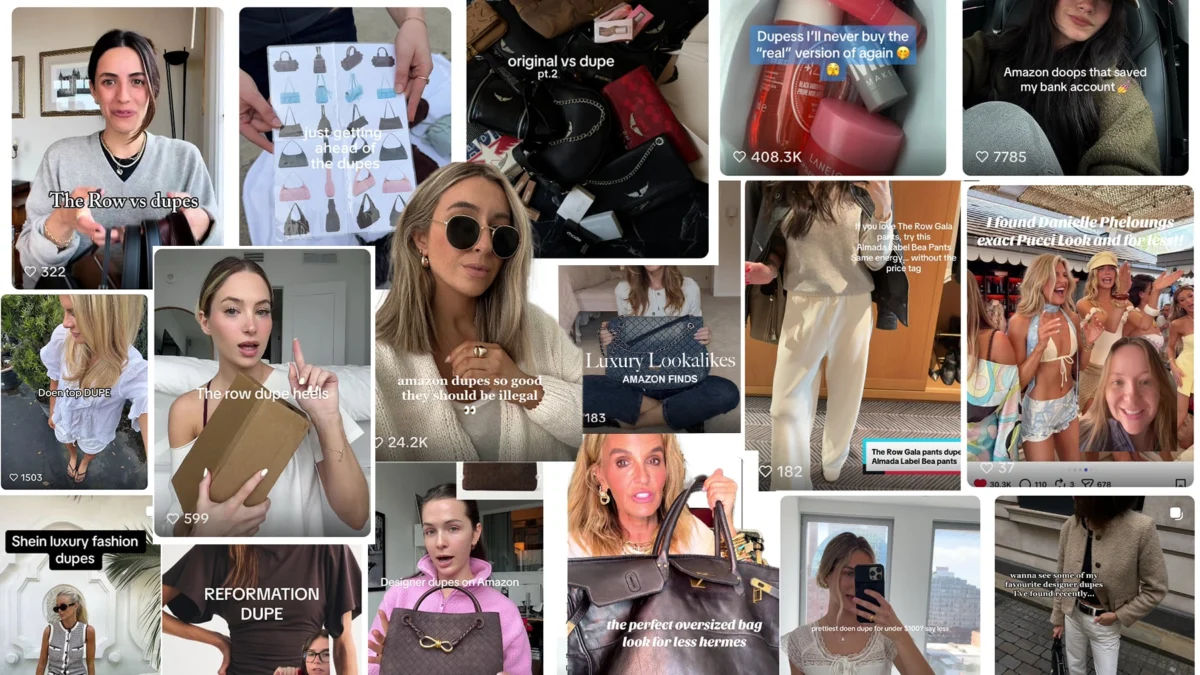
The burgeoning creator economy is witnessing a significant, and often contentious, trend: the proliferation of "dupes." These are products that closely resemble or mimic the design, style, or essence of more expensive, often luxury, items, but are offered at a substantially lower price point. This phenomenon, fueled by social media influencers and readily embraced by consumers, is creating a complex dynamic between content creators, brands, and the audience, fundamentally altering how consumers discover, perceive, and purchase fashion and lifestyle goods. The tension between influencers’ ability to capitalize on the demand for dupes and brands’ apprehension towards them highlights a profound shift in the power structures and revenue streams within the modern digital marketplace.
The Allure of Affordable Alternatives
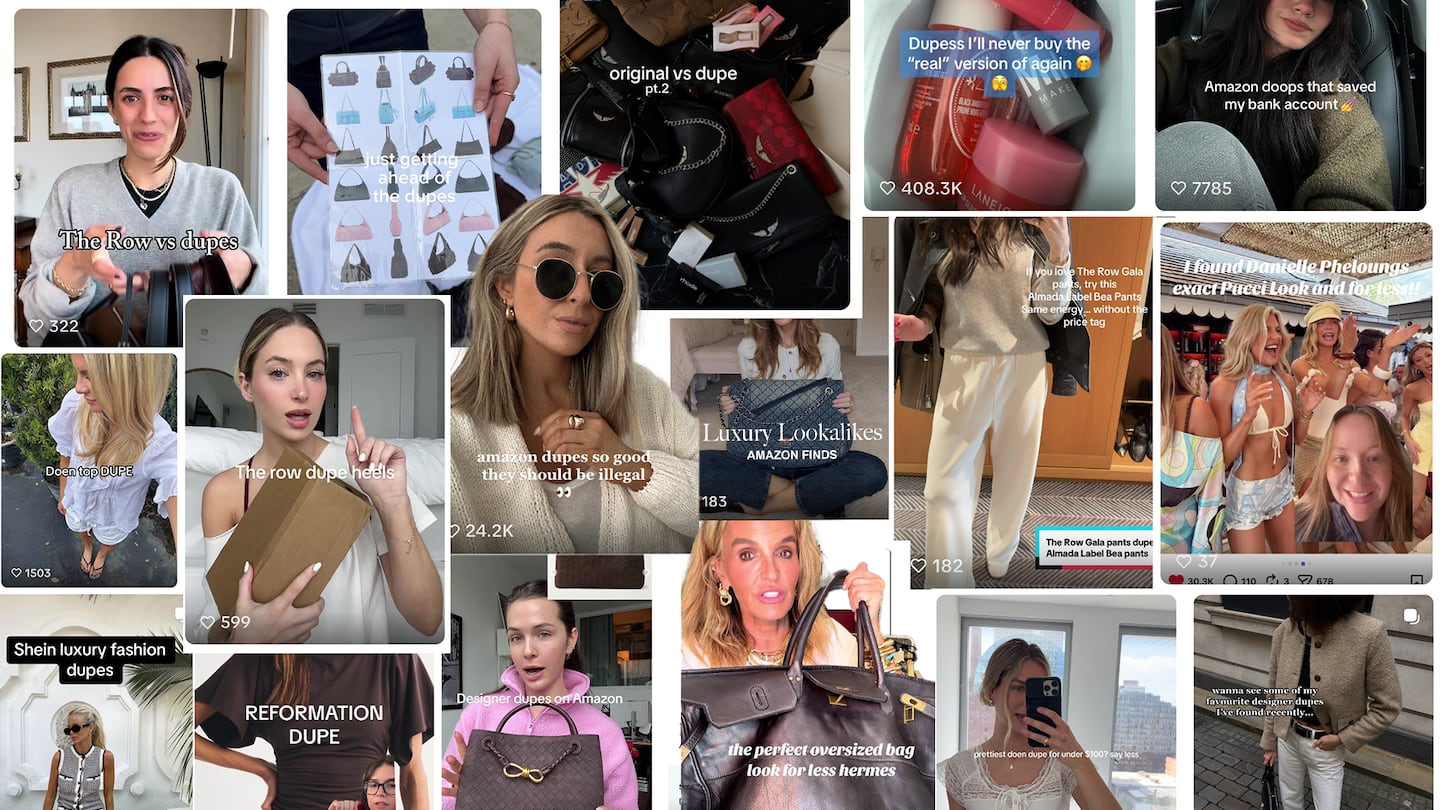
Caroline Baudino, a prominent social media influencer, observes a consistent pattern in her follower engagement: a fervent appetite for "dupes." This demand is not an isolated incident but a widespread consumer behavior amplified by platforms like TikTok, Instagram, and YouTube. These platforms have become fertile ground for influencers to showcase their finds, and the concept of a "dupe" offers an accessible entry point for consumers to engage with trends and aesthetics previously out of reach.
The term "dupe" itself, derived from "duplicate," has evolved from a niche internet slang term to a mainstream descriptor for budget-friendly alternatives. It signifies a product that offers a similar visual appeal, functionality, or overall vibe as a high-end original, but at a fraction of the cost. This can range from affordable fashion items mimicking designer clothing or handbags, to beauty products that replicate the color payoff or texture of luxury cosmetics, and even home decor items that mirror the minimalist or opulent styles of premium brands.
A Shifting Landscape in Influencer Marketing
The rise of dupes is intrinsically linked to the evolution of influencer marketing. Initially, influencer collaborations focused on showcasing aspirational lifestyles and promoting established brands. However, as the creator economy matured, influencers began to understand their audience’s practical concerns and financial limitations. This led to a greater emphasis on relatable content, including budget-friendly alternatives and "dupe" recommendations.
For influencers, the ability to identify and share dupes has become a powerful tool for audience engagement and monetization. By consistently providing valuable content that addresses their followers’ desire for stylish yet affordable options, influencers can cultivate a loyal following. This loyalty translates into increased engagement metrics, such as likes, comments, shares, and saves, which are highly valued by brands seeking to partner with creators. Furthermore, affiliate marketing links associated with dupe recommendations can generate significant passive income for influencers, as a large volume of transactions can be driven by these cost-conscious consumer choices.
Data from various influencer marketing platforms suggests that content focused on "dupes" often garners higher engagement rates compared to content solely showcasing original, high-priced items. For instance, a study by influencer analytics firm, Grin, found that posts featuring "dupe" content on TikTok can see engagement rates upwards of 15-20%, significantly higher than the industry average for fashion-related content. This indicates a direct correlation between the popularity of dupes and the success of influencers who strategically incorporate them into their content strategies.
The Brand Dilemma: Appreciation, Appropriation, or Annihilation?
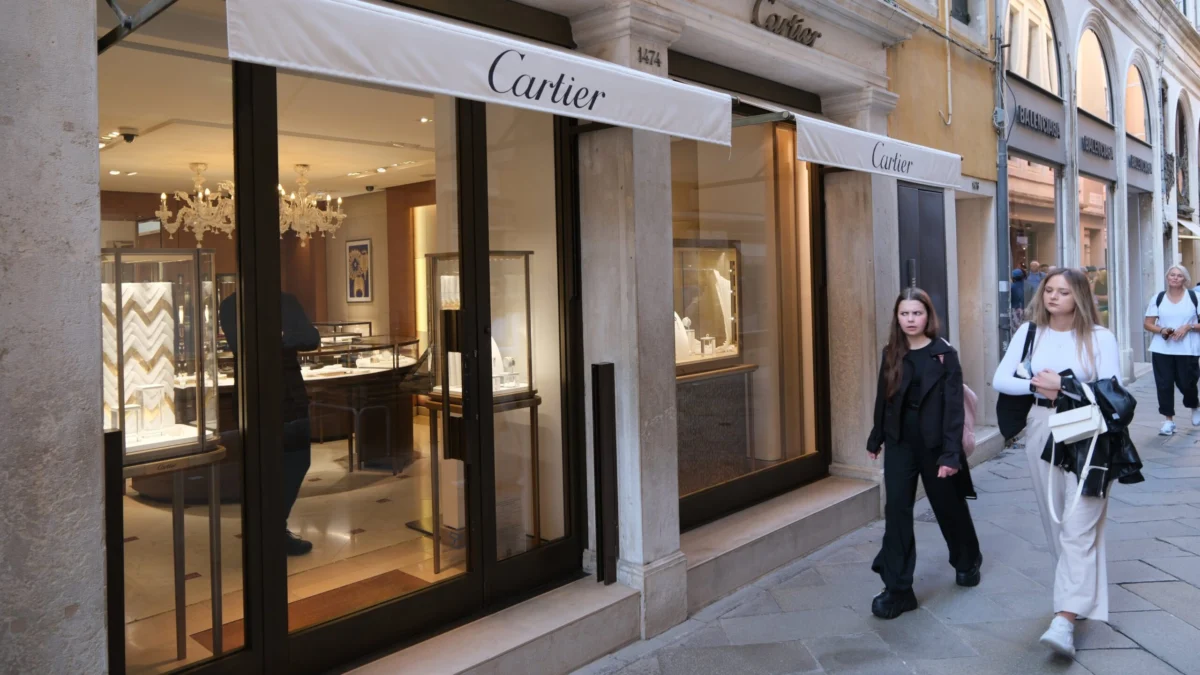
The surge in dupe culture presents a complex challenge for fashion brands, particularly those operating in the luxury and premium segments. On one hand, the widespread discussion and interest in their products, even in the form of imitations, can indirectly contribute to brand visibility and cultural relevance. The "dupe" phenomenon keeps the original product in the consumer consciousness, potentially creating a future desire for the authentic item once financial circumstances improve.
However, the negative implications are substantial. Brands invest heavily in design, craftsmanship, marketing, and brand building. When their intellectual property, design ethos, and brand prestige are replicated and sold at significantly lower prices, it can devalue their offerings and erode their market share. This is particularly concerning for smaller brands or those with limited marketing budgets, who may struggle to compete with the sheer volume and accessibility of dupe products.
From a legal and ethical standpoint, the creation and promotion of dupes often tread a fine line. While not always outright counterfeiting, some dupes can verge on intellectual property infringement, especially if they closely mimic specific patented designs or trademarks. Brands are thus caught in a difficult position: actively pursuing legal action against every instance of dupe promotion can be prohibitively expensive and time-consuming, while inaction can be perceived as tacit acceptance, encouraging further replication.
Historical Context: The Long Shadow of Knock-offs
The concept of replicating popular designs for a mass market is not new. Throughout fashion history, "knock-offs" and "inspired-by" pieces have been a constant presence, particularly in the ready-to-wear market. Following World War II, the rise of mass production and a growing middle class fueled a demand for more accessible fashion. Designers like Yves Saint Laurent famously introduced "Rive Gauche" ready-to-wear lines in the 1960s, aiming to democratize high fashion. However, the speed and scale at which dupes now proliferate, driven by digital platforms and instant global reach, represent an unprecedented acceleration of this historical trend.
The advent of e-commerce platforms and social media algorithms has democratized both the creation and dissemination of fashion content. This has, in turn, empowered consumers with unprecedented access to information and purchasing options. The current "dupe" culture can be seen as a hyper-accelerated manifestation of this democratization, where the desire for trend adherence and aesthetic satisfaction is met through a readily available, digitally amplified ecosystem of affordable alternatives.
The Economic Implications and Future Trajectories
The economic impact of the dupe trend is multifaceted. For manufacturers of dupe products, it represents a significant market opportunity, allowing them to capitalize on established consumer desire without the extensive research and development costs associated with original design. For consumers, it offers increased purchasing power and the ability to participate in fashion trends without significant financial strain.
However, for the original brands, the economic implications can be detrimental. Reduced sales of authentic products, potential dilution of brand equity, and the constant need to defend their intellectual property are significant concerns. This can lead to a strategic recalibration for brands, forcing them to re-evaluate their pricing, exclusivity strategies, and marketing approaches.
Potential Brand Responses and Strategic Adaptations:
- Emphasis on Brand Storytelling and Authenticity: Brands may increasingly focus on highlighting their heritage, craftsmanship, ethical sourcing, and unique brand narrative to differentiate themselves from mass-produced dupes.
- Limited Edition Drops and Exclusivity: Creating a sense of scarcity and urgency through limited edition releases can drive demand for authentic products and create a perception of higher value.
- Legal Vigilance and Intellectual Property Protection: Brands may increase their efforts in monitoring online marketplaces and social media for infringements and actively pursue legal recourse when necessary.
- Strategic Collaborations with Influencers (with caveats): While some brands may be wary of influencers promoting dupes, others might seek to forge partnerships that emphasize authenticity and the value of their original creations, potentially even collaborating on content that educates consumers about the differences and value propositions.
- Development of "Accessible Luxury" Lines: Some brands might consider creating more affordable diffusion lines or capsule collections that offer a taste of their aesthetic at a lower price point, thereby capturing a segment of the market that might otherwise opt for dupes.
- Focus on Customer Experience and Community Building: Investing in exceptional customer service, personalized experiences, and fostering a strong brand community can create a loyalty that transcends price points.
The Evolving Role of the Influencer
The influence of individuals like Caroline Baudino underscores the profound shift in the consumer journey. The traditional path of discovery – through magazines, advertisements, or direct brand engagement – has been significantly disrupted by social media. Influencers act as trusted curators and tastemakers, often perceived as more relatable and authentic than traditional advertising.
The "dupe" phenomenon demonstrates that this influence can be leveraged for both aspirational and pragmatic purposes. While some influencers may still champion high-end luxury, a significant segment now caters to the practical needs and financial realities of their audiences. This is not necessarily a negative development for the creator economy as a whole, but it does necessitate a re-evaluation of how value is created and perceived within this ecosystem.
Conclusion: Navigating the Future of Consumption
The rise of dupes in the creator economy is more than just a fleeting trend; it represents a fundamental shift in consumer behavior, driven by accessibility, affordability, and the pervasive influence of social media. While it presents challenges for established brands, it also opens avenues for new market dynamics and strategic adaptations. The ongoing tension between the desire for accessible style and the value of original design will continue to shape the fashion industry, forcing brands, influencers, and consumers alike to navigate this evolving landscape with increased awareness and strategic foresight. The future of fashion consumption will likely be a complex interplay between aspiration, pragmatism, and the ever-present influence of the digital creator.