
 Reynand Wu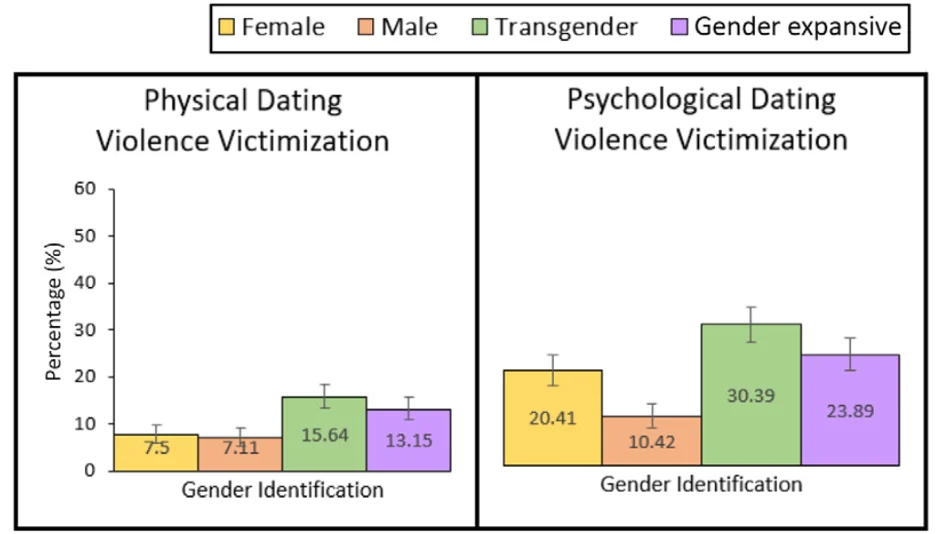
In recent years, sociological research has increasingly turned its attention to the evolving landscape of romantic and sexual relationships, delving into phenomena like hookup culture and other modern forms of dating. However, this critical discussion has too often overlooked the distinct experiences of transgender individuals, frequently narrowing its focus to college campuses and underestimating the pervasive role of dating apps across diverse age groups. A comprehensive understanding of contemporary dating dynamics necessitates a dedicated examination of the unique vulnerabilities, forms of discrimination, and safety concerns that disproportionately affect the trans community.
The Overlooked Reality: Transgender Experiences in Modern Dating
While the digital age has democratized access to potential partners, offering new avenues for connection, it has simultaneously introduced complex challenges for transgender people navigating the often-prejudiced terrain of dating. The relative lack of mainstream attention to these experiences creates a significant gap in both public understanding and policy responses, leaving many trans individuals feeling unseen and unprotected in their search for intimacy and companionship.
The stakes are alarmingly high. A 2021 study highlighted the severity of dating violence faced by trans youth, revealing they are twice as likely as cisgender women to have experienced physical dating violence and fifty percent more likely to have endured psychological dating violence. These figures underscore a systemic vulnerability that extends beyond casual encounters, penetrating into the very fabric of developing relationships. The pervasive nature of such violence is not an isolated phenomenon but rather a symptom of broader societal prejudices and a lack of understanding surrounding gender identity.
Further shedding light on these dynamics, a 2023 study identified common, deeply troubling experiences reported by trans individuals in dating contexts. Among the most prevalent were fetishization and having to contend with ingrained assumptions about trans people. As one participant, a trans woman, articulated, "Because I’m a trans woman, people instantly assume that I must be this massive bottom." Another participant, a trans man, echoed this sentiment, lamenting, "I just felt like they weren’t talking to me. They were talking to an idea they had about me." These testimonies reveal a profound dehumanization, where individuals are reduced to preconceived notions or sexualized stereotypes rather than being seen and engaged with as whole, complex people. Such experiences are not merely uncomfortable; they are deeply invalidating and contribute to a pervasive sense of anxiety and distrust within dating interactions.
Navigating Digital Spaces: Disclosure and Safety on Dating Apps
The advent and ubiquity of dating apps have transformed how many people meet and connect, yet for transgender individuals, these platforms present a double-edged sword. While apps can offer a wider pool of potential partners and a degree of anonymity that might feel safer than in-person encounters, they also introduce new layers of complexity, particularly concerning identity disclosure.
Research has extensively explored the critical decisions trans people make regarding when and how to disclose their trans identity to prospective partners on dating apps. The overwhelming majority of participants in these studies proactively and explicitly disclose their identity, driven primarily by profound concerns about violence and personal safety. The fear is palpable and deeply rooted in real-world dangers. One participant, who was genderfluid and resided in a rural area, articulated this ever-present dread, stating that when meeting someone face-to-face from a dating app, they always thought, "that person could be the person that kills me." This chilling reality shapes every interaction and decision, transforming what should be an exciting prospect into a potential life-or-death calculation.
However, not all disclosures are explicit. Some trans individuals employ "softer disclosure" methods, carefully curating their profiles to showcase different facets of their identity on apps that allow for multiple profile pictures or detailed biographies. This approach attempts to subtly convey their identity, hoping to filter out those who might react negatively while still offering a pathway for genuine connection. While this strategy offers a degree of protection, it also places the burden of education and interpretation on the prospective partner, and it does not fully mitigate the risk of encountering prejudice or hostility.
Intersectionality of Vulnerability: Who Faces the Gravest Risks?
Within the trans community, vulnerability to dating violence and discrimination is not uniform. Intersecting identities significantly amplify risk, highlighting how systemic inequalities compound the challenges faced by certain groups. Another 2021 study revealed that BIPOC (Black, Indigenous, and People of Color), queer, and transfeminine individuals are the most likely to have experienced dating violence. This finding underscores the critical importance of an intersectional lens, recognizing that racism, homophobia, and transmisogyny intertwine to create particularly hostile environments.
A 2022 study specifically investigated the dating experiences of BIPOC trans women, uncovering a disturbing pattern: their cisgender male partners frequently concealed their relationships from public view. This secrecy, born of societal stigma and the partners’ fear of being "found out," carried severe consequences for the trans women involved, including physical violence and profound psychological trauma. One woman bravely articulated the existential threat: "We getting killed just because of the guys here were scared that they secret would come out." The study further identified "survival strategies" employed by these women, such as hypervigilance, dressing in ways designed to avoid being "found out," and actively avoiding certain men or situations. These coping mechanisms, while necessary for survival, exact a heavy toll on mental health and restrict personal freedom, turning the pursuit of love into a constant negotiation of danger.
The Broader Context: A Timeline of Visibility, Backlash, and Emerging Research
The current challenges faced by trans individuals in dating cannot be fully understood without acknowledging the broader societal shifts regarding gender identity.
- Pre-2000s: Transgender identities largely remained in the shadows, understood primarily within medical or niche communities. Public discourse was minimal, often misinformed, and frequently pathologizing. Dating for trans individuals was often clandestine and fraught with extreme danger.
- Early 2000s – 2010s: Emerging Visibility and Digital Dating: The rise of the internet and early social media platforms began to create spaces for trans individuals to connect and share experiences. Concurrently, the first wave of dating apps emerged (Match.com, OkCupid), though they were predominantly designed for cisgender, heterosexual users, offering limited or no options for gender identity beyond binary male/female. Trans individuals often had to misgender themselves or rely on profile text for disclosure, increasing risks.
- Mid-2010s – Present: Increased Trans Visibility and Backlash: This period has seen an unprecedented surge in transgender visibility in media, politics, and popular culture. Public figures, television shows, and advocacy efforts have brought trans lives into the mainstream. Simultaneously, dating apps like Tinder, Hinge, and Bumble began to introduce more inclusive gender identity options, recognizing the diverse user base. However, this increased visibility has been met with a significant and often violent backlash, manifested in a surge of anti-trans legislation globally and heightened hate speech. This paradox of visibility—greater representation coupled with increased hostility—directly impacts the safety and experiences of trans people in dating.
- 2020s: A Surge in Focused Research: The studies cited in the original article (2021, 2022, 2023) represent a critical turning point, indicating a growing academic interest in systematically documenting and understanding trans dating experiences. This research is vital for moving beyond anecdotal evidence and informing evidence-based solutions.
The current political climate, marked by a record number of anti-trans legislative efforts across the country, further exacerbates the anxieties of trans individuals. These legislative attacks, often targeting healthcare, sports, and public accommodations, send a chilling message that trans lives are not valued, contributing to an environment where violence and discrimination can proliferate, including within dating contexts.
Pathways to a Safer Future: Proposed Remedies and Stakeholder Responsibilities
Addressing the multifaceted challenges faced by trans individuals in dating requires a concerted effort from multiple stakeholders, as suggested by the authors of these critical studies.
1. Comprehensive Trans-Inclusive Education:
The foundational remedy proposed is widespread and comprehensive trans-inclusive education. This includes integrating trans-affirming content into school curricula, sex education programs, and violence prevention training. Such education aims to foster understanding, empathy, and respect for gender diversity among all individuals, trans and cisgender alike. When cisgender people are educated about trans identities, experiences, and the realities of transphobia, it can lead to more respectful interactions, reduce harmful assumptions, and ultimately make trans people and their partners feel more comfortable and safer. Advocacy groups like GLAAD and the National Center for Transgender Equality (NCTE) consistently champion these educational initiatives, recognizing their long-term impact on societal attitudes and individual behaviors.
2. Improved Dating App Functionality and Moderation:
Dating apps, as central platforms for modern connection, bear a significant responsibility to create safer and more inclusive environments. Users have voiced a clear demand for better filtering options. As one person articulated in the 2023 study, "The majority of the interactions I have with cis men on dating apps are just shit, full stop . . . can I have less of them pop up?" This highlights a critical flaw in current app design: while many apps now offer a wider range of gender identities, their matching algorithms and filtering capabilities often fail to protect trans users from unwanted, discriminatory, or even threatening interactions.
App developers must move beyond superficial inclusivity. This means:
- Robust Filtering: Allowing users to filter by specific gender identities and expressions, and to actively block or reduce visibility from users who have demonstrated discriminatory behavior.
- Stronger Moderation: Implementing more effective systems for reporting and responding to transphobic hate speech, harassment, and fetishization. This includes proactive monitoring and clear consequences for users who violate community guidelines.
- User Education: Integrating educational prompts within apps to promote respectful language and discourage harmful stereotypes.
- Partnerships: Collaborating with trans advocacy organizations to develop truly inclusive features and safety protocols.
Companies like Match Group (owners of Tinder, Hinge, OkCupid) and Bumble have made strides, but significant work remains to ensure their platforms genuinely serve and protect trans users, rather than inadvertently exposing them to harm.
3. Legal and Judicial Reforms: Banning "Trans Panic Defenses":
A crucial legal reform recommended by some study authors is the prohibition of "trans panic defenses." This abhorrent legal strategy allows perpetrators of violent crimes, including murder, to argue that their violent actions were justified or mitigated because they "panicked" or lost control upon discovering their victim was transgender. This defense essentially blames the victim for their own assault or death, perpetuating the dangerous notion that a trans person’s identity is inherently provocative or deceitful.
The movement to ban "trans panic defenses" has gained significant traction, with a growing number of U.S. states and jurisdictions (including California, Illinois, New York, and the District of Columbia) having already outlawed it. This legal change is not merely symbolic; it sends a powerful message that trans lives are valuable and that violence against trans people will not be excused. National advocacy groups, alongside local LGBTQ+ organizations, continue to push for a nationwide ban, recognizing it as a fundamental step towards equal justice and protection for transgender individuals.
Broader Implications and the Path Forward
The challenges faced by trans individuals in dating extend far beyond individual interactions; they reflect systemic issues of prejudice, discrimination, and violence within society. The constant need for hypervigilance, the anxiety surrounding disclosure, and the trauma of fetishization and violence take a severe toll on mental health, contributing to higher rates of anxiety, depression, and PTSD within the trans community. It impedes the fundamental human need for connection, intimacy, and the formation of healthy, affirming relationships.
As trans people continue to achieve new levels of visibility, paradoxically coming under fire in unprecedented ways through legislative attacks and public discourse, social science research provides an indispensable compass. It illuminates the urgent need to actively seek and implement solutions that foster a safer and less anxious future for trans individuals as they navigate the complex, often perilous, journey of seeking romantic and sexual partners. This endeavor is not merely about dating; it is about human dignity, safety, and the fundamental right to live authentically and without fear in all aspects of life. The pursuit of connection should be a source of joy and fulfillment, not a constant battle for survival.








