Ferry Irwandi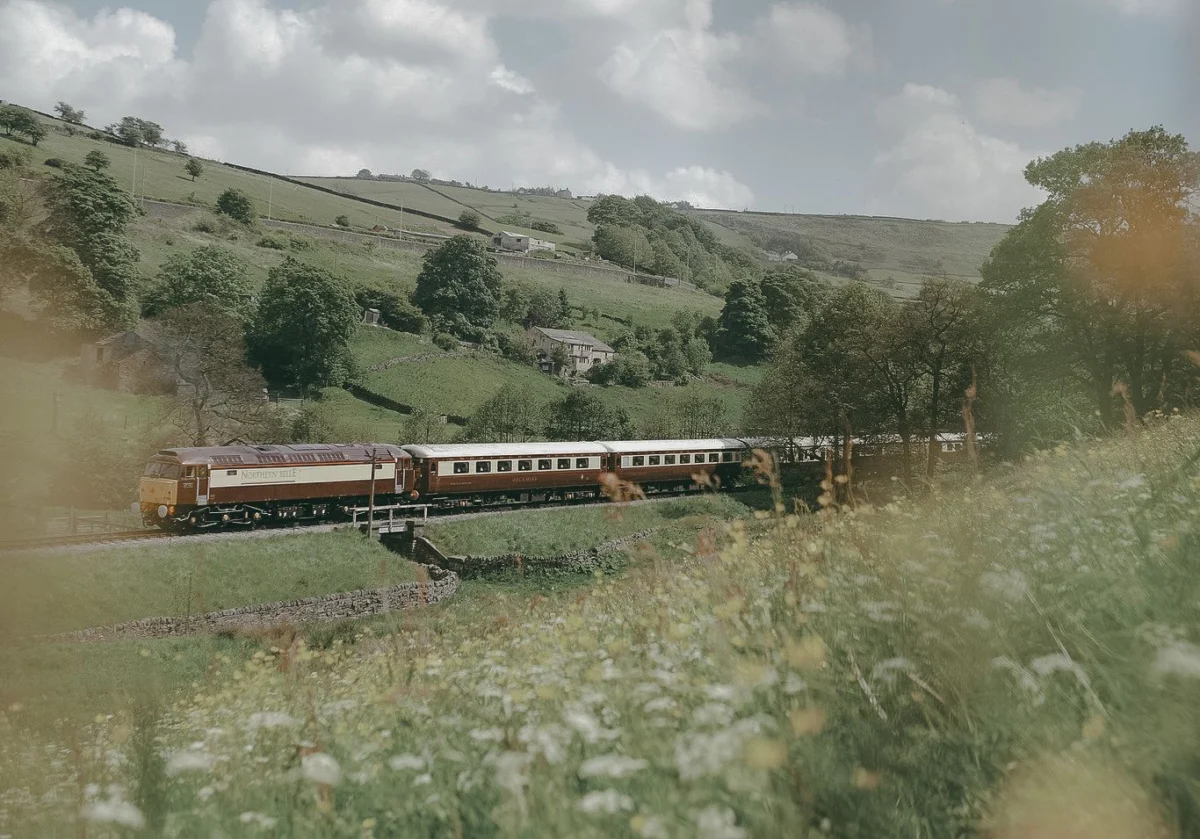
The global landscape of luxury rail travel has long been dominated by a select few names that evoke immediate imagery of mahogany-clad cabins, white-glove service, and the rhythmic clatter of tracks through some of the world’s most demanding terrain. For decades, the Orient Express has served as the gold standard for European elegance, while the Darjeeling Himalayan Railway and the Trans-Siberian Railway have stood as monuments to engineering ambition and romanticism. However, a contemporary resurgence in heritage rail travel has brought a domestic British equivalent to the forefront of the luxury tourism sector. The Northern Belle, a meticulously restored locomotive and carriage set, has emerged as a premier vessel for exploring the United Kingdom, specifically designed to replicate the opulence and atmosphere of the 1930s "Belle" trains.
Operating across a network that spans Wales, Northern England, and Scotland, the Northern Belle represents a significant investment in the preservation of British industrial heritage and the "slow travel" movement. Unlike standard commuter rail services that prioritize speed and efficiency, this luxury service focuses on the experiential quality of the journey itself. Departing from various regional hubs including Darlington, Liverpool, and Manchester, the train serves as a mobile five-star venue, transporting passengers to historic destinations such as Carlisle, Edinburgh, and the Roman city of Bath.
Historical Context and the Restoration of the Belle Carriages
To understand the significance of the Northern Belle, one must look back to the 1930s, an era often cited as the "Golden Age" of British rail. During this period, the Pullman Company and various regional rail operators competed to provide the most luxurious accommodations for wealthy travelers. These trains were characterized by their art deco interiors, intricate marquetry, and high-quality upholstery.
The Northern Belle consists of seven distinct carriages, each functioning as a museum-grade restoration of that era’s design philosophy. In a nod to British heritage, each carriage is named after a prominent stately home or castle: Alnwick, Belvoir, Chatsworth, Glamis, Harlech, Warwick, and Duart. The restoration process for these carriages involved skilled craftsmen specializing in traditional techniques. The interiors feature hand-crafted marquetry, brass fittings polished to a mirror finish, and plush fabrics that mirror the original patterns used in the early 20th century. This attention to detail ensures that the train is not merely a replica but a continuation of a specific lineage of luxury travel.
The engineering aspect of the Northern Belle is equally noteworthy. While the carriages provide a vintage aesthetic, they are maintained to meet modern safety standards and are often hauled by a mix of vintage diesel and, on special occasions, steam locomotives. The upcoming steam-hauled journeys to Carlisle are particularly significant for rail enthusiasts, as they utilize the historic Settle-Carlisle line, a route famed for its 14 tunnels and 22 viaducts, including the iconic Ribblehead Viaduct.
Strategic Routes and the Geography of Luxury
The operational model of the Northern Belle is decentralized, allowing it to serve a broad demographic across the United Kingdom. By departing from major regional stations rather than being tethered to a single London terminus, the service democratizes access to luxury rail for residents of the North and the Midlands.
The itineraries are strategically designed to align with the UK’s most significant cultural and historical landmarks. For instance, the journey to Leith allows passengers to visit the Royal Yacht Britannia, the former floating residence of Queen Elizabeth II. Other routes focus on the Derbyshire Dales, with Chatsworth House serving as a primary destination. The choice of Bath as a terminus leverages the city’s status as a UNESCO World Heritage site, known for its Roman-built baths and Georgian architecture.
In the northern reaches of the network, the train traverses the Scottish Highlands and the rugged landscapes of Wales. These routes are curated not just for the destination but for the scenic value of the transit. The large picture windows of the 1930s-style carriages are designed specifically for landscape viewing, a feature that has made the Northern Belle a frequent subject of television documentaries, including the Channel 5 series "World’s Most Scenic Railway Journeys," narrated by actor Bill Nighy.
The Culinary Experience and Service Standards
A core component of the Northern Belle’s value proposition is its on-board catering, which seeks to elevate rail dining to the level of Michelin-starred establishments. The train’s kitchen staff prepares seasonal dishes that emphasize regional British produce, reflecting the landscape through which the train is passing.
The dining experience is categorized into several distinct offerings. The "Grand Duchess" and "Spirit of Travel" menus typically include multi-course lunches or dinners served with fine wines and Champagne. One of the most popular services is the traditional Afternoon Tea, a British cultural staple that includes finger sandwiches, scones with clotted cream, and a selection of pastries, all served on bespoke chinaware.
The service is characterized by a high staff-to-passenger ratio, ensuring that the "white-glove" standard of the 1930s is maintained. Live entertainment, often in the form of strolling musicians or table-side magicians, is integrated into the journey to enhance the festive atmosphere without detracting from the historical ambiance of the carriages.
Market Positioning and Economic Impact
The pricing structure for the Northern Belle reflects its position in the luxury market. Tickets generally range from $490 to $800 per person, depending on the length of the journey and the level of dining included. While this places the service in a premium bracket, it targets a growing demographic of "experience seekers" who prioritize unique, high-quality domestic travel over international flights.
The economic impact of the Northern Belle extends beyond its ticket sales. By bringing hundreds of affluent tourists to towns like Carlisle, York, and Edinburgh, the service provides a boost to local economies. This is particularly evident during the seasonal "Christmas Market" runs. These journeys take passengers to cities like York or Edinburgh for holiday shopping, combining the luxury of the train journey with the seasonal retail appeal of these historic centers.
Industry analysts suggest that the success of heritage rail services like the Northern Belle is a response to the homogenization of modern travel. As standard rail services become more utilitarian and air travel becomes increasingly fraught with logistical challenges, there is a clear market opening for "aspirational travel." The Northern Belle capitalizes on nostalgia, but it supports that nostalgia with modern reliability and high-end hospitality.
Cultural Relevance and Media Influence
The Northern Belle has benefited significantly from the "rail-revival" currently trending across social media and traditional broadcast media. The endorsement of Francis Bourgeois, a social media personality known for his passionate and technical appreciation of British trains, has introduced the Northern Belle to a younger, digitally native audience. This cross-generational appeal is crucial for the long-term sustainability of heritage rail.
Furthermore, the train’s appearance in documentaries has solidified its reputation as a national treasure. The narration by Bill Nighy in "World’s Most Scenic Railway Journeys" framed the Northern Belle not just as a transport vehicle, but as a "time machine" that allows passengers to experience a vanished way of life. This narrative of "timelessness" is a powerful marketing tool in an era of rapid technological change.
The prestige of the service is further validated by its inclusion in the Condé Nast Traveler Readers’ Choice Awards. Being recognized by a global authority in luxury travel places the Northern Belle in the same conversation as legendary international routes, suggesting that the British domestic rail experience can compete on a global stage.
Implications for the Future of Slow Travel
The Northern Belle serves as a case study for the viability of the "slow travel" movement. As environmental concerns lead some travelers to reconsider short-haul aviation, the luxury rail sector offers a lower-carbon alternative that does not sacrifice comfort. While the locomotives themselves are often vintage, the efficiency of rail travel per passenger mile, combined with the preservation of existing rolling stock, aligns with broader sustainability goals in the tourism industry.
Moreover, the Northern Belle highlights the importance of industrial preservation. Without the commercial success of such ventures, the skills required to maintain 1930s carriages—such as specialized carpentry, upholstery, and mechanical engineering—might face extinction. By operating a profitable business model, the Northern Belle ensures that these heritage skills remain active in the UK labor market.
In conclusion, the Northern Belle is more than a novelty for train enthusiasts; it is a sophisticated hospitality operation that bridges the gap between Britain’s industrial past and its tourism-driven future. By combining the aesthetic of the 1930s with modern culinary standards and strategic regional routing, it provides a unique lens through which to view the British Isles. As the service continues to expand its seasonal offerings and steam-hauled excursions, it remains a pivotal player in the global luxury rail market, proving that the romance of the rails is not merely a memory, but a thriving contemporary experience. For those looking to explore the majesty of Wales, Northern England, and Scotland, the Northern Belle offers a journey that is as significant as the destination itself.