
 Reynand Wu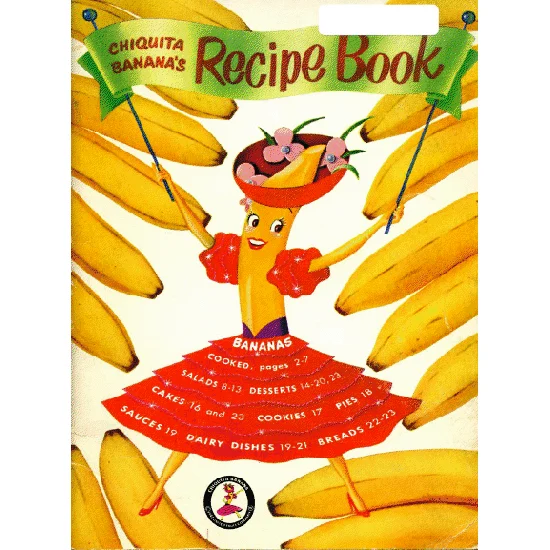
Over the course of the past year, M&M’s, the iconic candy brand, has found itself at the epicenter of a significant cultural debate, garnering widespread attention across news outlets, social media platforms, and even prime-time Super Bowl commercials. This unexpected foray into the realm of social commentary began with a series of deliberate marketing adjustments by Mars Wrigley, the confectionery giant behind the brand, aimed at fostering a more inclusive public image for its beloved animated spokescandies. These changes, however, rather than being universally embraced, ignited a fervent backlash, exposing deep-seated tensions around gender representation, corporate responsibility, and the ever-present "culture wars."
The Catalyst for Change: Mars Wrigley’s Inclusivity Drive
The genesis of the controversy traces back to January 2022, when Mars Wrigley announced a significant rebranding of its M&M’s characters. The stated objective was to update the mascots to be more reflective of contemporary values, emphasizing inclusivity and relatability. Among the most notable alterations were the adjustments to the female M&M’s characters. The brown M&M, previously characterized by high-heeled boots, saw her footwear redesigned to a more modest block heel. More prominently, the green M&M, long depicted with go-go boots and a overtly flirtatious demeanor, had her iconic boots replaced with casual sneakers. Mars Wrigley, in official statements, articulated these changes as an effort to promote a "more dynamic, progressive world" and to ensure that "everyone feels they belong." The company aimed to create characters that resonated with a broader audience, moving away from potentially outdated or stereotypical gender portrayals. This initiative aligned with a broader trend among major corporations to review and revise their brand imagery to reflect evolving societal norms regarding diversity, equity, and inclusion. Many brands have, in recent years, undertaken similar efforts to modernize their mascots or marketing campaigns in response to consumer feedback and a desire to project a more socially conscious image.
A Firestorm of Backlash: Media and Public Reaction
The seemingly innocuous changes to candy mascots, however, triggered an unexpectedly intense and vocal backlash. The alterations quickly became a focal point for conservative media, particularly through the prominent voice of Fox News host Tucker Carlson. Carlson became a leading figure in the critique, lambasting the redesign as an example of "wokeness" gone too far. He famously declared, "M&M’s will not be satisfied until every last cartoon character is deeply unappealing and totally androgynous." This sentiment resonated with a segment of the public that perceived the changes as an imposition of progressive ideology onto everyday cultural touchstones, viewing it as an erosion of traditional values.
The criticism was not confined to conservative circles. A different, though equally impassioned, critique emerged from some corners of liberal media and cultural commentary. For instance, a Rolling Stone article, provocatively titled "Let the Green M&M Be a Nasty Little Slut," argued against the desexualization of the green M&M. Senior writer EJ Dickson contended, "The green M&M has spent decades building her brand as a horny, sexy bitch, and for what? For her creators to give her Larry David footwear in the name of feminism?" This perspective, while differing ideologically from Carlson’s, also expressed a dissatisfaction with the perceived watering down of a character’s established persona, albeit from a stance that questioned the effectiveness or authenticity of Mars Wrigley’s "feminist" marketing efforts. The sheer volume of discussion across social media platforms amplified these divergent viewpoints, with hashtags related to the M&M’s controversy trending for weeks, drawing millions of impressions and comments from users debating the merits of the redesign. Public sentiment was sharply divided, reflecting the broader polarization of cultural issues in contemporary society.
Expanding the Roster: The Introduction of Purple
Amidst the ongoing debate, Mars Wrigley continued its push for inclusivity, introducing a new M&M’s character in September 2022: the purple M&M. This character was explicitly designed to represent self-acceptance and authenticity, embodying a message of embracing one’s true self. The purple M&M’s debut was met with significant fanfare from the brand, positioned as a symbol of their commitment to diversity. However, this addition only served to reignite and intensify the "culture war" surrounding the brand. Tucker Carlson, seizing on the new character, escalated his criticism on FOX News. He remarked, "The green M&M got her boots back, but apparently is now a lesbian maybe? And now there’s a plus-sized, obese purple M&M." These comments, while widely dismissed as nonsensical and inflammatory by many, underscored the deeply personal and often irrational reactions that cultural shifts, even in the realm of advertising, can provoke. Carlson’s remarks not only perpetuated harmful stereotypes but also highlighted a discomfort with any deviation from traditionally narrow representations of femininity and body types in popular culture, irrespective of the commercial context.
Temporary Retreat: The Spokescandy Suspension and Maya Rudolph’s Role
The sustained and escalating backlash ultimately led Mars Wrigley to a dramatic, albeit temporary, strategic pivot. In January 2023, following months of intense media scrutiny and accusations of politicizing their brand, Mars announced the temporary suspension of its beloved spokescandies. The company issued a statement acknowledging that the controversy had overshadowed their intended message, stating, "We weren’t sure if anyone would even notice. And we definitely didn’t think it would break the internet. But now we get it — even a candy’s shoes can be polarizing." To de-escalate the situation, Mars Wrigley announced that it would be replacing the animated characters with a human spokesperson, comedian Maya Rudolph. Rudolph was presented as a figure who could bring a sense of humor and universal appeal to the brand, aiming to transcend the divisive cultural arguments. This decision was largely interpreted as an attempt to step back from the cultural fray and regain broader consumer appeal, demonstrating the significant commercial pressure brands face when navigating sensitive social issues. While the company maintained its commitment to inclusivity, the move signaled a recognition that their initial approach had inadvertently made their mascots a lightning rod for broader societal grievances.
Historical Context: Sexualization in Food Marketing
The M&M’s controversy, while seemingly contemporary, is not an isolated incident in the history of commercial marketing, particularly concerning food products. The sexualization of inanimate objects and anthropomorphic characters, especially female ones, has a long and pervasive history in advertising. Decades before the M&M’s debate, the Chiquita Banana, introduced in the 1940s as the world’s first branded fruit, exemplified this trend. The original Miss Chiquita Banana was not only racialized but also overtly sexualized to appeal to the American market. Her persona was characterized by flirtatious winking, eye-rolling, frilly dresses, and lipstick, all designed to imbue a tropical fruit with an alluring, feminine charm. This strategy aimed to make the product more memorable and desirable through association with idealized, often hypersexualized, femininity.
M&M’s itself has a history of employing similar marketing tactics. The female spokescandies, particularly the green M&M, have frequently been portrayed in ways that emphasize their sexual appeal. Their hypersexualization has been evident not only in their suggestive attire but also in the erotic nature of some past commercials. The green M&M, for instance, has been depicted in scenarios ranging from pole dancing and stripping to suggestively fondling chocolate. Crucially, these commercials often featured the male M&M’s characters ogling her in the background, a common trope that reinforces the pervasive "male gaze." This sociological concept describes the way women are often depicted in media from a masculine, heterosexual perspective, presenting women as passive "objects" of men’s sexual desires rather than as active subjects. This constant reinforcement in media, even in seemingly innocuous candy commercials, contributes to broader societal patterns of objectification.
Sociological Lens: The Male Gaze and Emphasized Femininity
To fully understand the intensity of the M&M’s backlash, it’s crucial to examine it through a sociological lens, particularly through the concepts of "emphasized femininity" and the "male gaze." Emphasized femininity refers to a set of traditional feminine norms that encourage women to accommodate men’s sexual appetites and desire for control. These norms often involve women adopting submissive, nurturing, or aesthetically pleasing roles, thereby legitimizing existing gender hierarchies and upholding various forms of patriarchal oppression. When women, or in this case, female characters, deviate from these "stereotypical cultural notions" of emphasized femininity, it can create discomfort and even anger among those who subscribe to the ideals of hegemonic masculinity.
The outrage directed at the M&M’s redesign, particularly from figures like Tucker Carlson, can be interpreted as a reaction to this perceived challenge to emphasized femininity. When the female M&M’s became "less conventionally attractive" or "sexy" by shedding their high heels and opting for sneakers, it was seen by some as a direct affront. For those who internalize and benefit from the gender hierarchy, the removal of these sexualized attributes meant that their "sexual desires were not being satisfied," even by inanimate candy mascots. This seemingly trivial reaction reveals a deeper societal dynamic: women often face the prospect of being labeled "socially undesirable" or criticized when they exhibit characteristics that defy traditional feminine expectations or possess traits considered "masculine."
Carlson’s remark, "When you’re totally turned off, we’ve achieved equity," encapsulates this sentiment. In a patriarchal society, a woman who exhibits defiance, authority, or independence is often stigmatized or "feminized" in a negative way, unless her behavior can be reinterpreted to serve male interests. When a woman steps outside the bounds of being a "good girl" who caters to the male gaze, she risks being labeled a "bitch," "lesbian," or "slut." The M&M’s controversy starkly illustrates that for some, the value and desirability of women, even fictional characters, remain intrinsically linked to their subservience to male expectations and the male gaze.
The "Culture War" Conundrum: Broader Societal Implications
The M&M’s incident serves as a microcosm of the broader "culture wars" currently engulfing Western societies. Brands, once seen as neutral entities providing goods and services, have increasingly become battlegrounds for ideological clashes. As corporations strive to appeal to diverse consumer bases and demonstrate social responsibility, their attempts at inclusive marketing often intersect with deeply entrenched cultural and political divides. The M&M’s controversy highlights how even minor aesthetic changes can be interpreted as political statements, leading to accusations of "wokeness" from one side and insufficient progress from another.
This phenomenon presents a significant challenge for brand management. Companies must navigate a complex landscape where a misstep can alienate large segments of their consumer base, leading to boycotts, negative publicity, and significant financial repercussions. The M&M’s case demonstrates that the desire for authenticity and inclusion in marketing can inadvertently become a lightning rod, forcing brands to choose between alienating traditionalists or being perceived as inauthentic by progressives. It also underscores the power of influential media personalities to shape public discourse and mobilize sentiment, turning seemingly trivial consumer updates into national debates with significant social and political undertones.
Impact on Youth and Brand Perception
Beyond the immediate political and cultural skirmishes, the hypersexualization of women in media, exemplified by historical M&M’s marketing, has profound and detrimental effects on young people. Adolescents, constantly exposed to a sexualized media environment, are at risk of internalizing the idea that women are primarily sex objects. When women and young girls consistently see their bodies objectified, whether in advertisements, entertainment, or even candy mascots, they begin to internalize the notion that their physical appearance and sexual appeal are their most valuable attributes. This can lead to body dissatisfaction, increased self-objectification, and a heightened sense of vulnerability. They may develop the belief that their worth is contingent on meeting often unrealistic societal standards of beauty and desirability, leading to feelings of inadequacy if they fail to conform.
The outrage over a candy mascot’s shoe change, while superficially ludicrous, sends a potent and harmful message to children and adolescents. It reinforces the idea that even fictional female characters are primarily valued for their sexual appeal to men, and that any deviation from this expectation is met with public scorn and ridicule. This teaches young girls that their agency and self-expression are secondary to male desire, and young boys that female bodies exist for their consumption and judgment. The "culture war" waged against M&M’s, therefore, transcends mere absurdity; it has real-world implications for how young people perceive gender, body image, and self-worth.
The vicious cycle of sexualizing women, mascots or not, for profit must be critically examined and ultimately brought to an end. Prominent figures in media and public life bear a significant responsibility to recognize that the oppression and objectification of others, even through seemingly minor cultural debates, are not mere punchlines. The M&M’s controversy, in its bizarre and intense nature, serves as a stark reminder of the enduring power of media representation and the urgent need for more thoughtful, genuinely inclusive, and responsible brand messaging in a world grappling with complex social dynamics.
Looking Ahead: The Future of Brand Messaging
The M&M’s saga offers valuable lessons for brands navigating the increasingly complex intersection of commerce and culture. While the temporary suspension of the spokescandies and the introduction of Maya Rudolph provided a momentary reprieve, the underlying tensions persist. The incident underscores the delicate balance brands must strike between appealing to a broad consumer base and demonstrating a commitment to evolving societal values. Future brand messaging will likely require a more nuanced approach, focusing on universal themes that transcend divisive cultural debates while still authentically representing diversity and inclusion. The M&M’s controversy will undoubtedly be studied as a pivotal case in marketing and sociology, illustrating the unforeseen power of even the smallest symbolic changes in a hyper-connected, deeply polarized world.







