Reynand Wu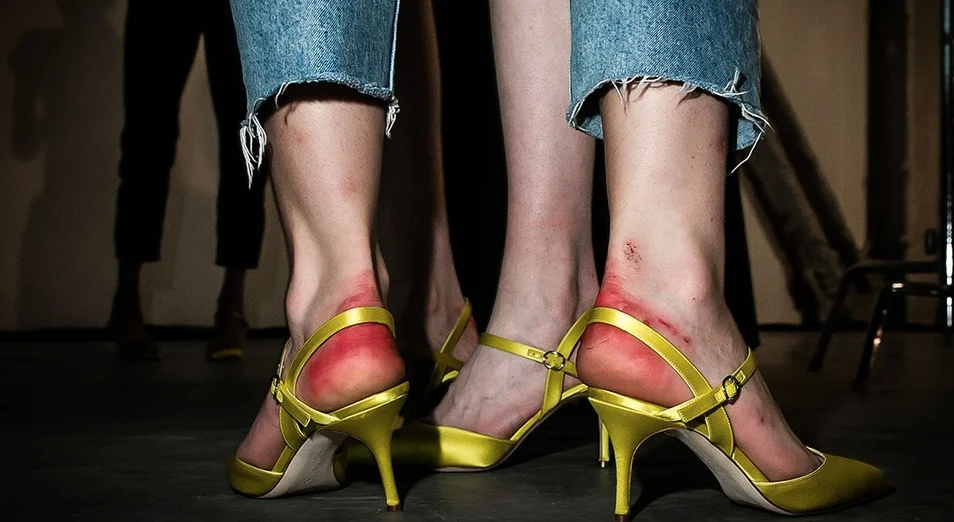
The fashion world is once again confronting a stark image of its demanding realities, following a photograph by Dina Litovsky that rapidly circulated across social media platforms. The striking image, depicting a model’s visibly inflamed feet squeezed into slingback heels, garnered significant attention, amassing over 500,000 likes and countless comments across platforms like Instagram. Reposts by prominent accounts, including National Geographic and numerous influencers, amplified the photo’s reach, sparking a widespread critique of an industry often perceived as prioritizing aesthetic ideals over the well-being of its human canvases. The comments section of these viral posts was dominated by users expressing concern and condemning the perceived exploitation, highlighting a growing public intolerance for the normalization of pain in the pursuit of beauty.
This recent incident is not an isolated occurrence but rather a recurring symptom of deeper systemic issues within high fashion. A decade prior, during Louis Vuitton’s 2012 show in Paris, similar images surfaced, revealing the battered, bruised, and swollen feet of runway models. These photographs, widely shared at the time by media outlets like the Daily Mail, also triggered public outcry, highlighting the physical toll exacted by the relentless pace and extreme demands of Fashion Week. The cyclical nature of these viral moments underscores a persistent tension between artistic vision, commercial pressures, and the human cost embedded in the pursuit of sartorial perfection. It points to an unresolved ethical dilemma that continues to plague one of the world’s most influential industries.
The Unseen Burden: A Model’s Professional Dilemma
At the heart of this debate lies the precarious position of models within the industry hierarchy. While some high-status models, such as Naomi Campbell or Lindsey Wixson, have historically demonstrated the agency to refuse to wear unwearable or dangerous footwear, this option is rarely afforded to the majority. Newer or lower-status models face significant professional repercussions, risking being labeled "unprofessional" or difficult, which can severely impede their career progression. The industry, often subtly or overtly, valorizes models who can endure long shoots, uncomfortable poses, and challenging garments, effectively measuring professionalism by their capacity for suffering. This problematic metric reveals a toxic undercurrent where well-being is often sacrificed at the altar of professional image, creating an environment ripe for exploitation.
The cultural narrative of "beauty is pain" is deeply ingrained in the fashion ethos, extending beyond mere discomfort to legitimate physical and psychological strain. Models are frequently lauded for their ability to maintain composure and grace despite significant physical duress, whether it’s contorting into unnatural positions for a campaign, enduring hours of intricate hair and makeup, or navigating a runway in precarious footwear. This expectation transforms their bodies into instruments of aesthetic labor, commodifying their personhood and reducing their agency. The pressure to "look good, feel good" paradoxically necessitates enduring pain, perpetuating a cycle where self-worth and professional value become inextricably linked to external appearance and the willingness to suffer for it. This systemic pressure is compounded by the intense competition within the industry, where thousands vie for limited opportunities, making models hesitant to voice concerns that could jeopardize their careers.
A Chronology of Discomfort: From Runway to Reality
The history of high fashion is replete with examples of footwear that challenges conventional notions of practicality and comfort. From Alexander McQueen’s infamous Armadillo shoes to Vivienne Westwood’s towering platforms, designers have consistently pushed the boundaries of shoe design, often transforming them into sculptural art pieces rather than functional garments. While these creations are celebrated for their avant-garde nature and artistic expression, their impact on the models tasked with showcasing them is frequently overlooked. The pursuit of artistic expression often takes precedence over ergonomic considerations, leading to designs that are visually stunning but physically punishing.
- Early 2000s: The rise of extreme heels and elaborate footwear designs becomes a hallmark of haute couture. Designers experiment with unprecedented heights and unconventional structures, often requiring models to undergo extensive training to walk in them. Incidents of models stumbling or falling on the runway begin to attract media attention, sometimes becoming memorable (and sometimes regrettable) moments in fashion history.
- 2012 Louis Vuitton Show: Marc Jacobs’ Fall/Winter collection for Louis Vuitton features models descending from an antique train, many wearing elaborate, restrictive shoes. Photos of their bruised and swollen feet after the show go viral, prompting a public discussion about model welfare and the industry’s ethical responsibilities. This event served as a significant early benchmark for public awareness regarding model exploitation.
- Mid-2010s: Calls for greater model protection and ethical standards intensify. Organizations like the Model Alliance, founded in 2012, advocate for safer working conditions, fair compensation, and stronger protections against exploitation within the modeling industry. Despite these efforts, which have seen some legislative successes in areas like child model protection, the pressure to conform to extreme aesthetic demands persists, particularly for adult models.
- 2023 Dina Litovsky Photo: The recent image by Dina Litovsky serves as a potent reminder that, despite increased awareness and advocacy over the past decade, the fundamental issues surrounding models’ physical well-being remain largely unresolved. The immediate and widespread reaction to the photo indicates a growing public intolerance for the normalization of pain in the pursuit of beauty, suggesting a shift in societal values.
These incidents highlight a recurring pattern where the spectacle of fashion often eclipses concerns for human comfort and safety. The runway, designed as a stage for fantasy and aspiration, simultaneously exposes the very real vulnerabilities of those who bring these visions to life. The implicit message often conveyed is that models are merely mannequins, expected to embody the designer’s vision regardless of personal cost.
Beyond the Catwalk: Societal Implications and "Aesthetic Labor"
Sociologist Ashley Mears, in her ethnography Pricing Beauty, offers critical insights into the commodification of models as "aesthetic laborers." She argues that models embody and perpetuate cultural ideals of gender, race, class, and sexual identity, effectively transforming their bodies into symbols. While they may appear empowered by the exclusivity and idealism of the high fashion industry, their work conditions are often isolating and demanding. Mears’ research illuminates how these industry ideals become prescriptive, shaping broader cultural expectations of how people should look and behave. The images of models, whether glamorous or distressed, serve not only as "looks" but also as powerful reminders of social expectations of beauty, reinforcing standards shaped by power, race, and status. The idealized, often unattainable, figures presented on the runway contribute to a broader cultural pressure to conform to specific aesthetic norms.
The fashion industry, a global behemoth valued at over $2.5 trillion annually, thrives on aspiration and the continuous reinvention of ideals. This economic engine, however, often operates with opaque labor practices and a hierarchical structure that leaves many models vulnerable. The high stakes involved – lucrative contracts, global visibility, and the potential for celebrity – create an environment where models might feel compelled to endure discomfort or pain to secure their place. This dynamic is exacerbated by the transient nature of modeling careers and the constant influx of new talent, which makes it difficult for individuals to collectively bargain for better conditions. Furthermore, the globalized nature of the industry means models often work far from home, with limited support systems, exacerbating feelings of isolation and vulnerability.
The Consumer Connection: Optimizing Self, Obscuring Pain
The struggles faced by models on the runway are not entirely disconnected from the experiences of everyday consumers. Jia Tolentino, in her essay "Always Be Optimizing," draws a compelling parallel between the pain endured in the name of beauty and the modern pursuit of "self-optimization." Narrating her experiences with intense Pilates and barre workouts, Tolentino argues that contemporary gendered beauty ideals have morphed into a quest for constant self-improvement. These often painful practices are rebranded as "self-care," "sweating it out," or achieving a "toned and sculpted body," thereby obscuring the oppressive cultural beauty standards they reinforce. This reframing makes the pursuit of often unattainable physical ideals seem like a personal choice for well-being, rather than a response to societal pressure.
The illusion of agency is central to this phenomenon. Individuals are led to believe they are actively "choosing" to optimize their bodies and engage in "self-care," when in reality, they are often conforming to deeply ingrained societal pressures. Phrases like "look good, feel good" and "beauty is pain" serve to justify the aches, pains, and sacrifices made in pursuit of an idealized physical form. This cultural conditioning extends to footwear, where stylish but uncomfortable shoes are seen as symbols of sophistication or status, reinforcing the notion that pain is a necessary component of achieving a desired aesthetic. The global wellness industry, estimated to be worth over $5.6 trillion, capitalizes on these aspirations, often promoting products and practices that, while seemingly empowering, can contribute to the same cycle of self-inflicted discomfort seen in high fashion. Consumers, much like models, are encouraged to invest time, money, and physical effort into achieving an ideal, often at the expense of genuine comfort and well-being.
Calls for Change and Industry Accountability
The recurring viral images of models’ suffering have intensified calls for greater accountability within the fashion industry. Critics argue that designers and fashion houses have a moral obligation to prioritize the health and safety of models, just as they would any other professional laborer. This includes designing footwear that, while innovative and aesthetically daring, does not cause undue harm. There is a growing demand for industry standards that move beyond the superficial glamor to address the tangible working conditions of models. The conversation is shifting from merely acknowledging the problem to demanding actionable change and greater transparency.
Potential solutions and areas for improvement include:
- Design Ethics: Encouraging designers to incorporate ergonomic considerations and model feedback into their creative process, particularly for footwear and restrictive garments. This could involve using advanced materials, testing prototypes for comfort, and engaging models in the design evaluation phase.
- Model Advocacy and Unionization: Strengthening organizations like the Model Alliance to provide models with greater collective bargaining power, legal protection, and a platform to voice their concerns without fear of reprisal. The establishment of clear contracts, minimum wage standards, and health and safety provisions are crucial.
- Industry Guidelines and Enforcement: Developing and enforcing clear guidelines for working hours, breaks, health provisions, and appropriate footwear on set and backstage. This would require commitment from major fashion councils (e.g., CFDA, British Fashion Council) and luxury conglomerates.
- Education and Awareness: Continuing to educate the public and industry insiders about the realities of modeling, challenging the "beauty is pain" narrative, and promoting a more holistic understanding of well-being that values health over extreme aesthetics.
- Consumer Influence: Recognizing the power of consumer sentiment. Public reaction to viral images demonstrates a growing desire for ethical practices, which can pressure brands to adopt more responsible approaches. Ethical consumption choices, such as supporting brands with demonstrated commitments to model welfare, can drive change.
- Technological Solutions: Exploring technological innovations that could allow for creative designs without compromising comfort, such as 3D printing custom-fit shoes or using advanced materials that offer flexibility and support.
The conversation sparked by Dina Litovsky’s powerful photograph is a critical juncture for the fashion industry. It compels a re-evaluation of long-held norms and challenges the notion that physical suffering is an acceptable price for aesthetic achievement. As the world becomes increasingly attuned to ethical considerations across all industries, the fashion sector faces an imperative to evolve, ensuring that the pursuit of beauty does not come at the cost of human dignity and well-being. The road ahead requires a collaborative effort from designers, models, agencies, and consumers to redefine what it means to be beautiful, professional, and ethical in the world of high fashion. The image of those inflamed feet serves as a poignant reminder that true style should never overshadow humanity.
Rachel Bickelman is a MA and PhD student at University of Massachusetts Boston.