Ferry Irwandi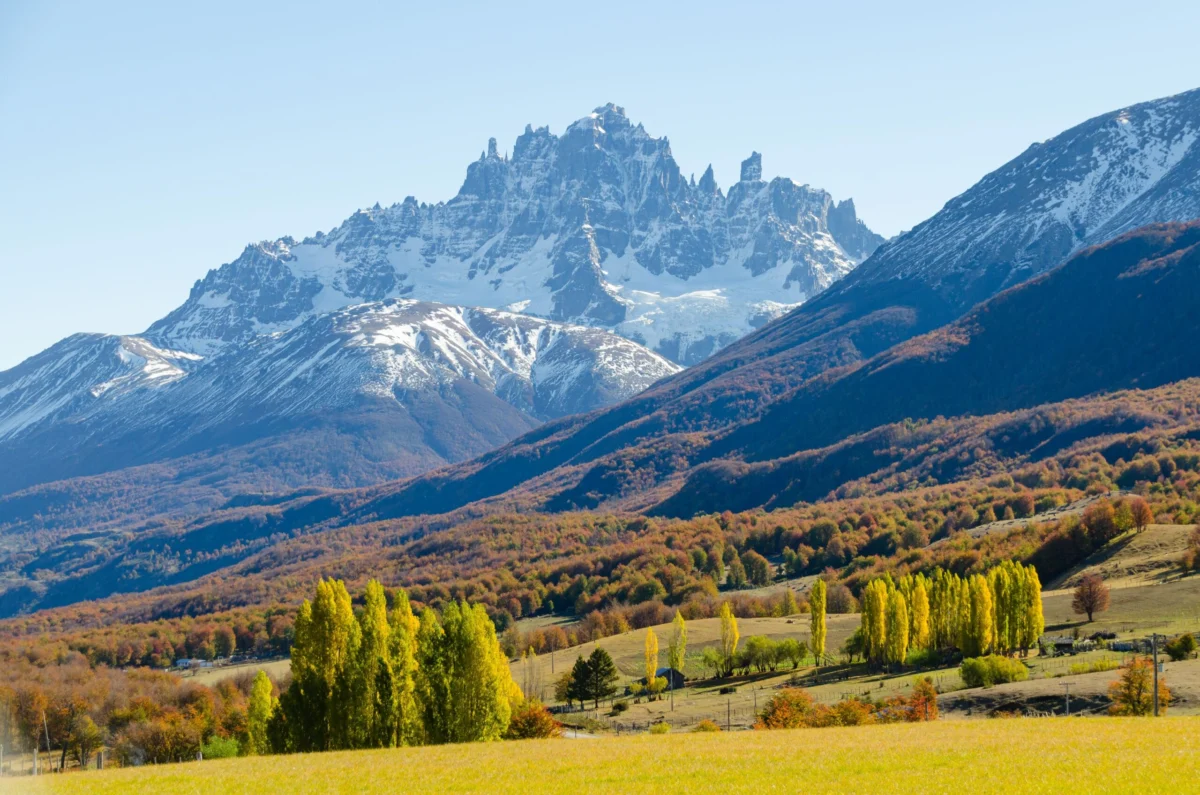
The Carretera Austral, one of the world’s most iconic and challenging road trips, stands as a testament to a complex intersection of geopolitical paranoia, engineering audacity, and ecological transformation. Stretching approximately 770 miles (1,240 kilometers) through the rugged terrain of Northern Patagonia, the "Southern Highway" was born not from a desire for tourism, but from the strategic obsession of General Augusto Pinochet. In 1976, three years after seizing power in a brutal military coup, Pinochet ordered the construction of a route that would pierce the isolated Aysén Region. His primary motivation was national security; he feared that the lack of terrestrial connection to the south would allow the territory to fall under the influence of neighboring Argentina. Today, fifty years after the first charges of dynamite cleared the way, the road has evolved from a military necessity into a corridor for global eco-tourism, sparking a profound debate over the balance between development and conservation.
Historical Context: The Geopolitical Origins of Route 7
Prior to the 1970s, the Aysén Region was effectively a maritime and equestrian frontier. The geography of the area—defined by craggy peaks, sprawling ice fields, dense temperate rainforests, and intricate fjord systems—made traditional road construction appear impossible. Residents, known as pioneros, relied on horses, small boats, and remote airstrips to move goods and maintain contact with the outside world. The region was so disconnected from the Chilean heartland that many locals felt a closer cultural and economic affinity with the Argentine pampas than with Santiago.

Pinochet’s "Plan Austral" sought to rectify this perceived vulnerability through sheer force of will. The project was handed to the Cuerpo Militar de Trabajo (Military Work Corps), a branch of the Chilean Army. At the height of construction, more than 10,000 soldiers were deployed to some of the most inhospitable environments on earth. The logistical challenges were immense: the route required crossing active volcanic zones, bridging glacial rivers, and navigating the Southern Patagonian Ice Field. By the time the road reached its current terminus at Villa O’Higgins in 2000, it had cost hundreds of millions of dollars and an untold number of lives, yet it remained—and largely remains—a gravel-surfaced artery through the wilderness.
Socioeconomic Transformation and the Magnetism of Infrastructure
The arrival of the Carretera Austral acted as a powerful magnet for the scattered communities of the south. According to longtime residents and regional historians, the road fundamentally altered the settlement patterns of the Aysén Region. Francisco Croxatto, a prominent local conservationist, notes that the infrastructure prompted a literal relocation of the population. Families who had lived in isolated valleys for generations moved their entire homes closer to the road to gain access to the goods, services, and medical care that the highway facilitated.
The demographic shift has been stark. When construction began in the mid-1970s, the Aysén Region was home to fewer than 50,000 people. Today, that number has doubled to over 100,000. This growth has brought significant economic benefits but has also strained local resources. In towns like Puerto Río Tranquilo, which serves as the gateway to the "Marble Caves" (Capillas de Mármol), the economy has shifted from nearly 100% ranching to almost total dependence on seasonal tourism. The influx of visitors—once limited to intrepid hitchhikers and "dirt-bag" cyclists—now includes high-net-worth travelers seeking the "rustic-chic" experience of remote Patagonia.

The Rise of Boutique Eco-Tourism
As the road has become more accessible, a new wave of hospitality has emerged, moving away from simple roadside hostals toward sophisticated boutique lodges that emphasize environmental integration. Properties such as Alto Castillo, which opened in late 2023 near Cerro Castillo National Park, exemplify this trend. Founded by Carolina Cerda and Adrián Pintos, the five-cabin hotel offers panoramic views of the namesake massif while utilizing traditional Mapuche textiles and native lenga wood in its construction.
"Tourism is moving in a different direction," Cerda observes. "It’s not about excessive luxury; visitors want to feel the rawness of Patagonia while having the comforts of a modern retreat." This sentiment is echoed at Mallin Colorado, a family-run estancia near Puerto Bertrand. For the 2025-2026 season, the estate expanded its offerings to include high-end suites that frame the neon-blue waters of Lake General Carrera. Francesco Rossi, the lodge’s general manager, highlights a central paradox of the road: while the rugged, unpaved nature of the highway is a "car killer" that demands mechanical resilience, it is precisely this lack of modernization that preserves the region’s allure. There is a widespread fear among locals that fully paving the road would strip the Carretera Austral of its frontier soul.
Conservation, Rewilding, and the Legacy of the Tompkins
Parallel to the development of tourism is a massive effort to restore the region’s original biodiversity. The Chacabuco Valley, once a sprawling sheep ranch with 25,000 head of livestock, has become the centerpiece of Patagonia National Park. This transformation is largely the result of the work of the late Doug Tompkins, founder of The North Face, and his wife Kris Tompkins. Through their organizations, Tompkins Conservation and Rewilding Chile, they purchased vast tracts of degraded ranchland, removed hundreds of miles of fencing, and donated the land back to the Chilean state.

The ecological recovery has been documented by wildlife rangers like Alejandra Saavedra at the Puesto Choique biological center. The removal of livestock has allowed native guanacos (a wild relative of the llama) to return in force, with current populations estimated at 3,000. This, in turn, has supported the return of apex predators like the puma. Furthermore, the reintroduction of the Darwin’s rhea—a flightless bird that acts as a vital seed disperser—has been a hallmark of the park’s success. Since the program began, 221 rheas have been released into the wild.
However, the rewilding process is not without friction. The return of pumas has sparked ongoing tensions with traditional sheep and cattle ranchers who remain on the periphery of the protected areas. The debate reflects a broader struggle over the identity of Patagonia: should it be a productive agricultural landscape or a pristine wilderness?
Environmental Vulnerability: The Receding Ice
Despite the successes in rewilding, the Carretera Austral faces an existential threat from climate change. The Northern Patagonian Ice Field, which the road skirts, is one of the most rapidly changing glacial systems on the planet. Exploradores Glacier, a popular destination for ice trekking, has shown signs of significant instability. In 2026, the Chilean government was forced to suspend trekking services on the glacier after researchers determined it was "breaking apart" at an accelerated rate.

The recession of these glaciers is not merely an aesthetic loss for tourism; it represents a fundamental shift in the region’s hydrology. The meltwater feeds the Baker and Pascua rivers, which are central to the area’s ecosystem and have historically been the subject of intense battles over hydroelectric dam proposals. While the dams were ultimately defeated by the "Patagonia Sin Represas" movement, the changing climate continues to alter the landscape in ways that infrastructure cannot easily mitigate.
The Future of the Frontier: Balancing Heritage and Progress
As the 50th anniversary of the Carretera Austral approaches, the region stands at a crossroads. The road remains unfinished; roughly half of its length is still unpaved, subject to the whims of weather and the constant maintenance of private contractors. For many, this "bad road" is a protective barrier against the mass tourism that has overwhelmed other parts of the world.
Local entrepreneurs like Cristian Vidal of Senderos Patagonia are seeking a middle ground. Vidal, a descendant of the region’s original pioneers, runs horseback expeditions along old gaucho trails. He is currently working on the establishment of a 260,000-acre Multiple-Use Conservation Area in the Torres del Avellano region. His goal is to allow traditional gaucho grazing on valley floors while strictly protecting the high-altitude forests and glaciers.

"It is about knowing where you come from," Vidal says, "but also where you want to go."
The Carretera Austral remains a monument to a dark period of Chilean history, but its legacy is being rewritten by those who travel it today. It has transformed from a path of military conquest into a global symbol of conservation and a laboratory for sustainable development. As the road continues to draw travelers to its bends and vistas, the challenge for Chile will be to ensure that the very accessibility the road provides does not destroy the isolation and wildness that make Northern Patagonia unique. For now, the "Southern Highway" remains a work in progress—a 770-mile journey through a land that is as beautiful as it is unforgiving.