Layla Zulfa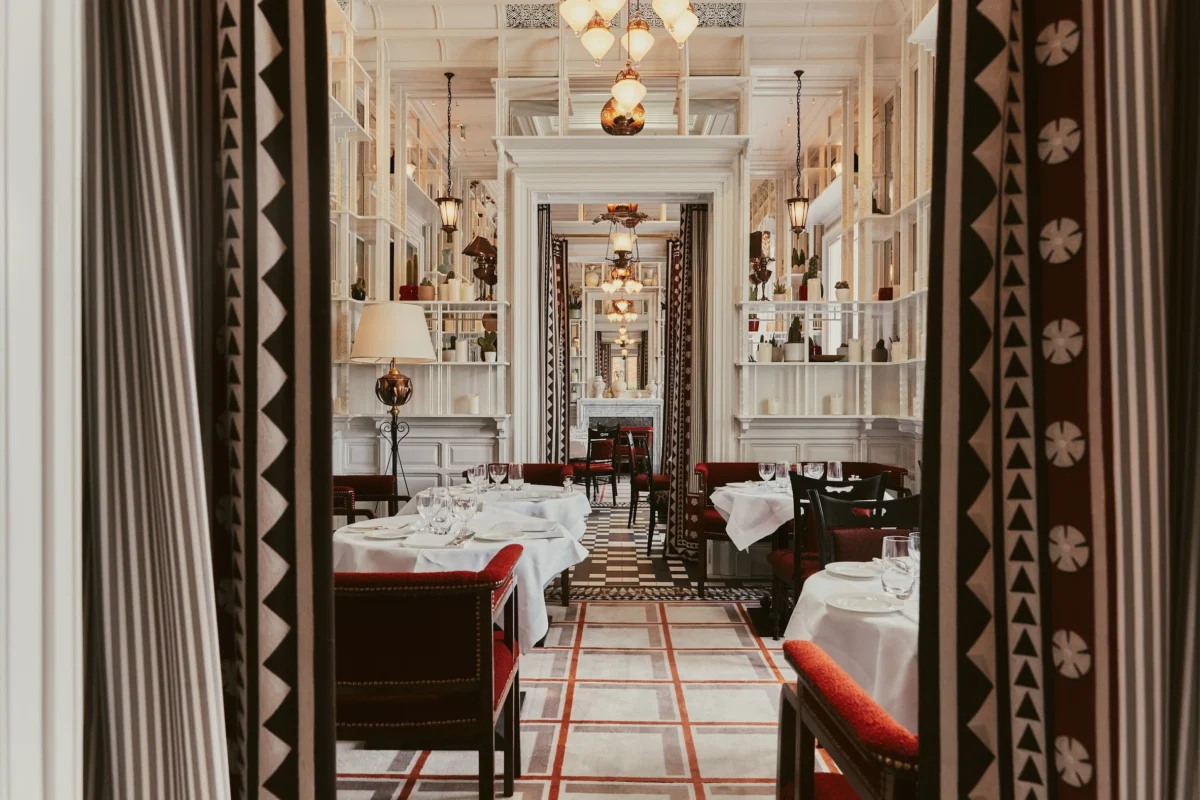
London’s hospitality sector stands as one of the most robust and competitive in the global travel industry. With over 1,500 registered hotels within the Greater London area, the capital city has transformed from a traditional hub of grand, heritage-heavy establishments into a multifaceted ecosystem that caters to diverse consumer profiles, ranging from budget-conscious design seekers to ultra-high-net-worth individuals. This shift is not merely stylistic; it represents a strategic pivot in urban development, as the city continues to reconcile its deep-rooted history with the demands of a modern, cosmopolitan demographic.
The current hotel landscape in London is characterized by a marked bifurcation. On one side, the "grande dames"—the historic, luxury establishments often centered in Mayfair, Kensington, and Chelsea—have invested hundreds of millions of pounds into modern renovations to maintain relevance. On the other, a wave of independent, design-forward properties has emerged, focusing on niche lifestyle branding, sustainability, and localized experiences that emphasize neighborhood integration over traditional, detached luxury.
Historical Context and Market Shifts
The evolution of London’s hotel market can be traced through the changing architectural and social fabric of the city. Historically, the "Grand Hotel" model was defined by the proximity to centers of power, such as Buckingham Palace or the Houses of Parliament, and an emphasis on formal service. However, the post-pandemic recovery period has seen a departure from this rigid structure.
Data from recent tourism reports indicates that the average daily rate (ADR) for luxury hotels in London has seen a 15% increase year-over-year as of mid-2024, driven by a surge in international tourism and a high volume of corporate travel. This economic pressure has forced hoteliers to diversify their offerings. Properties like The Emory and The Newman represent the "new guard," focusing on high-concept architecture and wellness-oriented infrastructure, reflecting a broader shift in consumer behavior toward health-conscious travel.
Notable Establishments and Design Philosophies
Brown’s Hotel, recognized as the oldest luxury hotel in London, provides a case study in heritage management. By integrating modern amenities like mahogany walk-in closets and advanced climate control into its 19th-century framework, the property maintains its historical allure while meeting contemporary standards. This balancing act is mirrored in The Dorchester, which, following a major renovation in 2023 led by designers Pierre-Yves Rochon and Martin Brudnizki, successfully preserved its Art Deco DNA while upgrading its dining and social spaces to appeal to a younger, more globally minded clientele.
Conversely, the success of boutique properties such as The Portobello Hotel in Notting Hill or The Broadwick Soho demonstrates the growing market share of "maximalist" and eclectic design. These hotels eschew the uniform aesthetic of corporate chains in favor of curated, hyper-localized interiors. The Broadwick Soho, for example, utilizes bespoke artisan elements—such as Murano glass chandeliers and custom fabrics—to ground the hotel in the creative spirit of its neighborhood.
Economic Implications and Urban Development
The proliferation of these high-end, boutique hotels has significant implications for local economies. By anchoring themselves in neighborhoods like Fitzrovia, Clerkenwell, and Paddington, these establishments serve as catalysts for secondary retail and culinary growth. The Grand Hotel Bellevue, for instance, has been a critical component in the revitalization of the Paddington area, shifting the local perception of the district from a mere transit hub to a viable destination for overnight stays.

However, this growth is not without challenges. The conversion of traditional townhouses into high-end hotels has raised concerns regarding the availability of housing and the preservation of historic architectural character. Planning authorities in the City of Westminster have responded with stricter oversight on change-of-use applications, ensuring that new hotel developments align with the city’s broader sustainability and community impact goals.
Chronology of Recent Market Developments
- 2019: The Standard London opens in King’s Cross, marking a significant entry of US-based lifestyle brands into the UK market, signaling a pivot toward "hip" hospitality in previously industrial-adjacent zones.
- 2021: NoMad London opens in the former Bow Street Magistrates’ Court, setting a benchmark for adaptive reuse projects that leverage the city’s legal and cultural history.
- 2022: The Twenty Two opens in Mayfair, introducing a hybrid model that functions as both a hotel and a private members’ club, reflecting the blurred lines between public and private social spaces.
- 2023: At Sloane and The Emory arrive on the scene, both representing a move toward exclusive, suite-only, or residence-style hospitality, catering to guests who prioritize privacy and long-term stay comfort.
- 2024: Continued expansion of wellness-focused properties, such as The Newman, indicates a sustained trend toward integrated health facilities within the hotel envelope.
Sustainability and The Future of Service
A critical development in London’s hotel industry is the formal adoption of environmental, social, and governance (ESG) criteria. The 1 Hotel Mayfair represents the vanguard of this movement. By emphasizing reclaimed timber, living green walls, and energy-efficient building management systems, the property challenges the notion that luxury is inherently incompatible with sustainability.
Industry analysts suggest that this trend is not merely a marketing tactic but a necessary adjustment to new regulatory requirements and investor expectations. As the City of London pushes for a carbon-neutral footprint by 2050, hotel operators are under increasing pressure to retro-fit aging infrastructure. The successful integration of these technologies into historic buildings, as seen at Claridge’s—which added a five-story subterranean spa—demonstrates that modernization can be achieved without compromising the structural or aesthetic integrity of the property.
Expert Perspectives and Market Analysis
While specific statements from hotel owners are often guarded, industry stakeholders, including the British Hospitality Association, have noted that the sector’s resilience is tied to its ability to innovate. The consensus among market analysts is that London is currently undergoing a "renaissance of the boutique," where the emphasis is on the personalization of service. The "24-hour butler service" at Claridge’s or the "bespoke cocktail experiences" at The Connaught Bar are no longer considered optional luxuries but are essential components of a competitive value proposition.
Furthermore, the rise of the "destination restaurant" within hotels—such as Alain Ducasse at The Dorchester or the ABC Kitchen at The Emory—highlights a strategic move to capture local spending. By turning hotel dining rooms into community hubs, operators are diversifying their revenue streams and insulating themselves against fluctuations in international travel demand.
Conclusion
London’s hospitality landscape is in a state of constant, calculated flux. The city successfully manages to honor its past while aggressively pursuing future-facing innovations in design, sustainability, and service. Whether through the preservation of Regency-era architecture or the construction of modern, glass-and-steel residences, the London hotel market remains a primary driver of the city’s global standing. As the industry looks toward the next decade, the challenge will remain in balancing the rapid pace of development with the preservation of the unique, historic charm that continues to draw millions of visitors to the capital annually. The current variety—spanning from the discreet, members-only atmospheres of Chelsea to the high-energy, design-led boutiques of Soho—ensures that London will maintain its position as a global leader in the hospitality sector for the foreseeable future.