Ferry Irwandi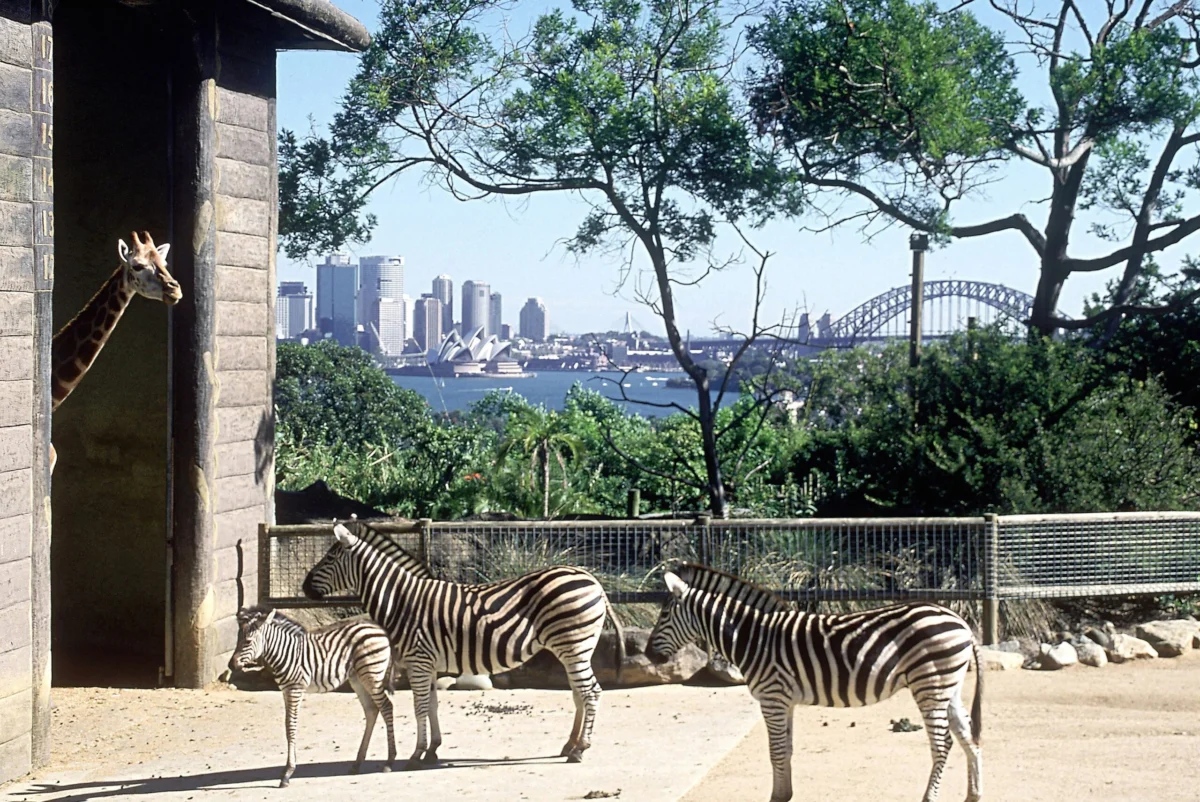
The top-tier zoos across the nation are distinguished by their commitment to animal welfare, the complexity of their naturalistic habitats, and their success in breeding programs for endangered species. From the historic gates of the Philadelphia Zoo to the sprawling, high-tech enclosures of the San Diego Zoo Wildlife Alliance, these ten institutions represent the gold standard of wildlife management and public engagement in the 21st century.
1. San Diego Zoo and Safari Park, California
The San Diego Zoo is widely regarded as one of the most influential zoological institutions in the world. Established in 1916, it pioneered the concept of open-air, cageless exhibits that recreate natural habitats. Today, the zoo and its sister facility, the San Diego Zoo Safari Park, house more than 12,000 animals representing 650 species.

The institution’s impact is amplified through the San Diego Zoo Wildlife Alliance, a non-profit organization that conducts field research across six continents. A key pillar of their work is the "Frozen Zoo," a cryobank containing skin cells and genetic material from over 1,000 species, including the critically endangered northern white rhino. This genetic repository serves as a biological insurance policy against extinction, providing data for future cloning or advanced reproductive technologies.
2. San Antonio Zoo, Texas
While smaller in acreage than some of its counterparts, the San Antonio Zoo has garnered international acclaim for its niche conservation efforts. One of its most notable initiatives is the collaborative restoration project in the Amazon River basin. Working alongside indigenous groups, the zoo funds and facilitates programs aimed at protecting the delicate balance of the Amazonian ecosystem, which is vital for global climate regulation.
Closer to home, the San Antonio Zoo is a leader in the conservation of Texan subterranean species and the reintroduction of the horned lizard. The facility also emphasizes early childhood education through the Will Smith Zoo School, the oldest licensed nature-based preschool in the country, fostering environmental stewardship in the next generation.

3. Bronx Zoo, New York
Operated by the Wildlife Conservation Society (WCS), the Bronx Zoo is the largest metropolitan zoo in the United States, spanning 265 acres of parkland and naturalistic habitats. Since its opening in 1899, the zoo has been a cornerstone of New York City’s cultural landscape and a powerhouse in global wildlife protection.
The Bronx Zoo was instrumental in saving the American bison from extinction in the early 20th century, a feat it continues to emulate with modern programs for the Tanzanian Kihansi spray toad and various snow leopard populations. The "Congo Gorilla Forest" exhibit is frequently cited as a model for "conservation theater," where a portion of the admission fee is directly funneled into WCS field projects in Central Africa.
4. Omaha’s Henry Doorly Zoo and Aquarium, Nebraska
Omaha’s Henry Doorly Zoo and Aquarium is frequently ranked as the best zoo in the world by various travel and industry publications. It is famous for its massive, record-breaking indoor exhibits. The "Lied Jungle" is one of the largest indoor rainforests in the world, while the "Desert Dome" stands as the world’s largest indoor desert under a massive glazed geodesic dome.

The zoo’s Center for Conservation and Research is a leader in plant and animal genomics. Their work on the "Species Survival Plan" (SSP) has been critical for the recovery of the black-footed ferret and various species of amphibians. The facility’s ability to maintain complex ecosystems indoors allows for year-round research and public education, regardless of the Midwestern climate.
5. Saint Louis Zoo, Missouri
The Saint Louis Zoo is unique among its peers for being one of the few high-profile zoos in the United States that offers free admission. This accessibility ensures that its message of conservation reaches a broad and diverse audience. The zoo is home to the WildCare Institute, which focuses on "conservation medicine"—the intersection of animal, human, and environmental health.
With 17 conservation centers under the WildCare umbrella, the zoo manages projects ranging from Humboldt penguin protection in Peru to the recovery of the American burying beetle in Missouri. Their state-of-the-art North America’s Only Center for American Burying Beetle Conservation highlights the zoo’s commitment to even the smallest members of the ecosystem.

6. Smithsonian National Zoological Park, Washington, D.C.
As part of the Smithsonian Institution, the National Zoo serves as the "nation’s zoo," providing a platform for high-level scientific research and international diplomacy. For decades, it was the epicenter of "Panda Diplomacy," hosting giant pandas on loan from China. While the pandas recently returned to China, the zoo has announced a new agreement to bring a pair of pandas back to Washington in late 2024, continuing a 50-year legacy of conservation research for the species.
Beyond pandas, the National Zoo’s Conservation Biology Institute in Front Royal, Virginia, conducts vital research on reproductive physiology, endocrinology, and genetics. This facility is responsible for significant breakthroughs in the breeding of clouded leopards and scimitar-horned oryx.
7. Columbus Zoo and Aquarium, Ohio
The Columbus Zoo and Aquarium gained national fame through the work of Director Emeritus Jack Hanna, but its reputation today rests on its robust conservation grants program. The zoo supports over 70 projects in 30 countries, providing millions of dollars in funding for wildlife protection.

The zoo is particularly noted for its manatee rehabilitation center, one of only a handful in the United States outside of Florida. Since the program’s inception, the zoo has treated and released dozens of injured or orphaned manatees back into the wild, playing a crucial role in the recovery of this threatened marine mammal.
8. Cincinnati Zoo & Botanical Garden, Ohio
Known as the "Greenest Zoo in America," the Cincinnati Zoo & Botanical Garden has integrated sustainability into every facet of its operations. The facility features a massive solar canopy that provides power for the zoo while shading the parking lot, and it utilizes sophisticated rainwater harvesting systems to reduce its environmental footprint.
The zoo is also home to the Lindner Center for Conservation and Research of Endangered Wildlife (CREW). CREW is world-renowned for its work in "signature projects," including the conservation of rhinos, small cats, and exceptional native plants. The zoo’s social media presence, spearheaded by the fame of Fiona the hippo, has successfully translated viral moments into significant fundraising for wildlife charities.

9. Philadelphia Zoo, Pennsylvania
As America’s first zoo, chartered in 1859 and opened in 1874, the Philadelphia Zoo combines Victorian architecture with cutting-edge animal management. The zoo’s most innovative feature is "Zoo360," a first-of-its-kind system of mesh trails that allows primates, big cats, and other animals to roam above and around the zoo grounds, far beyond their primary enclosures.
This system has redefined the visitor experience and animal welfare by providing the inhabitants with more space and environmental stimulation. The Philadelphia Zoo remains a leader in the study of animal behavior and has been a pioneer in the captive breeding of orangutans and other great apes.
10. Brookfield Zoo, Illinois
Located just outside of Chicago, the Brookfield Zoo (managed by the Chicago Zoological Society) was the first in America to exhibit giant pandas and has a long history of veterinary innovation. It was the first zoo in the world to perform a CT scan on a gorilla and continues to lead in the field of animal healthcare.

The zoo’s "Sarasota Dolphin Research Program" is the longest-running study of a wild dolphin population in the world, providing over 50 years of data on marine mammal health and behavior. This research is vital for understanding how human activity and environmental changes affect marine ecosystems.
Chronology of the American Zoo Movement
The evolution of these institutions follows a distinct historical timeline:
- 1874: The Philadelphia Zoo opens, marking the official start of the zoological movement in the U.S.
- 1889: Congress establishes the National Zoo to save species like the American bison.
- 1899: The Bronx Zoo opens, introducing large-scale habitats.
- 1916: The San Diego Zoo is founded, pioneering the "cageless" exhibit design.
- 1970s: The passage of the Endangered Species Act shifts the focus of zoos from entertainment to rigorous conservation and the implementation of Species Survival Plans (SSPs).
- 2000s-Present: Zoos transition into "Wildlife Centers," emphasizing sustainability, genetic research, and global habitat restoration.
Supporting Data and Economic Impact
According to data from the AZA, the 230+ accredited zoos and aquariums in the U.S. generate an annual economic impact of approximately $22.5 billion. They support over 198,000 jobs and attract more than 200 million visitors each year—more than the combined annual attendance of the NFL, NBA, MLB, and NHL.

From a conservation standpoint, the data is equally significant. Between 2018 and 2023, AZA-accredited zoos contributed to the recovery of 30 species that were once on the brink of extinction, including the California condor, the black-footed ferret, and the red wolf.
Analysis of Implications and Future Trends
The modern American zoo faces a complex future. As public scrutiny of animal captivity increases, these institutions must continually justify their existence through measurable conservation outcomes and high standards of welfare. The shift toward "immersive" exhibits and "Zoo360" style roaming systems reflects a broader trend of prioritizing animal psychology over human convenience.
Furthermore, the role of zoos as "genetic arks" is becoming more critical. As wild habitats shrink due to urban expansion and climate change, the controlled environments of zoos provide a final stronghold for genetic diversity. Experts suggest that within the next century, several species may only exist within these managed populations, making the scientific work conducted today at the San Diego or Bronx zoos a prerequisite for any future rewilding efforts.

The integration of technology—such as AI-monitored health tracking and advanced genetic sequencing—is set to become the next frontier. As these ten zoos demonstrate, the successful zoological garden of the future is not merely a place to see animals, but a sophisticated laboratory and advocacy center dedicated to the survival of the natural world.