Reynand Wu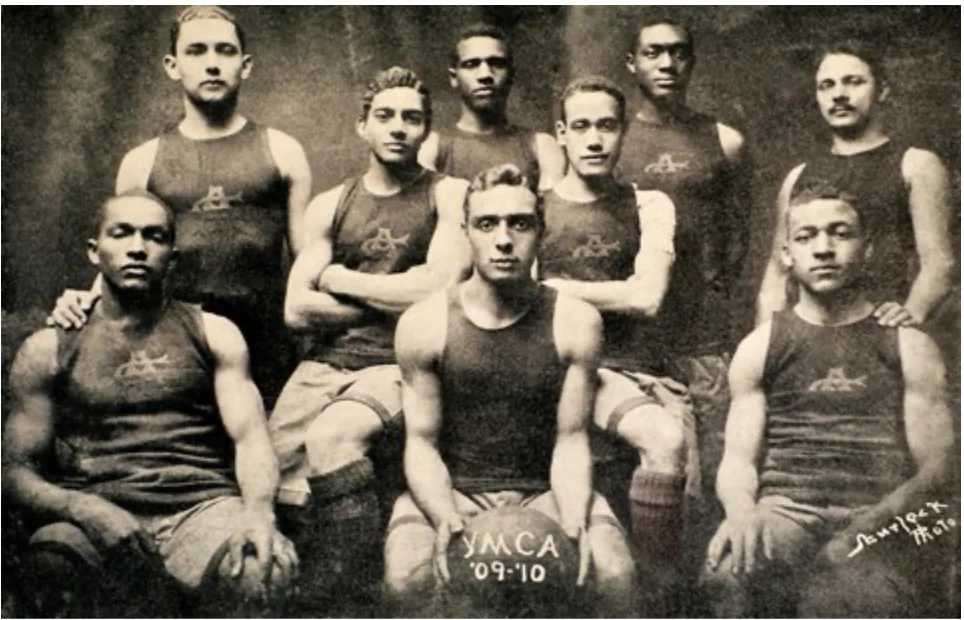
Walking down 135th Street in Harlem, the rhythmic thud of a basketball against asphalt cuts through the urban symphony. It’s a familiar sound, an auditory beacon drawing you toward a vibrant outdoor court. Here, amidst the fresh paint and sturdy chain-link fence, the game unfolds with an intoxicating energy. Kids weave, dribble, pass, and shoot, their movements a fluid dance of athleticism and camaraderie. The intensity builds with each shot, each block, each cheer, pulling more spectators from the sidewalk, eager to witness the spontaneous magic of streetball. This scene, replicated across countless neighborhoods from Harlem to Brooklyn, is more than just a game; it is a profound cultural artery, pumping life into New York City’s identity. Yet, the deep roots of basketball’s popularity within African American communities, particularly in urban centers, are paradoxically intertwined with a complex history of discriminatory practices like redlining and segregation. This article delves into how systemic barriers, initially designed to exclude, inadvertently shaped basketball into a powerful symbol of resilience, community, and upward mobility.
Basketball’s Genesis: A "White Man’s Game"
Basketball, a sport now globally celebrated for its dynamic athleticism and diverse talent, originated in Springfield, Massachusetts, in December 1891. Dr. James Naismith, a Canadian physical education instructor at the International YMCA Training School (now Springfield College), invented the game. His goal was to create a less injury-prone sport than football that could be played indoors during the harsh New England winters, keeping his students physically active and engaged. Naismith’s initial rules were simple, involving peach baskets as hoops and a soccer ball. The game quickly gained traction, spreading through YMCA networks, colleges, and high schools across the nation.
By the early 1900s, basketball had become a fixture in collegiate sports, with prestigious institutions like Harvard, Yale, Cornell, and Princeton engaging in intercollegiate play as early as 1901. The first professional basketball league, the National Basketball League (NBL), was founded in 1937, eventually merging with the Basketball Association of America (BAA) in 1949 to form the ubiquitous National Basketball Association (NBA). For the initial three decades of its organized existence, basketball was predominantly a white-dominated sport, reflecting the pervasive racial segregation of the era. Black participants were systematically barred from playing in mainstream collegiate and professional leagues. It wasn’t until 1928 that George Gregory Jr. became the first Black collegiate player, and the professional color barrier was only broken in the 1949-1950 NBA season by Chuck Cooper, Nathaniel Clifton, and Earl Lloyd.
This exclusion extended beyond professional courts to community spaces. YMCAs, which were instrumental in popularizing the sport, often denied membership to Black individuals, forcing African American communities to establish their own recreational facilities and teams. This early, deliberate segregation laid the groundwork for a unique development of basketball within Black communities, driven by necessity and a burgeoning desire for athletic expression.
The Stranglehold of Segregation and Redlining in NYC
The story of basketball’s rise in African American communities cannot be fully understood without examining the profound impact of discriminatory housing policies and economic inequality, particularly in cities like New York. Redlining, an exclusionary practice initiated with the National Housing Act (NHA) of 1934, systematically denied services, especially mortgage loans, to residents of certain areas based on race or ethnicity. The NHA created government programs like the Federal Housing Administration (FHA) and the Home Owners’ Loan Corporation (HOLC) with the ostensible goal of improving the housing market and promoting homeownership. However, their implementation codified and exacerbated racial segregation.
The HOLC, in particular, created residential security maps for hundreds of cities, categorizing neighborhoods based on perceived investment risk. Areas with significant Black populations were often designated as "hazardous" or "risky" (colored red on maps), deterring private investment and driving down property values. The FHA then used these maps to guide its lending policies, effectively refusing federally insured housing loans to minorities in these "redlined" areas. This policy made it nearly impossible for Black families to purchase homes, accumulate wealth, or secure loans for business ventures, trapping them in under-resourced neighborhoods.
The economic inequality fueled by redlining had far-reaching consequences, extending to the types of recreational opportunities available to children. Redlined neighborhoods were characterized by a severe lack of public investment, leading to dilapidated infrastructure, underfunded schools, and notably, fewer and smaller green spaces and parks. According to a 2020 analysis by the Trust for Public Land, the average park size in poor neighborhoods in New York City was 6.4 acres, starkly contrasting with 14 acres in wealthier neighborhoods. This disparity meant limited access to sprawling fields suitable for sports like baseball or football, which often require significant space and specialized, costly equipment.
Beyond space, the financial burden of participating in many organized sports further steered minority children toward basketball. Baseball, for instance, often requires expensive equipment (bats, gloves, uniforms), league fees, and travel team costs—prerequisites that were largely unattainable for families struggling under the weight of systemic economic disadvantage. David C. Ogden, a professor at the University of Nebraska who studied race and sport dynamics, highlighted that the lack of baseball facilities in Black neighborhoods and the high cost of "select" baseball were primary reasons for the sport’s lack of racial diversity. His 2003 study quoted coaches observing that "More than two-thirds of the 27 coaches said that African-American youth prefer to spend their time on the basketball court rather than on the diamond."
Basketball, by contrast, offered a low barrier to entry. A hoop, a ball, and a patch of asphalt were often all that was needed. This accessibility made it an ideal sport for urban environments where space was at a premium and resources were scarce. The inherent adaptability of basketball—its ability to be played in small spaces, with varying numbers of players, and with minimal equipment—made it a natural fit for communities navigating the constraints imposed by redlining and urban neglect.
The Rise of Black YMCAs and Independent Teams
In response to widespread segregation, African American communities demonstrated remarkable resilience and self-determination by establishing their own institutions and athletic programs. The development of Black YMCAs played a pivotal role in fostering basketball’s popularity. These centers became vital hubs for social, educational, and recreational activities, offering a safe space for Black individuals to gather, learn, and play. They filled a critical void left by discriminatory mainstream organizations.
One of the most significant figures in introducing basketball to the Black community was Edwin Bancroft Henderson. An educator working in Washington D.C., Henderson learned the game during summer sessions at Harvard University. Upon his return, he enthusiastically introduced basketball to young Black men in the D.C. area, recognizing its potential for physical development and community building. His efforts quickly bore fruit, and the game spread rapidly across the East Coast, establishing strong footholds in cities like New York, Philadelphia, and Baltimore.
The burgeoning popularity led to the formation of independent Black basketball teams, collectively known as the "Black Fives" – a reference to the five players on a team. These teams predated the NBA’s racial integration and carved out their own competitive circuits. The Smart Set Athletic Club of Brooklyn, formed in 1907, is recognized as the first fully independent Black basketball team in America. These teams were not just athletic groups; they were cultural institutions, symbols of Black excellence and self-sufficiency in an era of overt racism. They traveled extensively, often facing hostility and discrimination, but their games drew large crowds and cultivated a passionate fan base. The image of the "12th Streeters" beating the reigning champion Smart Set 20:17 in front of over 2,000 spectators in 1911 (as cited by Domke 2011) vividly illustrates the excitement and community engagement these games generated.
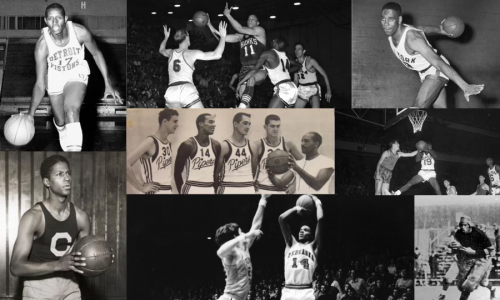
Basketball also became a crucial avenue for economic upward mobility for Black athletes when other professional sports remained largely closed. The Harlem Globetrotters, formed in 1926 by Abe Saperstein, epitomized this phenomenon. Initially a serious competitive team, they evolved into a global phenomenon, blending unparalleled skill with comedic entertainment. For Black basketball players of that era, the Globetrotters often provided the best, and sometimes the only, opportunity to earn a living playing basketball, showcasing their talent on an international stage while navigating the persistent racial prejudices of the time.
Breaking Barriers: The Long Road to Integration
The integration of professional basketball was a hard-won battle, reflecting broader civil rights struggles in America. While George Gregory Jr. broke the collegiate color barrier in 1928, it took over two more decades for Black players to enter the NBA. The 1949-1950 season marked a pivotal moment when Chuck Cooper (drafted by the Boston Celtics), Nathaniel Clifton (New York Knicks), and Earl Lloyd (Washington Capitols) became the first Black players to play professional basketball in the NBA, effectively breaking the league’s color line.
Their entry was not without immense challenges. These pioneering athletes faced racial slurs, segregated accommodations on road trips, and constant pressure to prove their worth in a league that was hesitant to embrace them. Their courage and talent, however, paved the way for future generations. Bill Russell and Wilt Chamberlain soon followed, dominating the league and challenging prevailing racial stereotypes. Their success, and the success of many other Black players, demonstrated unequivocally that talent knew no color and that integration enriched the sport.
New York City: The Unrivaled Mecca of Streetball
Today, basketball is an indelible part of New York City’s cultural fabric, transcending racial and socioeconomic lines. The city’s unique urban landscape, combined with its rich history of community-led sports initiatives, has cemented its status as a global "basketball mecca." The legacy of accessible courts and community engagement continues to thrive, with streetball tournaments becoming iconic summer events.
Legendary venues like Rucker Park in Harlem, Holcombe Rucker Park, and Dyckman Park in Manhattan have become hallowed grounds for basketball enthusiasts. These courts are not merely places to play; they are vibrant cultural centers where local legends are born, skills are honed, and community bonds are strengthened. Every summer, these parks host highly anticipated tournaments that draw massive crowds, showcasing raw talent and intense competition. Events like Nike’s "NY vs NY" series and Slam Magazine’s "Summer Classic" feature top-ranked high school players and aspiring professionals, attracting thousands of fans and scouts annually. These tournaments celebrate the city’s unique streetball style – fast-paced, improvisational, and fiercely competitive – a direct descendant of the resilience and ingenuity that characterized early Black basketball.
Black participation in basketball has surged dramatically in the decades since segregation, particularly in NYC. This enduring connection is evident in the demographics of professional basketball today. In stark contrast to 1950, when Black players were actively excluded, approximately 75% of the NBA’s players are Black, with a significant number of Black athletes also playing in professional leagues worldwide. This demographic shift is a testament to the talent, dedication, and cultural embrace of the sport within African American communities.
An Enduring Legacy and Broader Implications
The story of basketball’s deep integration into African American culture is a complex narrative of adversity, resilience, and triumph. What began as a game invented in a YMCA by a white instructor, initially inaccessible to Black individuals due to systemic racism, evolved into a powerful cultural staple. The discriminatory practices of redlining and segregation, by limiting resources and opportunities in Black neighborhoods, inadvertently channeled athletic talent and community spirit towards a sport that was affordable, accessible, and adaptable.
This historical context offers crucial insights into the broader implications of systemic inequality. While designed to marginalize, these barriers paradoxically fostered a unique cultural phenomenon, creating a pathway for expression, community building, and, eventually, economic mobility through sports. Basketball became more than just a game; it became a symbol of defiance, a canvas for creativity, and a ladder for social advancement for generations of African Americans.
The vibrant streetball courts of New York City, pulsating with the energy of young players and passionate fans, stand as living testaments to this enduring legacy. They are a powerful reminder that even in the face of profound injustice, communities can forge their own paths, build their own institutions, and transform imposed limitations into enduring sources of strength and cultural pride. The hardwood paradox continues to unfold, illustrating how the echoes of a segregated past reverberate in the triumphant present, forever shaping the identity of a sport and the communities that embraced it against all odds.
Additional Resources:
Aaronson, D., Faber, J., Hartley, D., Mazumder, B., & Sharkey, P. (2020). The Long-Run Effects of the 1930s HOLC “Redlining” Maps on Place-Based Measures of Economic Opportunity and Socioeconomic Success. The Effects of the 1930s HOLC “Redlining” Maps. https://doi.org/10.21033/wp-2020-33
Bowen, F. (2023, April 7). In its early years, NBA blocked black players. The Washington Post. Retrieved April 24, 2023, from https://www.washingtonpost.com/lifestyle/kidspost/in-nbas-early-years-black-players-werent-welcome/2017/02/15/664aa92e-f1fc-11e6-b9c9-e83fce42fb61_story.html
Centopani, P. (2020, February 24). The makings of basketball mecca: Why it will always be New York. FanSided. Retrieved May 1, 2023, from https://fansided.com/2020/02/24/makings-basketball-mecca-will-always-new-york/

Domke, M. (2011). Into the vertical: Basketball, urbanization, and African American … Into the Vertical: Basketball, Urbanization, and African American Culture in Early- Twentieth-Century America. Retrieved March 31, 2023, from http://www.aspeers.com/sites/default/files/pdf/domke.pdf
Gay, C. (2022, January 13). The black fives: A history of the era that led to the NBA’s racial integration. Sporting News Canada. Retrieved April 24, 2023, from https://www.sportingnews.com/ca/nba/news/the-black-fives-a-history-of-the-era-that-led-to-the-nbas-racial-integration/8fennuvt00hl1odmregcrbbtj
Gorey, J. (2022, July 25). How “White flight” segregated American cities and Suburbs. Apartment Therapy. Retrieved April 30, 2023, from https://www.apartmenttherapy.com/white-flight-2-36805862
Hunt, M. (2022, October 11). What is the National Housing Act? Bankrate. Retrieved April 25, 2023, from https://www.bankrate.com/real-estate/the-national-housing-act/#:~:text=What%20is%20the%20National%20Housing%20Act%20(NHA)%3F,Loan%20Insurance%20Corporation%20(FSLIC).
Hu, W., & Schweber, N. (2020, July 15). New York City has 2,300 parks. but poor neighborhoods lose out. The New York Times. Retrieved April 21, 2023, from https://www.nytimes.com/2020/07/15/nyregion/nyc-parks-access-governors-island.html
Ivy league regular season champions, by Year. Coaches Database. (2023, March 5). Retrieved April 24, 2023, from https://www.coachesdatabase.com/ivy-league-regular-season-champions/
McIntosh, K., Moss, E., Nunn, R., & Shambaugh, J. (2022, March 9). Examining the black-white wealth gap. Brookings. Retrieved April 25, 2023, from https://www.brookings.edu/blog/up-front/2020/02/27/examining-the-black-white-wealth-gap/
Ogden, D. C. ., & Hilt, M. L. . (2003). Collective Identity and Basketball: An Explanation for the Decreasing Number of African Americans on America’s Baseball Diamond. Retrieved March 31, 2023, from https://www.nrpa.org/globalassets/journals/jlr/2003/volume-35/jlr-volume-35-number-2-pp-213-227.pdf
Ortigas, R., Okorom-Achuonyne, B., & Jackson, S. (n.d.). What exactly is redlining? Inequality in NYC. Retrieved March 30, 2023, from https://rayortigas.github.io/cs171-inequality-in-nyc/
Pearson, S. (2022). Basketball origins, growth and history of the game. History of The Game Of Basketball Including The NBA and the NCAA. Retrieved April 24, 2023, from https://www.thepeoplehistory.com/basketballhistory.html
Robertson, N. M. (1995). [Review of Light in the Darkness: African Americans and the YMCA, 1852-1946., by N. Mjagkij]. Contemporary Sociology, 24(2), 192–193. https://doi.org/10.2307/2076853
Townsley, J., Nowlin, M., & Andres, U. M. (2022, August 18). The lasting impacts of segregation and redlining. SAVI. Retrieved March 30, 2023, from https://www.savi.org/2021/06/24/lasting-impacts-of-segregation/