Jono Maryono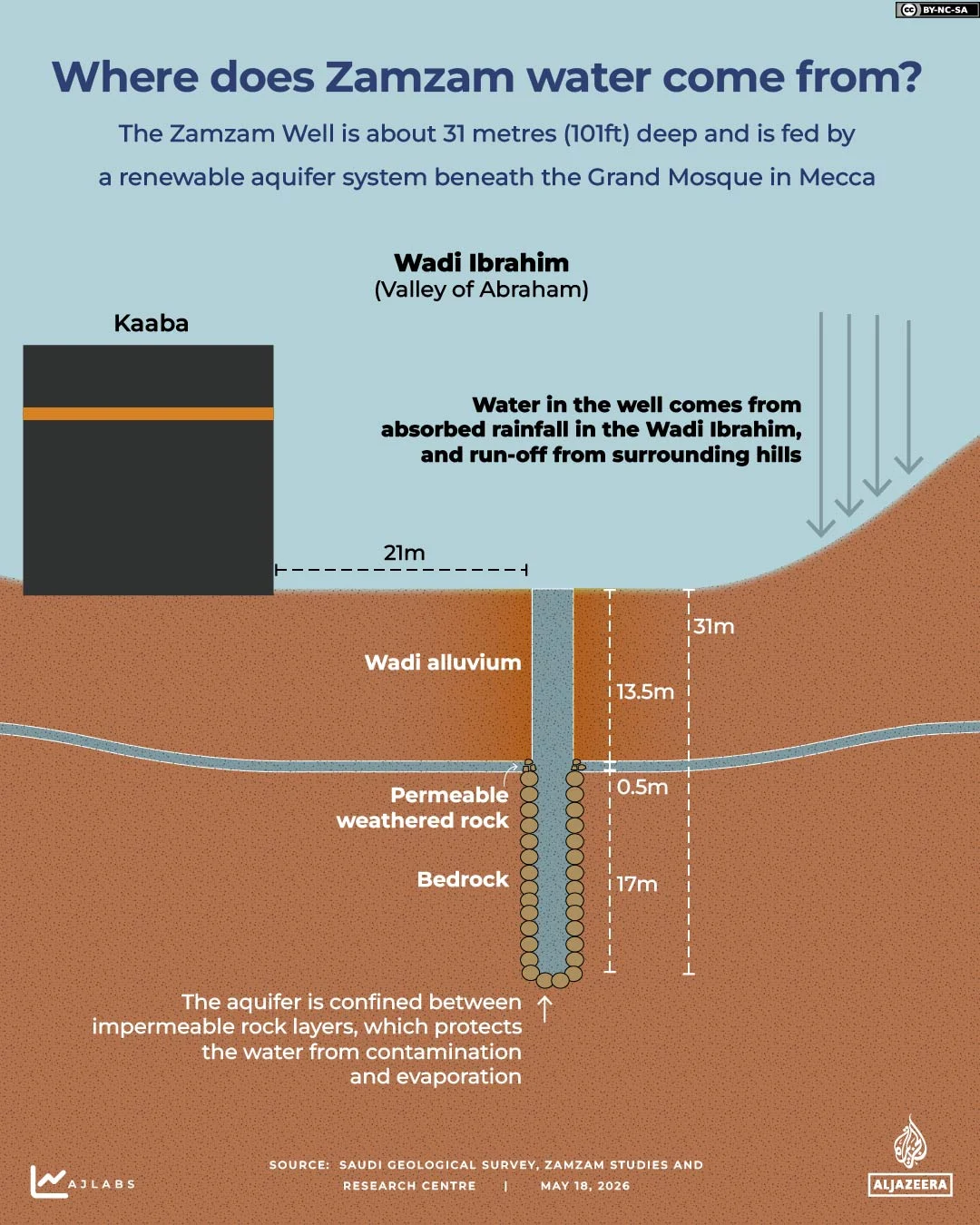
As the crescent moon graces the Saudi Arabian sky, signalling the advent of Dhul-Hijjah, nearly two million Muslims from across the globe are preparing to embark on the sacred Hajj pilgrimage to Mecca. The five-day spiritual journey, a cornerstone of Islam, officially begins on May 25, 2026, marking a profound commitment for millions of believers. This annual gathering stands as the largest congregation of Muslims worldwide, representing the fifth and final pillar of their faith, a once-in-a-lifetime obligation for those who are physically and financially capable of undertaking the arduous yet deeply rewarding expedition.

Understanding the Hajj: A Pillar of Faith
The word "Hajj" itself derives from the Arabic root "h-j-j," meaning "intending a journey" or "to set out for a definitive purpose." This profound journey is deeply embedded in Islamic theology, representing a direct commandment from God as articulated in the Quran. The Prophet Muhammad’s farewell pilgrimage in 632 AD solidified the rituals and significance of the Hajj, a practice mentioned repeatedly in the holy text. It is an act of profound devotion, a spiritual undertaking designed to foster forgiveness, purify the soul, and demonstrate absolute submission to the Divine. Beyond its spiritual imperative, the Hajj serves as a powerful symbol of unity, bringing together individuals from all walks of life, transcending national, economic, and social divides.

The Temporal Framework of Hajj
The Hajj is meticulously observed between the 8th and 12th (or sometimes 13th) of Dhul-Hijjah, the twelfth and final month of the Islamic lunar calendar. This period falls approximately 70 days after the conclusion of Ramadan, though the exact dates shift annually due to the lunar cycle. In 2026, the core Hajj days are scheduled from May 25 to May 27. However, many pilgrims opt to arrive in Saudi Arabia weeks in advance, allowing ample time for acclimatization and spiritual preparation. The inherent nature of the lunar calendar, where months consist of 29 or 30 days, causes the Hajj to advance by approximately 10 to 12 days each year in the Gregorian calendar. This cyclical shift underscores the timeless nature of this spiritual observance, yet also necessitates careful planning for international travelers.

The Spiritual Significance and Preparations
The Hajj is far more than a physical journey; it is a transformative spiritual odyssey. Muslims undertake this pilgrimage to seek divine forgiveness, cleanse themselves of past transgressions, and reaffirm their unwavering commitment to God. The preparations begin long before the physical departure, involving meticulous financial planning, obtaining necessary visas and health clearances, and a deep spiritual preparation. This includes seeking forgiveness from loved ones, settling debts, and cultivating a state of sincere intention (niyyah) for the sacred rites ahead. The concept of "ihram," a state of ritual purity, is central to the Hajj, marking the spiritual transition into the sacred domain of Mecca.

The Five Days of Hajj: A Chronology of Rituals
The Hajj pilgrimage is a structured five-day observance, encompassing a series of deeply symbolic rituals that connect pilgrims to the footsteps of prophets and the foundational narratives of Islam.

Day 1: Entering the Sacred State and the Grand Mosque
The first day commences with pilgrims entering the state of ihram. For men, this involves donning two unstitched white sheets, while women wear modest, loose-fitting attire that covers their entire body except for their face and hands. This simple, egalitarian garb symbolizes humility, equality, and the shedding of worldly distinctions as all pilgrims stand as equals before God.
Upon entering Mecca, the spiritual heart of Islam, pilgrims perform the Tawaf, the circumambulation of the Kaaba. This cubic structure, located at the center of the Masjid al-Haram (Grand Mosque), serves as the qibla, the direction Muslims face during prayer. Pilgrims circle the Kaaba seven times counterclockwise, a synchronized movement that embodies the unity of believers in their devotion to the One God.

Following the Tawaf, pilgrims engage in the Sa’i, a ritualistic walk of seven times between the hills of Safa and Marwah. This act commemorates the desperate search for water by Hagar (Hajar), wife of Prophet Abraham (Ibrahim), for her infant son Ishmael (Ismail) in the arid valley of Mecca. It was during this arduous search that the miraculous Zamzam well sprang forth, providing life-sustaining water – a testament to God’s mercy that continues to quench the thirst of millions of pilgrims annually.
The day culminates with pilgrims proceeding to Mina, a valley approximately 8 kilometers (5 miles) east of Mecca. Known as the "city of tents," Mina transforms into a vast encampment housing millions of pilgrims in over 100,000 temporary shelters, providing a serene environment for prayer and reflection as they prepare for the following days.

Day 2: The Pinnacle of Reflection at Arafat
The second day of Hajj is considered the most crucial. Pilgrims make their way to the vast plains of Mount Arafat, located about 15 kilometers (9 miles) from Mina. Here, from midday to sunset, they engage in wuquf, a profound state of standing, prayer, and repentance. The Plain of Arafat is considered a foretaste of the Day of Judgment, a time for intense introspection, seeking forgiveness, and drawing closer to the Divine. Muslims worldwide are encouraged to fast on this day, further enhancing its spiritual significance.
As the sun sets, pilgrims depart for Muzdalifah, a location approximately 9 kilometers (5.5 miles) further. In Muzdalifah, they perform their evening prayers (Maghrib and Isha) and gather pebbles, which will be used in a symbolic ritual the following day. The night is often spent under the open sky, a powerful reminder of the vastness of creation and the individual’s place within it.

Day 3: The Rituals of Sacrifice and Renewal
The third day coincides with the first day of Eid al-Adha, the Festival of Sacrifice. Pilgrims begin their day by returning to Mina.
The first major ritual is the Ramy al-Jamarat, the stoning of the pillars. Pilgrims throw seven pebbles at the largest of three stone pillars, representing the symbolic rejection of Satan’s temptations and a reaffirmation of their commitment to God. This act signifies the triumph of faith over temptation.

Following the stoning, the ritual of sacrifice, or Qurbani, takes place. In remembrance of Prophet Abraham’s unwavering willingness to sacrifice his son in obedience to God, pilgrims offer an animal sacrifice. This sacrifice is typically a sheep, goat, cow, or camel, and its meat is traditionally divided into three parts: one for the pilgrim’s family, one for relatives and friends, and one for the poor and needy, embodying the spirit of charity and compassion.
The ritual of Taqsir (cutting or shaving hair) follows. Men shave their heads completely or trim their hair, while women cut a small lock of their hair. This act symbolizes spiritual renewal and the shedding of old burdens.

The day concludes with pilgrims returning to Mecca to perform another Tawaf around the Kaaba, followed by another Sa’i between Safa and Marwah, reinforcing their spiritual connection to these sacred sites.
Days 4 and 5: Final Acts of Devotion
The final two days of Hajj involve pilgrims returning to Mina. On each of these days, they perform the Ramy al-Jamarat ritual again, stoning all three pillars with seven pebbles each. Pilgrims who choose to stay for an additional fifth day will repeat this stoning ritual once more.

Before departing Mecca, pilgrims undertake the Tawaf al-Wada, the farewell circumambulation of the Kaaba. This final Tawaf serves as a spiritual farewell to the holy sanctuary, leaving pilgrims with a profound sense of peace and fulfillment.
Broader Implications and Global Significance

The Hajj is more than a religious rite; it is a global phenomenon with significant logistical, economic, and social implications. Saudi Arabia invests heavily in infrastructure and security to accommodate the colossal influx of pilgrims, ensuring their safety and well-being. The event fosters a unique sense of global Muslim solidarity, transcending geographical and cultural boundaries. The shared experience strengthens interfaith understanding and highlights the universality of faith.
The economic impact of the Hajj on Saudi Arabia is substantial, generating revenue through tourism, transportation, and hospitality services. However, the primary focus remains on facilitating a spiritually enriching experience for every pilgrim. In recent years, technological advancements have been integrated to enhance the pilgrim experience, from navigation apps to health monitoring systems.

The successful completion of the Hajj is a testament to meticulous planning, international cooperation, and the unwavering devotion of millions. As pilgrims return to their homes, they carry with them not only spiritual merit but also a renewed sense of purpose and a strengthened connection to the global Muslim community, ready to share their experiences and the lessons learned from this extraordinary journey of faith. The Hajj, a timeless pillar of Islam, continues to inspire and unite believers across continents, reaffirming its enduring significance in the modern world.