Jono Maryono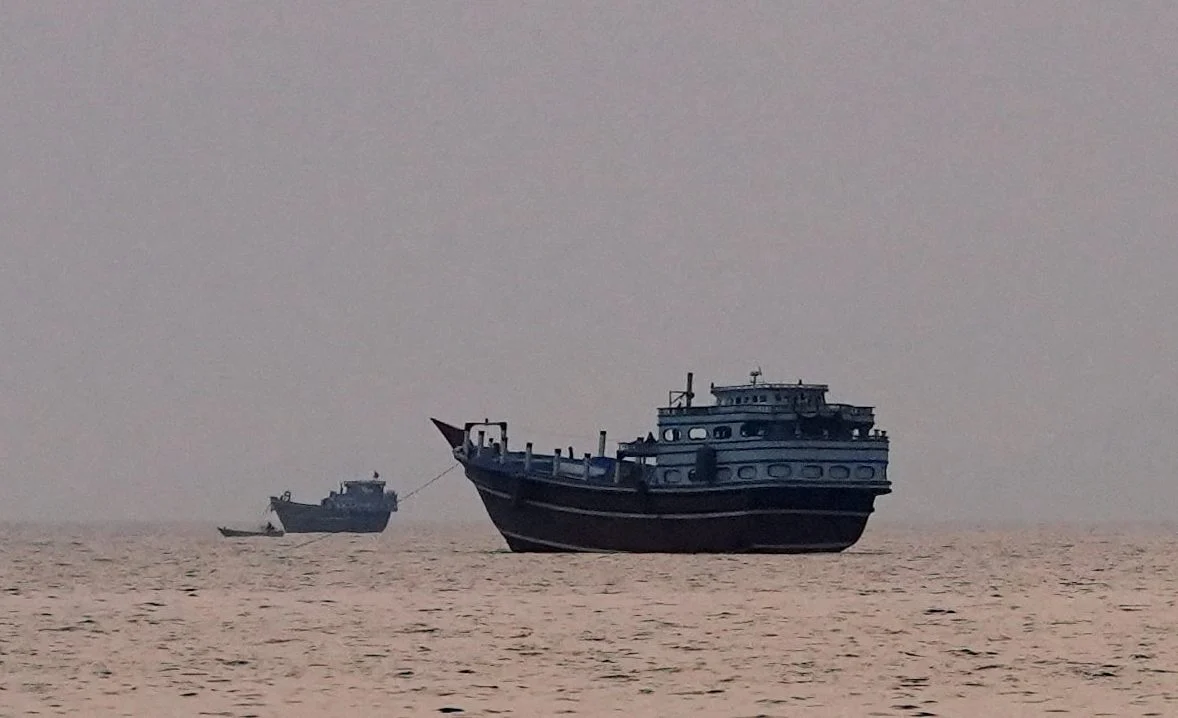
A high-level delegation from Oman has arrived in the Iranian capital, Tehran, for crucial discussions focused on managing maritime traffic through the strategically vital Strait of Hormuz. The visit underscores the escalating tensions in the region, where ongoing exchanges between the United States and Iran have elevated the waterway into the epicenter of a widening geopolitical conflict. The Omani diplomats touched down in Tehran late on Friday, initiating talks with their Iranian counterparts aimed at establishing mechanisms to govern navigation within the strait, according to reports from Iran’s state-run IRNA news agency.
The Strait of Hormuz, a narrow chokepoint connecting the Persian Gulf to the open ocean, has become a flashpoint in the broader confrontation between Washington and Tehran. Its control and the unimpeded flow of vessels through it have direct and significant implications for the global economy, particularly concerning energy supplies. Prior to the current hostilities, approximately 20 percent of the world’s oil and gas exports transited this critical waterway. The disruption to shipping has already contributed to a palpable surge in global energy prices, impacting economies worldwide.
IRNA characterized the Omani delegation’s presence in Tehran as a continuation of ongoing consultations between the two neighboring nations. The Iranian Ministry of Foreign Affairs confirmed that Foreign Minister Abbas Araghchi had engaged in a telephone conversation with his Omani counterpart, Badr Albusaidi, prior to the delegation’s arrival. While specific details concerning the proposals or potential agreements under discussion remain undisclosed, Iran has consistently reiterated its willingness to collaborate with Oman in managing the vital waterway. This stance, however, has been met with reservations and outright rejection from the United States and several Gulf states.
Oman’s unique geographical position, situated at the entrance and exit of the Strait of Hormuz, grants it a pivotal role in regional maritime security. Historically, the Sultanate has cultivated a reputation as a neutral mediator in regional disputes, meticulously maintaining diplomatic channels with both the Gulf Cooperation Council (GCC) states and Iran. This established diplomatic posture positions Oman as a potentially key facilitator in de-escalating the current crisis. Foreign Minister Albusaidi’s recent statement on the social media platform X, emphasizing that "Vital waterways, including the Strait of Hormuz, must remain open and accessible for navigation, free from any measures that would impede freedom of navigation and international trade flows," highlights Oman’s commitment to maintaining global maritime commerce.
The diplomatic overtures from Oman come at a time of heightened military activity. The United States and Iran have been engaged in a sustained cycle of air strikes for the fourteenth consecutive day. These exchanges occur despite persistent, albeit often faltering, diplomatic efforts aimed at persuading both nations to adhere to a previously agreed Memorandum of Understanding (MOU). This MOU, which had previously facilitated a temporary pause in hostilities last month, has since collapsed, largely attributed to irreconcilable differences regarding the interpretation and implementation of provisions concerning freedom of navigation within the Strait of Hormuz.
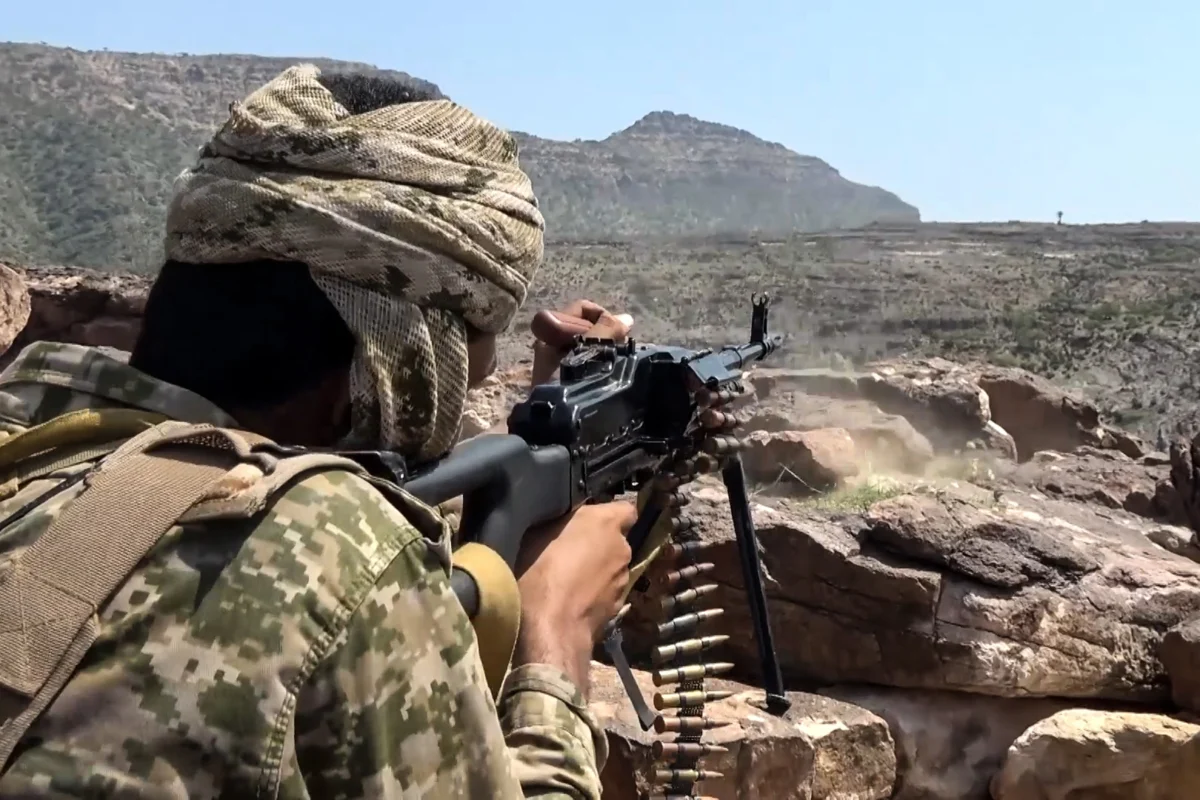
The regional security landscape has further complicated with the recent escalation of conflict in Yemen. Houthi rebels, supported by Iran, declared a naval blockade against Saudi Arabia earlier this week, effectively opening a new, perilous front in the already volatile Middle East. This development amplifies concerns about the security of vital shipping lanes beyond the Strait of Hormuz, including the Bab al-Mandeb Strait.
On Friday, Iran’s military claimed responsibility for further attacks targeting U.S. bases across the region, which have become the primary objective of Iranian retaliatory actions during the current hostilities. Reports indicate strikes on bases in Kuwait, Bahrain, and Jordan. Additionally, a drone crash near Iraq’s Erbil International Airport necessitated the temporary suspension of air traffic, raising further alarms about the spread of the conflict.
In a particularly provocative statement, Iran’s Islamic Revolutionary Guard Corps (IRGC) asserted that it had targeted Amazon’s data center in Bahrain, citing the tech giant’s alleged "providing intelligence support for the American child-killing army." This rhetoric underscores the deeply adversarial narrative shaping the conflict, framing it as a moral and ideological struggle.
Simultaneously, the Houthi rebels have reportedly intensified their targeting of Saudi tankers in both the Strait of Hormuz and the strategically crucial Bab al-Mandeb Strait. However, a spokesperson for the Houthi movement has publicly denied that the group has initiated a complete shutdown of the Bab al-Mandeb waterway, suggesting a more targeted approach or a different strategic objective.
In response to the ongoing escalations, the U.S. Central Command announced the conclusion of its air strikes against Iranian targets. Iranian media, however, reported casualties, indicating that four individuals sustained injuries in blasts that occurred in several cities, including Khorramabad, Jask, Ahvaz, and Bandar Abbas, as well as on Qeshm Island. The Iranian Ministry of Health has provided a grim toll, stating that at least 55 people have been killed and nearly 650 injured in recent U.S. attacks. These figures highlight the human cost of the escalating military confrontations and the potential for widespread civilian impact.
Background and Chronology of the Strait of Hormuz Crisis
The Strait of Hormuz has long been a critical juncture for global energy transit. Its strategic importance has been amplified in recent years due to rising geopolitical tensions in the Persian Gulf. The current phase of heightened confrontation can be traced back to a series of escalating incidents, including maritime skirmishes, tanker seizures, and retaliatory strikes that have characterized the U.S.-Iran standoff.
- Pre-Conflict: The Strait of Hormuz regularly facilitates the transit of over 20% of global oil and gas exports, making it indispensable for global energy security.
- Initial Escalation (Recent Months): A series of incidents involving attacks on oil tankers and commercial shipping in and around the Persian Gulf, with both the U.S. and Iran accusing each other of aggression.
- Memorandum of Understanding (MOU) Efforts: Diplomatic initiatives, including the recent MOU, aimed at de-escalating tensions and ensuring freedom of navigation. The collapse of this MOU, reportedly due to disagreements over maritime passage rights, marked a significant setback.
- Houthi Involvement: The declaration of a naval blockade against Saudi Arabia by Houthi rebels in Yemen has broadened the conflict’s scope and increased the threat to maritime traffic in the Bab al-Mandeb Strait, a vital artery for Suez Canal-bound traffic.
- Sustained Air Strikes: The current phase of intensified air strikes by both the U.S. and Iran, now in its fourteenth day, signifies a dangerous escalation.
- Omani Diplomatic Engagement: The current visit of an Omani delegation to Tehran represents a significant diplomatic effort to find a pathway towards de-escalation and stable management of the Strait of Hormuz.
Supporting Data and Economic Implications
The economic ramifications of disruptions in the Strait of Hormuz are profound and far-reaching. Global energy markets are exceptionally sensitive to any threats to supply from this region.
- Daily Transit Volume: Before the current crisis, an average of 17.2 million barrels of oil and refined products transited the Strait of Hormuz daily.
- Global Energy Market Impact: Even perceived threats to this transit can trigger significant price volatility. The current conflict has already contributed to oil prices exceeding $100 per barrel, a level not seen since May of the previous year, according to market analysis. This price surge directly impacts consumer costs for fuel, heating, and transportation, and has knock-on effects across various industries.
- Economic Vulnerability: Countries heavily reliant on oil imports, particularly in Asia, are disproportionately affected by disruptions in the Strait of Hormuz. The closure or severe restriction of this waterway could lead to significant economic hardship and potential energy shortages.
- Insurance and Shipping Costs: Increased risks associated with navigating the Strait of Hormuz lead to higher insurance premiums for vessels, further increasing the cost of shipping and ultimately contributing to higher consumer prices.
- Global Trade Flows: Beyond energy, a substantial volume of general cargo also transits the Strait. Disruptions can impede the flow of goods, impacting global supply chains and potentially leading to shortages of various commodities.
Broader Impact and Analysis
The ongoing confrontation in the Strait of Hormuz and its spillover effects represent a critical test for regional stability and international maritime security. The involvement of non-state actors like the Houthi rebels adds layers of complexity, blurring the lines between state-sponsored actions and proxy warfare.
The Omani initiative, while potentially promising, faces significant challenges. The deep-seated mistrust and adversarial rhetoric between the U.S. and Iran make finding common ground exceptionally difficult. The rejection of a joint Iran-Oman management framework by the U.S. and Gulf states underscores the geopolitical divisions at play. These powers likely seek assurances that their economic interests and security concerns are fully addressed, which may go beyond the scope of bilateral arrangements between Iran and Oman.
The strategic implications extend beyond immediate economic concerns. A prolonged or escalating conflict in the Strait of Hormuz could:
- Undermine Regional Security Architectures: The current crisis challenges existing regional security frameworks and necessitates a re-evaluation of diplomatic and military strategies.
- Increase Risk of Wider Conflict: The tit-for-tat strikes and the involvement of multiple actors raise the specter of a broader regional conflagration, with devastating humanitarian and economic consequences.
- Impact Global Diplomatic Efforts: The focus on the Strait of Hormuz could divert attention and resources from other pressing global issues, potentially hindering broader diplomatic progress.
- Influence Energy Transition: While currently driving up fossil fuel prices, a sustained crisis could also accelerate the global transition towards renewable energy sources, as nations seek to reduce their dependence on volatile oil markets.
The current diplomatic engagement between Oman and Iran, though shrouded in secrecy, represents a crucial, albeit tentative, step towards averting a more catastrophic outcome. The international community will be closely observing the developments, hoping for a de-escalation that prioritizes the unimpeded flow of global commerce and the restoration of stability to one of the world’s most vital maritime arteries. The outcome of these discussions could have profound implications for global energy security, international trade, and the geopolitical landscape of the Middle East for years to come.