Ferry Irwandi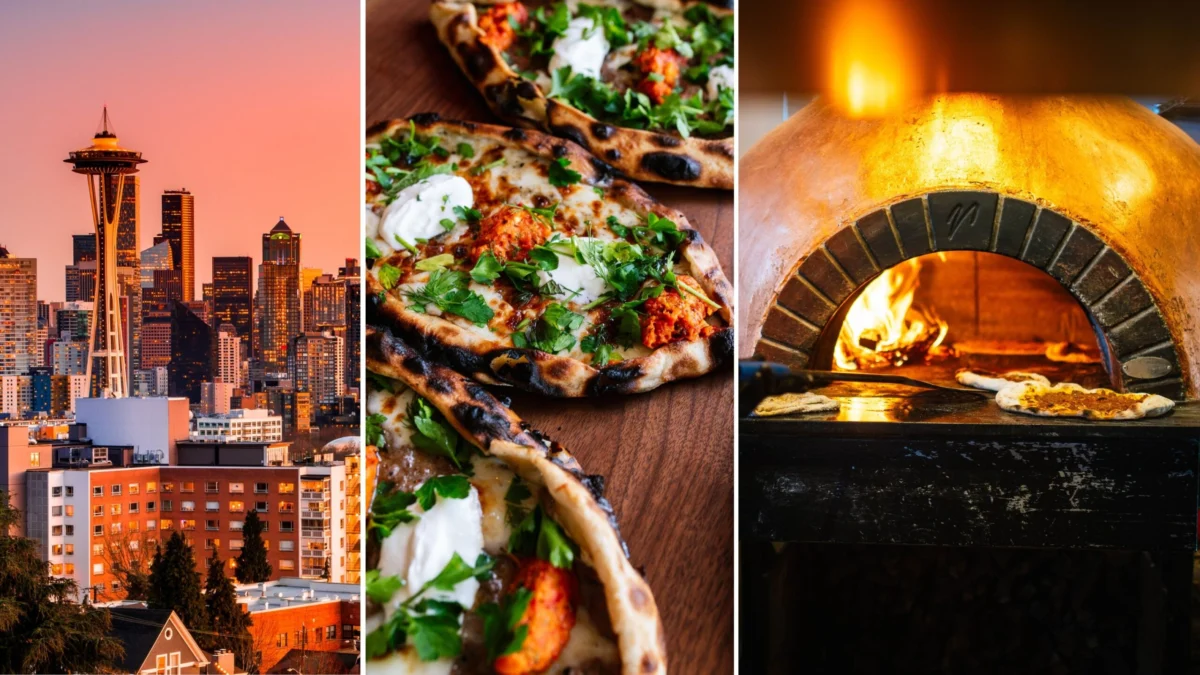
The culinary landscape of St. Louis, Missouri, has undergone a profound transformation over the last decade, transitioning from a city known primarily for regional staples to a sophisticated epicenter of international innovation and fine dining excellence. As of 2026, the city has secured a record number of James Beard Foundation Award (JBFA) finalists, signaling its arrival as a premier destination for gastronomes. This evolution is not merely a product of individual talent but the result of a symbiotic relationship between visionary chefs and a community that prides itself on accessible, neighborhood-centric hospitality. The current dining scene reflects a unique balance: it offers the diversity and technical rigor of major coastal markets while maintaining a small-town intimacy that fosters creative risk-taking.
The Rise of the Gateway City’s Culinary Profile
St. Louis has long been a city of cultural depth, home to world-renowned arts institutions and a fervent sports culture. However, the recent surge in its culinary reputation is rooted in a shift in how the city views its own identity. Historically, St. Louis was often overlooked in national food conversations, overshadowed by larger Midwestern neighbors. Today, the narrative has shifted. The city’s dining scene is now defined by its lack of "clutter," where high-quality establishments are not hidden in exclusive enclaves but integrated into the fabric of everyday neighborhoods.
Industry analysts point to the 2010s as a turning point, when a wave of talent—both locally born and returning from high-pressure kitchens in New York and Chicago—began to invest in the city’s affordable real estate and appreciative audience. This influx of expertise, combined with the region’s robust agricultural surroundings, created a "farm-to-table" infrastructure that is both sustainable and economically viable. The result is a market where James Beard-nominated chefs are frequently found dining at one another’s establishments, reinforcing a sense of shared responsibility for the city’s growth.

Sustainable Innovation and Vegetable-Forward Excellence
A cornerstone of this modern era is Vicia, located in the Central West End. Founded nearly ten years ago by Michael and Tara Gallina—alumni of Dan Barber’s world-famous Blue Hill at Stone Barns—Vicia has redefined Midwestern dining through a "vegetable-forward" lens. While meat and seafood are featured, the restaurant’s core mission is to showcase the bounty of the seasons with a level of creativity that challenges traditional expectations of the plate.
Vicia’s success is a case study in the city’s appetite for elevated, sustainably minded concepts. The restaurant offers a curated tasting menu that allows the kitchen to pivot rapidly based on seasonal availability. Dishes such as cured sea trout with celtuce and garlic chive oil, or Basque cheesecake accented with bee pollen and rhubarb sorbet, exemplify the technical precision that has kept the Gallinas at the forefront of the national conversation. Their presence in St. Louis acted as a catalyst, proving that a sophisticated, high-concept restaurant could thrive outside of the traditional coastal hubs.
The New Guard: Conceptual Supper Clubs and Cultural Fusion
The momentum has continued with newer entries like Mainlander Supper Club. Opening in 2023, Mainlander quickly ascended to national prominence, earning a James Beard semifinalist nod shortly after its debut. The concept, which recently expanded to include a walk-in lounge called The Jujube Inn, blends a polished mid-century Tiki aesthetic with Midwestern comfort classics and Asian techniques.
The menu at Mainlander is a deliberate exercise in nostalgia and innovation. Items such as char siu pineapple pork steak and chicken pot pie potstickers represent a "Mid-century Modern" approach to dining that resonates with a wide demographic. By weaving Asian ingredients like five-spice and ginger into familiar regional formats, Mainlander reflects the city’s broader trend of using food to bridge cultural histories.

Similarly, Robin Restaurant in Maplewood has captured national attention by applying fine dining craftsmanship to humble Midwestern staples. Chef Alec Schingel’s vision is intensely personal, built with the help of family and friends. The prix fixe menu features venison tartare and a coppa pork steak braised over several days in a blueberry barbecue glaze. The restaurant’s "hot dish" casserole—a rotating seasonal staple—elevates a household tradition into a gourmet experience, proving that fine dining in St. Louis is often rooted in a deep respect for local heritage.
Global Heritage as a Local Standard
Perhaps no establishment better represents the intersection of community and global cuisine than Balkan Treat Box. St. Louis is home to one of the largest Bosnian populations outside of Europe, a demographic reality that has profoundly influenced the city’s palate. Chef Loryn Nalic’s "love letter" to this heritage has become a local institution, famous for its cevapi, beef pide, and wood-fired techniques.
The success of Balkan Treat Box, and its sister cafe Telva at the Ridge, demonstrates the city’s support for authentic, high-volume concepts that do not compromise on quality. The lines that frequently snake through the dining room are a testament to the restaurant’s status as a cultural anchor. This level of community engagement is also evident at iNDO, where Nick Bognar has created a high-energy environment focused on Southeast Asian flavors and exceptional sushi. Bognar’s ability to incorporate ingredients like gochujang and edamame into a world-class bar program has set a new standard for fusion dining in the region.
Regional Specialization and the Science of the Craft
The diversity of the St. Louis scene is further highlighted by establishments that focus on specific regional cuisines or technical mastery. El Molino, led by brothers Alex and Jeff Henry, brings the specific flavors of Mexico’s Yucatán Peninsula to the Southampton neighborhood. Inspired by their grandmother’s kitchen in Mérida, the Henrys offer dishes like pulpo en su tinta (octopus braised in squid ink) and scallops with white chocolate mole. This level of regional specificity—moving beyond generic "Mexican" cuisine to focused Yucatecan flavors—indicates a maturing market with a sophisticated customer base.
.jpeg)
In the realm of technical specialization, Menya Rui and Soup Dumplings STL represent the city’s dedication to the "craft" of the meal. Steven Pursley of Menya Rui spent years in Japan honing his noodle-making skills, and his shop’s Shoyu and Tsukemen styles are considered among the best in the country. His upcoming project, Kishimoto Mendō, is expected to further explore the Tonkotsu style, meeting a growing demand for authentic ramen. Meanwhile, Soup Dumplings STL in University City offers a minimalist, focused experience where the hand-pleated dumplings are the sole attraction. The success of these "bare-bones" operations suggests that in St. Louis, the quality of the product far outweighs the need for ornamental decor.
The Architecture of Hospitality
Beyond the food itself, the St. Louis dining scene is defined by a rigorous commitment to hospitality. Wright’s Tavern in Clayton, owned by Matt McGuire, is often cited as a masterclass in the "sleek and sexy" modernization of the traditional steakhouse. With only 36 seats, the restaurant maintains an atmosphere of exclusive intimacy while delivering a menu of relentless consistency, from potato-crusted halibut to the quintessential tavern burger.
McGuire’s other concept, Louie, shares this irresistible draw, emphasizing the "shared energy" of a well-run dining room. This focus on the "human element" of service is also the hallmark of Little Fox in Fox Park. Chef Craig Rivard has created a neighborhood restaurant that routinely tops national lists for its beverage program and sophisticated yet familiar dishes. Whether it is a second spoon materializing exactly when needed or the perfect execution of baked eggs, Little Fox exemplifies the "subtle excellence" that has become the city’s signature.
Economic Implications and Broader Impact
The growth of the restaurant sector has had a measurable impact on the St. Louis economy. According to regional tourism data, "culinary tourism" has become a primary driver for weekend visitors from across the Midwest and beyond. The density of high-quality restaurants in neighborhoods like the Central West End, Tower Grove, and Maplewood has spurred secondary investments in retail and residential development.

Furthermore, the city’s commitment to bread-making, led by operations like Union Loafers, has established a high-standard baseline for the entire hospitality industry. Union Loafers’ "bread-centric" philosophy—where sandwiches are treated as composed dishes and salads are vehicles for house-made croutons—has influenced a generation of local bakers and chefs.
Conclusion: A Divine Place to Eat
As St. Louis moves through 2026, its identity as a "divine place to eat" is no longer a matter of local pride but a documented national fact. The city has successfully avoided the pitfalls of "clutter" and pretension that often plague larger markets, opting instead for a model of dining that is neighborhood-supported, chef-driven, and culturally diverse. From the wood-fired ovens of Webster Groves to the minimalist dumpling shops of University City, St. Louis has built a dining scene from the ground up—one that is as much about the people behind the counter as it is about the food on the plate. For the uninitiated, the message from the city’s culinary leaders is clear: to understand the new St. Louis, you simply have to be here.