Ronny Sianturi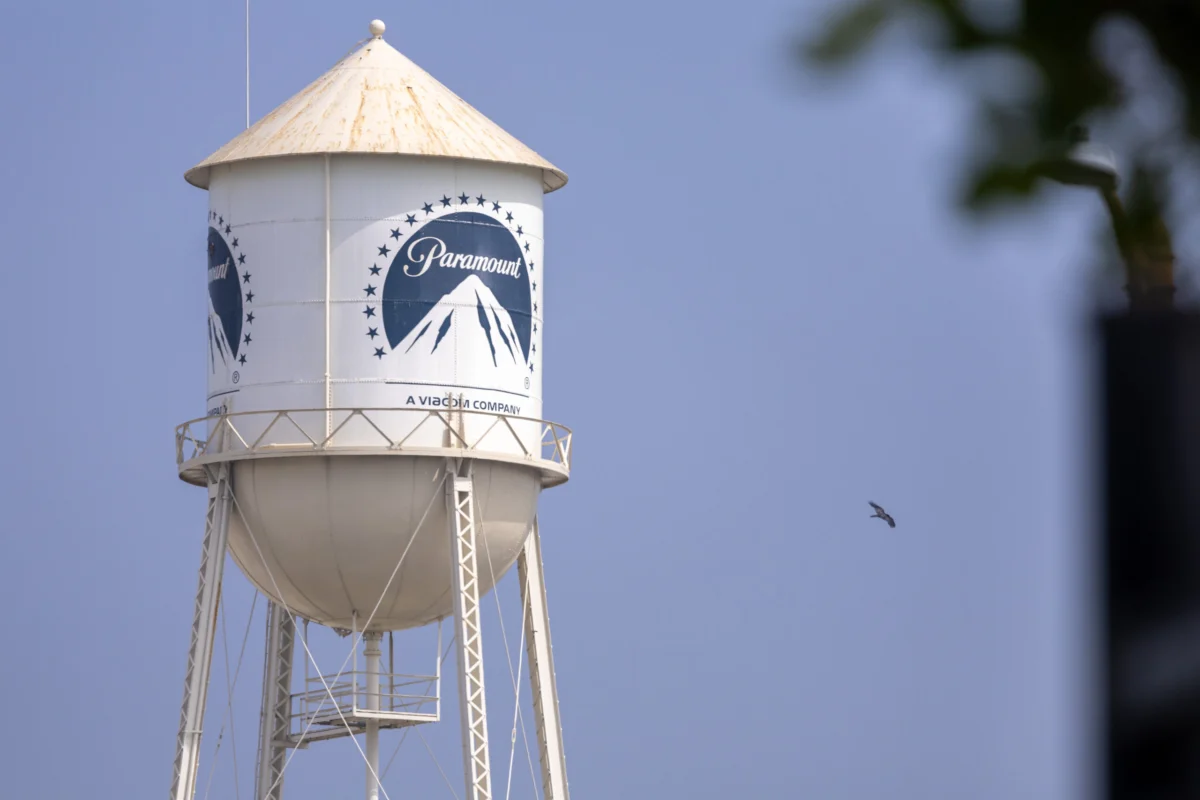
A significant legal challenge has emerged against the monumental $110 billion proposed merger between Paramount Global and Warner Bros. Discovery, a deal poised to dramatically reshape the Hollywood landscape. A class-action lawsuit, filed by Paramount subscribers in California federal court, alleges that the consolidation would substantially diminish competition across key sectors of the entertainment industry, including streaming services, news media, and theatrical distribution. This legal action represents the opening salvo in what is anticipated to be a complex and potentially protracted battle over a merger that has already captured the attention of regulators and industry observers worldwide.
The core of the subscribers’ complaint centers on alleged violations of antitrust laws. They contend that the combination of Paramount and Warner Bros. Discovery would grant the new, consolidated entity undue market power, enabling it to engage in anti-competitive practices. Specifically, the lawsuit claims the merger would lead to a "substantial reduction in competition" and directly harm consumers. The plaintiffs are seeking a court order to block the merger and to unwind Skydance’s concurrent acquisition of Paramount Global, which is intricately linked to the Warner Bros. Discovery transaction.
Allegations of Reduced Competition and Consumer Harm
The lawsuit meticulously details the potential negative consequences for consumers. The complaint states that the merger will consolidate "Paramount’s ability and incentive to raise prices, reduce output, narrow slates, reduce quality, and worsen consumer-facing terms, including through control of distribution, exclusivity, windowing, and licensing." This assertion highlights a broad range of concerns, from the fundamental cost of entertainment to the diversity and accessibility of content.
Paramount subscribers argue that the combined entity would wield significant power in the streaming market. According to the lawsuit, the merged company would possess the third-largest streaming platform in the United States, trailing only Netflix and Disney. It is projected to generate $17.9 billion annually from its streaming operations. The complaint further notes that in 2024, Warner Bros. Discovery and Paramount ranked third and fourth, respectively, among top streaming services. While the lawsuit suggests the new company would become the second-largest streaming platform by subscriber count, it acknowledges that this calculation may not fully account for the overlap in subscriber bases, where individuals might already subscribe to both Paramount+ and Max (formerly HBO Max).
Beyond streaming, the lawsuit raises concerns about the theatrical distribution market. The complaint estimates that the merged entity would control approximately 24 percent of the theatrical distribution market, making it the largest distributor in the industry. Joseph Alioto, an attorney representing the subscribers, argues in the lawsuit that "The proposed transaction, therefore, would not merely combine two studios; it would increase top-four concentration by approximately 10.2 percentage points and eliminate Paramount as an independent studio competitor." This concentration of power, the plaintiffs argue, would inevitably lead to fewer choices for moviegoers, a reduction in genre and budget variety in films released theatrically, and fewer meaningful alternatives at local cinemas.
A Complex Transaction with Multiple Stakeholders
The proposed merger between Paramount Global and Warner Bros. Discovery is a multifaceted transaction involving several entities and approvals. Skydance Media, led by David Ellison, has been instrumental in the proposed acquisition of Paramount Global. The lawsuit directly challenges Skydance’s role, suggesting its acquisition strategy, which relies on acquiring existing entities rather than competing through organic growth and innovation, is itself a mechanism that could lessen competition. The lawsuit points to Section 7 of the Clayton Act, which prohibits mergers that may substantially lessen competition or tend to create a monopoly, and notes its interpretation to encompass acquisitions that contribute to industry-wide concentration by diminishing the field of rivals. This legal precedent is particularly relevant given the history of major consolidations in the entertainment sector, including the mergers of Disney and 21st Century Fox, and Discovery and WarnerMedia.
The complaint explicitly criticizes Skydance’s approach, stating, "Skydance’s nontrivial acquisition of Paramount Global and the proposed nontrivial acquisition of Warner Bros. Discovery reflect the same strategy of refusing to compete by building better products, investing, innovating, or winning customers through rivalry on the merits, but instead pursuing scale through consolidation that eliminates independent rivals and weakens the competitive constraints that protect consumers." This suggests a belief that such acquisitions, by their nature, stifle genuine market competition.
Regulatory Hurdles and Political Considerations
The path to consummating the Paramount-Warner Bros. Discovery merger is fraught with significant regulatory hurdles. Beyond the current lawsuit filed by consumers, the deal faces scrutiny from various governmental bodies. These include the U.S. Department of Justice, state attorneys general, the European Union, and the Federal Communications Commission.
California Attorney General Rob Bonta has been vocal about the merger, stating in February that "Paramount/Warner Bros. is not a done deal." He indicated that the California Department of Justice has an ongoing investigation and intends to conduct a thorough review. This investigation and potential legal action from a coalition of state attorneys general could pose a substantial obstacle.
Adding another layer of complexity, former President Donald Trump has previously injected himself into the bidding war for Warner Bros. Discovery, reportedly expressing support for Paramount’s acquisition. This political intervention, while not a formal regulatory step, signals potential influence and could be interpreted as a factor in the broader landscape of regulatory consideration. The lawsuit itself touches upon this, arguing that a combined entity, which would reportedly become the second-largest news media organization behind Comcast, could face diminished editorial independence, credibility, and viewpoint diversity.
Paramount’s Defense and Industry Reactions
Paramount Global has responded to the lawsuit with a firm denial, labeling the claims as "without merit." In a statement, the company asserted that "The combination of Paramount and WBD will create a stronger competitor that is well positioned to serve as a champion for creative talent and consumer choice." This defense positions the merger as a move to enhance competition and benefit creators and audiences alike, directly countering the antitrust concerns raised by the plaintiffs.
David Ellison, CEO of Skydance Media, has previously framed the proposed deal as a strategic move to bolster competition against dominant tech giants like Netflix, Amazon, and Apple. He has pledged to maintain a robust theatrical release schedule, committing to at least 30 movie releases per year with minimum 45-day theatrical windows. However, this commitment has reportedly been met with skepticism from some industry insiders who question the viability of such an output.
A Chronology of the Proposed Merger
The journey toward this potential mega-merger has been unfolding over several months, marked by intense bidding and strategic maneuvering:
- Late 2023 – Early 2024: Reports emerge of Paramount Global exploring strategic options, including a potential sale or merger. Skydance Media, backed by private equity, emerges as a leading contender.
- February 2024: Netflix reportedly makes an unsolicited bid for Warner Bros. Discovery, signaling a potential rival interest and intensifying the competition for the Zaslav-led company. Paramount’s bid, facilitated by Skydance, gains traction.
- March 2024: Paramount Global’s board of directors reportedly favors the Skydance deal, despite Netflix’s competing offer.
- April 2024: Warner Bros. Discovery shareholders vote to approve the combination with Paramount, a crucial step in the consolidation process.
- May 2024: A class-action lawsuit is filed by Paramount subscribers in California federal court, challenging the merger on antitrust grounds.
Broader Implications for the Entertainment Industry
The proposed merger, if allowed to proceed, would represent one of the most significant consolidations in Hollywood history. It would create a media behemoth with a vast portfolio of film and television assets, news operations, and a substantial presence in the burgeoning streaming market. The lawsuit, however, underscores the deep-seated concerns about market concentration and its potential to stifle innovation, reduce consumer choice, and ultimately harm the competitive ecosystem of the entertainment industry.
The legal challenges, coupled with ongoing regulatory reviews, suggest that the road ahead for this ambitious merger will be arduous. The outcome of these legal and regulatory battles will not only determine the fate of Paramount Global and Warner Bros. Discovery but could also set important precedents for future consolidation within the media and entertainment sectors. The focus remains on whether the purported benefits of scale and enhanced competition, as argued by Paramount and Skydance, will outweigh the antitrust concerns raised by consumers and potentially other stakeholders. The industry will be closely watching as this legal and regulatory drama unfolds, with significant implications for the future of content creation, distribution, and consumption.