Danny Garick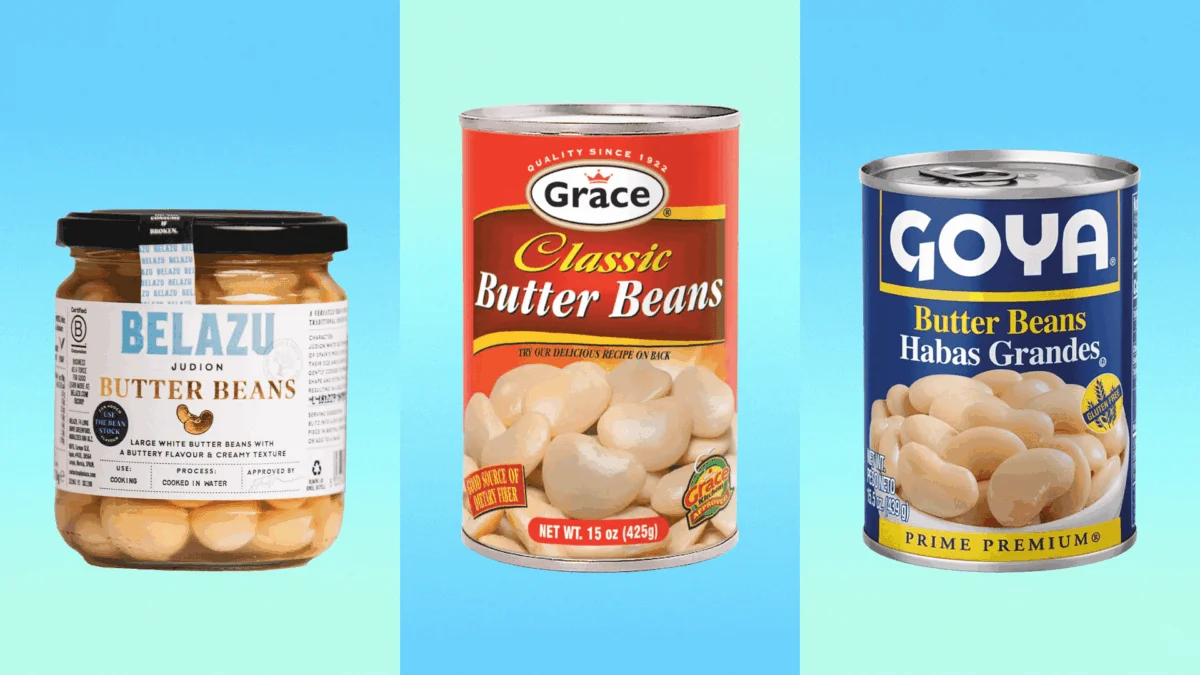
The culinary landscape of the summer season is undergoing a significant transformation as home cooks and professional chefs alike increasingly prioritize shelf-stable, protein-dense alternatives to traditional animal proteins. At the forefront of this shift is the reimagining of classic seafood dishes through the lens of the humble canned bean. A prominent example of this trend is the emergence of "Big Bean Ceviche," a dish that replaces traditional raw fish or shrimp with large, creamy white beans, such as butter beans or lima beans. This transition reflects broader consumer trends, including a heightened focus on food safety during high-temperature months, the rising cost of fresh seafood, and a growing demand for vegan-friendly options that do not compromise on texture or flavor complexity.
The Functional Shift from Seafood to Legumes
Traditional ceviche, a staple of Latin American cuisine, relies on the chemical process of denaturation, where the citric acid from lime or lemon juice "cooks" raw seafood. While this method remains a culinary landmark, it presents logistical challenges, particularly regarding temperature control and perishability. In contrast, the use of canned legumes offers a stable, pre-cooked alternative that facilitates a "no-cook" preparation style ideal for extreme summer heat.
The adoption of large white beans, specifically the butter bean (Phaseolus lunatus), provides a textural profile that mimics the meatiness of certain shellfish or firm white fish. Unlike smaller legumes such as navy or cannellini beans, butter beans maintain a creamy interior while possessing a robust skin that holds up well to marination in acidic bases. This structural integrity is essential for ceviche applications, where the ingredients must sit in a mixture of citrus, tomato, and aromatics without becoming mushy or losing their form.
Historical Context and Cultural Precedents
The concept of legume-based ceviche is not a modern invention but rather an evolution of regional traditions. In Ecuador, "cevichocho" has long served as a popular vegetarian alternative to seafood ceviche. This dish utilizes the lupini bean, known locally as "chocho," which is an Andean superfood. Historically, these beans required an extensive soaking and debittering process, but their integration into the ceviche format—served with lime, onions, cilantro, and often toasted corn or plantain chips—established a precedent for using pulses as a primary protein in acidic salads.
The modern iteration of bean ceviche simplifies this process by utilizing canned varieties, making the dish accessible to a global audience. By replacing the labor-intensive lupini bean with widely available canned butter beans, the preparation time is reduced from days to minutes. This democratization of the recipe aligns with the contemporary "pantry cooking" movement, which emphasizes high-quality results from accessible, long-life ingredients.
Food Safety and Economic Implications
One of the primary drivers behind the rise of plant-based ceviche is the mitigation of foodborne illness risks associated with raw seafood. According to data from the Centers for Disease Control and Prevention (CDC), fish and shellfish are among the most common sources of food poisoning, particularly when stored at temperatures above 40°F (4°C). During summer gatherings and outdoor events, maintaining the cold chain for raw fish is a significant hurdle.
Legume-based alternatives offer a much wider margin of safety. Because canned beans are sterile until opened and do not provide the same highly perishable protein environment as raw flesh, bean ceviche can remain at room temperature for longer periods. This makes it an ideal candidate for picnics, potlucks, and outdoor dining where refrigeration may be inconsistent.
Economically, the shift is equally compelling. The Bureau of Labor Statistics has noted significant fluctuations in the price of fresh seafood due to supply chain disruptions and environmental factors. In 2023 and 2024, the cost per pound of high-quality snapper or shrimp remained substantially higher than that of canned legumes. A standard 15-ounce can of premium butter beans typically retails for a fraction of the price of a comparable weight of seafood, providing a nutrient-dense meal that is accessible to a broader demographic.
Nutritional Profile: A Comparative Analysis
When evaluating the transition from fish to beans, the nutritional implications are significant. Butter beans are an excellent source of plant-based protein, complex carbohydrates, and dietary fiber. A one-cup serving of cooked butter beans contains approximately 15 grams of protein and 13 grams of fiber, the latter of which is entirely absent in seafood.

Furthermore, legumes are rich in essential minerals such as potassium, magnesium, and iron. While white fish provides omega-3 fatty acids, beans offer a low-fat, cholesterol-free alternative that supports cardiovascular health. For the growing population of vegans and vegetarians—estimated to be approximately 5% to 10% of the U.S. population—the ability to enjoy a traditionally seafood-centric dish like ceviche represents a major step in culinary inclusivity.
Market Analysis of Premium Canned and Jarred Beans
As the demand for high-quality bean-based meals grows, the market for canned and jarred legumes has seen a notable "premiumization." Consumers are no longer satisfied with generic, mushy beans; they are seeking specific varieties with superior texture and flavor.
Commercial Brand Performance
Two major players in the North American market, Grace and Goya, have seen increased interest in their butter bean offerings. Grace Butter Beans, often preferred for their creamy texture and minimal additives (typically just water, salt, and ascorbic acid), cater to consumers seeking a "clean label" profile. Goya, which dominates the market in terms of availability, offers a slightly firmer bean due to the inclusion of calcium chloride as a firming agent. This chemical additive, while safe, is a point of distinction for culinary enthusiasts who prioritize a specific mouthfeel.
The Rise of Specialty Jarred Legumes
A secondary trend within this market is the rise of jarred beans, often imported from Europe. Brands such as Bold Bean Co. in the UK and El Navarrico in Spain have gained a cult following among "foodies" for their heirloom varieties and artisanal processing methods. Jarred beans are frequently packed in a less starchy liquid than their canned counterparts, preserving the integrity of the bean and allowing the natural flavors to shine. While these products carry a higher price point, they reflect a consumer willingness to invest in "affordable luxuries" within the grocery space.
Technical Culinary Considerations
Creating a successful bean ceviche requires an understanding of flavor balancing. Because beans lack the natural salinity of seafood, the marinade must be "punchier" to compensate. Standard recipes involve a base of grated tomatoes, which provides acidity and umami, along with citrus juices (lime or lemon) and aromatics like red onion, garlic, and fresh herbs.
The marination time is also a critical factor. Unlike fish, which can become rubbery if left in acid for too long, beans are resilient. Extended marination allows the tangy sauce to penetrate the creamy center of the butter bean, resulting in a more cohesive flavor profile. This "make-ahead" quality is a distinct advantage for home cooks managing busy schedules.
Broader Environmental and Industry Impact
The move toward legume-centric diets has profound implications for environmental sustainability. The Food and Agriculture Organization of the United Nations (FAO) has long advocated for increased pulse consumption as a means of reducing the carbon footprint of the global food system. Legumes are nitrogen-fixing plants, meaning they improve soil health and require significantly less water to produce than animal-based proteins.
As climate change continues to impact ocean temperatures and fish stocks, the culinary industry is being forced to adapt. Professional kitchens are increasingly incorporating "faux-seafood" elements made from mushrooms, hearts of palm, and legumes. The "Big Bean Ceviche" trend is a grassroots manifestation of this larger systemic shift.
Future Outlook
Industry analysts predict that the market for premium legumes will continue to expand as more consumers adopt "flexitarian" diets. The success of simple, bean-forward recipes on social media platforms has already influenced retail stocking patterns, with supermarkets dedicating more shelf space to diverse bean varieties like Gigantes, Corona, and Lupini.
In conclusion, the rise of bean-based ceviche is more than a fleeting summer trend; it is a reflection of a maturing food culture that values efficiency, safety, and sustainability. By elevating the canned bean from a side dish to a centerpiece, modern gastronomy is proving that sophisticated, flavorful meals do not require expensive or perishable ingredients. As the "no-cook" movement gains momentum, the humble butter bean is well-positioned to remain a staple of the contemporary summer table, bridging the gap between traditional cultural flavors and modern dietary needs.