Ferry Irwandi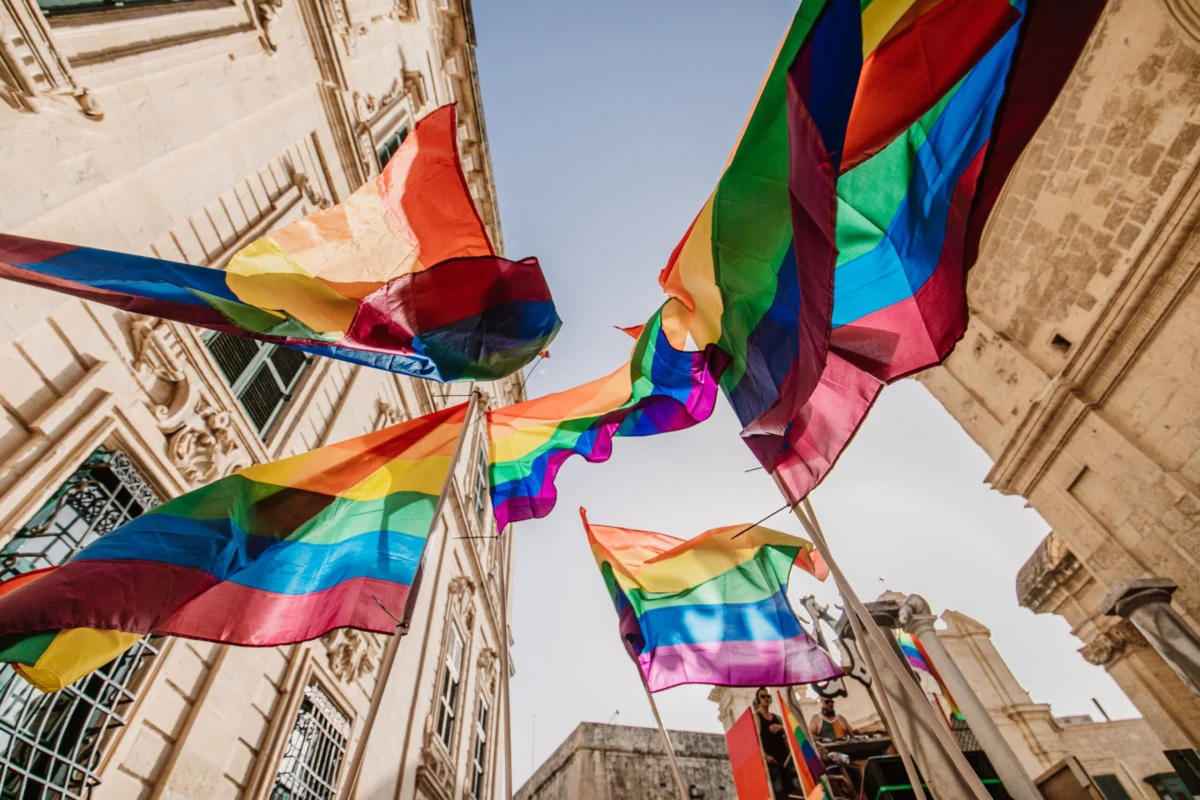
The global travel industry is currently navigating a period of profound transformation, characterized by a shift away from standardized mass tourism toward highly personalized, identity-conscious experiences. For the LGBTQIA+ community, this evolution is not merely a matter of preference but a necessity driven by a complex global landscape where safety, cultural nuance, and ethical considerations vary significantly across borders. As international travel returns to and exceeds pre-pandemic levels, a specialized cohort of travel advisors is emerging as essential intermediaries, bridging the gap between queer travelers and the diverse cultures they wish to explore. These professionals, often members of the community themselves, provide a level of insight that transcends traditional logistics, addressing the emotional and social dimensions of moving through the world as an out individual.

The Historical Context and Chronology of LGBTQIA+ Tourism
To understand the current reliance on specialized advisors, one must examine the chronology of LGBTQIA+ travel. Historically, queer travelers operated within a framework of necessity and secrecy. In the mid-20th century, publications like the "Damron Guide"—often referred to as the "Green Book" for gay travelers—provided essential information on safe spaces, bars, and hotels where queer individuals could congregate without the threat of arrest or violence.
The 1970s and 1980s saw the birth of the first dedicated gay travel agencies, primarily focusing on group cruises and tours to known "safe havens" like Provincetown, Key West, and Mykonos. However, the 21st century brought a mainstreaming of LGBTQIA+ identities in Western markets, leading to the rise of "Pride Tourism." By the 2010s, major cities like London, New York, and São Paulo began seeing millions of attendees at annual Pride festivities, turning queer identity into a significant economic driver.

In 2024 and looking toward 2026, the landscape has shifted again. While many destinations have become more inclusive, others have seen a legislative and social regression. This volatility has created a renewed demand for human expertise over automated solutions, as travelers seek to navigate a world that is simultaneously more connected and more polarized.
Eliminating the Explanation Tax and the Power of Shorthand
One of the primary advantages of working with an LGBTQIA+ specialist is the elimination of what industry veteran John Clifford of International Travel Management calls the "explanation tax." This term refers to the emotional and administrative labor queer travelers must perform when justifying their family structures or relationship dynamics to service providers. Clifford notes that when a client works with an advisor who shares their identity, they no longer need to filter themselves or worry if a resort’s "romance package" will result in an awkward or hostile check-in experience.

Ash Chin of Sojourns Of describes this relationship as an "immediate shorthand." In a professional journalistic context, this shorthand represents efficiency and accuracy. By removing the need for the client to educate the advisor on basic queer concerns—such as bed configurations for same-sex couples or the safety of gender-neutral restrooms—the planning process moves directly to the creation of exceptional, high-value itineraries. This efficiency is a critical metric in high-end travel consultancy, where time and peace of mind are the ultimate luxuries.
Navigating Geopolitical Complexities and Safety Realities
The role of a specialized advisor becomes particularly vital when dealing with destinations where the legal status of LGBTQIA+ individuals is at odds with the local social atmosphere. This requires a level of nuance that generalist agencies often lack. For example, Earl Starkey of Sophisticated Travel, a specialist in Türkiye, points out that while the current political climate in Istanbul may appear conservative, the day-to-day reality for gay tourists remains vibrant. Starkey notes that homosexuality has never been illegal in the country, and gay nightlife remains a major draw in hubs like Bodrum.

Similarly, Johnny Considine of Cuba Private Travel highlights the disconnect between international media portrayals of Cuba and the actual lived experience of its queer community. Considine facilitates "meaningful interactions" between travelers and local queer artists, business owners, and social program managers. This type of "boots-on-the-ground" intelligence allows travelers to engage with a destination authentically while maintaining a safety net established by someone who understands the local social fabric.
The Ethical Dimensions of the Rainbow Tourist Dollar
As the LGBTQIA+ travel market continues to grow—estimated by some industry analysts to exceed $218 billion annually—the ethics of "rainbow tourism" have come under scrutiny. Modern travelers are increasingly concerned with whether their spending supports or undermines local queer rights. This has led to a rejection of "rainbow-washing," a term used to describe corporations or destinations that adopt Pride imagery in June while ignoring or actively opposing LGBTQIA+ rights during the rest of the year.

Zak Winduss of Strictly Vacations observes that many countries are eager to attract the "rainbow dollar" without extending protections to their own citizens. Informed travelers now ask their advisors if their tourism dollars are inadvertently supporting oppressive regimes. Duncan Greenfield-Turk of Global Travel Moments emphasizes that the expectation of linear progress in global human rights has faded. Consequently, safety conversations have become more urgent, and travelers are making destination choices based on current geopolitical shifts rather than historical reputations.
The Failure of Automation and the Resurgence of the Human Touch
In an era dominated by Artificial Intelligence (AI) and algorithmic trip planners, the LGBTQIA+ travel sector serves as a case study for the limitations of technology. John Clifford argues that while the industry has attempted to respond to global crises with automation, an algorithm is fundamentally incapable of understanding human anxiety or sensing the subtle "cultural temperature" of a destination.

For a queer traveler, the stakes of a poorly planned trip can range from minor discomfort to physical danger. An AI cannot conduct a site inspection to ensure a hotel staff is genuinely inclusive, nor can it provide the "camaraderie" that Rob Grieve of Butterfield & Robinson cites as a key component of his service. The "recovery" of a bad experience—such as the Sicilian hotel check-in error resolved by Gary Portuesi of Authentic Explorations—requires human intervention and established professional relationships that no software can replicate.
Supporting Data: The Economic and Social Impact of Specialized Travel
Data from the International LGBTQ+ Travel Association (IGLTA) suggests that queer travelers are among the most resilient and frequent travelers, often being the first to return to the road after global disruptions. This demographic tends to have higher-than-average discretionary income and a strong preference for brands that demonstrate authentic inclusion.

Key statistics highlighting the importance of this sector include:
- Market Resilience: LGBTQIA+ travelers maintained a higher intent to travel during 2021-2023 compared to the general population.
- Spending Power: Same-sex households often report higher travel budgets, with a preference for luxury accommodations and cultural experiences.
- Safety Prioritization: Over 70% of LGBTQIA+ travelers cite "safety and local attitudes toward queer people" as their top consideration when choosing a destination.
These figures underscore why the "top travel specialist" designation is increasingly focused on niche experts who can guarantee both safety and a high return on investment for their clients.

Broader Implications for the Global Travel Industry
The rise of the LGBTQIA+ travel specialist is a precursor to a broader trend in the travel industry: the professionalization of empathy. As travel becomes more accessible yet more socially complex, the role of the advisor is shifting from a "booker" to a "risk manager" and "cultural liaison."
Nicola Butler of NoteWorthy suggests that the sensitivity required for queer clients is applicable across all demographics, including neurodiverse travelers or those with specific religious and accessibility needs. By briefing hotels and guides on the specific identities and expectations of every client, advisors are setting a new standard for global hospitality.

In conclusion, the decision to work with an LGBTQIA+ travel advisor is a strategic one. It reflects a shift toward ethical, safe, and deeply personal exploration. As the world moves toward 2026, the human element in travel planning—the ability to look a client in the eye and guarantee their safety—remains the industry’s most valuable commodity. For the queer traveler, this professional partnership offers more than just a vacation; it offers the freedom to experience the world without the burden of fear or the "tax" of explanation.