Ferry Irwandi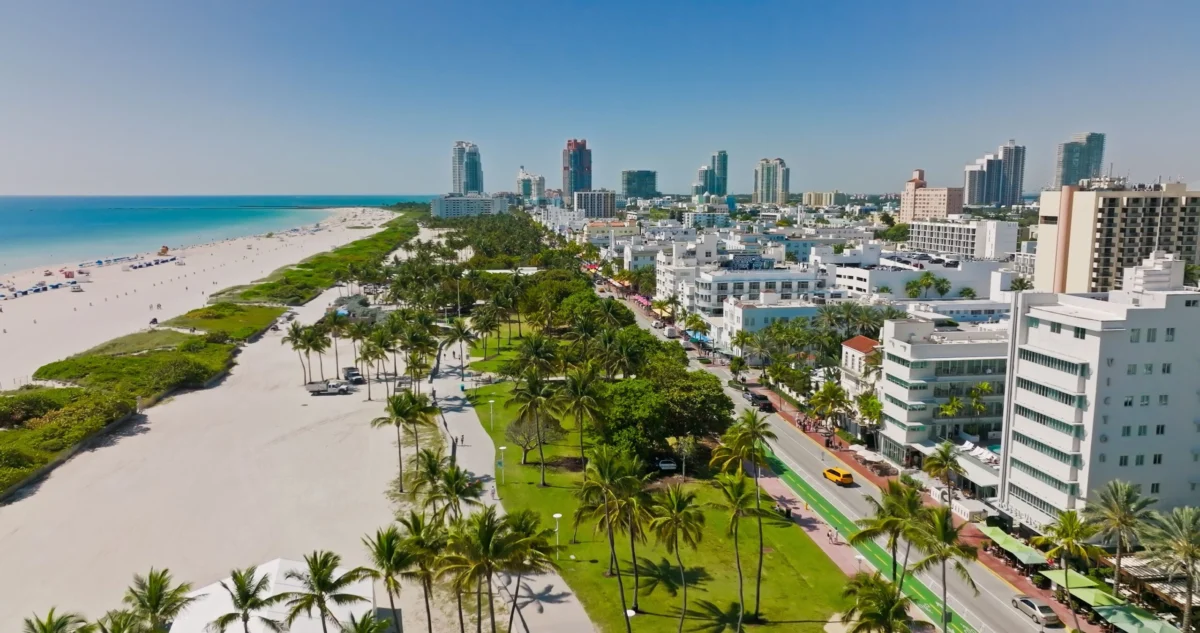
The Atlantic coastline of the United States, stretching from the northern reaches of Maine to the southern tip of Florida, represents one of the most economically and culturally significant geographic corridors in the world. Often referred to as America’s "starboard side," the East Coast offers a diverse array of coastal environments that rival the tropical allure of the Caribbean and the rugged aesthetic of the Pacific Northwest. While the West Coast is frequently lauded for its dramatic cliffs and sunset vistas, the East Coast’s appeal lies in its historical depth, accessibility, and the varied character of its shoreline, which transitions from the glacial rock of New England to the expansive barrier islands of the Mid-Atlantic and the sub-tropical sands of the South.

The tourism industry along the Atlantic seaboard is a multi-billion-dollar engine. According to data from the U.S. Travel Association and various state tourism bureaus, coastal counties account for a disproportionate share of travel-related spending. In Florida alone, the tourism industry saw a record-breaking 140.6 million visitors in 2023, with beach destinations in Miami and the Florida Keys serving as primary drivers. Further north, the Outer Banks of North Carolina and the luxury enclaves of New York’s Long Island continue to see rising property values and hospitality investments, signaling a robust long-term interest in East Coast maritime destinations.
The Evolution of the Atlantic Shoreline: A Historical Chronology
The development of the East Coast as a premier destination for "sun and sand" did not occur overnight. It is the result of nearly two centuries of infrastructure development and shifting social paradigms regarding leisure and health.

In the mid-19th century, the American beach was viewed primarily through a medicinal lens. Coastal air and saltwater immersion were prescribed by physicians for various respiratory and nervous ailments. During this period, the "Grand Hotel" era began in locations such as Newport, Rhode Island, and Cape May, New Jersey. These areas served as summer retreats for the urban elite of New York and Philadelphia, who sought to escape the industrial heat of the cities.
The early 20th century marked a transition toward mass tourism, facilitated by the expansion of the railroad system. The 1920s saw the rapid development of Florida, spurred by visionary developers like Carl Fisher, who transformed a mangrove swamp into the international destination now known as Miami Beach. Following World War II, the rise of the automobile and the construction of the Interstate Highway System democratized the beach experience. This era gave birth to the classic American road trip and the proliferation of motels and boardwalks in places like Virginia Beach and Myrtle Beach.

By the 1970s and 1980s, the focus shifted toward conservation and the establishment of National Seashores. The National Park Service took an active role in preserving stretches of the coastline, such as Cape Hatteras in North Carolina and Cape Cod in Massachusetts, ensuring that natural beauty remained protected from excessive commercial development. Today, the East Coast beach experience is a blend of high-energy urban environments and secluded, ecologically sensitive landscapes.
Regional Profiles: Diversity of the Eastern Seaboard
The East Coast is categorized by three distinct regions, each offering a unique value proposition to travelers and investors alike.

The Southeast: High Energy and Tropical Influence
Miami’s South Beach remains the quintessential example of the East Coast’s high-energy coastal culture. Characterized by its Art Deco architecture and vibrant nightlife, it mirrors the atmosphere of prestigious European beach towns like Saint-Tropez or Ibiza. However, the Southeast also offers quieter, nature-centric alternatives. The Outer Banks of North Carolina represent a singular geographic formation—a 200-mile string of barrier islands. This region is noted for its wild horses, believed to be descendants of Spanish Mustangs, and its significant maritime history, including the site of the Wright Brothers’ first flight at Kitty Hawk.
The Mid-Atlantic: The Intersection of Tradition and Luxury
New York’s Long Island, particularly the eastern end known as the Hamptons and Montauk, serves as a major hub for luxury hospitality. Montauk, once a humble fishing village, has evolved into a premier destination for "foodie travelers" and the international jet set. New hospitality developments, such as the Barlume Beach Hotel and Hotel Corduroy, reflect a trend toward boutique, design-forward accommodations that cater to a demographic seeking both social engagement and coastal serenity. This region balances seasonal influxes with a commitment to maintaining its historic maritime identity.

New England and the North: Rugged Beauty and Heritage
Further north, the coastline becomes more rugged. Destinations like Mackinac Island (situated in the Great Lakes but following the traditional East Coast resort model) and the shores of Maine and Massachusetts emphasize heritage and quietude. The Inn at Stonecliffe on Mackinac Island, a restored 1904 Edwardian estate, exemplifies the region’s focus on historic preservation and expansive, tranquil grounds. In these northern latitudes, the "beach" experience is often less about swimming and more about maritime activities, sailing, and the appreciation of the natural environment.
Economic Impact and Market Data
The economic significance of East Coast beaches is underscored by recent data from the National Oceanic and Atmospheric Administration (NOAA). Coastal tourism and recreation contribute approximately $143 billion annually to the U.S. GDP.

- Employment: In states like South Carolina and Florida, one in every ten jobs is directly or indirectly supported by the tourism industry, with coastal counties seeing the highest concentration of hospitality employment.
- Real Estate Trends: Despite the challenges posed by coastal erosion and climate change, beachfront real estate remains some of the most valuable in the country. In the Hamptons and parts of the Florida coast, median home prices have seen a 25-40% increase over the last five years.
- Hospitality Investment: The "luxury lifestyle" segment of the hotel industry is seeing record investment along the Atlantic. Developers are increasingly focusing on "experiential luxury," which combines high-end amenities with local cultural experiences.
Environmental Challenges and Sustainability
The future of East Coast beaches is inextricably linked to environmental management. Rising sea levels and the increasing frequency of high-intensity Atlantic hurricanes present significant risks to both infrastructure and natural ecosystems.
Official responses from state governments have focused on beach nourishment projects—the process of dredging sand from offshore to rebuild eroded shorelines. For instance, the U.S. Army Corps of Engineers regularly conducts multi-million-dollar nourishment operations in Florida and New Jersey to protect coastal assets.

Furthermore, there is a growing movement toward sustainable tourism. Many East Coast municipalities have implemented bans on single-use plastics and have established protected nesting zones for endangered species, such as the Loggerhead sea turtle. The balance between maintaining a robust tourism economy and preserving the delicate coastal ecology is the primary challenge facing regional planners in the 21st century.
Official Reactions and Industry Perspectives
Industry leaders emphasize that the East Coast is no longer just a seasonal getaway but a year-round economic powerhouse. "The demand for domestic coastal travel has remained resilient despite global economic fluctuations," states a report from a leading travel research firm. "Travelers are increasingly looking for destinations that offer a mix of accessibility and a sense of ‘place,’ which the East Coast provides through its diverse regional identities."

Tourism boards have also reacted to shifting traveler preferences by highlighting "slow travel" and off-season visits. By promoting the "meditative waves" and "quiet stretches of sand" available during the shoulder seasons, destinations like the Outer Banks are successfully extending their economic viability beyond the traditional summer months.
Broader Implications for the Future of Travel
The enduring popularity of the East Coast’s beaches suggests a fundamental shift in the American travel landscape. While international destinations in Southeast Asia or the Caribbean remain attractive, the convenience and variety of the Atlantic seaboard provide a competitive alternative.

The integration of high-end hospitality with natural conservation, as seen in the curation of top-tier beach destinations, indicates that the future of travel will be defined by quality over quantity. Whether it is the pulse of Miami’s South Beach or the historic charm of a New England estate, the East Coast continues to refine its role as a premier global destination. As infrastructure evolves and environmental strategies become more sophisticated, the "starboard side" of the United States is well-positioned to maintain its status as a cornerstone of the nation’s cultural and economic identity.